

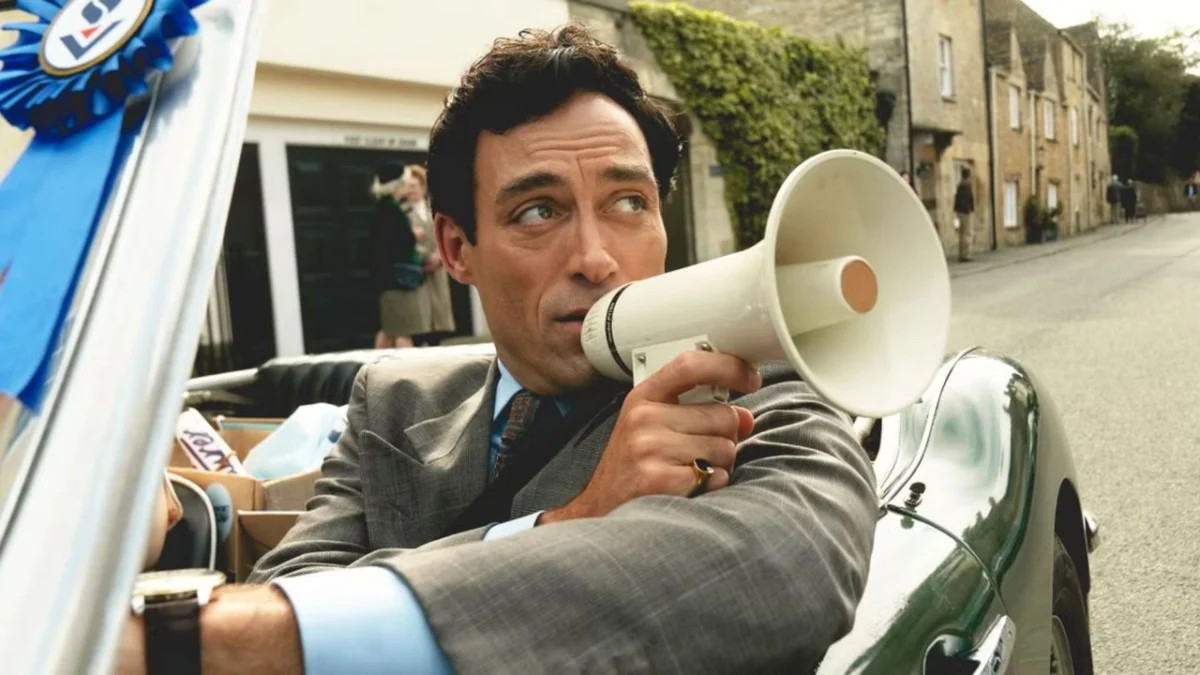
The world of Rutshire has never been one for the faint of heart, but as Rivals returns for its sophomore season on Hulu and Disney+, the scandalous web woven by Dame Jilly Cooper’s iconic characters has shifted from playful excess to something far more haunting. The vibrant, sun-drenched hedonism that defined the series’ debut has begun to fray at the edges, replaced by a palpable sense of existential dread. Rupert Campbell-Black, the quintessential rogue of the English countryside, finds his reputation not just challenged, but crumbling in real-time.
For fans of the source material, the show remains a faithful—if slightly more somber—homage to the "bonkbusting" literary legacy that defined a generation. Yet, as the narrative unfolds, it becomes clear that the showrunners have chosen to pivot, opting to explore the wreckage left behind when the party finally ends.
The State of Play: Rutshire in Crisis
Picking up in the immediate aftermath of the tumultuous events of season one, the ensemble cast finds themselves in a state of precarious limbo. The collective "horniness" that once served as the show’s primary engine has, quite frankly, turned sour.
Cameron (Nafessa Williams) remains the focal point of the show’s tension. Burdened by the crushing guilt and paranoia of believing she has committed manslaughter—having struck her boss, Tony Baddingham (David Tennant), with a television award in a moment of desperate self-defense—she is effectively operating in the shadows. The vibrancy that defined her arc in the previous season has been replaced by a claustrophobic, internal battle for survival.
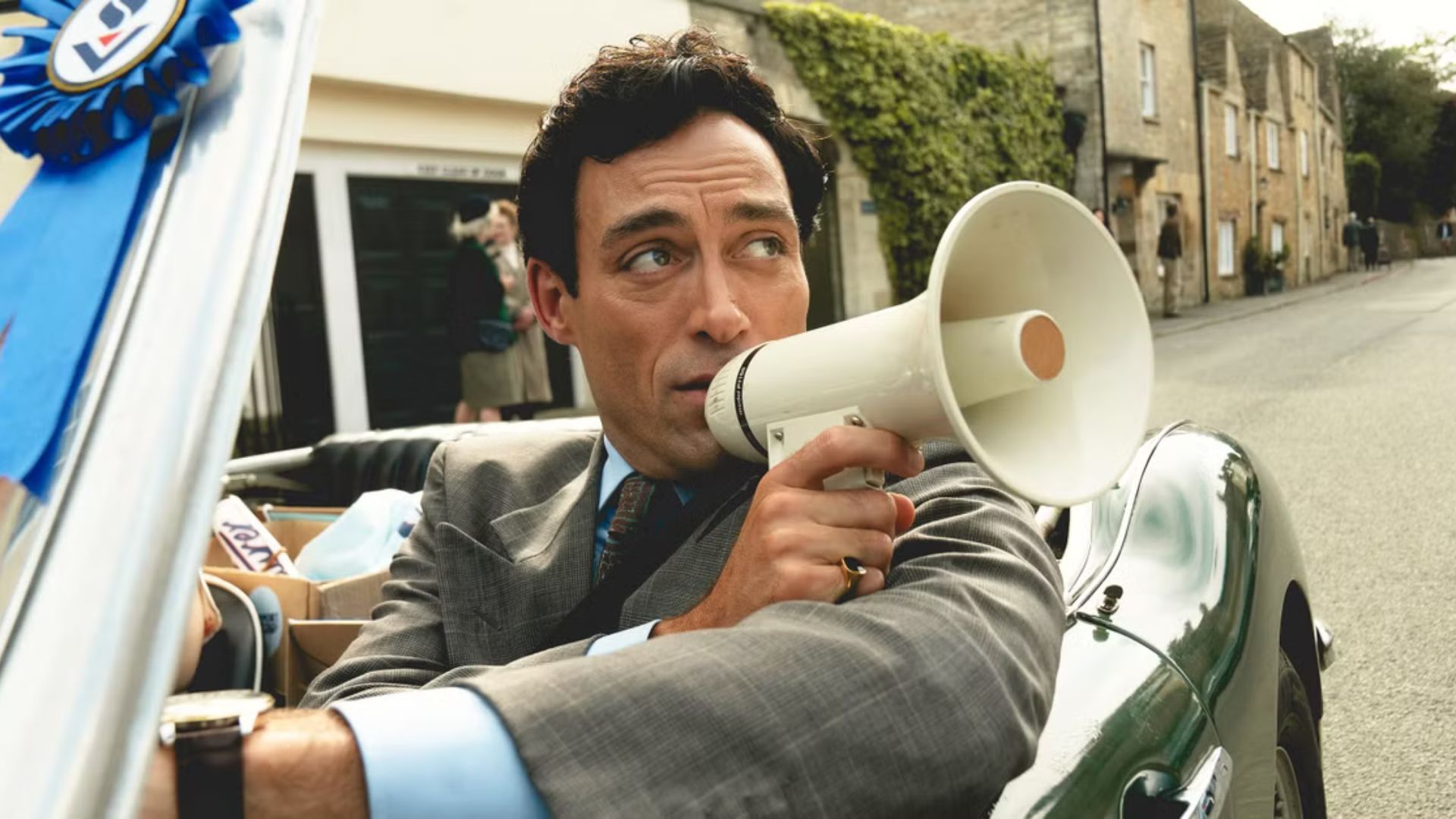
Tony Baddingham, meanwhile, has transcended the role of the standard antagonist. In season two, he is arguably more odious than ever, his machinations designed not merely to irritate, but to systematically dismantle the lives of Rupert, Cameron, and Declan (Aiden Turner). His quest for vengeance provides the narrative backbone of the season, though it often comes at the expense of the show’s previously established lighthearted tone.
Chronology of the Conflict
The trajectory of Rivals season 2 is a study in escalating stakes.
- The Aftermath: The season opens with the immediate psychological fallout of the season one finale. The investigation into the incident involving Tony Baddingham looms large, forcing characters into uncomfortable alliances and forced silences.
- The Erosion of Alliances: As the season progresses, the once-solid social fabric of Rutshire begins to tear. The power dynamics within the television industry and the local aristocracy shift, leaving characters like Declan and his family stranded in a landscape that no longer favors their traditional methods of influence.
- The Turning Tide: The mid-season pivot sees characters who were previously sidelined—most notably Monica (Claire Rushbrook)—begin to assert their autonomy. Monica’s departure from her submissive role, and her refusal to continue languishing in a marriage defined by Tony’s infidelity, marks the most significant character growth of the series thus far.
- The Future of the JCU: The season concludes by planting the seeds for what fans are calling the "Jilly Cooper Universe" (JCU). By drawing connections to the novel Polo—which bridges the gap between Riders and Rivals—the showrunners have signaled a desire to expand this world into a sprawling, interconnected television franchise.
Supporting Data and Creative Direction
Despite the shift in tone, the production values and commitment to the "Cooper aesthetic" remain industry-leading. The production of the majority of these episodes took place prior to Dame Jilly Cooper’s passing in October 2025, ensuring that her creative DNA is woven into the very fabric of the scripts.
While the show has been criticized for a decrease in the frequency of its hallmark steamy sequences, this is a deliberate creative choice. The characters are currently too preoccupied with fear, legal peril, and professional ruin to engage in the carefree antics of the past. For the audience, this creates a "missing energy" that is noticeable; the boisterous, unapologetic spirit of the series is quieter, perhaps more mature, but certainly less explosive.
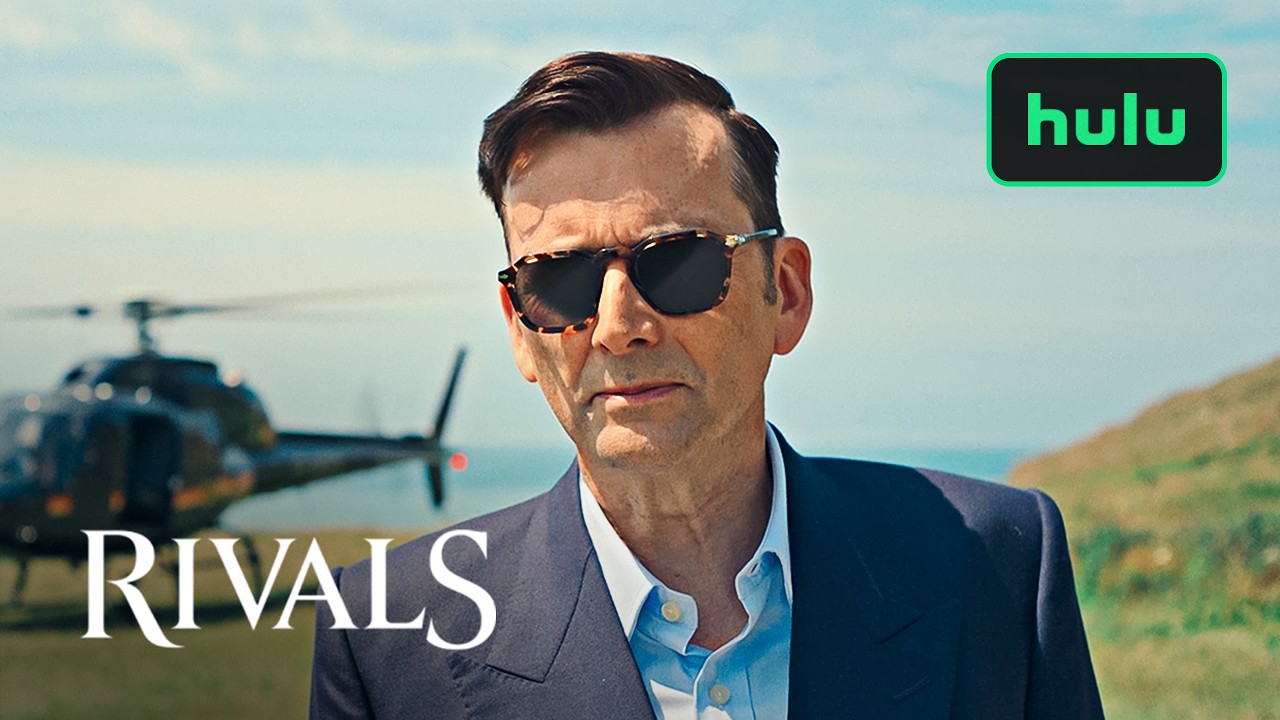
Furthermore, the performance of Emily Atack as Sarah provides a grounded, devastating counterpoint to the more flamboyant antics of the ensemble. Her solo storyline, which explores the quiet isolation of her character, serves as the emotional anchor of the season. Similarly, the ongoing, will-they-won’t-they dynamic between Lizzie and Freddie remains the most compelling subplot, offering a glimpse of genuine, if illicit, human connection in a world defined by transactional relationships.
Official Perspectives and Behind-the-Scenes Insights
The production team has been vocal about the necessity of this darker shift. In interviews, the creative leads have emphasized that if a show is to have longevity, its characters must evolve. To keep the residents of Rutshire in a state of perpetual, consequence-free hedonism would have eventually rendered the stakes meaningless.
"We wanted to see what happens when the champagne runs dry," noted one lead writer. The decision to move toward "clothes-on" conflict was intentional, designed to force the audience to engage with the characters’ intellects and motivations rather than just their appetites.
The legacy of Dame Jilly Cooper is treated with extreme reverence. Every narrative choice is vetted against the tone of the Rutshire Chronicles, with the production team frequently consulting the source material to ensure that while the medium has changed, the spirit remains consistent.
The Implications of the Shift
The pivot in Rivals season 2 carries significant implications for the future of prestige streaming dramas.
- Genre Evolution: By blending high-society drama with the gritty realities of professional, legal, and personal ruin, Rivals is attempting to redefine the "bodice-ripper" genre for a modern, streaming-first audience.
- The "Jilly Cooper Universe" (JCU): The overt teasing of a wider, interconnected universe suggests that we are moving toward an era where classic literary series are treated with the same narrative connectivity as superhero franchises. This has the potential to draw in a new demographic of viewers who are invested in the longevity of these stories.
- Audience Engagement: The "missing" energy—the reduction in the show’s signature risqué scenes—will likely be a point of contention among the core fanbase. However, the show is gambling that the depth of the character-driven narrative will ultimately prove more satisfying than the spectacle.
A Note on Trust and Evaluation
At TechRadar, we recognize that our readers rely on our expertise to guide their viewing habits in an increasingly crowded streaming market. Our evaluation of Rivals season 2 is based on hours of meticulous viewing, character analysis, and a comparative study of the source literature. We do not take our responsibility lightly; we understand that when you invest time in a series, you expect a certain level of narrative payoff.
While Rivals season 2 may feel like a slight step down in terms of raw, unadulterated fun compared to its predecessor, it is a necessary evolution. It is a show that is currently in a state of "reloading." It is laying the groundwork for a much larger, more complex, and ultimately more rewarding story.
Final Verdict: Is It Worth the Stream?
Is Rivals season 2 the most bashful, bawdy, and bonkers show on your dashboard? It absolutely is. While it lacks the sheer, dizzying highs of season one, it makes up for it in character depth and narrative ambition.

The minor characters who were once merely set dressing are now becoming the backbone of the story. The villains are more complex, the stakes are more tangible, and the world-building is reaching a scale that is truly impressive. While the lack of constant, high-octane hedonism might be a temporary disappointment for some, it is a clear sign of a show that is maturing, not failing.
If you are a fan of the Rutshire Chronicles, this season is an essential watch. It honors the past while fearlessly stepping into a more complicated future. We would put money on the fact that when the final episodes drop, the series will have picked up with a vengeance, solidifying its place as a cornerstone of modern television.
The web is indeed scandalous, and while the threads may be a bit more tangled than before, it is precisely that complexity that makes Rivals one of the most compelling dramas currently available. Don’t be fooled by the moments of despair—the show is simply setting the stage for its next big, bold, and entirely necessary act.












No comments yet. Be the first to join the conversation!