

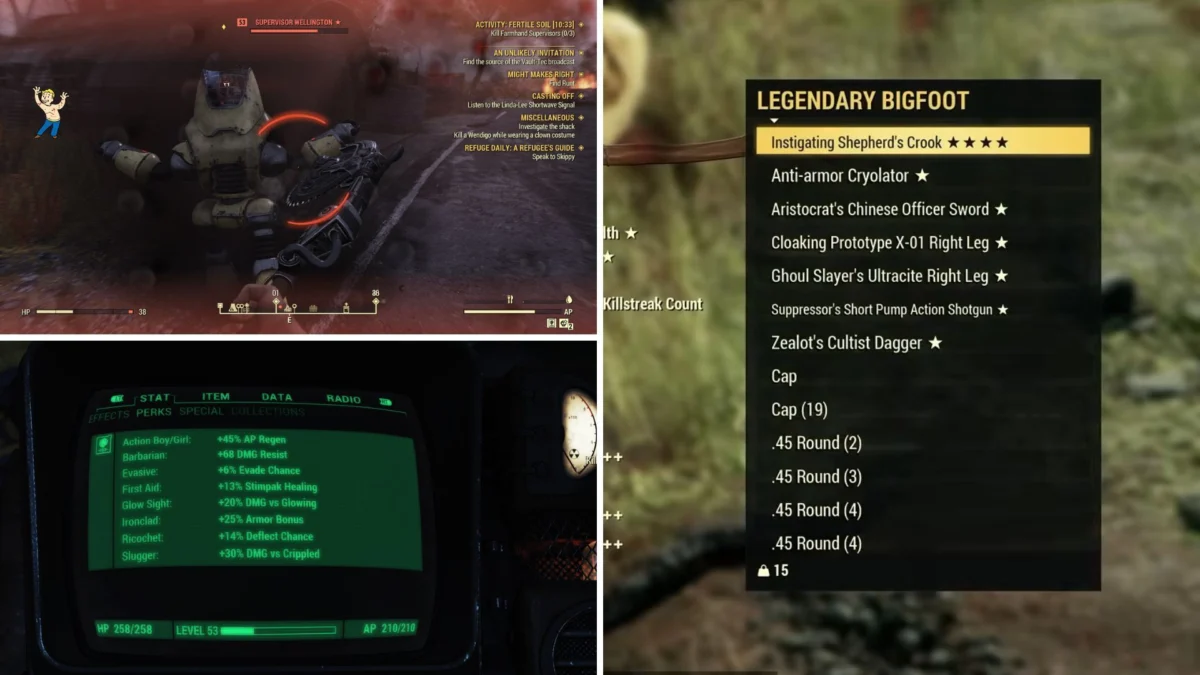
Eight years after its turbulent debut in 2018, Fallout 76 stands as a testament to the power of persistent development. What began as a controversial experiment in multiplayer survival has blossomed into a thriving digital ecosystem, continuously bolstered by Bethesda Game Studios’ commitment to long-term support. In March 2026, the release of the game’s 26th major update, titled "The Backwoods," marked a significant turning point in the title’s lifecycle. Building upon the momentum of the "Burning Springs" update—which famously expanded the game’s geographical horizons into the wilds of Ohio—The Backwoods serves not merely as a content drop, but as a comprehensive refinement of the game’s core mechanics.
The Evolution of a Wasteland: A Chronological Perspective
The trajectory of Fallout 76 is a masterclass in post-launch redemption. Since its launch in November 2018, the game has weathered technical instability and mixed community reception to become a staple of the live-service RPG genre.
The journey from the base game to the current "Backwoods" era has been defined by systematic expansion. Early updates focused on stability and the introduction of human NPCs, which fundamentally changed the narrative texture of Appalachia. By 2025, the "Burning Springs" update introduced new regional maps, pushing the boundaries of the playable world and providing veterans with fresh territory to explore. Now, in May 2026, The Backwoods arrives as a structural overhaul, focusing on user experience, quality-of-life adjustments, and the integration of dynamic, high-stakes endgame encounters.
Redefining Activity and Engagement: Time-Based Mechanics
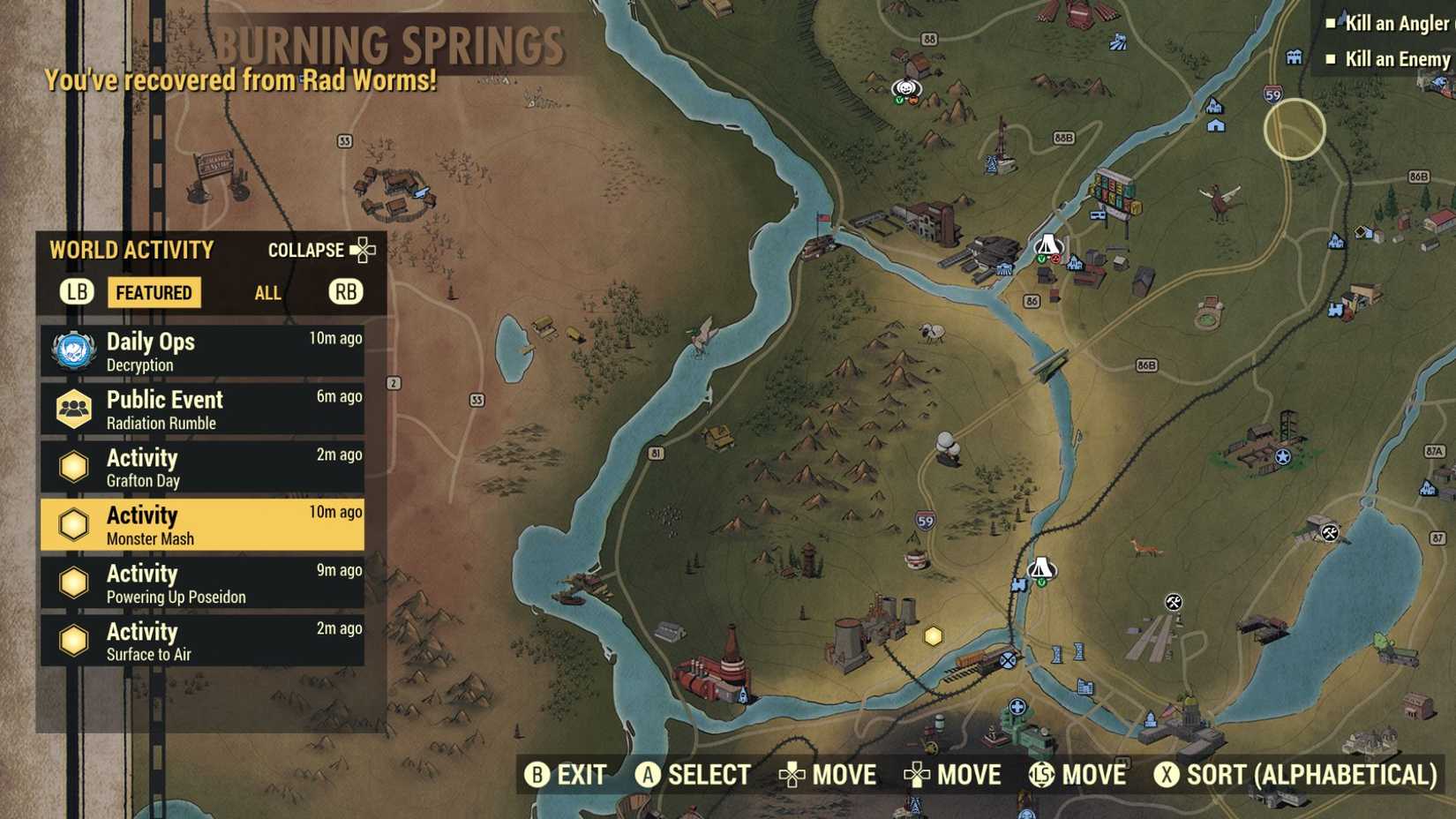
One of the most profound shifts introduced in The Backwoods is the reclassification and optimization of Public Events. For long-term players, these events serve as the lifeblood of the endgame, providing necessary resources and legendary gear. However, the previous system often relied on player initiation, which could lead to lulls in action.

Bethesda has now rebranded several core Public Events as "Activities." This is more than a linguistic change; it is a mechanical one. These activities now function on a rotating, automated timer, spawning randomly every 10 minutes. This shift ensures that the world of Appalachia feels constantly alive and occupied, removing the barrier of entry for players looking for immediate combat and objectives. While specific, high-intensity events like Riding Shotgun maintain a 20-minute repetition window to preserve their unique value, the general landscape of the game now feels far more dynamic.
Inventory Management: Solving the "Bloat" Problem
Inventory management has historically been the primary antagonist of every Fallout 76 player. The sheer volume of scrap, munitions, and legendary items can quickly overwhelm a player’s carry capacity, leading to the dreaded "overburdened" status that halts gameplay momentum.
The Backwoods update addresses this through a aggressive streamlining of reward pools. Previously, public events were notorious for dumping random ammo types into player inventories—supplies that were often incompatible with the player’s specific build. This added unnecessary weight and clutter. Bethesda has now removed random ammo rewards from these events, replacing them with a more focused set of necessities: Caps, Legendary Modules, Treasury Notes, and Experience. By shifting the focus toward high-value, low-weight rewards, the update successfully mitigates inventory bloat, allowing players to spend more time exploring and less time managing a cluttered Pip-Boy.
Legendary Perks and Build Flexibility
The diversity of character builds is a cornerstone of the Fallout experience, and the Legendary Perk system is vital to this depth. However, the system previously penalized experimentation; players had to spend precious Perk Coins to remove or swap Legendary Perks, effectively discouraging the dynamic adaptation of one’s playstyle.
With the latest update, that cost has been completely removed. Players can now swap their Legendary Perks free of charge, encouraging them to test new synergies and adapt their builds to specific combat scenarios or team compositions. This change fosters a more creative and experimental community, where players are no longer locked into a single build path out of fear of wasting resources.
Power Armor: Weightless Ambitions
Power Armor is the iconic symbol of the Fallout franchise, but in Fallout 76, it has traditionally been a logistical nightmare. The weight of a full suit—let alone multiple chassis—often forced players to sacrifice utility for protection.
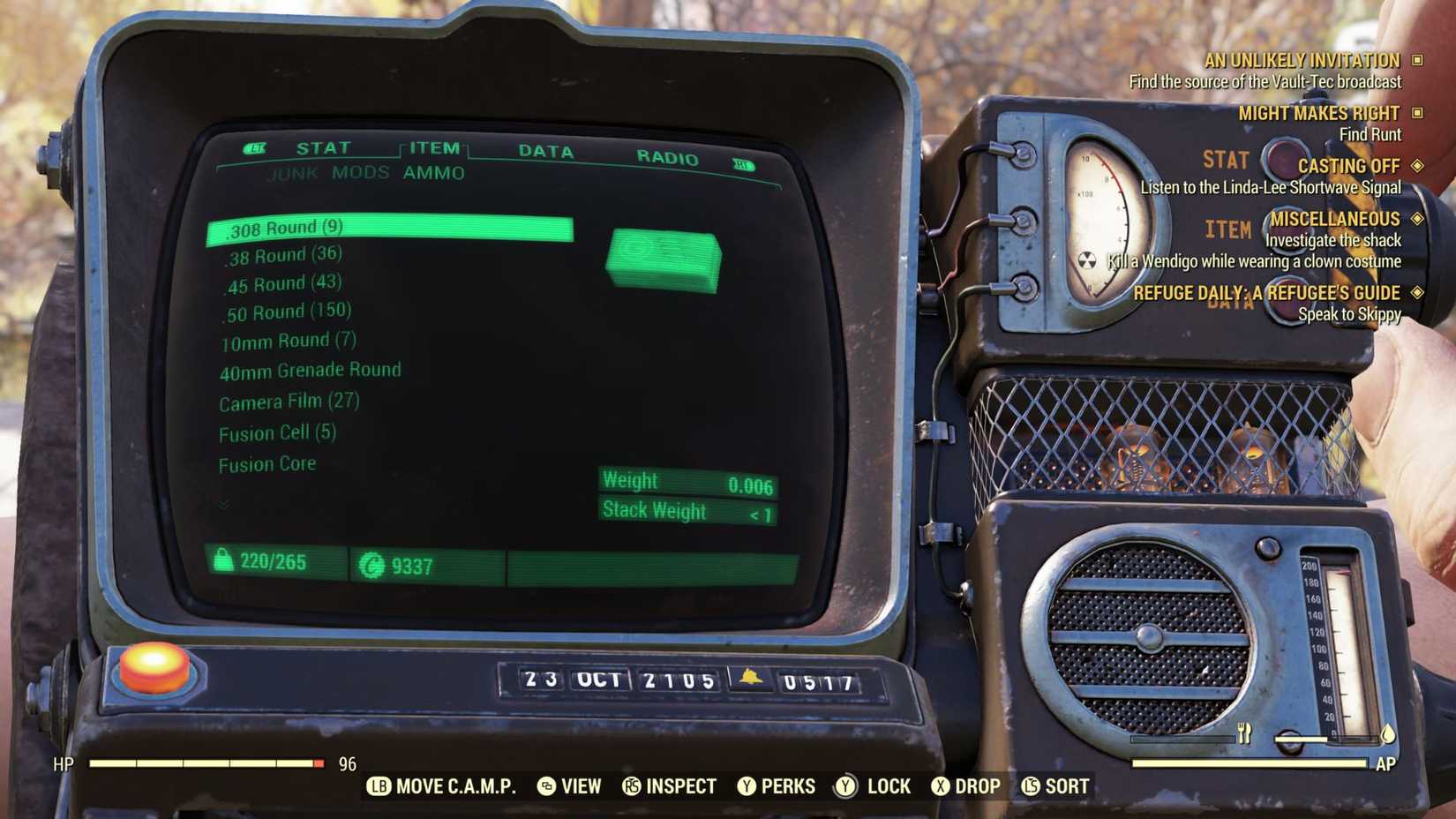
The Backwoods update introduces a significant reduction in the weight of Power Armor components. Many pieces now weigh approximately 1.5 pounds, a massive decrease from previous values. While Bethesda has balanced this by making the weight of the armor matter while it is equipped, the ability to carry multiple sets or spare parts without sacrificing inventory space is a game-changer for those who rely on specialized armor for different combat threats.
Interface and Utility: The Streamlined Pip-Boy
The Pip-Boy is arguably the most famous interface in gaming history, but it has occasionally suffered from latency and navigation issues in Fallout 76. Under heavy load, the menu could stutter, frustrating players in the heat of battle.
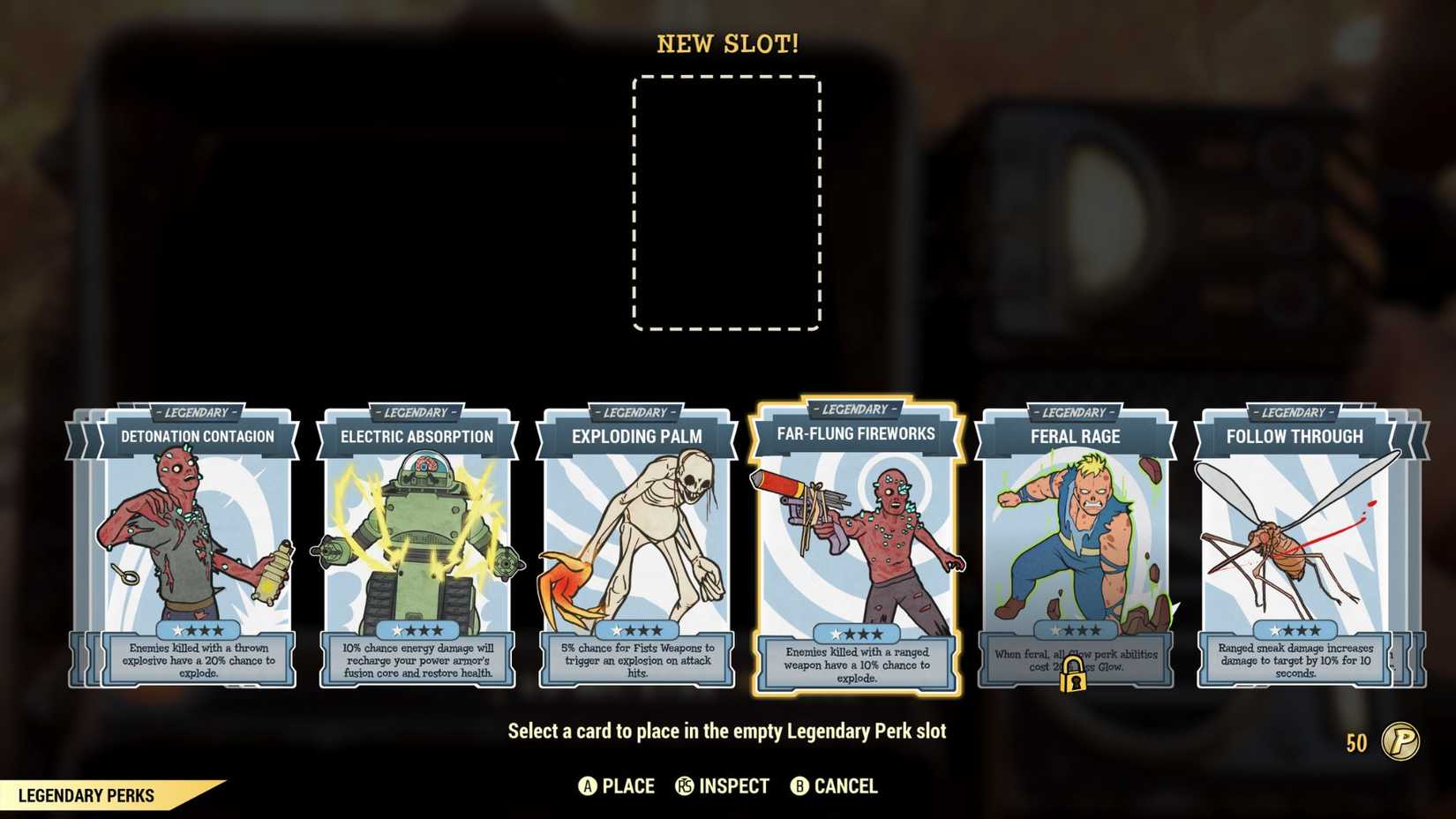
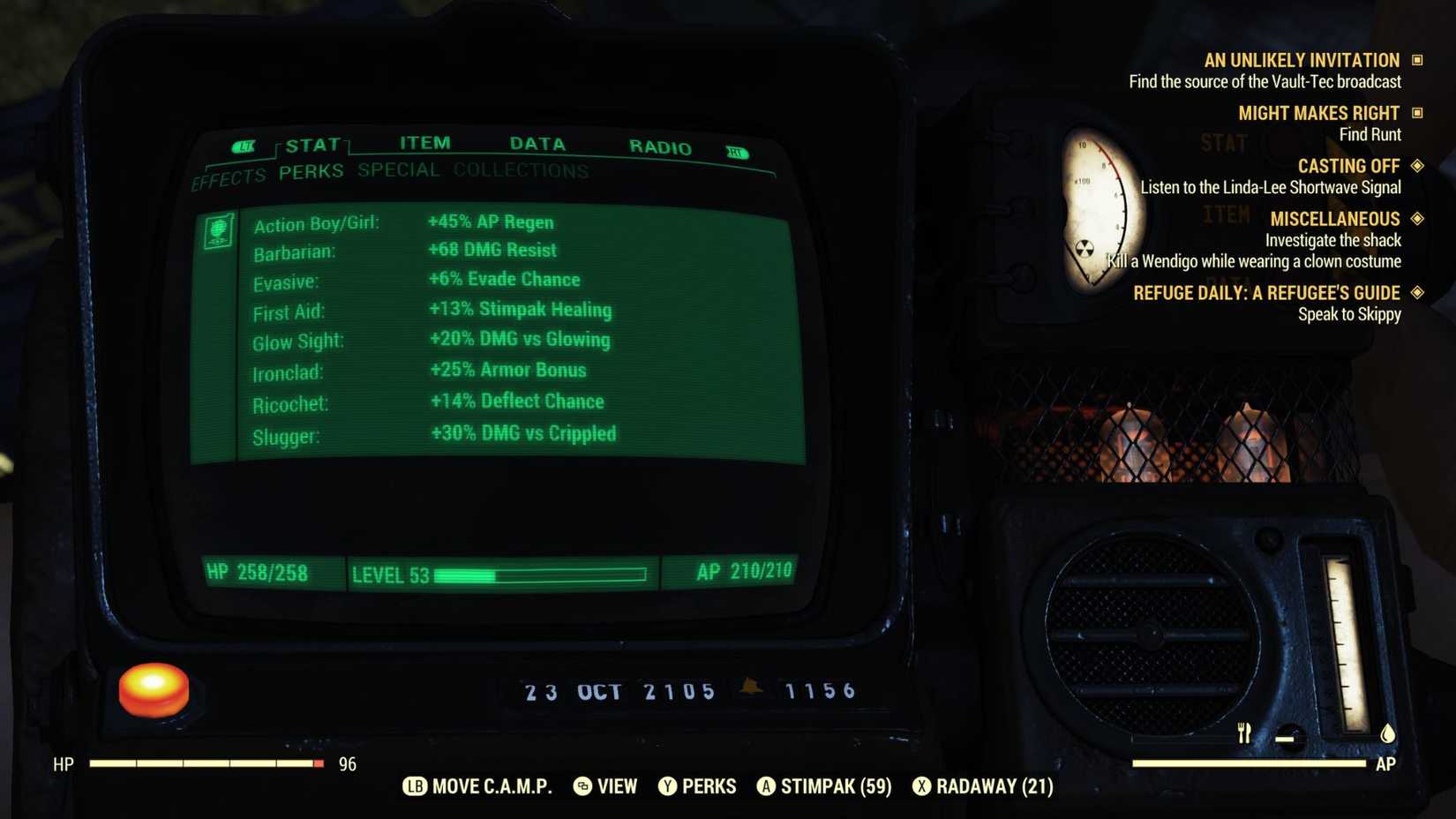
The 26th update includes significant under-the-hood optimizations to the Pip-Boy’s performance. Navigation is now snappier, and the UI has been reorganized to provide clearer information. Notable additions include:
- A Comprehensive Buff Screen: A dedicated section that displays all active buffs and status effects, eliminating the need to guess which chems or perks are currently in play.
- The Recipe Book: A new inventory tab that consolidates all known plans and recipes, preventing them from clogging the "Notes" section of the inventory.
- Quest-Driven Navigation: A refined quest section that provides specific geographic markers for areas linked to active quests, making navigation across the vast map far more intuitive.
The "Uninvited Guests": Elevating the Challenge
Perhaps the most exciting addition to the gameplay loop is the "Uninvited Guests" system. Previously, once an event concluded, the sense of urgency would dissipate as players dispersed. Now, there is a distinct possibility that completing an event will trigger an arrival of one of six powerful, "uninvited" creatures.
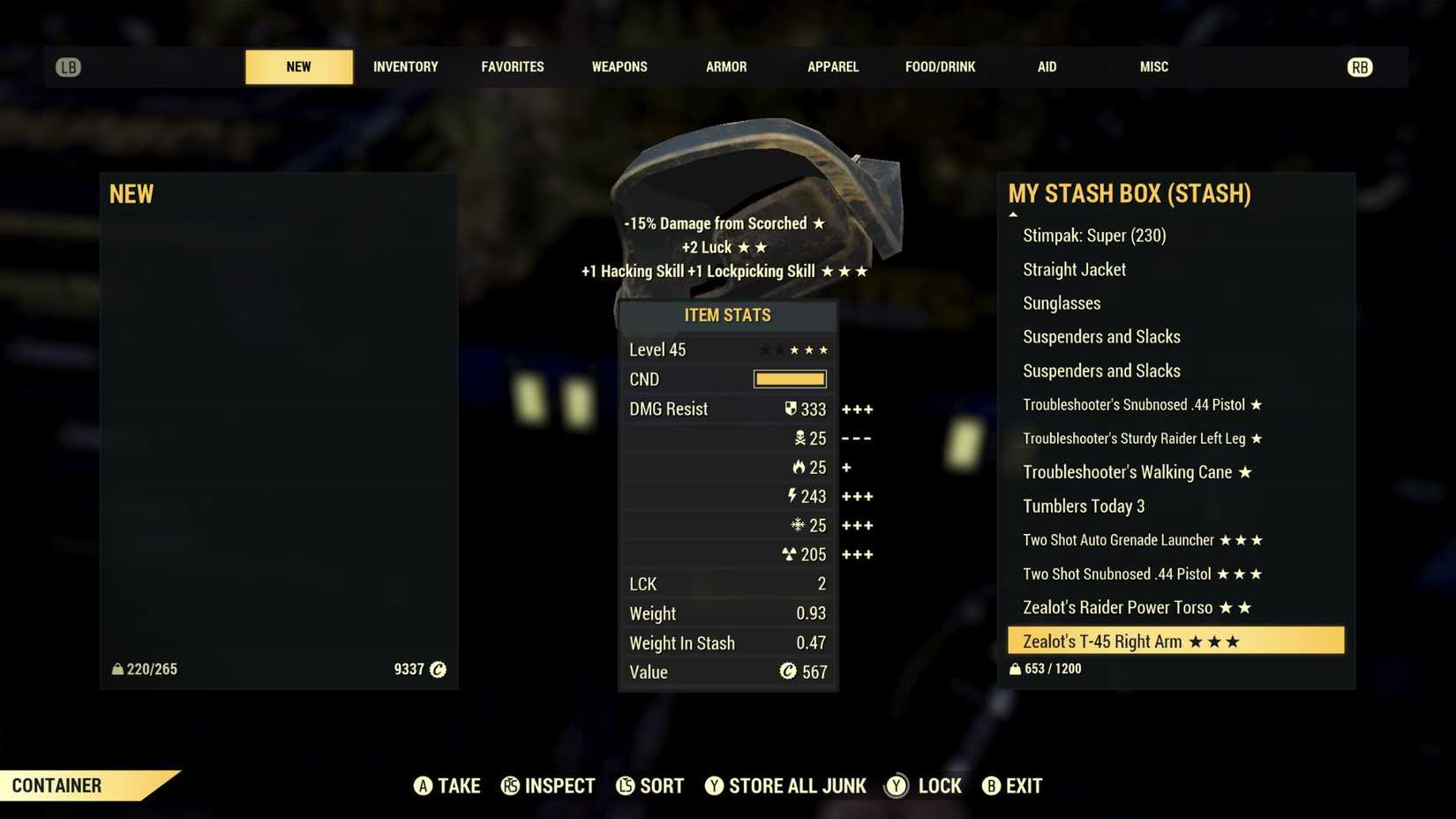
These are not standard enemies; they are significant threats—including the Storm Goliath, the Mirelurk Queen, and the Wendigo Colossus—that demand teamwork and tactical precision. This system ensures that the end of an event is not the end of the excitement, but rather a potential prelude to a chaotic, high-stakes boss encounter.
Leading the charge of these threats is the new, 4-star legendary cryptid: Bigfoot. Unlike other cryptids that often function as "one-hit wonders," Bigfoot is a mechanical marvel designed to apply constant pressure. With unique abilities, such as launching ticks and aggressively charging player groups, Bigfoot forces players to adapt their strategies in real-time. It is a welcome addition for veteran players who have long sought enemies that require more than just mindless DPS to defeat.
Official Responses and Community Implications
Bethesda’s shift toward a more player-friendly, "frictionless" experience has been met with widespread approval from the Fallout 76 community. Developers have noted that the goal of the 26th update was to "honor the time investment of the player base." By removing the arbitrary penalties associated with inventory management and perk swapping, the studio has signaled a shift toward a more modern, respectful live-service philosophy.
The implications for the game’s future are significant. By prioritizing quality-of-life and dynamic encounters, Fallout 76 has positioned itself to retain its core audience while simultaneously becoming more accessible to newcomers. The "Backwoods" update proves that eight years into its lifespan, the game is still capable of evolving. It is no longer just about survival in a post-apocalyptic wasteland; it is about thriving in a world that is finally, after years of work, operating at its full potential.
As players continue to uncover the secrets of the new cryptids and experiment with their newly flexible perk builds, one thing is clear: the wasteland has never been more vibrant, dangerous, or rewarding. Bethesda has successfully turned the page on the "experimental" phase of Fallout 76, cementing its place as a cornerstone of modern open-world multiplayer gaming.











No comments yet. Be the first to join the conversation!