Nila Kartika Wati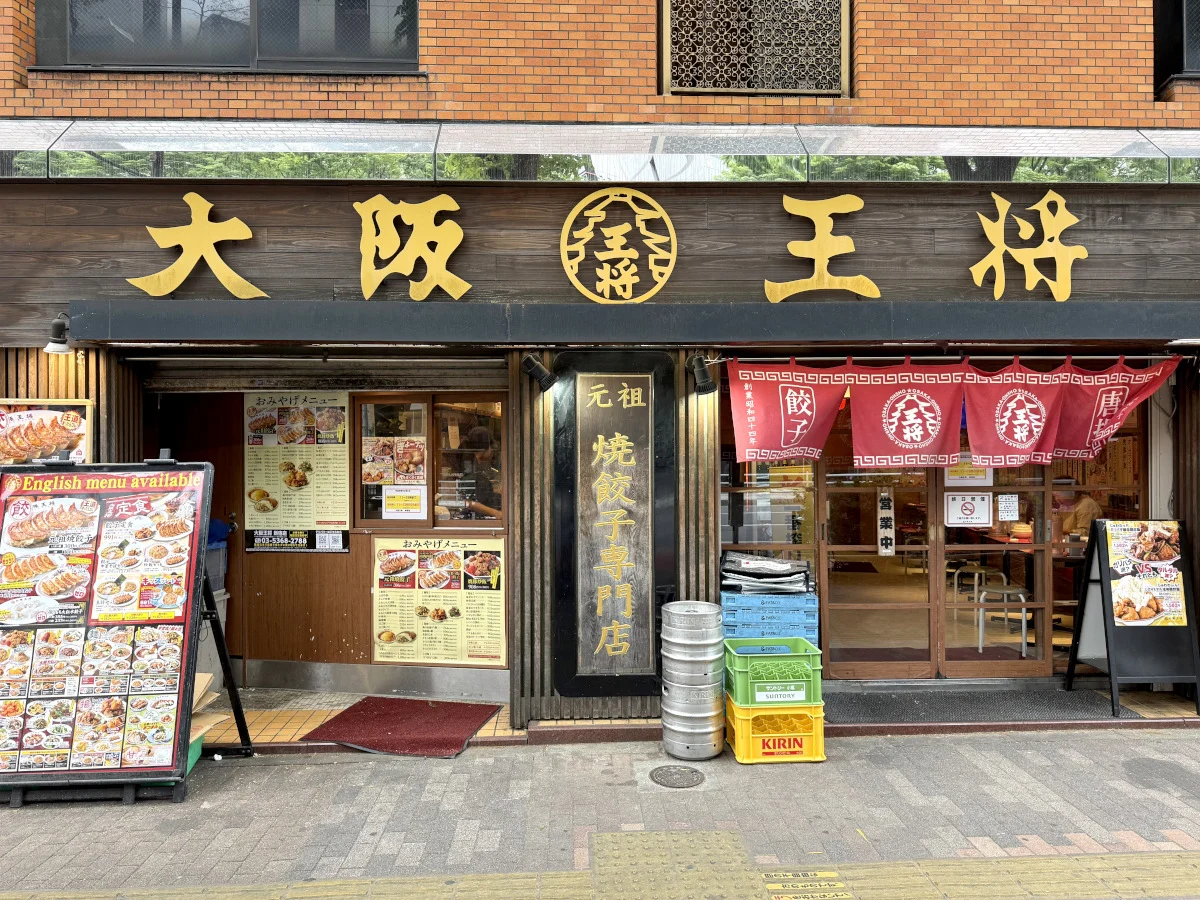
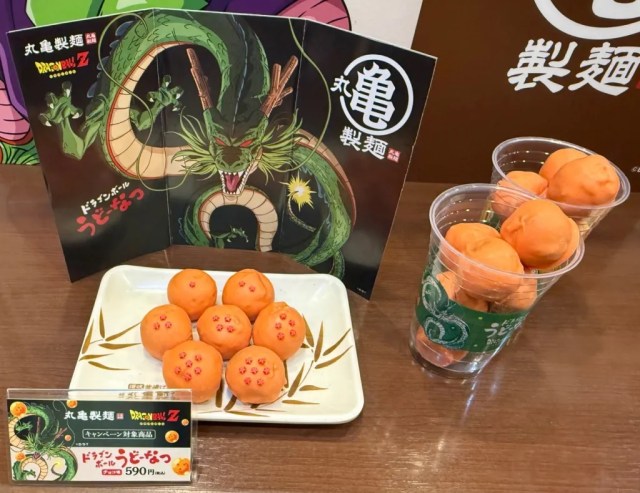
In the ever-evolving landscape of Japanese "fusion" cuisine, few things are as predictable as the country’s penchant for turning traditional savory staples into unconventional, handheld sweets. Following the viral success of the udon-flour-based "Udonuts" by the noodle giant Marugame Seimen—which saw a staggering one million servings sold within just six days of its debut—the nation has a new, even more audacious contender for the title of "trendiest snack": the Gyonut.
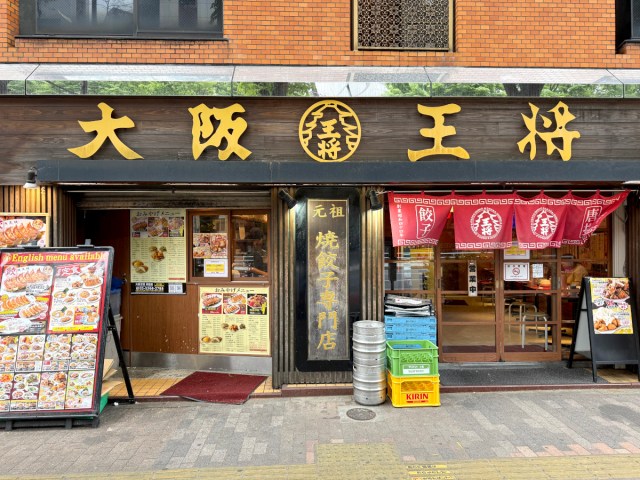
Produced by the Japanese-Chinese restaurant chain Osaka Ohsho, these "Gyoza Doughnuts" represent a bold, genre-bending experiment that bridges the gap between a dessert pastry and a neighborhood dumpling shop. As global food trends lean toward sustainable, waste-conscious eating, the Gyonut has emerged not just as a novelty, but as a potential case study in how major food chains can repurpose ingredients to delight consumers and minimize their ecological footprint.
The Genesis of the Gyonut: A Culinary Hybrid
The name "Gyonut" (or Gyonatsu in Japanese) is a playful portmanteau of "gyoza" and "doughnut." However, the product is far more than a linguistic gimmick. Developed by Osaka Ohsho, a staple of the Japanese dining scene famous for its signature pan-fried dumplings, the Gyonut is a structural marvel.
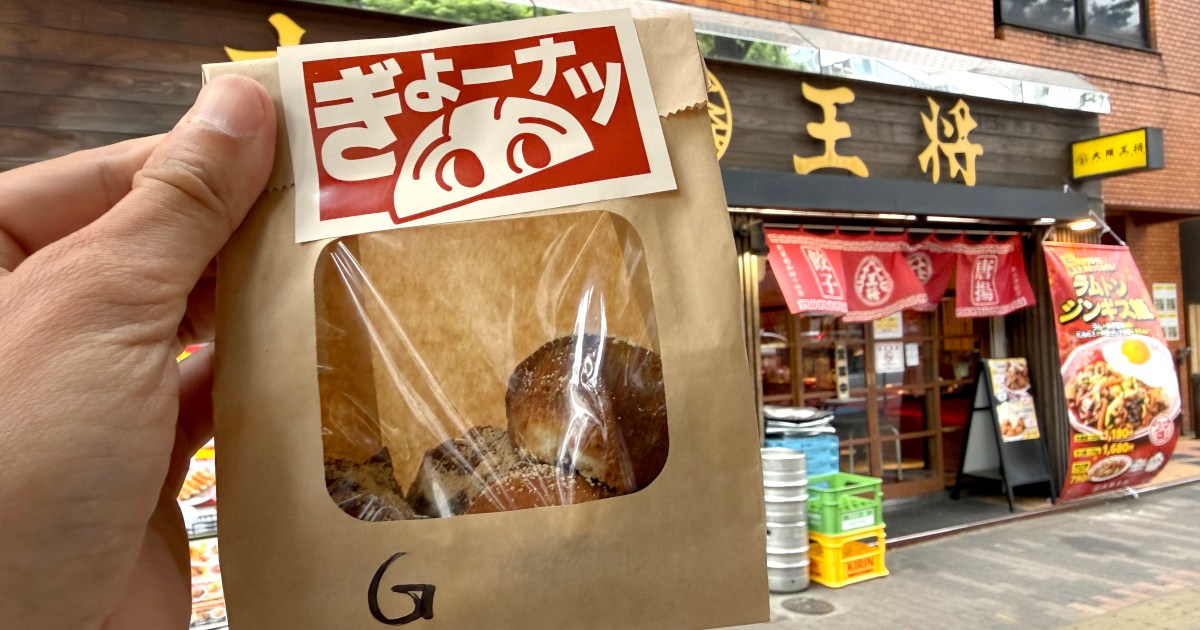
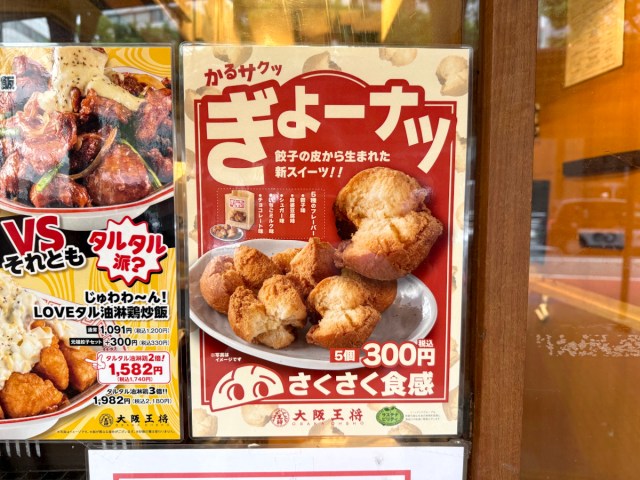
Unlike traditional yeast-raised doughnuts, these treats are crafted using a combination of gyoza wrappers and croissant dough. This unconventional base provides a complex, multi-layered texture. The gyoza skins, when deep-fried, contribute a crisp, firm exterior that mirrors the crunch of a perfectly pan-seared dumpling, while the croissant dough lends a buttery, flaky, and airy interior.
The project originated as an initiative to combat food waste. By utilizing surplus gyoza wrappers—a common byproduct in high-volume production facilities—Osaka Ohsho has successfully diverted potential landfill waste into a commercially viable, high-demand product.
Chronology of the Trend
The journey of the Gyonut began as a quiet internal experiment before making its way into the competitive Japanese street food market.
- Initial Development: Recognizing the success of other "noodle-based" sweets, product developers at Osaka Ohsho began testing the durability of gyoza wrappers under high-heat frying.
- Market Testing: Limited test runs were conducted late last year to gauge customer reaction to a savory-sweet hybrid. Initial reports indicated that consumers were hesitant about the concept but were quickly converted upon tasting.
- The Rollout: Following the positive feedback, the chain initiated a wider release, positioning the Gyonuts as a "freshly fried-to-order" experience.
- The Viral Peak: By May 2026, the Gyonuts had achieved cult status. Similar to the trajectory of Marugame Seimen’s Udonuts—which even secured a high-profile collaboration with the Dragon Ball Z franchise—the Gyonuts have become a social media phenomenon, with influencers and food critics flocking to Osaka Ohsho locations to document the bizarre flavors.
A Spectrum of Flavors: From Sugar to Mapo Tofu
Perhaps the most polarizing aspect of the Gyonut is its flavor profile. Osaka Ohsho has moved beyond the safe harbor of cinnamon and glazed sugar, offering a range that tests the boundaries of the human palate.
The Traditionalists
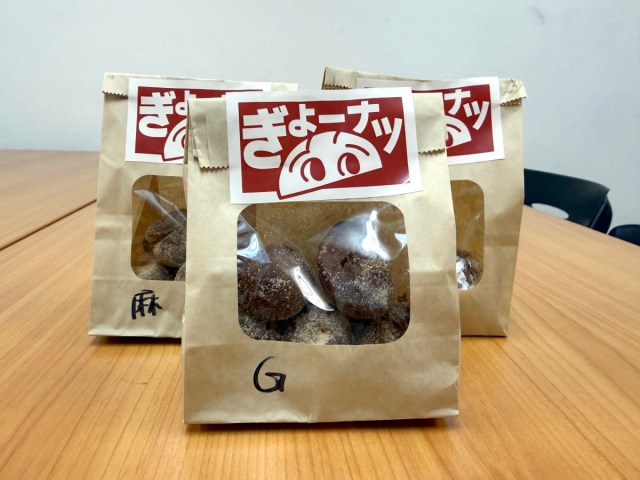
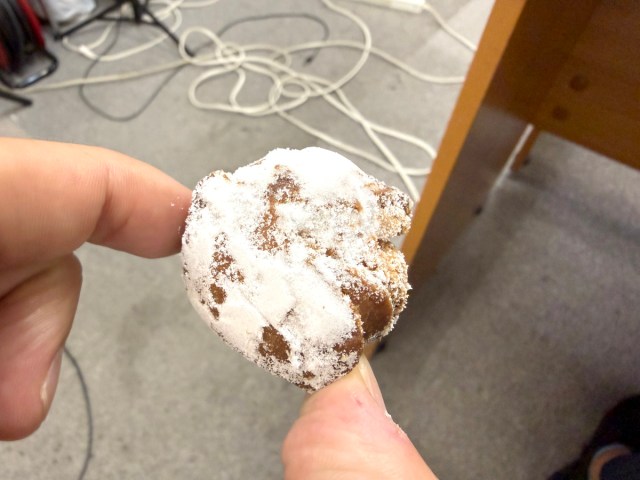
The Sugar variety serves as the gateway for the uninitiated. It offers a mellow, consistent sweetness that highlights the structural integrity of the doughnut. Its texture is frequently compared to Sata Andagi, the Okinawan specialty doughnut, which is known for its firm, crunchy exterior and fluffy, cake-like center.
The Adventurous
The true shock value, however, comes from the savory-leaning options:
- Gyoza: This variety aims to replicate the experience of eating a dumpling in pastry form. The seasoning mimics the garlic, chive, and ginger profile of a standard Osaka Ohsho dumpling, creating a sensory dissonance that users describe as both confusing and addictive.
- Mapo Tofu: Perhaps the most daring of the lineup, this flavor utilizes a specialized seasoning powder that captures the numbing spice (mala) of the traditional Sichuan dish. When paired with the fried dough, it creates a "meal-as-dessert" experience that is entirely unprecedented in the global doughnut market.
- Strawberry Milk and Chocolate: For those who prefer a more conventional dessert experience, these flavors provide a necessary balance to the savory menu, utilizing the same unique dough structure to deliver a classic sugar rush.
Data and Consumer Insights
Sold in packs of five for 300 yen (approximately $1.92 USD), the pricing strategy is intentionally accessible, encouraging trial among students, office workers, and tourists.
The "made-to-order" nature of the product is a critical component of its success. While the preparation time is longer than a pre-packaged snack, the promise of a piping-hot, freshly fried doughnut acts as a significant value proposition. According to internal reports from Osaka Ohsho, the repeat-purchase rate for the Gyonut is significantly higher than for their standard side dishes, suggesting that the "novelty" factor is being superseded by a genuine appreciation for the flavor profile.
Implications for the Global Fast-Food Industry
The emergence of the Gyonut highlights several shifting paradigms in the Japanese food industry:
1. The "Waste-to-Value" Movement
Major chains are under increasing pressure to demonstrate sustainability. By turning gyoza skins—an ingredient that would otherwise be discarded—into a profitable snack, Osaka Ohsho provides a blueprint for circular economics in the food service sector. It is a win-win: the company reduces waste management costs, and the customer receives a high-quality product at a low price point.
2. The Erosion of Culinary Categories
The success of Gyonuts and Udonuts indicates that the Japanese consumer is becoming increasingly comfortable with the dissolution of traditional food categories. The rigid distinction between "main course" and "dessert" is fading. When a product tastes like Mapo Tofu but possesses the texture of a doughnut, it challenges the consumer to engage with their food in a more thoughtful, analytical way.
3. The Power of "Instagrammable" Innovation
In a crowded market, novelty is a primary driver of foot traffic. The Gyonut satisfies the modern desire for "shareable" content. The absurdity of a "Gyoza-flavored doughnut" is a marketing engine in itself, driving organic reach that traditional advertising campaigns could never achieve.
Official Stance and Future Outlook
Osaka Ohsho has maintained a relatively humble stance, framing the Gyonut as a "playful experiment" rather than a permanent menu staple. However, the operational commitment required to keep these products fresh suggests that they are here to stay for the foreseeable future.
For foreign visitors, the Gyonut represents the quintessential "only in Japan" experience. It is a testament to the country’s willingness to experiment, fail, and ultimately reinvent culinary norms. Whether the Gyonut becomes a global export remains to be seen, but for now, it stands as a fascinating intersection of food science, waste reduction, and the sheer joy of the unexpected.
As reporter Seiji Nakazawa noted after his own tasting, "The flavors are so strong and punchy that they completely rewrite your expectations of what a pastry should be. It is a reminder that in the land of the rising sun, the culinary rulebook is merely a suggestion."
Whether you are a lover of savory dumplings or a devotee of sweet fried dough, the Gyonut offers a bridge between the two worlds—one that is crispy, hot, and undeniably, uniquely Japanese.


 Neng Nana
 Asro
Asro