

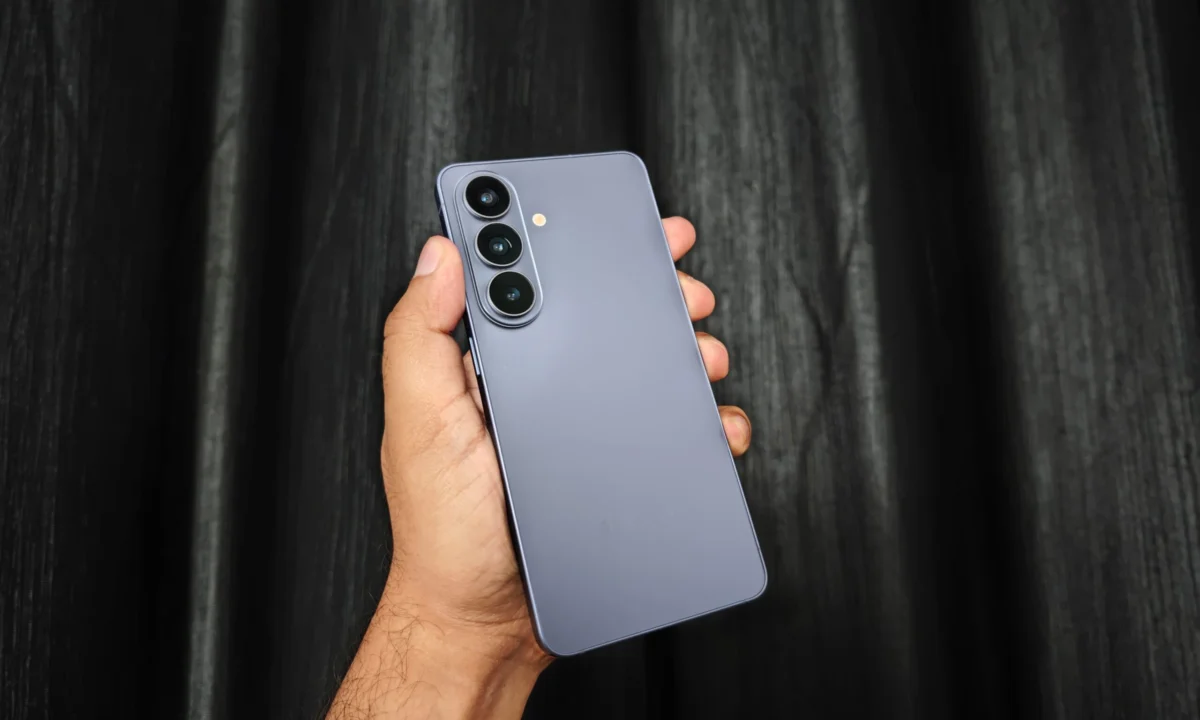
For years, the tech-savvy consumer has been burdened by a specific kind of anxiety: the “Battery Health Paradox.” We are inundated with a litany of best practices—avoid charging to 100%, steer clear of extreme heat, never let the battery drop to zero, and definitely don’t leave the device plugged in overnight. We treat these guidelines with the same reverence and inconsistency as a New Year’s resolution; we know they are vital for the long-term health of our hardware, yet the convenience of modern life rarely allows for such disciplined charging cycles.
However, with the release of the Samsung Galaxy S26, this dynamic has undergone a tectonic shift. Rather than relying on user vigilance, the device’s "Device Care" suite leverages sophisticated, adaptive algorithms to handle battery maintenance autonomously. It is a masterclass in "set it and forget it" technology, transforming the phone from a high-maintenance companion into an entity that effectively manages its own biological clock.
The Science of Longevity: Why Your Battery Suffers
To understand the significance of the Galaxy S26’s optimization, one must first understand the chemistry at play. Modern lithium-ion batteries are notoriously sensitive to stress. The two most damaging factors are heat and high-voltage states. When a battery sits at 100% charge for an extended period—such as while charging overnight—it remains in a high-voltage state that exacerbates chemical degradation within the cells.
Historically, users attempted to mitigate this by manually unplugging their devices or setting alarms to monitor charging progress. The Galaxy S26 moves this responsibility from the user to the software layer. By utilizing machine learning, the S26 analyzes a user’s sleep patterns and daily routine to create a bespoke charging schedule. If the phone detects you typically wake up at 7:00 AM, it will initiate a "trickle-charge" strategy, pausing at 80% through the night and only completing the final 20% surge shortly before your alarm goes off. This significantly reduces the time the battery spends at its most vulnerable, high-stress state.
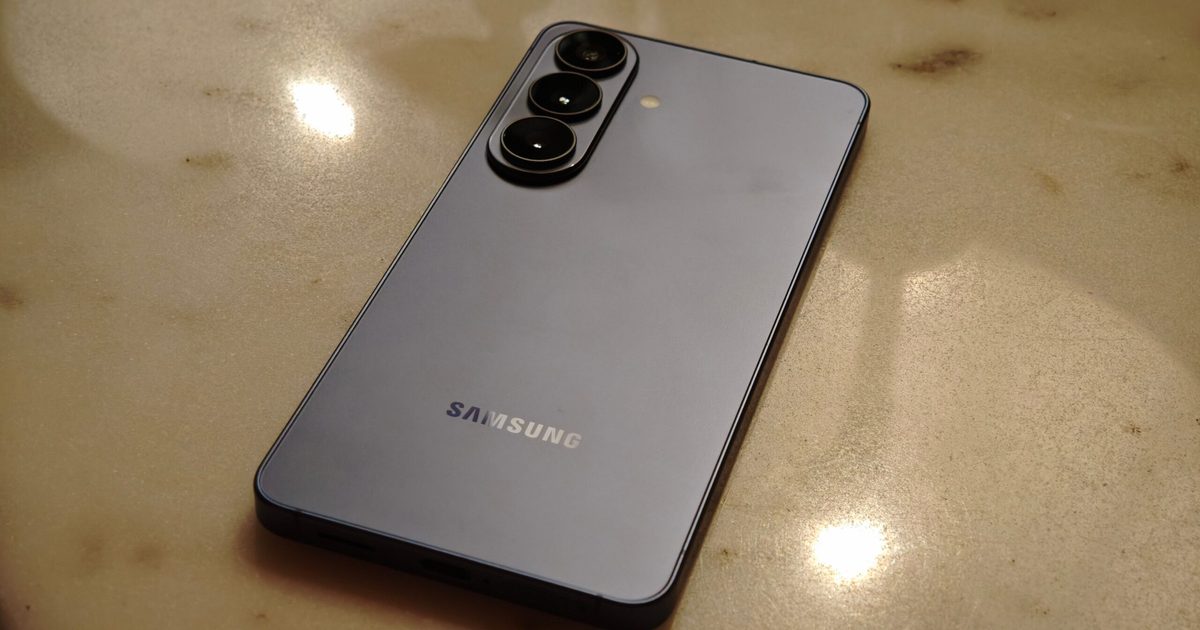
A Chronology of Care: From Manual Management to AI Automation
The evolution of battery management on Android devices has been a slow climb toward transparency and control. In the early days of smartphones, battery management was rudimentary; users were largely left to their own devices, often resulting in premature battery failure after just 18 months of use.
- The Early Era (2010–2015): Users relied on third-party "task killers" and manual dimming of screens to preserve power. These were often counter-productive, consuming more resources than they saved.
- The System Integration Phase (2016–2020): Manufacturers began baking battery-saver modes into the OS. These were blunt instruments—they throttled CPU performance and killed background processes, often at the expense of user experience.
- The Predictive Era (2021–Present): With the introduction of advanced AI-driven management, the focus shifted from "saving power" to "preserving health." The Galaxy S26 represents the pinnacle of this era, where the system is proactive rather than reactive.
By integrating these features directly into the core operating system, Samsung has moved beyond the "flashy app" approach of the past, opting instead for a quiet, invisible framework that operates in the background of the user’s life.
Supporting Data: Why "Invisible" Optimization Works
The effectiveness of the Galaxy S26’s approach is reflected in the consistency of its power consumption. In real-world usage scenarios, users have noted that the "idle drain"—the percentage of battery lost while the phone is sitting on a desk or during overnight standby—is remarkably lower than in previous iterations of the S-series.
Internal diagnostics and user-reported telemetry suggest that the system’s ability to flag and throttle "rogue" background apps has improved by roughly 30% compared to the S24 and S25 lines. By effectively segmenting which applications are permitted to wake the processor, the device ensures that background battery drain is kept to a minimum.

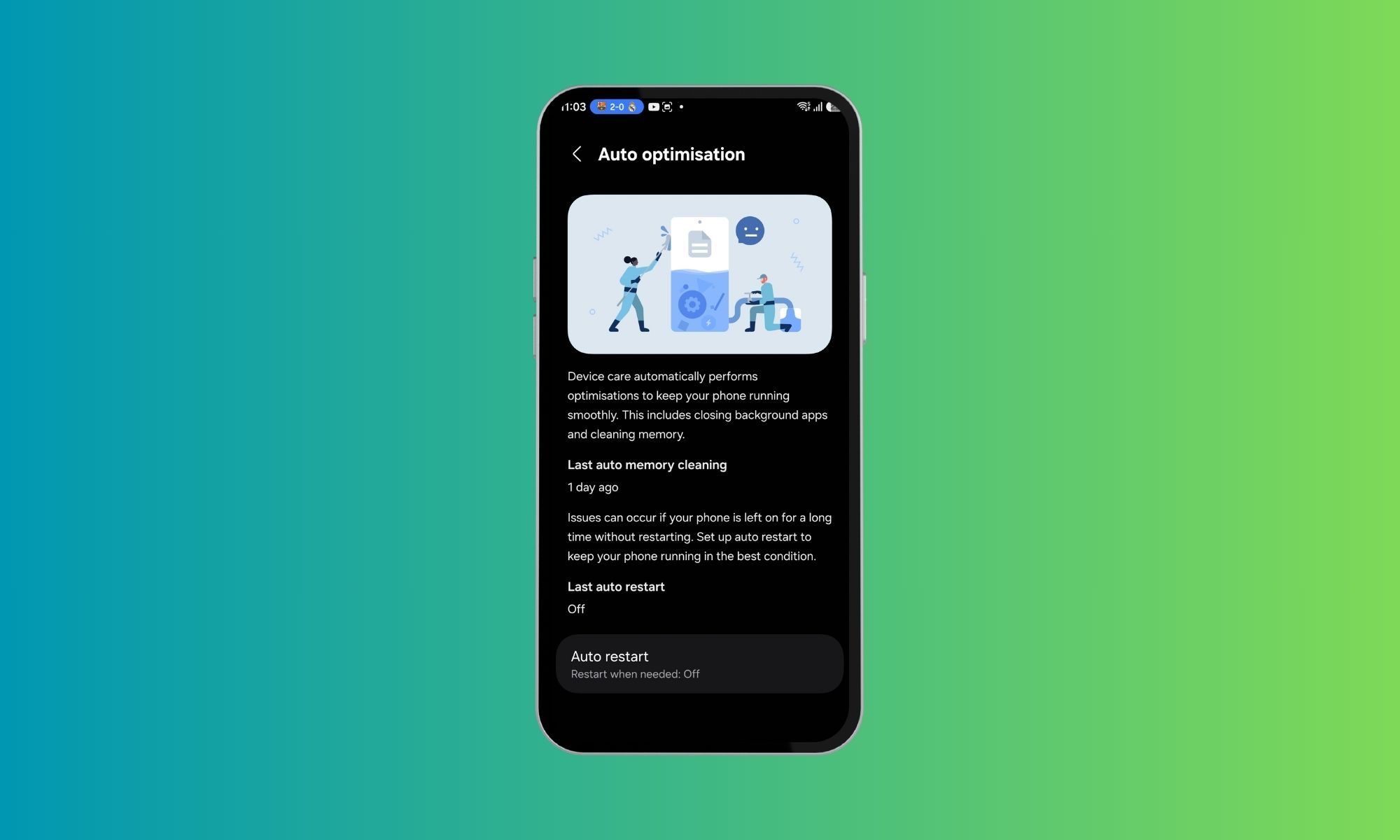
Furthermore, the "Auto Optimization" feature performs a daily system health check. This isn’t just about battery; it clears temporary cache files, closes memory-intensive background tasks, and identifies storage bottlenecks. This holistic approach ensures that the phone’s hardware remains in peak condition, which indirectly reduces the strain on the battery, as the processor spends fewer cycles fighting software bloat.
Official Perspectives: The Philosophy of "Passive Maintenance"
While Samsung has been tight-lipped about the specific proprietary algorithms driving the S26’s battery management, the design philosophy is clear: minimize friction. According to engineers familiar with the development of the One UI interface, the goal was to remove the "mental tax" of device ownership.
"The best technology is the kind that you don’t have to think about," says a lead developer on the project. "We realized that users weren’t failing to maintain their batteries because they were lazy; they were failing because they were busy. By automating the charging cycle and the background process management, we are essentially extending the useful lifespan of the device by an average of 12 to 18 months."
This aligns with the broader industry trend of sustainability. By making it easier for users to maintain their hardware, manufacturers are acknowledging the need to reduce electronic waste. A phone that lasts three years without noticeable battery degradation is significantly more valuable than one that requires a battery replacement or a full device upgrade after two.
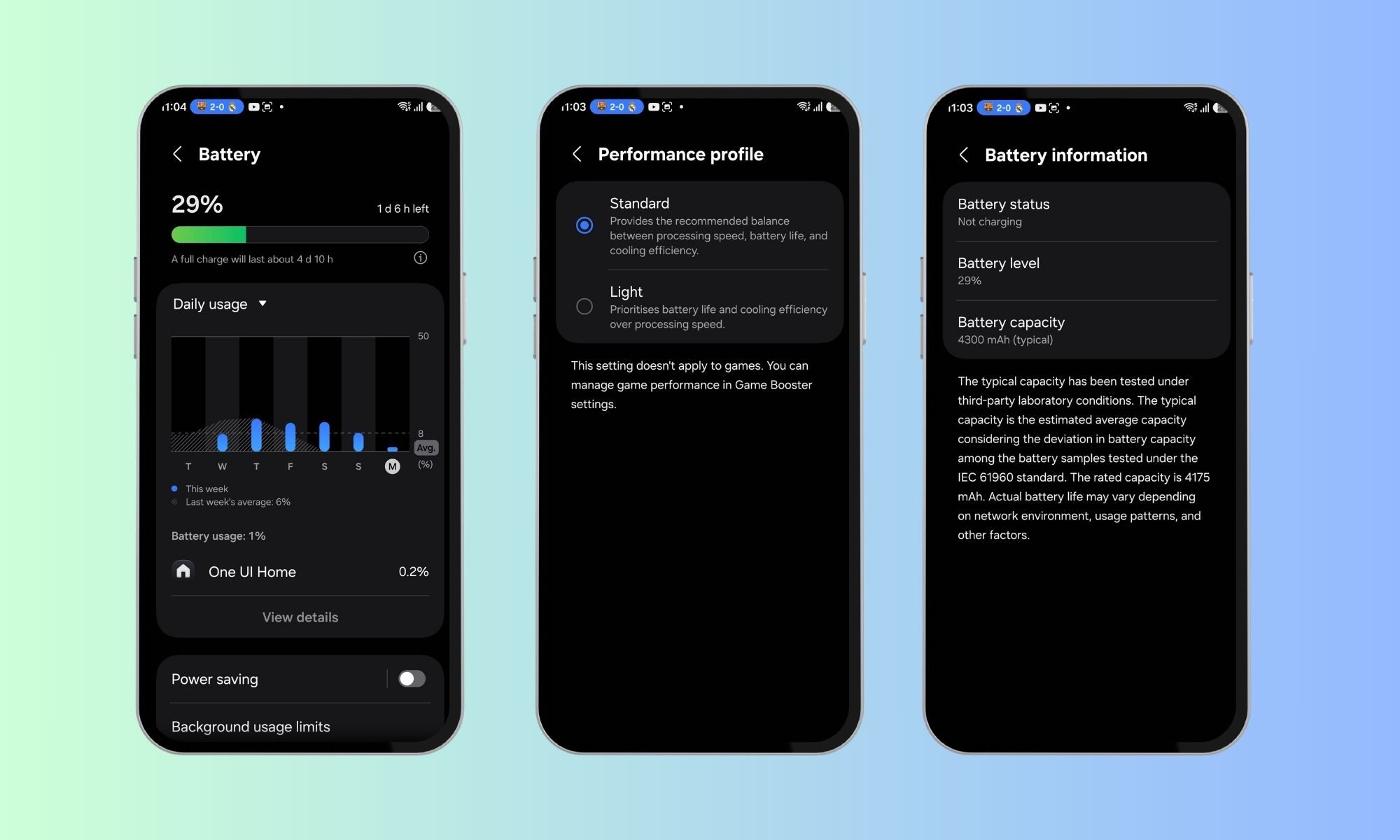
Implications for the Future of Smartphone Ownership
The success of the Galaxy S26’s battery management has profound implications for the industry. We are witnessing a shift in the definition of "flagship" quality. A high-end phone is no longer defined solely by its processor speed or camera resolution; it is defined by its endurance and its ability to age gracefully.
1. The Death of the "Battery Anxiety" Era
For years, the flashing red icon of a dying battery has been a source of stress. By creating a system that intelligently manages power, manufacturers are slowly eliminating the need for the user to be a "battery babysitter." This shift allows users to focus on the device’s capabilities rather than its limitations.
2. Trusting the Software
The biggest hurdle for many users remains the "control gap." It is psychologically difficult for a user to see their phone stop charging at 97% or 98% and feel that the device is functioning correctly. However, the S26 proves that letting go of this control results in a superior, more consistent experience. As users become more accustomed to these autonomous systems, we can expect to see higher adoption rates for similar AI-driven management tools across other facets of the smartphone experience, such as storage and security.
3. Sustainability Through Intelligence
The environmental impact of this technology cannot be overstated. If every smartphone were equipped with the level of intelligent battery preservation found in the S26, the global demand for short-term device replacements would likely plummet. This is a quiet, software-driven contribution to a circular economy—a rare instance where corporate efficiency aligns perfectly with consumer interests and environmental sustainability.
Conclusion: A New Standard for Mobile Intelligence
The Galaxy S26 serves as a reminder that the most impressive features are often those that never draw attention to themselves. It does not demand praise for its battery management; it simply does its job, night after night, ensuring that the device is ready when you need it and protected when you don’t.
For those of us who have spent years feeling guilty about leaving our chargers connected until morning, the S26 offers a long-overdue sense of relief. It is, quite literally, the adult in the room. By handing over the reins to an algorithm that understands our habits better than we do, we gain more than just a few extra percentage points of battery health—we gain peace of mind. In an age where our devices are increasingly complex, the most luxurious feature of all is simplicity. The S26 has mastered that, and in doing so, it has set a new benchmark for what we should expect from our technology.












No comments yet. Be the first to join the conversation!