Ali Ikhwan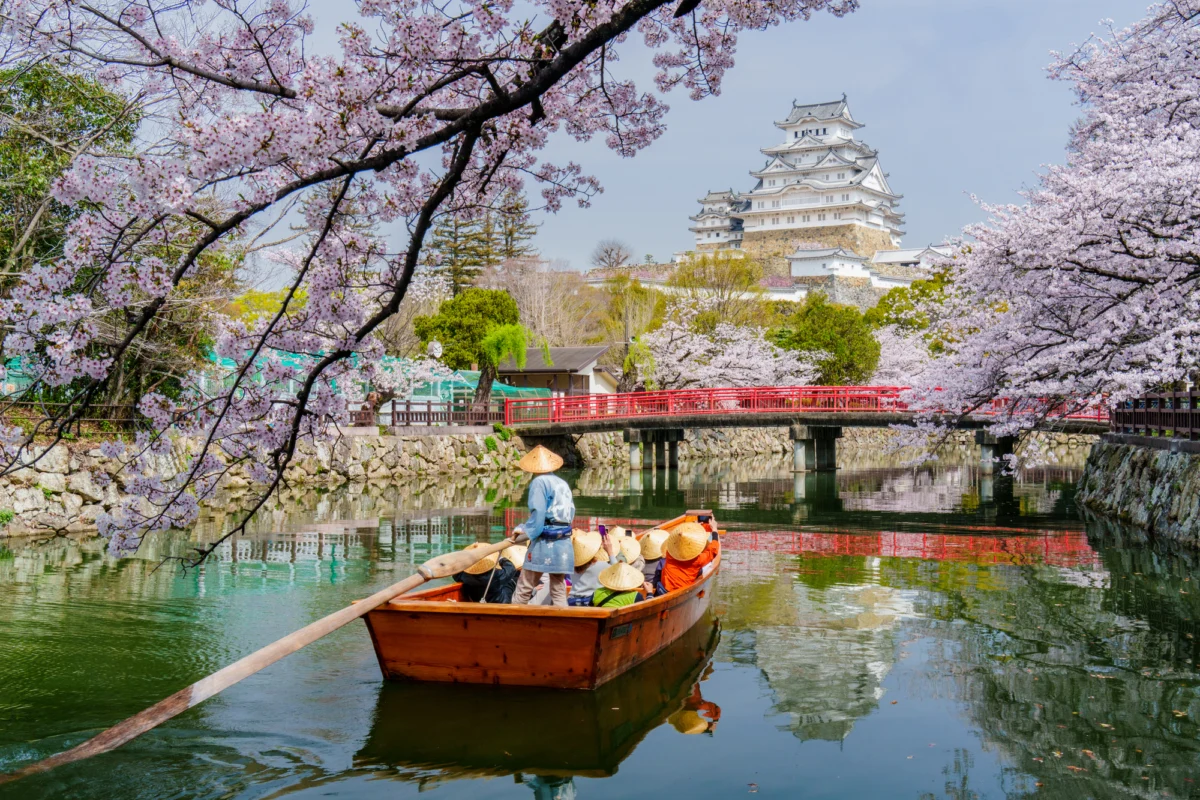
Japan, a nation synonymous with hospitality and meticulous preservation, is currently navigating a complex turning point in its tourism strategy. As the country grapples with the global post-pandemic surge in travel, a once-fringe concept is moving toward the mainstream: the implementation of "dual pricing." This system, which charges tourists significantly higher entry fees while granting residents discounted or subsidized access, is being debated not just as a financial tool, but as a critical mechanism for managing overtourism and ensuring the sustainability of the nation’s cultural heritage.
On April 27, 2026, the Japan Tourism Agency (JTA) convened its inaugural expert panel on the subject. The objective is clear: to develop national guidelines that provide a framework for dual pricing that is legally sound, ethically responsible, and politically sustainable. By moving to standardize these practices, the government hopes to avoid a patchwork of discriminatory policies and instead create a coherent, national approach to managing the pressures of modern mass tourism.
The Chronology of a Policy Shift
The conversation surrounding tiered pricing is not entirely new, but its formalization is a direct response to the pressures felt by local municipalities over the past several years.
Early Experiments
Before the JTA’s intervention, the model began appearing sporadically across the country. In locations like Biei, Hokkaido, the stunning "Blue Pond" became a victim of its own viral success. To mitigate the wear and tear caused by thousands of daily visitors, the town introduced a ¥500 parking fee for tourists, while exempting local residents. While small in scale, the logic was foundational: those who pay local taxes for the ongoing upkeep of infrastructure should not be penalized by the crowds that use it.
The Himeji Castle Milestone
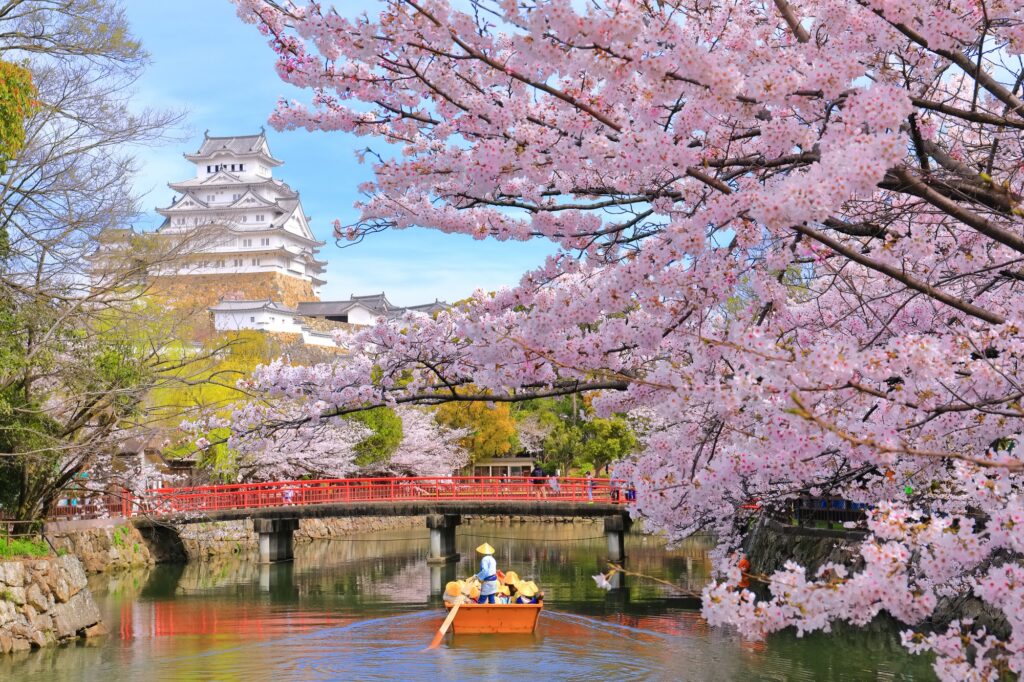
The most significant catalyst for the current national discussion is Himeji Castle. As a UNESCO World Heritage site and one of Japan’s most iconic architectural treasures, its management presents a high-stakes challenge. On March 1, 2026, the city implemented a bold new structure: non-resident adults now pay ¥2,500 (approx. $16 USD), whereas city residents maintain an entry fee of just ¥1,000 ($6 USD). Children under 18 remain free regardless of origin.
To enforce this, the city introduced a rigorous verification process. Visitors are required to present official identification—such as a driver’s license, a "My Number" card, or a residence card—to access the local rate. This move sparked intense national debate, setting the stage for the JTA’s recent expert panel.
Supporting Data: The Economic Case for Tiered Entry
The early data from Himeji Castle provides a compelling, if complex, argument for the efficacy of dual pricing. In the first month following the policy change, Himeji saw a 17% year-on-year decline in visitor numbers, falling to approximately 140,000.
At first glance, a drop in tourism might alarm city planners. However, the financial results paint a different picture. Despite the dip in volume, ticket revenue surged, nearly doubling to ¥270 million ($1.7 million USD) for the month of March compared to the previous year.
This decoupling of "visitor volume" from "revenue" is exactly what the city intended. By capturing more value from those who visit, the municipality can better fund the exorbitant costs of maintaining a 400-year-old structure. Projections for fiscal year 2026 suggest total ticket revenue will hit ¥2.2 billion—an increase of ¥1 billion over the previous year. This capital is earmarked for the essential preservation of the castle’s ancient stone walls and wooden frame, ensuring that the site survives for future generations.
The Regulatory Horizon: Museums and Beyond
The trend is not limited to castles and natural landscapes. The Agency for Cultural Affairs has signaled a move toward self-sufficiency for national institutions. Seven major entities, including the Tokyo National Museum and the National Art Center, are expected to adopt dual pricing by 2031.
The fiscal mandate is aggressive: these institutions are expected to cover 65% of their operating costs through self-generated revenue within five years, aiming for full financial independence within a decade. If they fail to hit these targets, they face potential restructuring or budget cuts. Consequently, admission for non-residents at institutions like the Tokyo National Museum could rise from the current ¥1,000 to as much as ¥3,000 ($19 USD).
Legal and Ethical Implications: The "Nationality" Trap
While the economic logic for cities is clear, the implementation is fraught with legal and ethical risks. The primary concern among legal experts, such as consumer-law specialist Kanda Mansaku, is the distinction between "residency-based" and "nationality-based" pricing.
The Rationale of Taxation
The current consensus among proponents is that the policy should be framed as a "resident vs. non-resident" distinction, rather than a "Japanese vs. foreigner" one. The argument is that residents of Himeji already contribute to the maintenance of the castle through local municipal taxes. Charging them an additional, high-priced entry fee would constitute a form of double taxation.
The Risk of Discrimination
However, the waters become muddy when discussing how to treat foreign-born residents of Japan who pay the same national and local taxes as their Japanese counterparts. If the system relies on a person’s perceived "foreignness" or nationality, it risks violating anti-discrimination sentiments and international perception.
Historian Kohara Toshi has raised a provocative counter-argument: since major sites like Himeji Castle are designated National Treasures, they are partially subsidized by national taxes paid by all Japanese citizens, regardless of where they live. Under this logic, charging a Japanese visitor from outside Himeji the same as a foreign tourist who pays no taxes could be seen as an inequitable burden on domestic travelers.
So far, only one private institution—a theme park in Okinawa—has successfully implemented a form of nationality-based, or at least language-based, pricing. They have managed to avoid legal firestorms by making the "local" price accessible to anyone who navigates their website in Japanese. It is a workaround that highlights the absurdity of the current landscape: if the system is designed to favor locals, how does one define "local" in an increasingly globalized society?
Official Responses and Future Guidelines
The Japan Tourism Agency is acutely aware that if left unchecked, the "Wild West" of local pricing could damage Japan’s reputation as an welcoming destination. The forthcoming national guidelines, expected within fiscal 2026, aim to provide a rubric that addresses:
- Transparency: Clearly defining why a site requires additional funds (e.g., historical preservation vs. managing crowd density).
- Equity: Ensuring that long-term foreign residents who contribute to the tax base are not unfairly excluded from "resident" discounts.
- Digital Integration: Establishing standardized, non-intrusive ways to verify residency without creating "checkpoints" that feel discriminatory or xenophobic.
- Consistency: Preventing a scenario where every prefecture creates its own contradictory set of rules, which would inevitably frustrate international travelers.
The Path Forward
The move toward dual pricing is a pragmatic, if painful, evolution for Japan. It acknowledges a harsh reality: the era of "cheap and accessible" tourism for all is becoming increasingly incompatible with the preservation of sites that have stood for centuries.
As the government moves to formalize these practices, the success of the initiative will depend on its ability to frame the policy as a stewardship effort rather than a monetary grab. If the narrative remains focused on the protection of national treasures and the equitable distribution of maintenance costs, the policy may gain broad acceptance. However, if it devolves into a system that feels like a "tourist tax" on foreigners, it risks alienating the very people who contribute significantly to the country’s economy.
For now, the world is watching Himeji. Its experiment has proven that you can indeed have fewer visitors and more revenue—a win for the castle’s preservation, if not for the accessibility of the site. As Japan moves forward, it will have to balance its duty to its citizens with its role as a premier global destination, proving that it is possible to modernize a nation’s economy without losing the hospitality that defined it for so long.


 Neng Nana
 Asro
Asro