

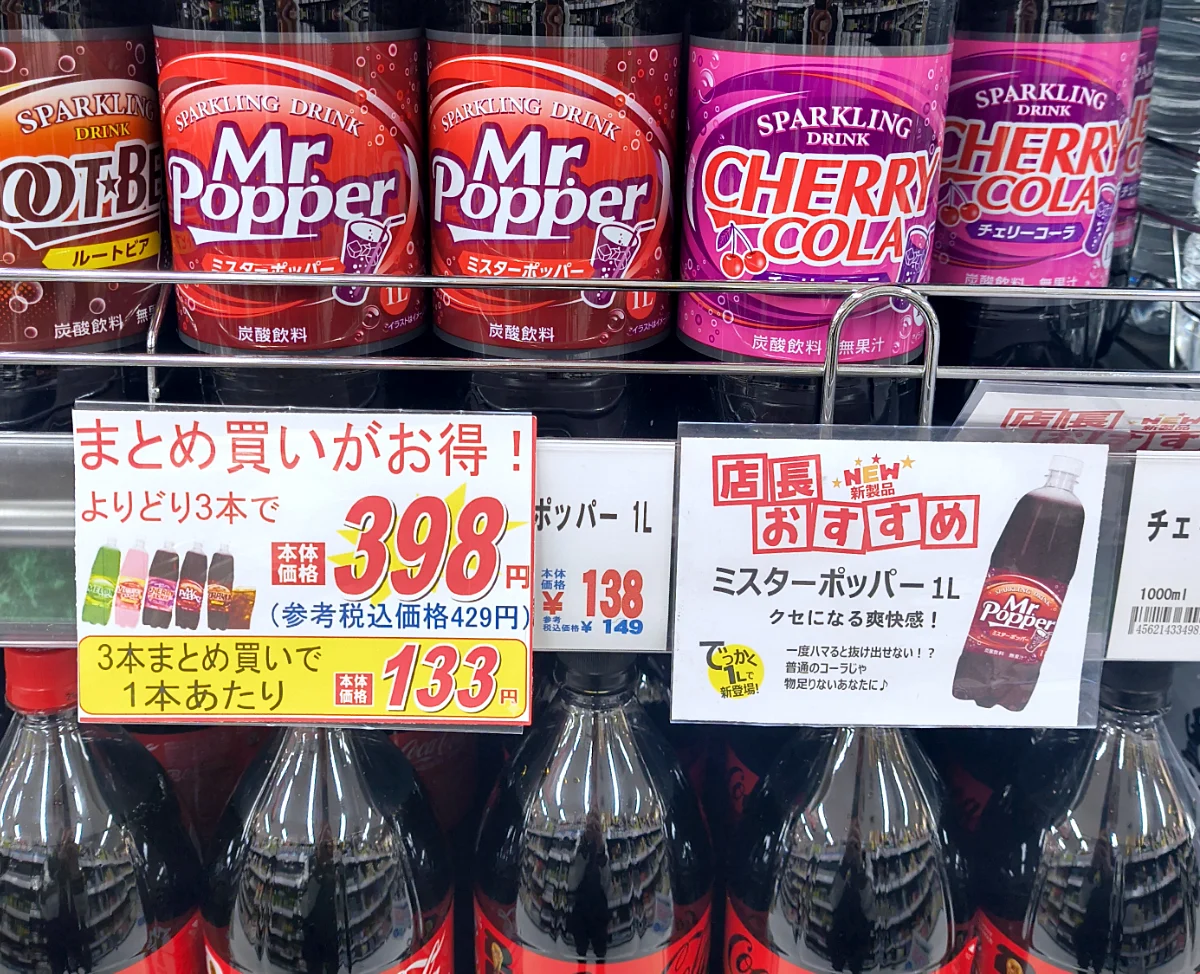
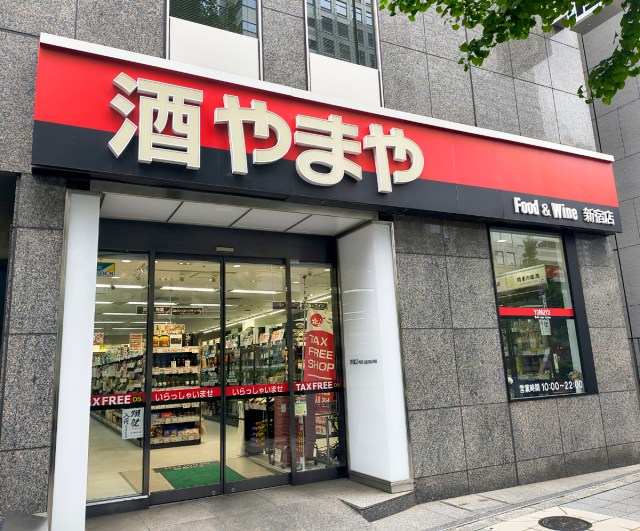
In the competitive and ever-evolving landscape of the Japanese soft drink market, few beverages command as much fierce, localized loyalty as Dr Pepper. However, a new challenger has emerged from the shelves of the ubiquitous liquor chain Yamaya, capturing the attention of social media users and curious consumers alike. Dubbed "Mr. Popper," this budget-friendly alternative has ignited a nationwide conversation about brand imitation, sensory perception, and the elusive nature of the "perfect" soda flavor.
What began as a whisper on digital forums has transformed into a full-blown retail phenomenon. For many, Mr. Popper is no longer just a "poor man’s" substitute; it is a viable, and perhaps even preferable, alternative to the global giant that inspired it.
The Genesis of a Viral Sensation
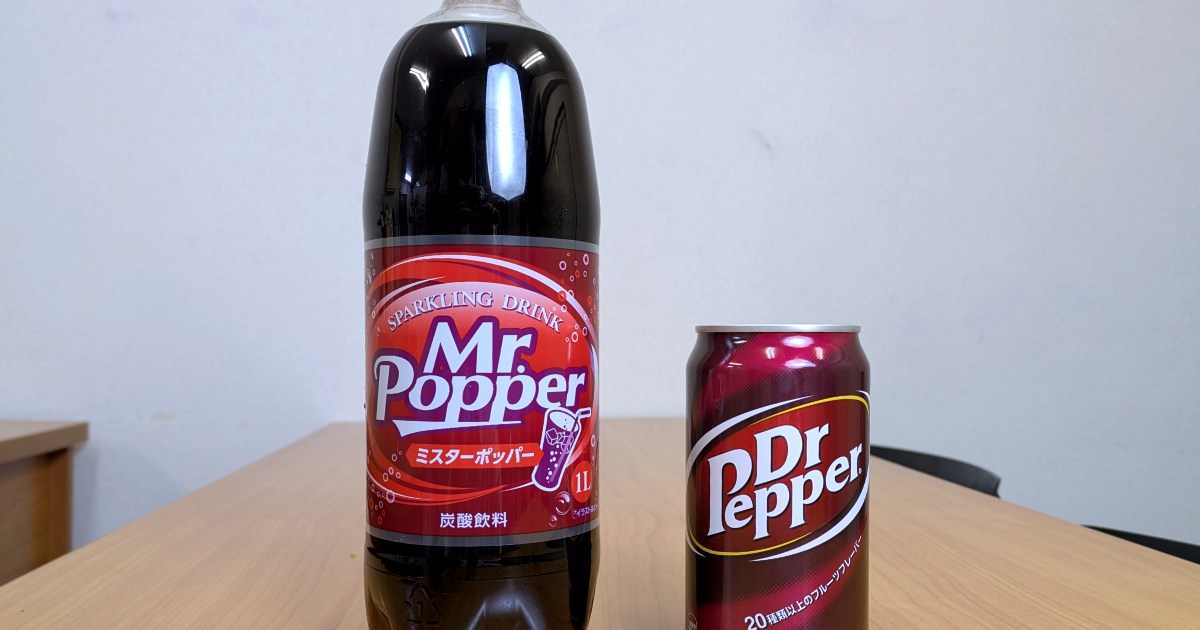
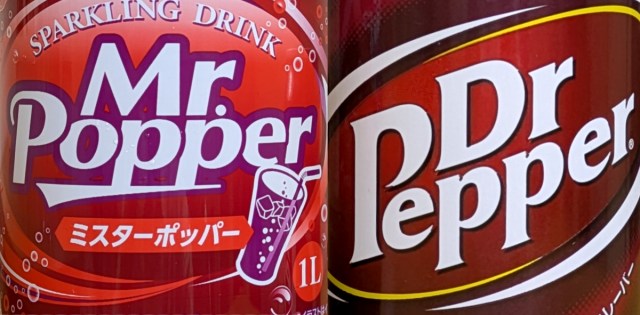
The rise of Mr. Popper is a masterclass in modern, organic marketing. It did not arrive with a massive advertising budget or celebrity endorsements. Instead, it surfaced through the observational power of the Japanese public. Savvy shoppers at Yamaya stores began posting side-by-side comparisons on X (formerly Twitter) and Instagram, noting that the aesthetic design, font choices, and color palettes of Mr. Popper were not just coincidentally similar to Dr Pepper—they were, for all intents and purposes, a deliberate stylistic mirror.
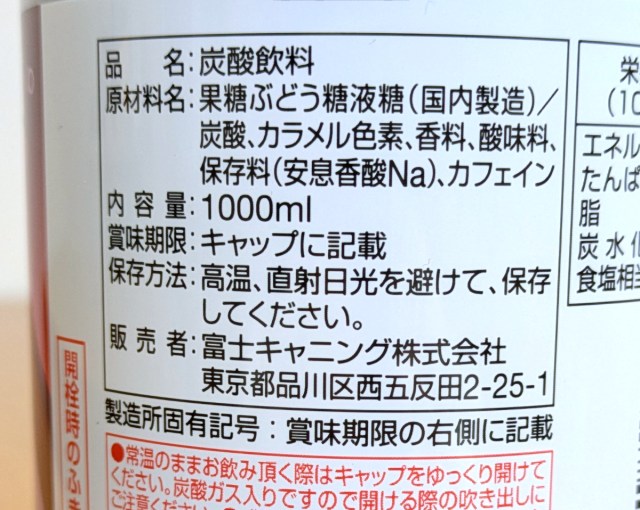
The drink is produced by the Fuji Canning Company, a Japanese manufacturer known for its contract-manufacturing services and its own line of original, budget-conscious beverages. While Fuji Canning has long been a quiet powerhouse in the industry, Mr. Popper has catapulted them into the spotlight, proving that in a market saturated with premium international brands, there remains a massive, untapped appetite for accessible, value-driven alternatives.
A Chronology of the Hunt
The quest to acquire a bottle of Mr. Popper has, for many, become an adventure in itself. When news of the soda first broke, reports flooded in from across the country of empty shelves. The demand far outstripped the initial supply chain capabilities of the local Yamaya branches.
For our investigative team, the journey was marked by repeated disappointment. During initial visits to various Tokyo-based outlets, staff members were consistently unable to provide a restock date, citing high turnover and erratic supply logistics. It was only after a persistent, month-long effort—a testament to the "cult status" the drink has achieved—that we finally encountered the product in its natural habitat: the bottom shelves of the beverage aisle.
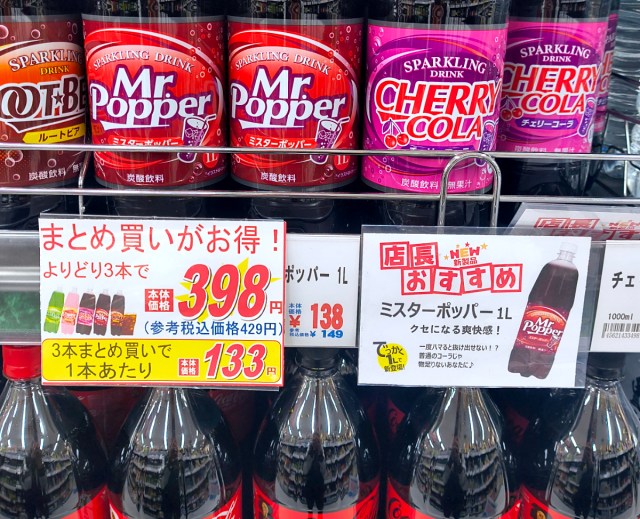
The discovery was an event. There, in one-litre bottles priced at a modest 149 yen (approximately US$0.95), sat the elusive Mr. Popper. The marketing copy on the bottle, promising an "addictive refreshing sensation," seemed almost a challenge to the established order. Furthermore, the store’s strategic pricing—offering three bottles from their range (including a root beer that bears a striking resemblance to A&W) for 429 yen—effectively brought the per-bottle cost down to 144 yen, making it an irresistible value proposition for the cost-conscious consumer.
Sensory Analysis: The Great Taste Test
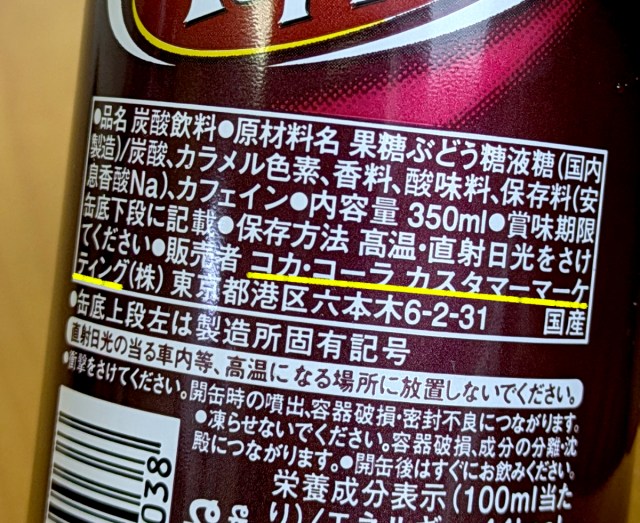
To determine whether Mr. Popper is truly a "twin" or merely a visual trick, we conducted a controlled, blind-style tasting experiment in our office, pitting a one-litre bottle of Mr. Popper against a standard bottle of Dr Pepper, manufactured by Coca-Cola Japan.
Visual and Physical Comparison
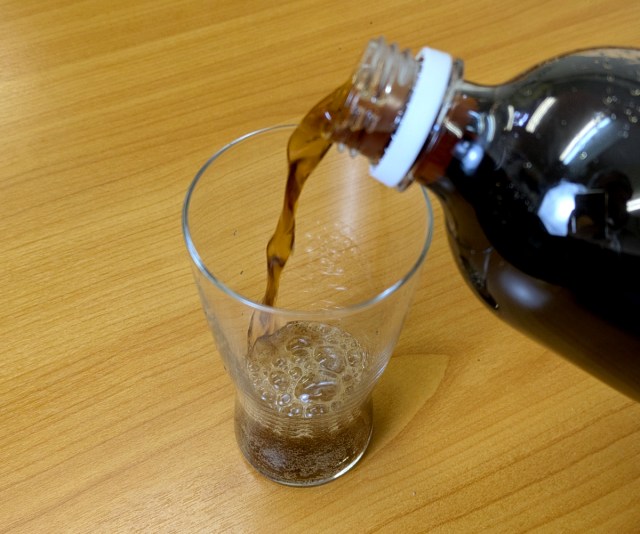
Upon pouring both liquids into glasses, the differences were immediately apparent to the naked eye. The Dr Pepper produced a robust, well-defined head of foam, signaling high carbonation levels and the classic mouthfeel associated with the brand. In contrast, the Mr. Popper displayed a significantly thinner layer of foam, suggesting a lower volume of dissolved carbon dioxide. When lined up, the bubble density in the Mr. Popper was markedly weaker, hinting at a potentially "softer" or "flatter" drinking experience.
The Palate Test
Our panel of reporters, each with varying levels of experience with the "original" flavor, provided a nuanced breakdown of the experience:
- Mr. Sato: As our lead reporter, Sato-san began with the Dr Pepper. He noted the "strong, complex fruity profile" and the sharp, stimulating bite of carbonation that defines the drink. Upon tasting Mr. Popper, his reaction was one of genuine shock. "It’s incredibly similar," he noted. "If the contents were swapped, I would fail a blind taste test. The nuance of the ‘fruity’ notes is preserved almost perfectly."
- Takamichi Furusawa: An ardent Coca-Cola loyalist, Furusawa brought a different perspective. While he acknowledged the similarity, he detected a subtle difference in the sugar profile. "It feels slightly less sweet than the original," he observed. "For some, this might actually make it feel more refreshing, as it lacks the heavy, syrupy aftertaste that some find polarizing about Dr Pepper."
- P.K. Sanjun: Having spent years drinking Dr Pepper during international travels, Sanjun was the most skeptical of the group. However, his conclusion was the most definitive: "These aren’t just brothers; they are twins. The difference is negligible enough that, in a practical sense, they are the same product."
The Economics of Imitation
From an industry perspective, Mr. Popper represents a fascinating study in consumer behavior. The "Dr Pepper" flavor profile is notoriously difficult to replicate due to its unique blend of 23 flavors. By successfully capturing this profile at a fraction of the cost, Fuji Canning has tapped into a "value-tier" demographic that might otherwise be priced out of the premium soda market, especially in regions of Japan where Dr Pepper is notoriously difficult to locate.
The collaboration with the Yamaya liquor chain is also a masterstroke. Yamaya’s reach across Japan, combined with their focus on imported and specialty goods, provides the perfect environment for a "cult" product to thrive. By placing a budget-friendly, "knock-off" item within the context of a store that prides itself on variety, the product gains a sense of novelty rather than just cheapness.
Implications and Future Outlook
The success of Mr. Popper raises significant questions for major soft drink manufacturers. If a local company can produce a "twin" product that satisfies the cravings of a loyal fanbase, to what extent does brand identity matter versus the actual chemical composition of the liquid?
Furthermore, the "Dr Pepper Map" movement—an online community project that tracks the availability of the original soda across Japan—has effectively highlighted the scarcity of the product. When a consumer wants a specific flavor profile and cannot find it, they will seek alternatives. Mr. Popper is not merely filling a shelf; it is filling a void created by distribution challenges.
As for Fuji Canning, the challenge now lies in sustainability. Can they scale their production to meet the demand generated by this viral fame without compromising the quality that earned them the "twin" status in the first place? And will the major players, such as Coca-Cola Japan, take legal or market action to protect their intellectual property?
For now, the Japanese public seems content to enjoy the mystery. Mr. Popper stands as a testament to the fact that, in the world of beverages, taste is a deeply subjective experience—and sometimes, the most satisfying drink is the one you find on the bottom shelf when you least expect it. Whether it is a temporary trend or a lasting shift in the Japanese market, one thing is certain: Mr. Popper has secured its place in the annals of modern Japanese retail history.












No comments yet. Be the first to join the conversation!