

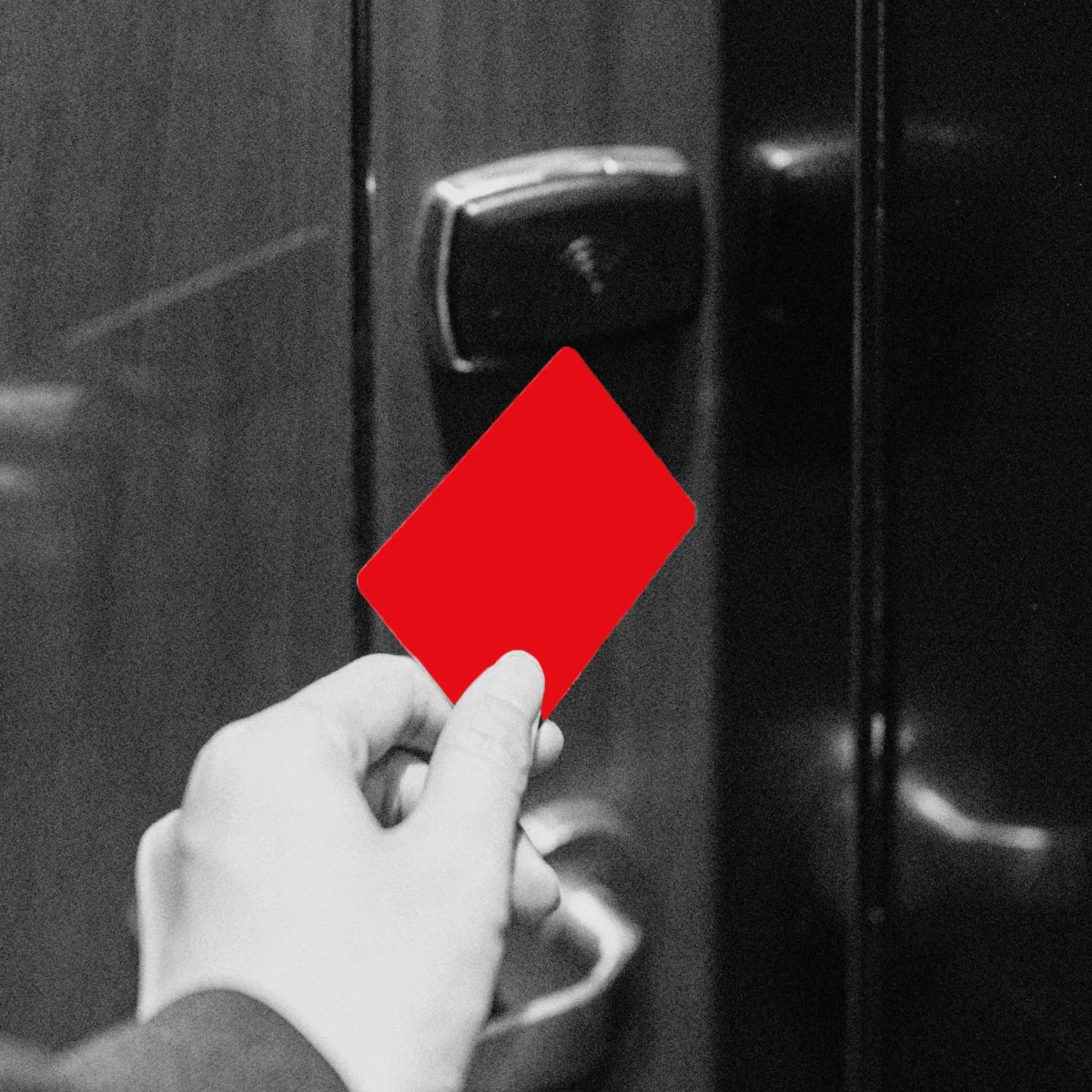
In an era of hyper-connected travel, where every flight, hotel stay, and rental car is managed through centralized digital portals, a new, sophisticated threat has emerged to compromise the security of globetrotters. Security experts and consumer watchdogs are sounding the alarm on a deceptive practice known as "reservation hijacking." While the concept of social engineering in travel is not entirely new, the landscape has shifted dramatically following a significant data breach at Booking.com in April 2026, which has provided cybercriminals with the precise intelligence needed to execute high-stakes fraud.
The Anatomy of a Reservation Hijack
At its core, reservation hijacking is a specialized form of phishing that relies on stolen, granular data. Unlike generic spam emails that cast a wide net, reservation hijackers act with surgical precision. Because they possess your specific travel dates, the name of your hotel, and your contact information, the barrier to your trust is significantly lowered.
The scam typically unfolds as follows: A traveler receives a message—often via WhatsApp, SMS, or email—that appears to originate from a hotel, airline, or booking platform. The message references an upcoming stay, confirming the exact dates and location. The "representative" then claims there is a problem with the booking: perhaps a payment processor error, a double-booking crisis, or a mandatory security deposit requirement. Because the scammer already knows your itinerary, the sense of legitimacy is high. The objective is almost always to induce a sense of urgency, pressuring the victim into providing credit card details or transferring funds directly to a fraudulent account under the guise of "rectifying" the booking.
Chronology of a Vulnerability: From Data Breach to Exploitation
The recent escalation in these attacks can be traced directly to the April 2026 data incident involving Booking.com. While the company maintained that sensitive financial instruments—such as primary credit card numbers—remained secure, the breach was far from benign. The exposed data set included customer names, phone numbers, email addresses, and detailed itinerary information.
The Timeline of the Exposure
- April 2026: A security vulnerability within the Booking.com infrastructure allows unauthorized third parties to gain access to customer reservation logs.
- Immediate Aftermath: Cybercriminals aggregate the stolen logs, cross-referencing them with social media activity to build "full-spectrum" profiles of targets.
- The Proliferation Phase: Fraudsters begin deploying automated scripts to contact victims via messaging apps, leveraging the stolen reservation details to bypass initial skepticism.
- Present Day: Regulatory bodies and cybersecurity firms report a sharp uptick in "social engineering" reports specifically linked to travel platforms, as the stolen data continues to circulate on dark web forums.
By obtaining not just contact details but also the specific context of a trip, scammers have moved beyond simple "bulk" phishing. They now possess the "social proof" required to manipulate even the most cautious travelers.
The Role of Information Synthesis
What makes these scams particularly insidious is the way attackers synthesize information from multiple sources. A reservation hijacker does not rely solely on a single data breach. They are masters of "OSINT" (Open Source Intelligence).

If a traveler posts a countdown to a vacation on Instagram or shares a photo of a flight boarding pass on Facebook, they are effectively building a roadmap for potential attackers. When a scammer combines the internal data leaked from a booking platform with the public-facing details shared on social media, they can create a narrative that is indistinguishable from a legitimate corporate communication.
For instance, a scammer might contact a victim stating: "Hi [Name], this is the concierge at [Hotel Name]. We see you are arriving on [Date] for your anniversary trip. We had a glitch with our payment portal and need you to verify your card to keep the room secured." Because the scammer knows the "anniversary" detail—likely pulled from a social media post—the victim is far more likely to lower their guard.
Supporting Data: Why Trust Is the Vulnerability
Cybersecurity research consistently shows that the most effective attacks are those that exploit human psychology rather than technical systems. According to recent reports from industry analysts, the success rate of "context-aware" phishing attacks—those that use specific, stolen data to verify the sender—is nearly 40% higher than generic phishing attempts.
The psychological mechanics at play include:
- Authority Bias: Victims are conditioned to respect and follow instructions from staff at service-oriented businesses.
- Scarcity and Urgency: The threat of losing a hard-earned vacation creates a "fight or flight" response, which impairs critical thinking.
- Consistency: By confirming details that are already true (e.g., "You are staying at the Grand Plaza, right?"), the scammer establishes a pattern of truthfulness that makes the subsequent lie easier to accept.
Official Responses and Corporate Accountability
Following the April 2026 incident, Booking.com initiated a comprehensive communication strategy to inform affected customers. The platform has been vocal in its warnings, emphasizing that it will never initiate contact via third-party messaging apps to request payment.
"We prioritize the security of our partners and customers," a spokesperson stated in a recent briefing. "It is critical for users to understand that we will never request credit card information or direct bank transfers over the phone, email, or text. All payments should be handled exclusively through our official, encrypted portal."

Industry regulators are now scrutinizing the travel tech sector, demanding higher standards for data encryption at rest and in transit. The incident has served as a wake-up call for the hospitality industry, highlighting that a "minimalist" approach to data protection is no longer sufficient in an age where customer data is a primary target for organized cybercrime syndicates.
Implications for the Future of Travel
The rise of reservation hijacking suggests a fundamental shift in how we must approach travel planning. The convenience of "one-click" bookings and instant messaging communication with hotels now carries a security tax.
Best Practices for the Modern Traveler
To mitigate the risk of becoming a victim, travelers must adopt a "zero-trust" mentality:
- Verify, Don’t Comply: If you receive a request for payment or sensitive info, hang up. Call the hotel or service provider back using a verified phone number found on their official website—never use the number provided in the suspicious message.
- Channel Isolation: Keep all communications within the official booking app. If a service provider insists on moving the conversation to WhatsApp or Telegram, treat it as a red flag.
- Digital Hygiene: Review your social media privacy settings. Avoid posting specific travel dates or hotel names until after your trip has concluded.
- Multi-Factor Authentication (MFA): Ensure that every account—from your email provider to your travel booking platform—is protected by MFA. This prevents hackers from taking over your accounts even if they successfully phish your password.
- Password Uniqueness: The prevalence of data breaches makes password reuse a dangerous habit. Use a reputable password manager to generate and store unique, complex passwords for every service you use.
The Path Forward
The threat of reservation hijacking is unlikely to disappear. As AI tools become more accessible to criminals, the quality of these fraudulent communications—including the use of "deepfake" audio and perfectly mimicked corporate tone—will only improve.
However, by recognizing that your reservation details are now high-value commodities, you can adjust your behavior accordingly. The goal of the scammer is to move you out of the "official" ecosystem and into a space where they control the variables. By refusing to engage outside of secure, verified channels and maintaining a healthy dose of skepticism when urgency is introduced, you can ensure that your next vacation remains a memory of relaxation rather than a cautionary tale of digital fraud.
Travelers must remember that in the digital age, information is the currency of the realm. Protecting your itinerary is just as important as protecting your passport.












No comments yet. Be the first to join the conversation!