


In an era where the content marketing industry is projected to reach a staggering $107 billion by 2026, the demand for sophisticated organizational infrastructure has never been higher. For modern marketing teams, the chaos of managing disparate campaigns across blogs, podcasts, email newsletters, and social media channels is no longer a sustainable way to operate. As digital noise intensifies, the ability to plan, produce, and distribute content with precision has become a primary competitive advantage.
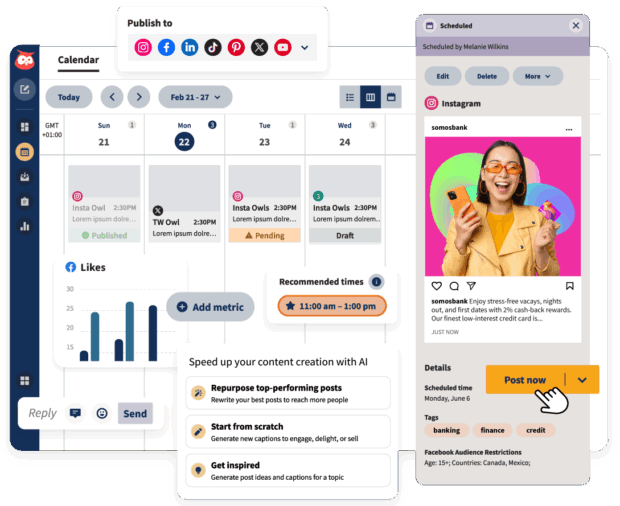
Content calendar tools—often referred to as content management software—have evolved from simple spreadsheet alternatives into robust, AI-powered ecosystems. These platforms do not merely hold dates; they serve as the command centers for brand identity, team collaboration, and strategic execution.

The Evolution of Content Planning: From Spreadsheets to Ecosystems
For years, the industry relied on fragmented tools: a Google Doc for copy, an Excel sheet for dates, and a native social media dashboard for posting. This approach, while accessible, created "silos of incompetence" where data was lost, approvals were delayed, and brand consistency suffered.
The Shift in Strategy
As noted by Carolina Horna, a freelance Creative Director and Brand Strategist with over a decade of experience in the field, the transition to dedicated software is a non-negotiable step for scaling operations. "Using a dedicated tool as opposed to a Google Doc or spreadsheet adds a level of organization and clarity that is hard to achieve without it," Horna explains. "With a content calendar tool, I’m able to see my strategy come to life, maintain my content pillar distribution, and collaborate easily with my team."

The shift is largely driven by the need for visibility. In a modern marketing department, a single campaign might involve designers, copywriters, legal compliance officers, and social media managers. Without a centralized hub, the "feedback loop" becomes a bottleneck that drains team morale and budget.
Defining the Scope: Content Calendar vs. Social Media Calendar
A frequent point of confusion for emerging teams is the distinction between a "Content Calendar" and a "Social Media Calendar." While the terms are often used interchangeably, their functional scope differs significantly.
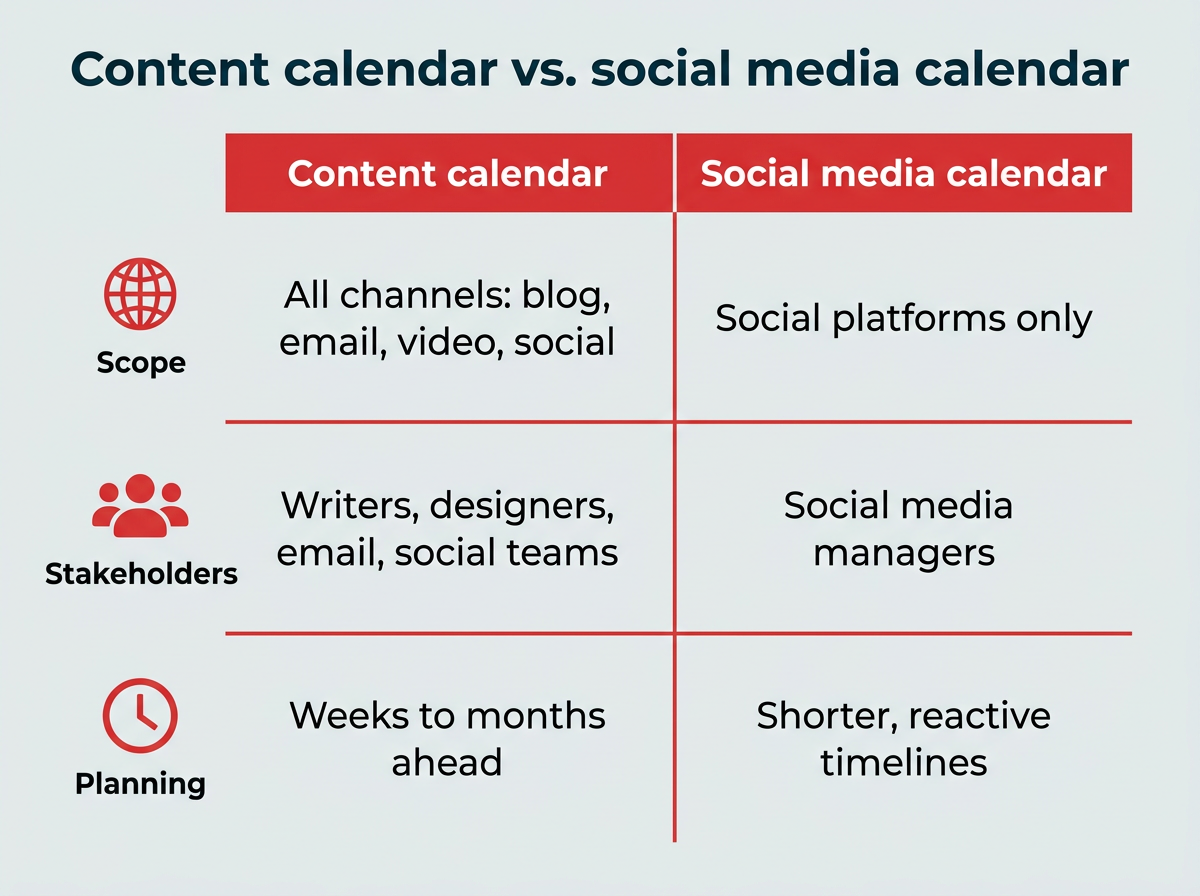
- The Content Calendar: This is the "macro" view. It acts as the master schedule for all marketing initiatives, including long-form blog content, whitepapers, email marketing sequences, video production schedules, and event planning. It is designed for stakeholders who need to see the entire customer journey across all touchpoints.
- The Social Media Calendar: This is the "micro" view. It focuses specifically on the rhythmic, high-frequency posting schedules required by platforms like Instagram, TikTok, LinkedIn, and X. It prioritizes features like hashtag management, grid previews, and platform-specific formatting.
For organizations managing complex omnichannel strategies, a broader content calendar tool is essential. However, for specialized social-first brands, a dedicated social media management platform often provides the necessary depth to handle engagement, community management, and real-time social listening.
The Anatomy of an Efficient Content Workflow
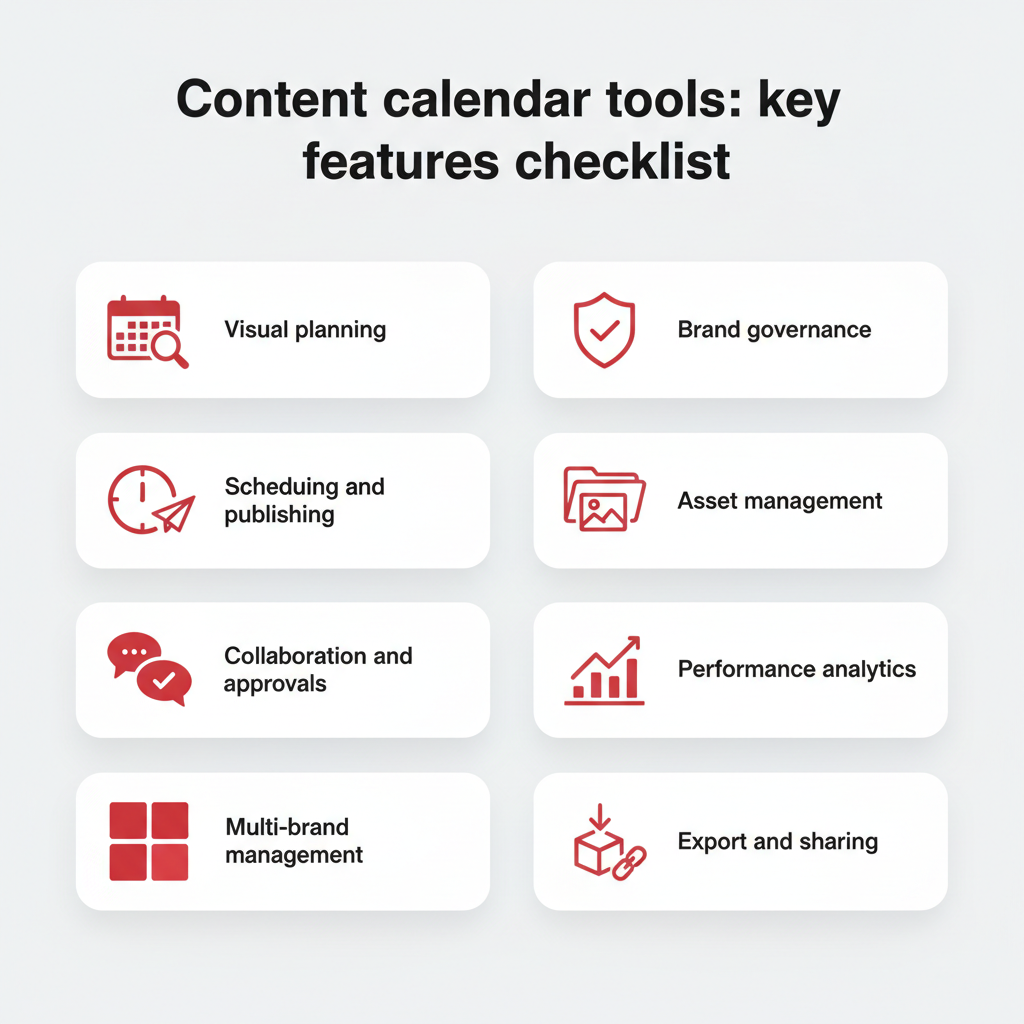
When evaluating tools in 2026, the focus must shift from "what can this do?" to "how does this integrate into my daily workflow?" According to industry benchmarks, the most effective tools share a common set of foundational features:
1. Multi-View Capability
As Horna highlights, the ability to toggle between views is a game-changer. "I’m able to toggle between different views—spreadsheet, calendar, Kanban—depending on who is looking at the data. It ensures that designers only see the creative briefs, while editors see the copy status, preventing information overload."
2. Automated Approval Workflows
In regulated industries, content cannot go live without a series of approvals. The best tools include built-in "gating" mechanisms where a post cannot proceed to the publishing stage until it receives the green light from specific stakeholders.
3. AI-Assisted Ideation and Optimization
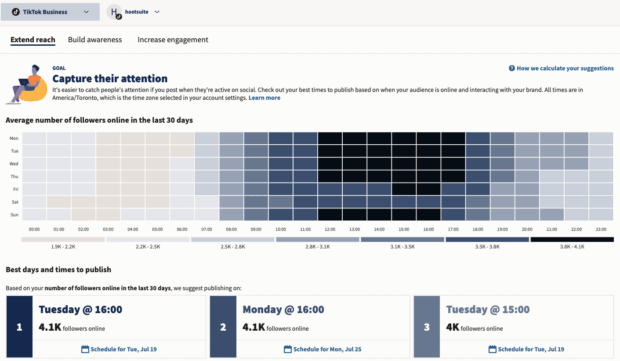
With 49% of CMOs citing improved time efficiency as the primary benefit of GenAI, tools that lack AI integration are rapidly becoming obsolete. Features such as caption generation, sentiment analysis, and predictive "best time to post" algorithms are now standard requirements.
4. Robust Analytics and Reporting
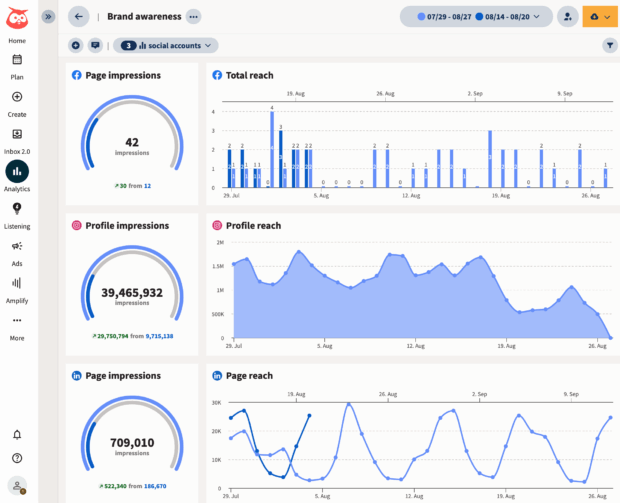
Planning is only half the battle. A truly efficient tool must close the loop by pulling performance data back into the dashboard. This allows teams to see which content pillars are actually driving ROI and which are merely occupying space.
Supporting Data: Why Centralization Matters
The urgency for these tools is backed by alarming industry trends. Marketing Week’s 2025 Career & Salary Survey revealed that 58% of marketers report feeling overwhelmed. This exhaustion is not necessarily a result of high work volume, but rather the "cognitive tax" of context-switching between disconnected platforms.
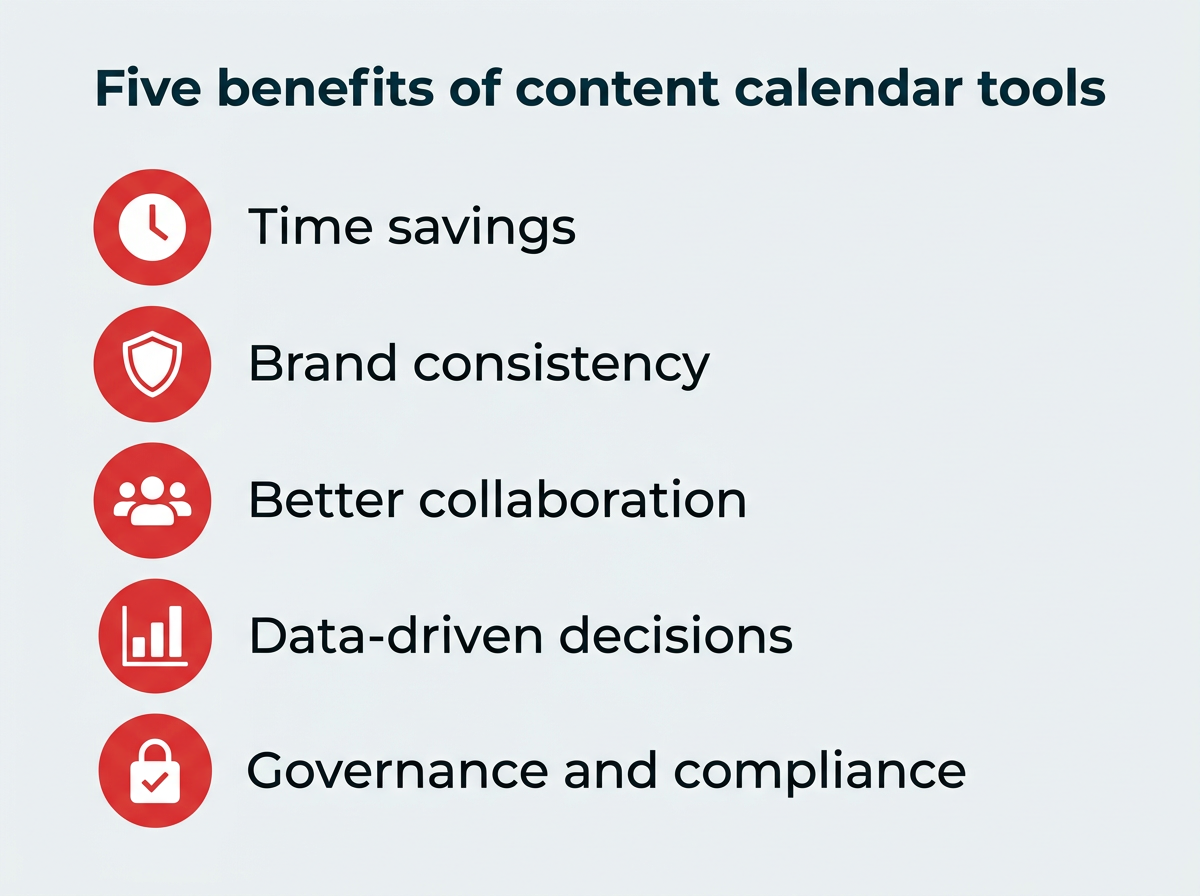
Furthermore, with marketing budgets flattening at approximately 7% of overall company revenue, leaders are under pressure to do more with less. By implementing a centralized content calendar, teams report:
- A 30–40% reduction in time spent on manual administrative tasks.
- A significant decrease in "version control" errors.
- Improved cross-departmental alignment, ensuring sales, marketing, and customer success are telling the same brand story.
Evaluating the Top Contenders in 2026
The market is currently bifurcated into "All-in-One Suites" and "Flexible Work Operating Systems."
The Enterprise Powerhouses: Hootsuite and Sprinklr
For large organizations, platforms like Hootsuite and Sprinklr are the gold standard. Hootsuite, in particular, has cemented its position by integrating AI-powered tools like OwlyWriter AI directly into the publishing flow. Its strength lies in its ability to consolidate social media, listening, and analytics into a single interface. Sprinklr offers unparalleled depth for massive, multi-national organizations, though it demands a steeper learning curve and a significant financial investment.
The Workflow Specialists: Asana, Monday.com, and Airtable
For teams that value flexibility over native social publishing, project management platforms have become popular. Asana and Monday.com allow teams to build highly custom workflows that track the lifecycle of a piece of content from "Idea" to "Archived." While they lack native social publishing, their integration capabilities (via Zapier or native API connections) allow them to act as the "brain" of a marketing operation.
The Agile Contenders: Later, Buffer, and CoSchedule
For solopreneurs and small-to-midsize businesses (SMBs), Later and Buffer remain the most intuitive choices. Later’s visual-first approach is perfect for Instagram-heavy brands, while Buffer provides a streamlined, affordable entry point for those just beginning to professionalize their content operations. CoSchedule remains a unique hybrid, purpose-built for marketing teams that need a strong content calendar that bridges the gap between blogging and social media.
Strategic Implications: How to Choose Your Tool
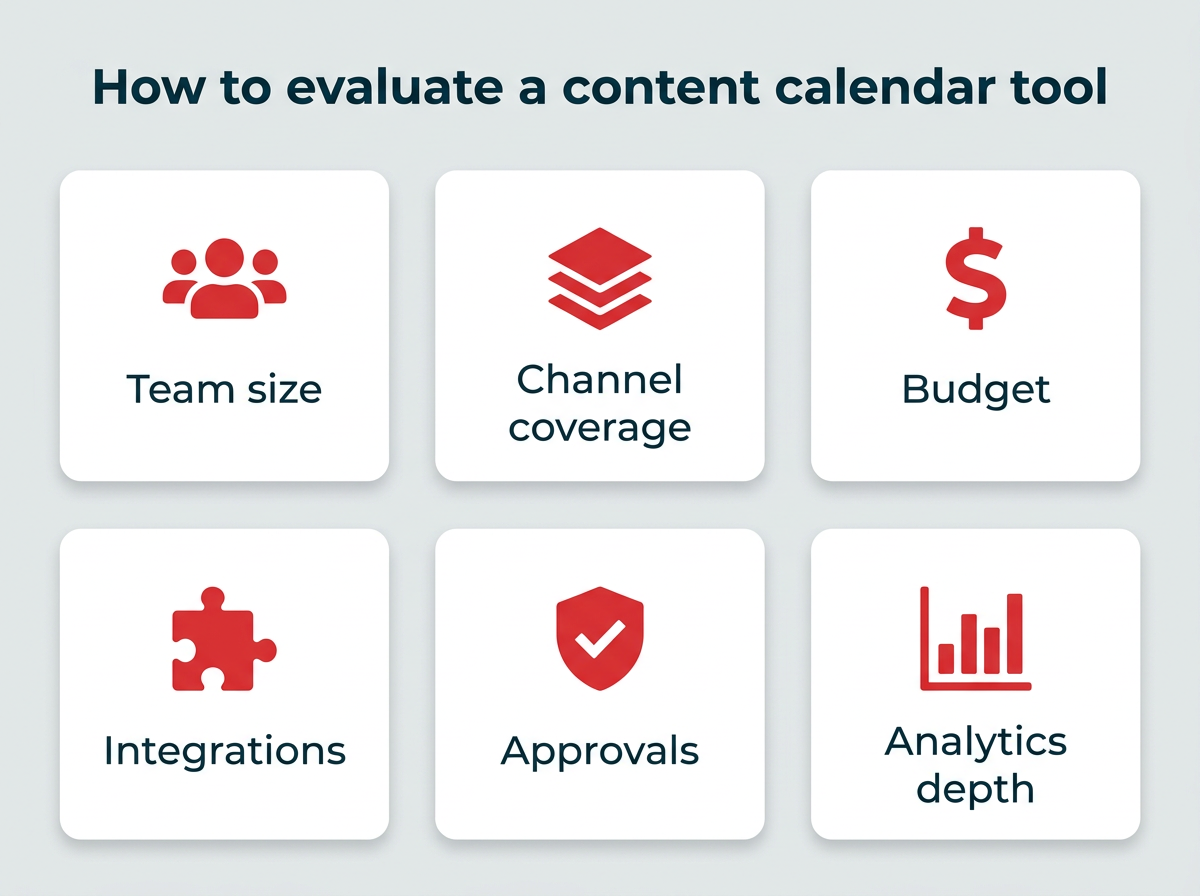
When selecting your platform, consider the "Rule of Three":
- Does it integrate with my existing tech stack? (CRM, design tools like Canva, and email software).
- Does it solve my primary pain point? (Is it scheduling? Approval delays? Lack of visibility?).
- Does it scale? (Will this tool still serve my team if we double our output next year?).
Conclusion: Turning Chaos into a Scalable System
The adoption of a content calendar tool is more than an IT procurement decision; it is a strategic move toward organizational maturity. By removing the friction from the planning process, teams can reclaim the mental bandwidth required for creative work.

As the industry continues to move toward AI-driven, data-backed strategies, the "manual" approach to content management is no longer viable. Whether you are a solo creator or an enterprise-level CMO, the goal remains the same: to create a repeatable, scalable system that ensures your brand’s voice is heard consistently and effectively across every channel. The tools are available—the choice to implement them will determine who leads the market in 2026 and beyond.












No comments yet. Be the first to join the conversation!