

By Industry Desk | May 11, 2026
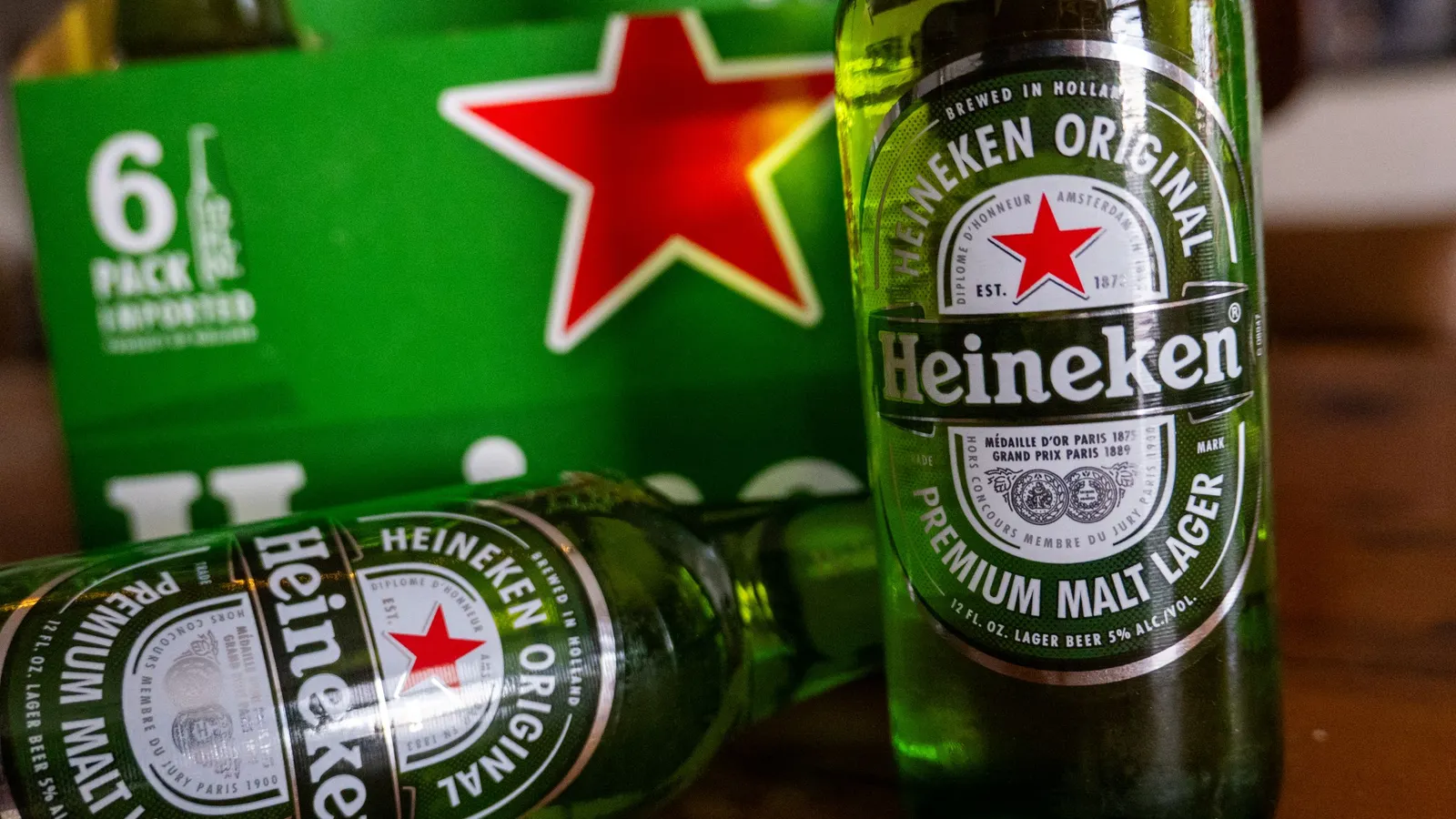
In a significant realignment of its global marketing architecture, brewing giant Heineken has concluded an extensive agency review, signaling a departure from fragmented service models in favor of a consolidated, "future-fit" ecosystem. As the world’s second-largest brewer—overseeing a massive portfolio of more than 170 brands—navigates a complex macroeconomic landscape and a cooling beer category, the move represents a calculated effort to optimize efficiency, leverage generative AI, and ensure creative consistency across its global and local operations.
The headline outcome of the review sees Dentsu retaining its hold on Heineken’s substantial global media account, extending a decade-long partnership. Meanwhile, the company is shifting its creative mandate, opting to consolidate work among a powerhouse trio of holding companies: Publicis, WPP, and Stagwell.
The Strategic Foundation: EverGreen 2030 and Freddy AI
The structural shake-up is not merely an administrative exercise; it is a critical component of Heineken’s "EverGreen 2030" growth strategy. As global consumer demand for beer faces ongoing pressure, the brewer is seeking to do more with less—or, more accurately, to do more with better integration.
Central to this transformation is the rollout of "Freddy AI," a proprietary commercial artificial intelligence program. By thinning the roster of agency partners, Heineken aims to integrate its human creative talent more seamlessly with its AI-driven data tools. According to Chief Commercial Officer Bram Westenbrink, the new model is designed to facilitate deeper collaboration and a sharper strategic focus, essential for maintaining the company’s competitive edge in a digital-first marketing environment.
Chronology: The Road to Consolidation
The agency review process, which concluded in early May 2026, occurred against a backdrop of significant institutional change at Heineken. The timeline of this transition highlights the urgency with which the brewer is preparing for its next chapter:
- Q1 2026: Heineken reports resilient Q1 results, with organic volumes growing 1.2% and net revenue rising 2.8%, providing the financial stability required to initiate major structural reforms.
- March 2026: Dentsu, facing headwinds in international growth, initiates a global management restructuring to regain momentum after losing the coveted Microsoft media account to Publicis.
- April 2026: Heineken confirms the departure of long-standing CEO Dolf van den Brink, who will vacate his position at the end of May after a six-year tenure that saw the company weather the global pandemic and subsequent inflationary cycles.
- May 2026: Heineken officially announces the new agency model, confirming Dentsu as its media partner and finalizing the creative consolidation with Publicis, WPP, and Stagwell.
Supporting Data and Market Context
Heineken’s move comes as no surprise to industry analysts tracking the "mega-holding" trend. In an era of high interest rates and cautious consumer spending, brands are under immense pressure to prove the ROI of their marketing spend.
Heineken’s portfolio, which spans premium, mainstream, and craft segments, requires a delicate balance of global brand equity and hyper-local relevance. The data from Q1 2026 suggests that the strategy is working—the company successfully navigated an uncertain global environment, proving that its brand strength remains robust. However, the decision to consolidate creative duties suggests that the leadership team believes the previous, more dispersed model was creating friction that prevented the company from scaling its successes as quickly as modern market conditions demand.
Official Perspectives: Efficiency Meets Creativity
The company has been vocal about the intent behind this consolidation. Jorn Socquet, Heineken’s senior director of global brand impact and growth transformation, framed the transition as a necessary evolution of the brand’s operational philosophy.
"By partnering with a smaller number of world-class agencies, we are creating the conditions for deeper collaboration, sharper strategic focus and more impactful creativity," Socquet stated. "At the same time, this model allows us to operate with greater speed and efficiency, ensuring we can deliver high-quality work consistently across our global and local brand portfolio."

This emphasis on "speed and efficiency" is a direct nod to the demands of the modern marketing department, where the time between a consumer insight and a live campaign has shrunk to near-zero.
The Role of Key Players
Dentsu’s Resilient Hold
For Dentsu, retaining the Heineken media account is a victory of vital importance. Following the loss of the Microsoft global media business—a massive account that had been under their purview for over ten years—Dentsu’s position was precarious. The renewal of the Heineken contract serves as a stabilizing force, validating the efficacy of the network’s recent management overhaul and its ability to compete at the highest level of global media planning and buying.
Publicis and the "LePub" Creative Edge
Publicis continues to hold the reins for the flagship Heineken brand, a partnership that has been defined by its ability to tap into cultural zeitgeists. Publicis’s creative agency, LePub, has been instrumental in crafting campaigns that emphasize "unplugging" and fostering authentic human connection—a sharp contrast to the increasingly digital, screen-heavy lives of its core demographic.
A prime example of this creative synergy was on display at the 2026 Coachella music festival. Heineken’s activation—which utilized digital bands to help festival-goers identify others with shared musical tastes—perfectly bridged the gap between physical experience and data-driven personalization. This type of high-impact, experiential work is precisely what Heineken expects to see more of under the new consolidated creative model.
Implications for the Industry
The Heineken restructure carries several profound implications for the advertising industry at large:

- The Rise of the "Integrated" Agency Model: As brands like Heineken prioritize AI integration (Freddy AI), the separation between creative, media, and data is blurring. Holding companies that can provide a seamless "one-stop-shop" experience—marrying tech-stack capabilities with high-level storytelling—will continue to win the largest accounts.
- The "Future-Fit" Imperative: The terminology used by Heineken—"future-fit"—suggests a growing consensus that legacy agency structures, often built on silos, are becoming obsolete. Agencies must now demonstrate that they can facilitate cross-disciplinary collaboration, or risk being cut from the roster during these periodic reviews.
- Pressure on Smaller Boutiques: While consolidation provides efficiencies for the client, it poses a challenge for smaller, independent agencies that rely on specific project-based work. As global brands prioritize long-term, multi-disciplinary partnerships, the barrier to entry for mid-sized players continues to climb.
- Succession Uncertainty: As Heineken prepares to usher in a new CEO following Dolf van den Brink’s departure, this agency consolidation serves as a foundational "clean slate." The incoming leadership will inherit a leaner, more technologically integrated marketing machine, providing them with the necessary tools to pivot quickly in response to shifting consumer tastes or economic shocks.
Conclusion
As Heineken looks toward the second half of the decade, the consolidation of its agency partners is a clear signal of intent. The company is trading breadth for depth, betting that a streamlined roster will provide the agility needed to compete in a saturated beer market.
With Dentsu anchoring the media front and a consolidated creative team comprising Publicis, WPP, and Stagwell, Heineken is positioning itself to leverage its massive brand equity with the precision of a tech-first organization. Whether this shift will result in the growth envisioned by the EverGreen 2030 strategy remains to be seen, but the intent is clear: Heineken is building a leaner, faster, and more AI-enabled engine to sustain its global dominance.









No comments yet. Be the first to join the conversation!