Ali Ikhwan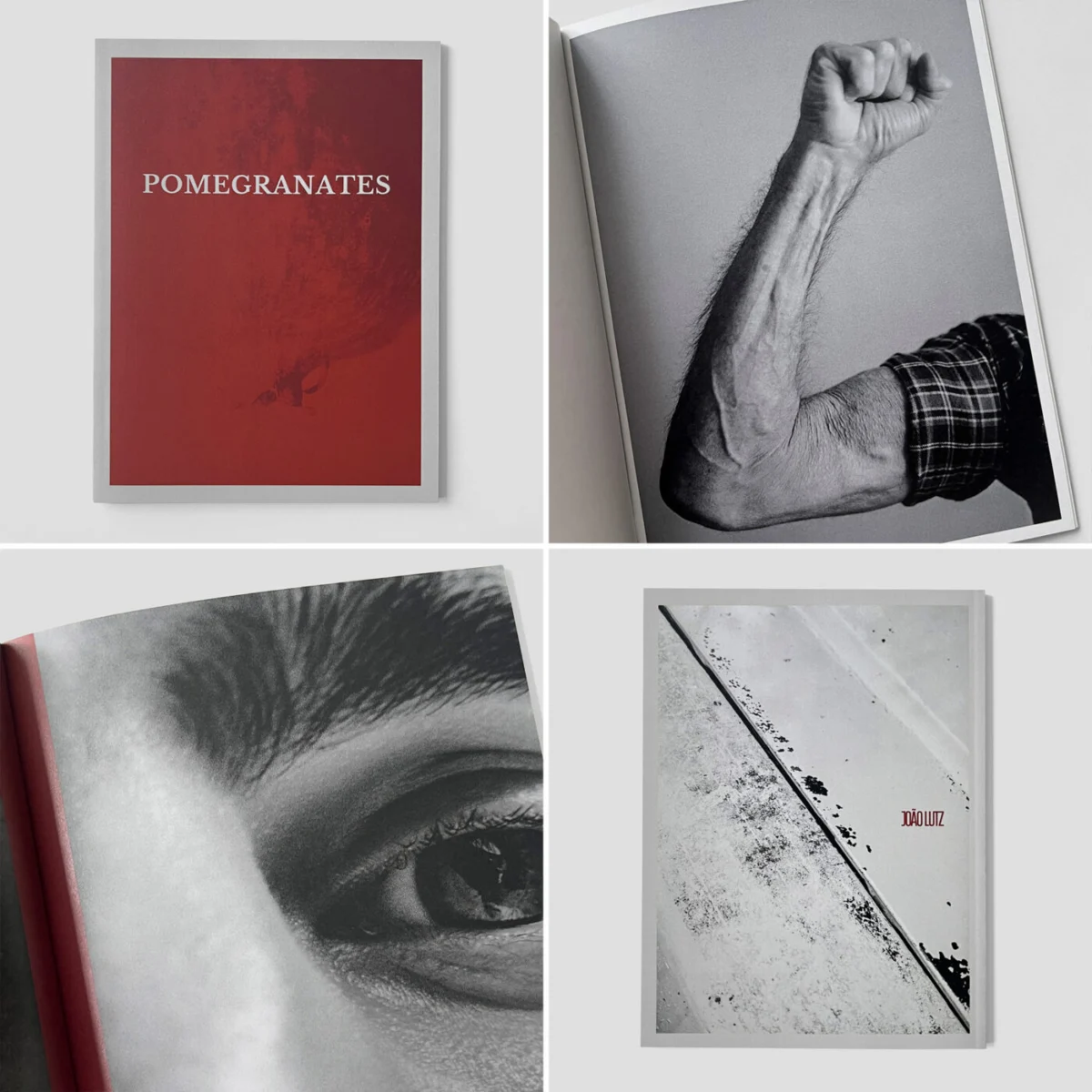
In the quiet, deliberate space where art meets biography, few projects manage to bridge the chasm between the unremembered past and the tangible present with as much vulnerability as the latest work from a burgeoning Brazilian photographer. Their latest book—a non-linear exploration of childhood, displacement, and the reclamation of truth—serves as more than just a collection of images; it is a profound act of self-reconstruction.
The project, which navigates the murky waters of forgotten childhood experiences and the subsequent pursuit of identity, challenges the viewer to look beyond the surface of static imagery. For the artist, who recently found themselves navigating the abrupt, disorienting transition from life in the United States back to their native Brazil, this work has become an essential vessel for meaning-making.
Chronology: From Farm Roads to Global Displacement
The arc of the artist’s life is defined by movement—physical, geographical, and psychological. Growing up on a remote farm in Brazil, their early life was characterized by 10-to-12-hour car journeys, long periods of confinement that served as the crucible for their imagination. "These trips were very contemplative," the artist reflects. "My parents engaged in imaginative talks about everything. This gave me a passion for exploring my imagination."
This early foundation of introspective travel set the stage for a later, more turbulent phase: a three-year residency in the United States. That chapter came to an abrupt, jarring conclusion when a visa denial necessitated an immediate return to Brazil. Forced to pack a life into a mere 20-day window, the artist was thrust back into their homeland with a newfound perspective. "Being here has been challenging but also refreshing," they note. "So much has changed me in my past three years living in the U.S. and I’m very grateful for that. This has definitely allowed me to see home differently."
This return sparked a shift in their creative philosophy. Currently, the artist is leaning into a nostalgic, memory-centric approach to photography, capturing the seemingly mundane details of their apartment and daily life, recognizing that these ordinary snapshots will eventually become the artifacts of their own history.
The Architecture of the Book: A Non-Linear Memoir
At the heart of this creative output is a book that defies traditional narrative structure. Eschewing the standard chronological progression of autobiography, the work mirrors the erratic, organic flow of the human mind. The text was composed as a journal, written in the exact order that memories surfaced—a raw, unfiltered process that the artist describes as a "hyper-focus burst."
"I usually take time at the end of projects to look at them from a third-person view and organize them into a cohesive narrative," the artist explains. "But this time, I couldn’t really step away. It still lives in me too strongly, and I think it will forever."
This lack of distance is precisely what gives the project its power. The book tackles difficult childhood memories—episodes that the mind struggles to verify—and uses photography to "see what I can’t remember." By filling the missing parts of their story with visual cues, the artist transforms photography from a mere technical craft into a psychological necessity.
Supporting Data: The Science of Instinctual Creation
When asked about their creative methodology, the artist identifies as "100% instinctual." This approach, while effective for generating raw, emotionally resonant content, creates a unique tension. The artist acknowledges a desire to become more intentional, yet the success of their current work lies in the lack of a predetermined destination.
The Role of Peer Support
A critical component of this creative evolution has been the intervention of community. The artist credits conversations with others who have navigated similar traumatic terrain as the primary catalyst for their progress. "Seeing that you’re not alone and hearing from people that are also learning how to navigate places with not much light shining on them—learning to trust themselves and the unknown—has been so encouraging," they say.
This support network provided the vital advice that underpinned the entire book: “Trust your feelings; if you feel them, they are real, and that is just enough.” This mandate served as the permission the artist needed to put pen to paper and lens to subject, validating the intangible sensations that the mind had long sought to discredit.
Official Responses and Philosophical Implications
The artist is acutely aware of the risk of being perceived as a victim, a label they actively reject. "I struggle with imagining people feeling sorry or pity for me," they state. "That’s not really the point. Feeling like the victim has been more of an anchor than something that allows me to move on."
Instead, the project acts as a manifesto on the validity of internal truth. The work posits that memories, even when lacking external evidence, hold a "truth of the heart" that is just as significant as objective fact. By centering this philosophy, the artist invites the reader to reconsider their own relationship with their past—to acknowledge the gaps in their history and to find ways to honor the sensations that persist despite the absence of documentation.
A Shift in Ambition
Looking toward the future, the artist’s goals are markedly simple, contrasting sharply with the typical professional pressures of the art world. Their focus for the coming year is the construction of a life built on "loved ones, time, and purpose," rather than the external metrics of success often imposed by society.
"I want to have memories and good stories to tell," they conclude. "No more than that."
Conclusion: The Persistence of Memory
This project stands as a testament to the resilience of the human spirit in the face of uncertainty. Whether through the lens of a camera or the lines of a journal, the artist has successfully navigated the precarious path between the trauma of the past and the uncertainty of a newly reclaimed present.
For those who engage with this work, the invitation is clear: to look at the "dark" corners of one’s own experiences and to recognize that the ability to trust one’s own feelings is, perhaps, the most important creative act of all. In a world that demands we quantify and verify every aspect of our existence, this artist’s work serves as a gentle, yet firm, reminder that what we feel is, in itself, the evidence of our lived reality.

 Nana
Nana
 Azzam Bilal Chamdy