Rifan Muazin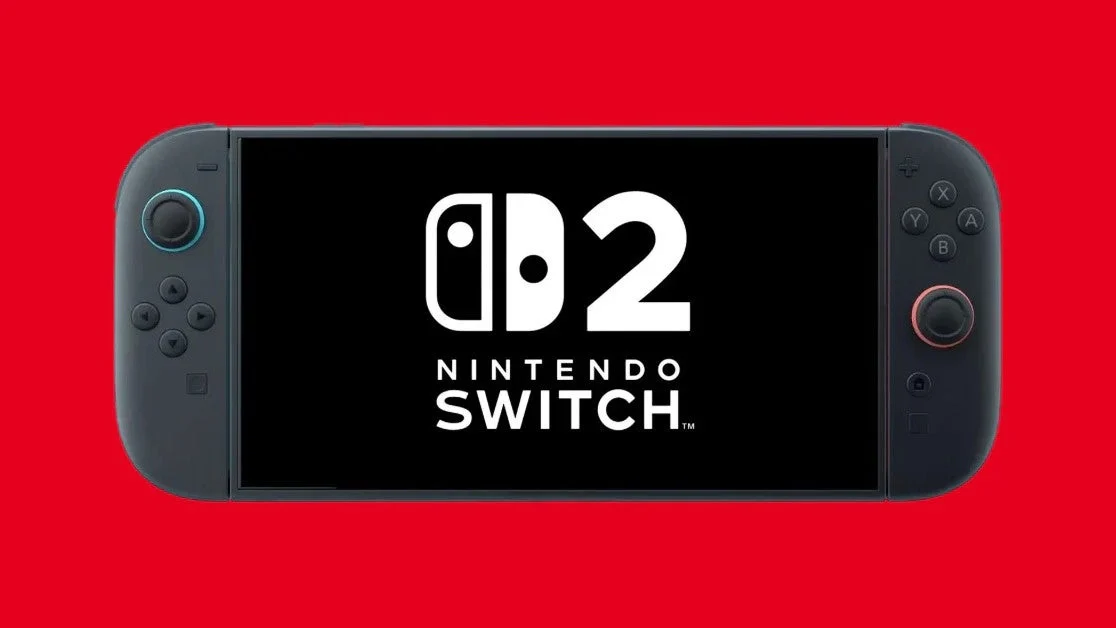
The global gaming industry is currently witnessing a volatile chapter in Nintendo’s storied history. Following recent disclosures regarding the pricing strategy for its next-generation hardware—the Nintendo Switch 2—the Kyoto-based gaming giant has experienced a notable retraction in its market valuation. While Nintendo remains one of the most profitable entities in the interactive entertainment sector, investors have reacted with trepidation to the company’s admission that rising hardware costs will inevitably "raise the barrier to purchase" for its consumer base.
This development comes at a critical juncture for Nintendo, as it navigates the transition from the record-breaking success of its original Switch architecture to the unproven, high-stakes landscape of its successor.
The Current Financial Landscape: A Sobering Correction
The recent market performance of Nintendo (NTDOY) has been characterized by significant downward pressure. As of the latest reporting, the company’s share value has seen a decline of nearly 9% over a five-day window, with a more pronounced 14.7% drop observed over the past month. Perhaps most concerning to long-term stakeholders is the year-to-date performance, which reflects a downturn exceeding 34%.
This decline is not merely a reaction to a single announcement but rather a culmination of market anxieties regarding hardware margins, shifting economic conditions, and the maturation of the current console cycle. Despite these figures, Nintendo’s leadership maintains a posture of long-term optimism, focusing on the intrinsic value of its software ecosystem rather than the short-term fluctuations of the stock market.
Chronology: The Path to the Current Impasse
To understand the current tension, one must look at the timeline of Nintendo’s recent fiscal decisions:
- Early Fiscal Year Initiatives: Nintendo entered the fiscal year with high expectations, bolstered by the successful launch and initial adoption of the Switch 2. Financial results for the period were robust, with net sales soaring significantly, buoyed by a strong library of launch titles and sustained consumer interest.
- The Global Economic Shift: Throughout the middle of the fiscal year, "changes in market conditions"—a term encompassing inflation, currency fluctuations, and increased supply chain costs—began to impact the bottom line. These macro-economic factors forced Nintendo to reassess its global pricing strategy.
- The Price Hike Announcement: In a move that sent ripples through the financial sector, Nintendo confirmed it would be raising the cost of its hardware across key regions, including Japan, the United States, Canada, and Europe. This decision was framed as a necessary adjustment to maintain profitability in an era of rising production expenses.
- Investor Feedback and Share Price Decline: Following the official confirmation of these price hikes, investors expressed immediate concern regarding the potential impact on mass-market adoption. The subsequent dip in share prices marked a period of intense scrutiny from market analysts.
Supporting Data: Understanding the "Barrier to Purchase"
The core of the current debate lies in price elasticity. In the gaming industry, hardware is often sold as a "loss leader" or at a razor-thin margin to ensure the largest possible install base, which then drives high-margin software sales. By increasing the entry price for the Switch 2, Nintendo is moving away from a strategy of ubiquity toward one of value-based preservation.
Industry analysts point out that while the Switch 2 offers advanced features compared to its predecessor, the price hike complicates the value proposition for the "casual" demographic—the very audience that propelled the original Switch to over 140 million units sold. If the entry price exceeds a certain psychological threshold, the conversion rate from curious consumer to console owner typically drops, leading to a slower adoption curve.
However, Nintendo’s historical data suggests that its software-first approach often mitigates these risks. The company’s ability to command high brand loyalty means that its core fans are frequently willing to absorb cost increases if the software library justifies the investment.
Official Responses: The Philosophy of "Engaging Gameplay"
Nintendo President Shuntaro Furukawa has been the primary voice addressing these concerns. In a transparent exchange with investors, Furukawa acknowledged the risks while reaffirming the company’s core business philosophy.
"We haven’t discussed the specific impact this price change will have on Nintendo Switch 2 sales, but we understand that it will raise the barrier to purchase to some extent," Furukawa stated. This admission was a rare moment of candor for the company, signaling a recognition that the current economic climate is challenging even for the most dominant players in the industry.
Crucially, Furukawa pivoted from the discussion of price to the discussion of value: "The most important thing in the gaming console business is to provide engaging gameplay that offers value beyond the price. We and our software partners will continue to release various titles, and we aim to expand the market by conveying these titles along with the new experiences unique to the Nintendo Switch 2."
This statement serves as a dual-pronged strategy:
- Software-Driven Value: Nintendo intends to leverage its unparalleled first-party IP (Intellectual Property) to ensure the Switch 2 feels like a "must-have" product.
- Market Expansion: By focusing on "new experiences," the company hopes to entice consumers who might otherwise be discouraged by the hardware price tag, framing the console as an essential entertainment device rather than a mere piece of hardware.
Implications for the Future of Nintendo
The implications of this strategy are significant for both the company and the broader gaming landscape.
1. The Risk of a Stagnant Install Base
If the price hike leads to a sluggish adoption rate, Nintendo may find it difficult to attract third-party developers who prioritize high install bases. This creates a "chicken and egg" scenario: developers want more users to justify high-budget ports, but users want more high-budget games to justify the purchase of the console.
2. The Quality-Over-Quantity Pivot
Nintendo’s emphasis on "engaging gameplay" suggests a doubling down on its internal studios. We can expect a highly curated release schedule for the Switch 2, designed to keep excitement high and provide consistent value throughout the console’s lifecycle. This move effectively insulates the company from the "churn and burn" cycle of hardware-only competition.
3. The Impact of Regional Price Adjustments
The decision to adjust prices differently across Japan, the US, Canada, and Europe reflects the complex nature of global commerce. Nintendo is currently balancing the strength of the Yen against the buying power of the US Dollar and the Euro. This fragmented pricing strategy will likely remain a fixture of their business model, requiring careful management to avoid "grey market" imports that could further destabilize regional sales.
Conclusion: A Test of Brand Resilience
Nintendo is currently in the midst of a stress test that will define the next five years of its corporate history. The market’s reaction to the price hikes is a reflection of a broader, more cautious investor sentiment regarding the gaming sector as a whole. However, Nintendo has historically thrived by ignoring industry trends in favor of its own, idiosyncratic path.
By prioritizing software quality and unique gameplay experiences over aggressive pricing competition, Nintendo is betting that its brand equity is strong enough to withstand the current economic headwinds. Whether this strategy will successfully lower the perceived "barrier to purchase" for the average consumer remains to be seen.
As the company prepares to release a slate of under-wraps titles later this year, the industry will be watching closely. If these games can capture the same cultural zeitgeist as The Legend of Zelda or Mario Kart, the current share price dip may be remembered as nothing more than a temporary correction in a long-term growth story. For now, Nintendo remains focused on its primary objective: proving that for the right experience, players are willing to pay the price.


 Layla Zulfa
 Laily UPN