

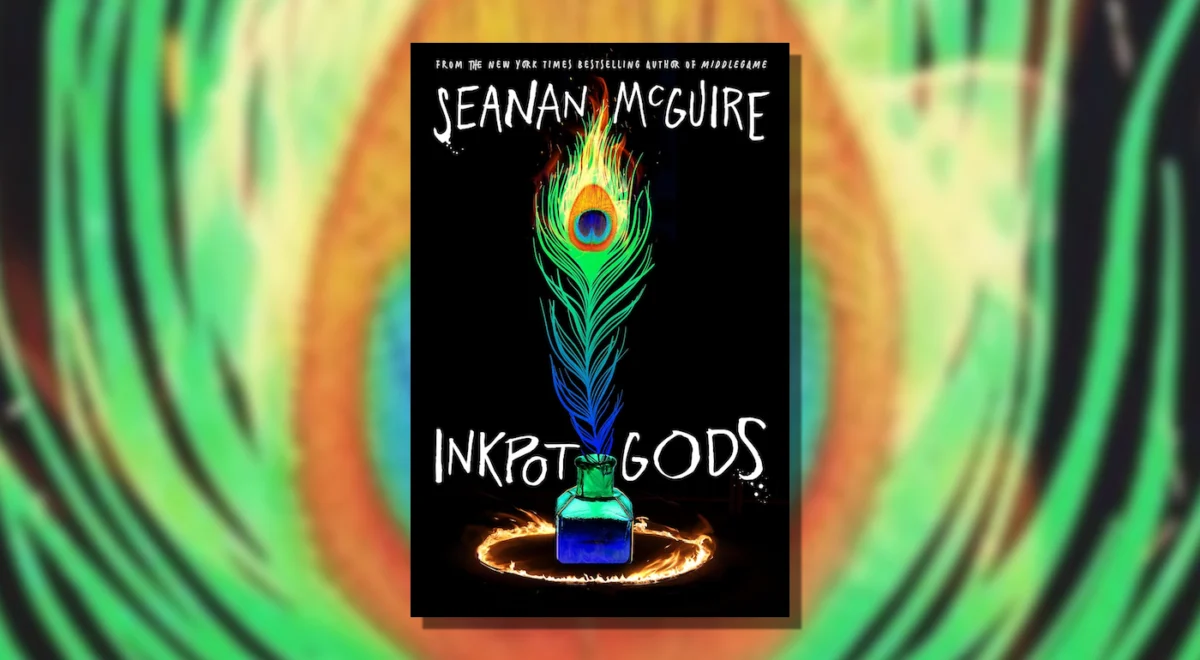
On June 9th, Tor Books will unveil Inkpot Gods, the highly anticipated fourth installment in Seanan McGuire’s acclaimed Alchemical Journeys fantasy series. The novel serves as a deep-dive into the cyclical nature of power, legacy, and the inescapable gravity of myth, expanding the franchise’s reach into the shadowed origins of its most formidable characters.
Asphodel Baker, the central architect of the series’ world-building, remains a haunting presence even a century after her disappearance. Known for refining the process of imbuing alchemically created life with genuine autonomy, Baker’s influence on the Impossible City—forged from imagination and built upon the ruins of Olympus—serves as the thematic bedrock for the new release. Inkpot Gods promises to explore whether the modern-day deities of this reality can successfully navigate the hellscape legacy left behind by their creator, or if they are doomed to repeat the catastrophic sins of the past.
The Chronology of an Impossible Birth
The narrative core of Inkpot Gods centers on a pivotal, tragic timeline that begins on January 7, 1865. The text provides an intimate, harrowing look at the life of Elisabet Turner, a woman whose existence was defined by isolation and physical hardship.
Elisabet, a resident of a small, superstitious Massachusetts village, stood in stark contrast to the societal expectations of her era. Suffering from the devastating aftereffects of the pox and marked by congenital physical deformities, she was an outcast in her own community. Her life took a surreal turn when, despite her lack of companionship, she became pregnant.
The villagers, clinging to the trappings of "civilized" life, were quick to whisper of witchcraft and demonic pacts. However, the truth, as revealed in the excerpt, was far more ancient and dangerous. Elisabet had been visited by a deity—a manifestation of a summer storm—who saw past her physical scarring to the observant, yearning soul beneath. This divine encounter left her with a child, Ilithyia, who would later be known as a catalyst for world-altering change.
Supporting Data: The Cost of Divinity
The tragic climax of Elisabet’s life occurred on July 2, 1865. Faced with a difficult labor and an impossible choice presented by a mysterious, otherworldly midwife, Elisabet chose the life of her daughter over her own.
Key details from this period highlight the "alchemy" of the event:
- The Sacrifice: Elisabet died after twelve hours of agony, leaving behind a daughter born of a storm.
- The Divine Intervention: The midwife, acting on behalf of the child’s divine father, facilitated a choice that effectively traded one life for a legacy that would echo through history.
- The Guardianship: Father Clemence, the local priest, assumed custody of the infant, Floretta Bearse. This decision, while compassionate, branded him as an object of suspicion within his own congregation, setting the stage for years of social and spiritual decline in the village.
By July 1872, the repercussions of this birth were undeniable. The village’s crops had withered, the land had turned sour, and the villagers, driven by fear and a collective anxiety, began to pressure Father Clemence to divest himself of the "wild" child.
Official Records and Societal Responses
The conflict reached a breaking point when local community members confronted Father Clemence, demanding he remove Floretta from their village. The ensuing dialogue reveals the deep-seated prejudices of the 19th-century setting and the desperate, often misplaced, morality of the villagers.

John Baker, Elisabet’s estranged uncle and a man defined by the rigid, industrious spirit of Boston, was eventually summoned to claim his niece. The encounter between Baker and Father Clemence serves as a critical junction in the narrative. Baker represents the "hardened" reality of the industrial age, standing in direct opposition to the fluid, mythological nature of Floretta’s origins.
In their exchange, Baker’s disdain for the village’s "poverty" and the "unnatural" circumstances of his niece’s birth is palpable. His decision to take Floretta back to Boston is not driven by paternal affection, but by a sense of familial duty and a desire to "fix" her identity, stripping away the name given by her mother and replacing it with one suitable for his own high-society aspirations.
Implications for the Alchemical Journeys
The implications of Inkpot Gods for the broader Alchemical Journeys series are profound. By anchoring the narrative in the history of the Turner family, McGuire shifts the focus from the macro-level world-building of the Impossible City to the micro-level origins of the entities that inhabit it.
The central question remains: Is agency truly possible when one is born of a "storm" or an "inkpot"? The text suggests that the future is "seen" and "set" by forces far beyond human comprehension. The tragedy of Elisabet Turner is that her life was merely a stepping stone for a deity’s legacy. Yet, the resilience of the characters—from the self-sacrificing mother to the conflicted priest—suggests that the human struggle against divine predestination is a fight worth watching.
Readers are left with the chilling realization that Ilithyia, the midwife who presided over the birth, was not merely a character but an agent of destiny. Her ability to manipulate the outcomes of lives demonstrates the power imbalance between the ancient, fading gods and the mortals who find themselves caught in their wake.
As the story transitions from the rural decay of a Massachusetts hamlet to the structured, ambitious environment of Boston, Inkpot Gods sets the stage for a clash between the remnants of an older, wilder world and the cold, mechanical future. The transformation of Floretta Bearse from a wildflower-gathering girl into a ward of the Baker estate marks the end of her innocence and the beginning of a trajectory that will undoubtedly impact the foundations of the Impossible City.
With this latest release, Seanan McGuire continues to prove that her strength lies in the intersection of the mundane and the miraculous. By grounding the epic stakes of her fantasy world in the raw, aching reality of a mother’s death and a daughter’s survival, she ensures that the "Inkpot Gods" are not just figures of legend, but entities whose existence demands a heavy price from those they choose to touch.
As fans prepare for the June 9th launch, the central mystery remains: Will Floretta become the architect of a new world, or will she become another tragic casualty in the ongoing battle between the gods of the past and the alchemists of the future? One thing is certain: the legacy of Asphodel Baker is far from concluded, and the ink is only just beginning to dry on the pages of history.









No comments yet. Be the first to join the conversation!