Lina Irawan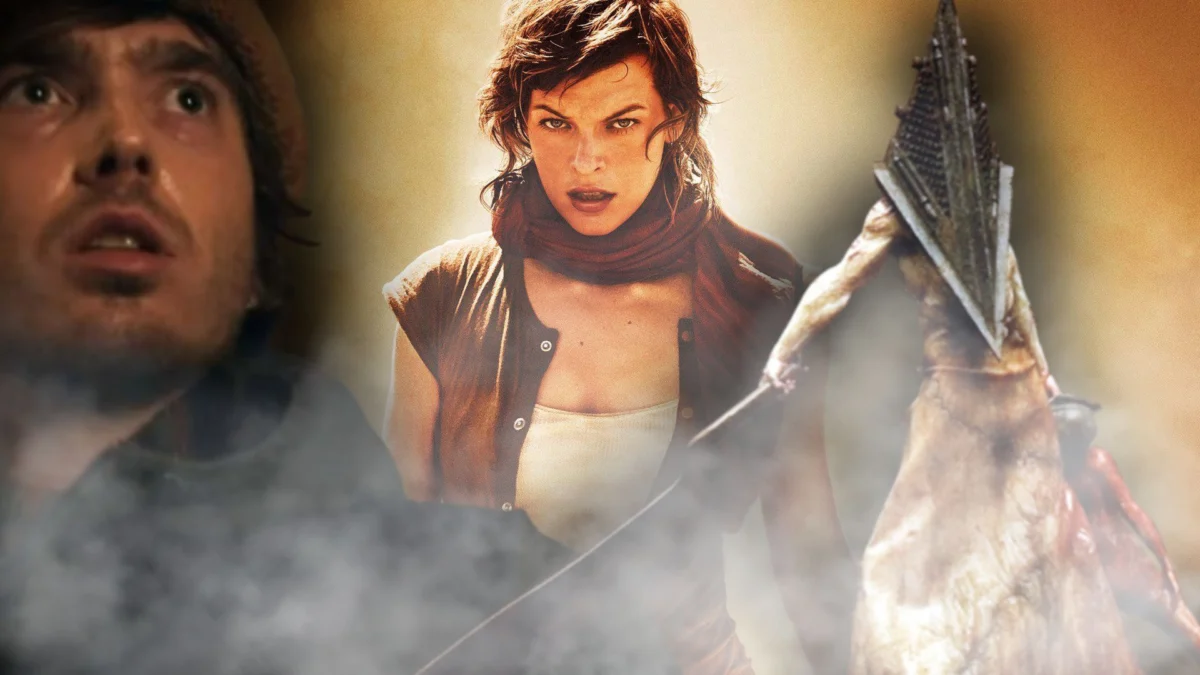
The announcement of Zach Cregger’s upcoming 2026 Resident Evil film has sent a familiar tremor through the gaming community. For decades, the Resident Evil franchise has struggled to find a cinematic home that honors its legacy while satisfying the demands of modern blockbuster audiences. As the teaser trailer for Cregger’s project hit the internet, the collective reaction was less of excitement and more of defensive skepticism. Fans immediately drew comparisons to the Paul W.S. Anderson-led films, specifically the "Alice effect"—the introduction of an original protagonist who often overshadowed established game icons, effectively hijacking the narrative of a beloved survival horror series.
This skepticism is not merely an exercise in gatekeeping; it is a response to a history of uneven adaptations. As we examine the landscape of video game-to-film transitions, it becomes clear that the tension between "source-material accuracy" and "creative liberty" is at an all-time high.
A Legacy of Unease: The Chronology of Adaptations
The Resident Evil film franchise has historically operated on a dichotomy: the high-octane, action-heavy approach popularized by the Anderson films, and the more recent attempts to pivot back toward the grounded, gothic horror roots of the original 1996 title.
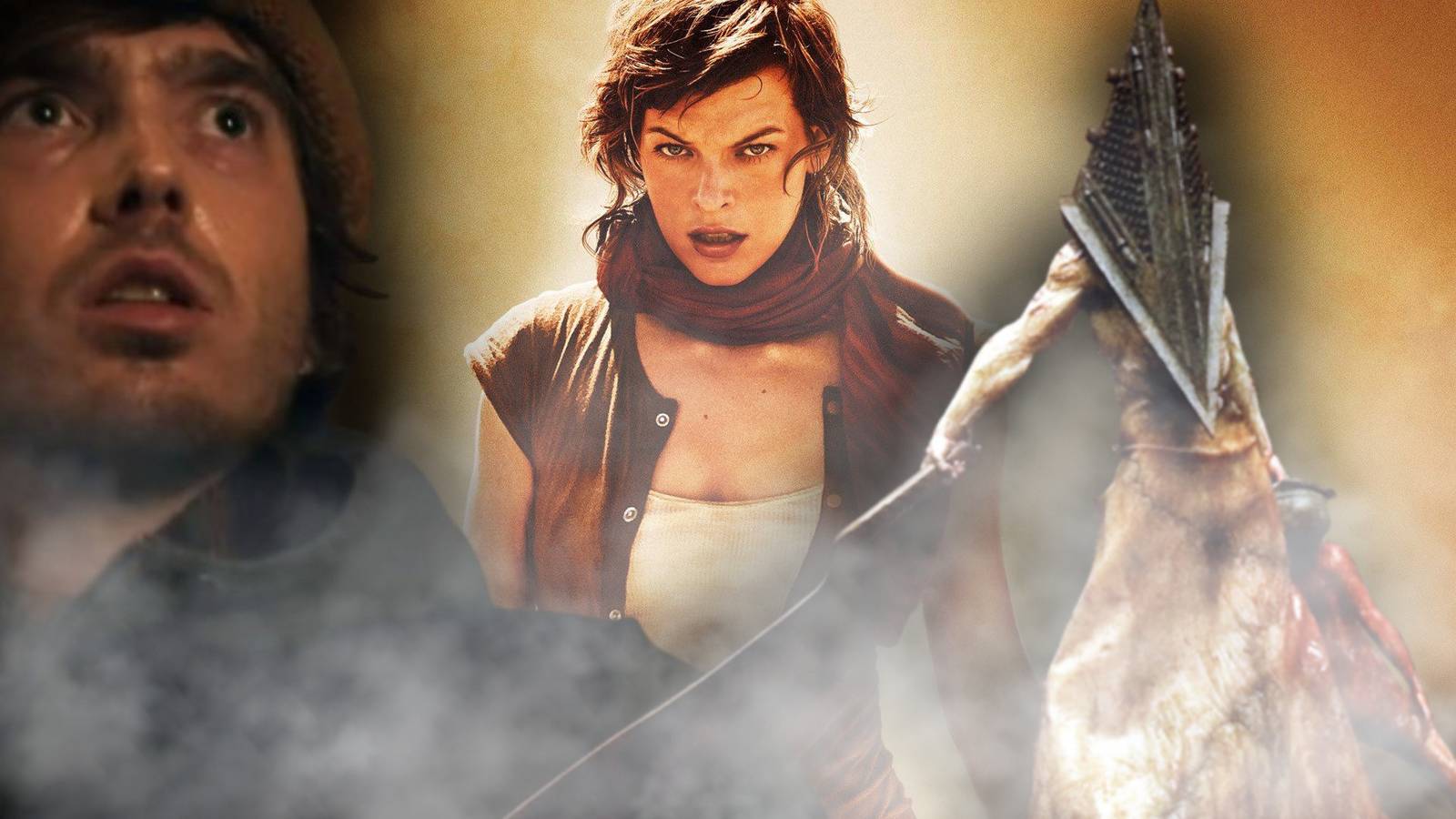
When Paul W.S. Anderson’s Resident Evil debuted, it established a template that favored spectacle over the series’ signature slow-burn dread. By introducing Alice, an original character, the films bypassed the need to adapt the complex, often convoluted lore of the games. While this allowed for a standalone narrative, it alienated fans who were hoping to see the struggles of Leon S. Kennedy, Jill Valentine, or Claire Redfield translated to the big screen.
Following this, the Silent Hill adaptation by Christophe Gans attempted a more faithful aesthetic translation. However, it too suffered from pacing issues and a narrative that felt disjointed for those unfamiliar with the source material. Now, in 2026, we are presented with Zach Cregger’s project, which opts to forgo the 1998 Raccoon City setting entirely, moving the narrative to a modern-day backdrop with an entirely new protagonist, Bryan (played by Austin Abrams).
The "Alice Effect" and the Burden of Originality
The central fear among the fanbase is that Cregger is repeating the mistakes of the past. By creating a character from the ground up, the film risks feeling like high-budget fanfiction rather than an authentic expansion of the Resident Evil universe.

The primary critique leveled against this approach is the lack of "anchors." In successful adaptations—such as Arcane, Super Mario Bros., or Sonic the Hedgehog—the creators leveraged the established character traits of iconic figures to build emotional stakes. These films did not necessarily copy the games’ plots 1:1, but they treated the source material as a sacred framework. When a director discards the legacy characters in favor of a self-insert, they lose the ability to rely on the audience’s existing emotional investment.
However, one must consider the counter-argument: the Resident Evil lore has become so dense and bloated over the last 30 years that it is arguably impossible to condense into a two-hour film without alienating general audiences. Cregger’s decision to move away from the "done to death" Raccoon City timeline may be a tactical maneuver to avoid the "prequel/sequel trap." The question remains: can an original story within the Resident Evil brand stand on its own without the crutch of its most famous faces?
Silent Hill as a Blueprint for Narrative Freedom
While the Resident Evil fandom wallows in its own cycle of adaptation anxiety, the Silent Hill franchise offers an intriguing, if underutilized, blueprint for success. Unlike Resident Evil, which is deeply tethered to its recurring cast of heroes and villains, the Silent Hill series is a collection of isolated, psychological deep dives.
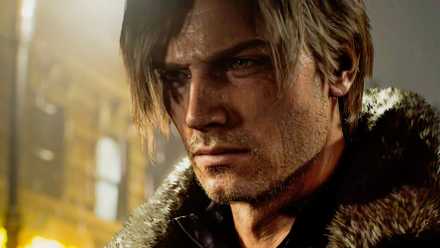
From James Sunderland’s harrowing journey in Silent Hill 2 to the existential dread of Silent Hill 4: The Room and the recent explorations in Silent Hill f, the series has proven that the "Silent Hill" brand is a state of mind rather than a fixed location. Because these games are inherently about personal trauma and subjective reality, they are theoretically better suited for original, standalone film adaptations.
A filmmaker could create a brand-new Silent Hill story that features zero legacy characters and still remain 100% "authentic" to the franchise’s ethos. The horror in Silent Hill is not about stopping a global virus; it is about the manifestation of internal guilt and societal decay. By focusing on that psychological "phenomenon," a filmmaker could craft a masterpiece of horror that exists in the same universe without being a slave to game-specific plot points.
The Role of Metaphor in Transmedia Storytelling
A major challenge in adapting video games is the loss of interactivity. In a game, the player’s agency is the primary vehicle for horror. We feel terror because we are the ones deciding to open the door, because we are the ones conserving the final bullet.
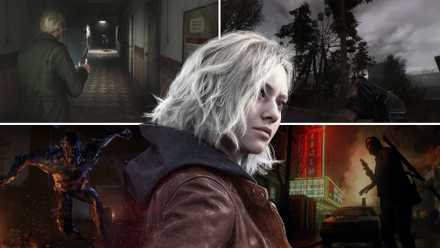
When that interaction is stripped away, movies must compensate through thematic depth and symbolism. The most successful horror films—think Jacob’s Ladder or the works of Jordan Peele—rely on visual storytelling to articulate internal states of mind. If a Silent Hill or Resident Evil film were to lean into this, it would need to stop trying to replicate the "gameplay" experience and instead focus on the "thematic" experience.
For instance, the monsters in Silent Hill are never just monsters; they are projections of the protagonist’s psyche. If a director were to approach a new story with this philosophy, they would have the freedom to invent new terrors that reflect modern-day insecurities—financial instability, technological isolation, or climate anxiety—rather than just rehashing the same Lickers or Pyramid Heads.
Official Responses and Industry Outlook
The industry at large is currently in a "Golden Age" of game adaptations, yet the Resident Evil 2026 film faces immense pressure to break the "curse" of the live-action medium. Producer involvement from industry giants like Asad Qizilbash and the backing of established horror producers suggest that this film is being treated as a priority project.
Industry analysts note that while fans are vocal about their desire for "canon-compliant" adaptations, the general movie-going public often prioritizes tone and visual style over lore accuracy. The success of the Resident Evil CGI films—which utilize legacy characters to tell original stories—proves that fans are not inherently opposed to new narratives, provided they feel like a natural extension of the established world.
Implications for the Future of Horror
If the 2026 Resident Evil film succeeds, it may provide a roadmap for how to handle long-running franchises that have become narratively stagnant. It could prove that you don’t need a specific protagonist to capture the "vibe" of a series. Conversely, if the film fails—particularly if the character of Bryan is perceived as a hollow "Alice 2.0"—it may signal the end of live-action experimentation for the series, potentially forcing Capcom to stick exclusively to the safer, fan-pleasing CGI formats or game-accurate animated projects.
The potential for a "perfect" original adaptation exists, but it requires a level of trust between the studio and the fanbase. Whether Zach Cregger can navigate this treacherous landscape remains to be seen. As we approach the September 18, 2026 release date, the gaming community will continue to watch with bated breath, hoping that the "Alice effect" remains a relic of the past and that this new chapter in Resident Evil history brings something fresh to the table.
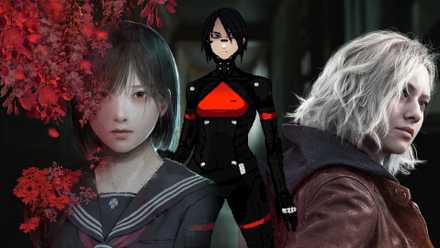
In the end, horror is a genre defined by the unknown. Perhaps the greatest strength of these upcoming films lies not in what we recognize from the games, but in the new, terrifying possibilities that a blank canvas provides. If the creators can tap into the core "phenomenon" of these worlds rather than just the surface-level iconography, they may yet prove that the best way to honor a game is to build something entirely new upon its foundation.

 Iffa Jayyana
 Sagoh
Sagoh