

The literary world’s most anticipated gauntlet for independent authors has officially begun. The 11th annual Self-Published Fantasy Blog-Off (SPFBO 11) is underway, signaling the start of a rigorous, multi-stage evaluation process that seeks to crown the year’s finest indie fantasy novel. As the contest kicks off, the judging panel at Fantasy Faction has announced the first five eliminations, setting a somber yet professional tone for the long road to the semi-finals.
The SPFBO Mandate: A Process of Elimination
For the uninitiated, the SPFBO is a monumental undertaking in the independent publishing sphere. Organized by author Mark Lawrence, the contest tasks various fantasy-focused blogs and review sites with evaluating a massive pool of entries. Fantasy Faction has been assigned a bracket of 30 titles, which they will whittle down through a series of "cuts" until only the strongest contenders remain.
The judging methodology is deliberate and non-linear. Rather than ranking books from "worst to best," the panel reviews groups of five at a time. This approach ensures that each work receives focused attention before a collective decision is reached on its viability for the semi-finals.

"All reading is subjective," emphasizes Jennie Ivins, editor at Fantasy Faction. This disclaimer remains the bedrock of the competition. While these five books have been eliminated from the Fantasy Faction bracket, the panel is quick to remind readers that a rejection here is merely a reflection of a specific group’s preferences, not a definitive judgment on a work’s quality.
Chronology of the First Cut
The elimination process began this week, marking the end of the road for the first quintet of hopefuls. Below is a breakdown of the titles that did not advance, alongside the specific critiques provided by the panel.
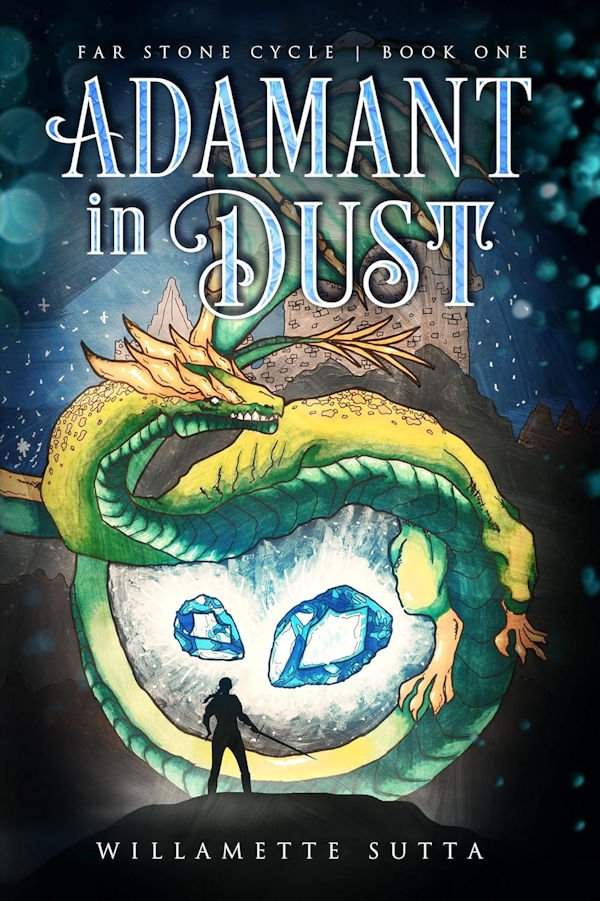
1. Adamant in Dust (Far Stone Cycle #1) by Willamette Sutta
Adamant in Dust promised a classic high-fantasy narrative featuring the "Far Stones of Power" and a princess, Pergi, caught in a web of prophecy and royal duty. Despite a compelling premise—a princess forced into a journey of self-discovery after her sister flees a political marriage—the panel found the execution lacked the necessary "sharp edges." While the inclusion of a wyvern was a high point for some, the judges cited flat prose and a sluggish, backstory-heavy opening as reasons for the book’s early exit.
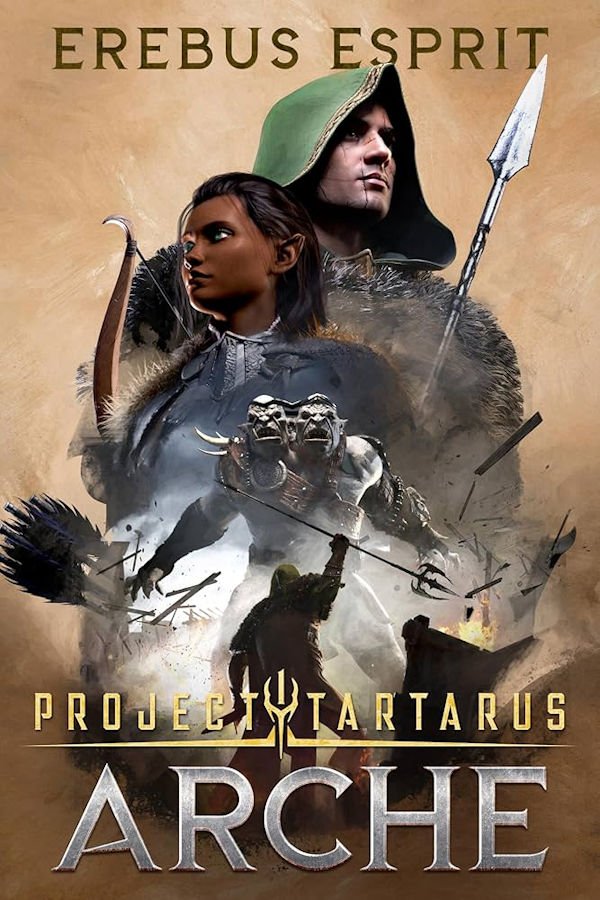
2. Arche (Project Tartarus #1) by Erebus Esprit
Representing the popular LitRPG subgenre, Arche attempted to thrust a nameless protagonist into a dangerous, level-based underworld. The panel noted that while the premise and potential for series-wide growth were evident, the structural presentation hindered the reading experience. Specifically, the heavy reliance on "stat boxes" and exhaustive mechanical explanations made it difficult for the judges to maintain narrative immersion.
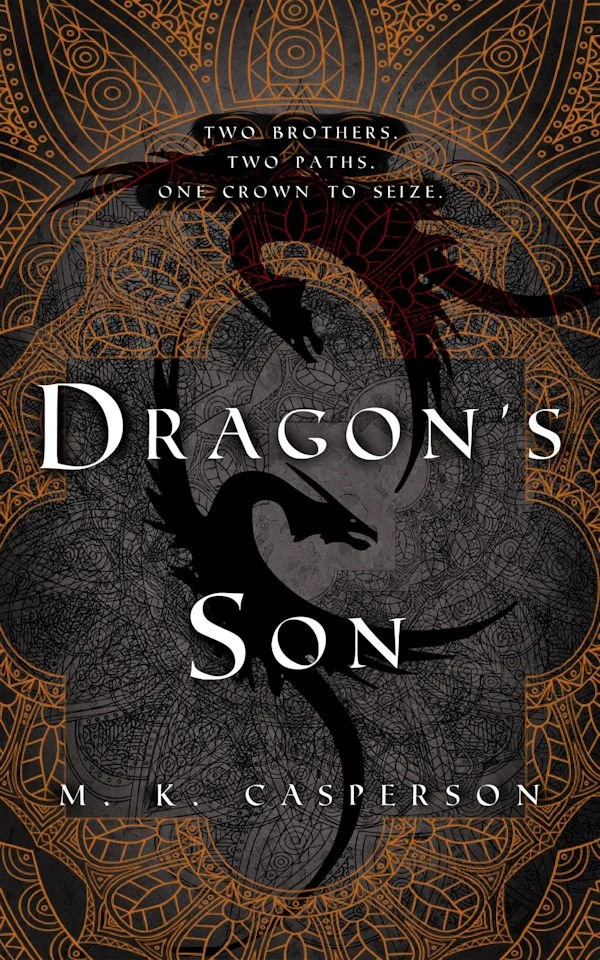
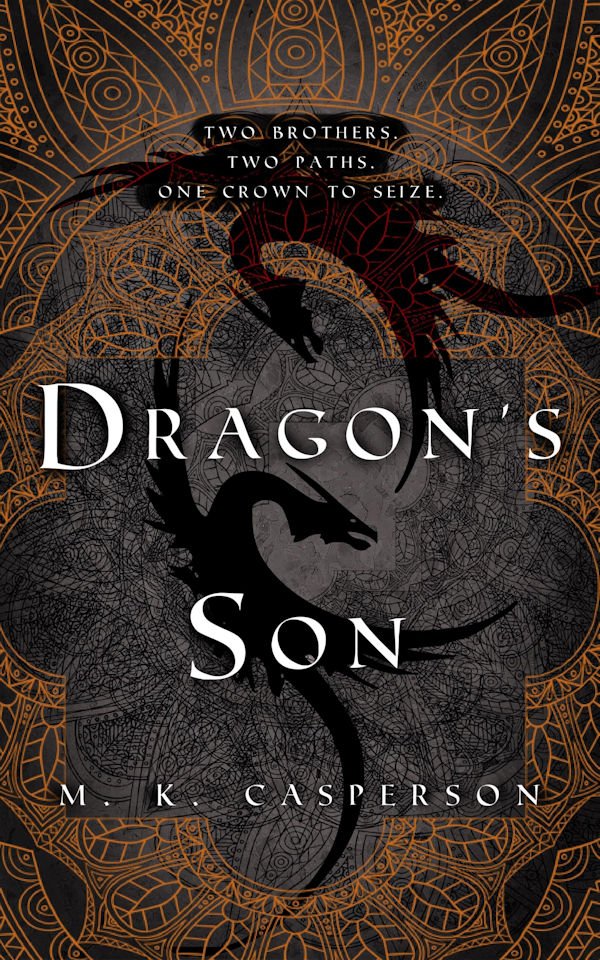
3. Dragon’s Son by M. K. Casperson
This entry offered a fast-paced blend of dragon lore and court intrigue. However, the panel identified a significant disconnect between the book’s pacing and emotional depth. The rapid-fire, short-chapter structure, while readable, left little room for the "showing" required to build authentic character connection. Furthermore, the panel expressed discomfort with the portrayal of a child-bride protagonist, noting that aging the character would have likely improved the reader’s ability to engage with the story.
4. Home for Retired Supervillains (Criminal Cove #1) by SF Sowter
Perhaps the most conceptually unique entry, Home for Retired Supervillains explored the twilight years of former NYC terror Doc Shock. Despite the promise of a dark, character-driven study on regret and power, the book suffered from a "too much detail" problem. The panel found the humor abrasive and the graphic, shock-forward style of the content did not resonate, even among judges who generally enjoy the darker end of the genre spectrum.
5. The Waking of Storm and Flame (The Fates of Aten #1) by N. A. Betts
As a debut epic fantasy, The Waking of Storm and Flame received praise for its prose style. However, in the crowded arena of epic fantasy, the book struggled to establish a clear direction in its opening chapters. The "info-dumping" necessary for high-fantasy world-building proved overwhelming, causing the judges to lose their footing before the story could truly take off.
Supporting Data and Judging Dynamics
The judging panel for SPFBO 11 is comprised of 14 distinguished voices: Adawia Asad, Eva Geraghty, Evelyn Grimald (“E.G.” Stone), Julia Kitvaria Sarene, Karen Lucia, Kerry Smith, Kit Caelsto, Maureen Neuman, Robert Max Freeman, Sara Rosevear, Sherry Cammer, Stacey Markle, Tianna Twyman, and Yaniv Rosenfeld Cohen.
This diverse group brings a wide array of genre tastes to the table, ranging from grimdark enthusiasts to lovers of traditional high fantasy. This diversity is essential to the contest’s integrity. By cycling through these 30 books with a panel that values different elements of storytelling—pacing, world-building, character voice, and prose—the SPFBO ensures that only the most well-rounded entries reach the final stage.
Official Responses and Authorial Courage
The tone of the announcement was one of professional grace. It is a significant undertaking for an indie author to subject their work to the public scrutiny of a high-profile contest like the SPFBO. The panel acknowledged this, thanking the authors for their courage in submitting their work.
"We know it is tough to get judged like this," the announcement stated. This sentiment underscores the reality of the independent market: for every book that is cut, there is an author who has poured years of effort into a project, only to have it dismissed in a matter of weeks by a panel of judges.
Implications for the Indie Fantasy Market
The elimination of these five titles is just the beginning of a broader trend in the SPFBO. As the competition progresses, the books that survive will likely be those that demonstrate a rare mastery of both "hook" and "sustain."

For the authors involved, the SPFBO serves as a massive visibility engine. Even those who fall in the first round often see a surge in interest simply by being associated with the competition. For the readers, the blog-off remains the premier destination for discovering "hidden gems" that might otherwise be buried by the sheer volume of self-published content released daily on platforms like Amazon and Goodreads.
With 25 books remaining in the Fantasy Faction bracket, the intensity is set to ramp up. The judges will now shift their focus toward potential semi-finalists. As these remaining titles are evaluated, the community will be watching closely to see which stories possess the narrative weight to survive the next round of cuts.
Those interested in following the progress of the remaining 25 titles—or keeping an eye on the full list of 300 entries across the entire competition—can visit the official SPFBO website. As the contest moves forward, the focus remains on the ultimate goal: finding the next great work of independent fantasy.











No comments yet. Be the first to join the conversation!