Trending News:The AI Transparency Frontline: New York’s Synthetic Performers Law Faces Its First Legal TestKatsuyuki Konishi Joins Cast of "Millennium Family" Anime as Eldest Sibling HaydenPowering the AI Revolution: How Nvidia’s DSX MaxLPS is Redefining Data Center EfficiencyThe Silicon Paradox: Why Apple’s M5 Pro Mac Mini Outprices the Newer M6Putting the Brakes on Nausea: Inside Google’s New Android Motion Assist FeatureA New Horizon for Anuparna Roy: ‘Lovers in the Blue Night’ Secures International Sales Deal Ahead of Venice PremiereA Masterclass in Consumer Goodwill: The Witcher 3 Remastered Sets a New Industry StandardSpike Chunsoft Adjusts Switch 2 Release of Danganronpa 2×2 to Game-Key Card Format, Pre-Orders for Special Edition AffectedThe Neon Horizon: Reimagining Cyberpunk in an Age of Digital DisenchantmentThe Ghost in the Machine: Inside OpenAI’s Breach of Hugging Face and the Future of Agentic SafetyBeyond the Horizon: How Neon Giant’s ‘No Law’ is Redefining Open-World DensityDoorDash Ups the Ante: Why the New Student DashPass Offer is a Game-Changer for Campus LifeA Reckoning in the Beauty Industry: Why Fans Are Boycotting Neutrogena Following Hayden Panettiere’s DeathThe Cost of Dissent: How a Kansas Town’s Fight Over AI Infrastructure Sparked a Free Speech CrisisCinematic Shadows: Your Definitive Guide to September’s Fantasy, Sci-Fi, and Horror SlateThe Last Stand: Manoj Bajpayee and Boman Irani Clash in Aravind Adiga’s ‘Last Man in Tower’The End of the Physical Era? Microsoft Unveils Groundbreaking Disc-to-Digital Xbox InitiativeThe Human Element: Australia Leads Global Push to Safeguard Charts from AI-Generated MusicThe Evolution of the Crunch: Pringles Revolutionizes the Snacking Experience with ‘Dippers’The Final Gift: Inside the Mystery of Dolly Parton’s Buried SongThe Uncanny Valley of Marketing: Why Humankind 2’s Trailer Sparked an AI Identity CrisisBungo Stray Dogs STORM BRINGER Manga Pauses Amidst Health Concerns for Artist Shiwasu HoshikawaThe Mythic Mundane: How Ali Trotta’s Offerings for Ordinary Gods Reclaims the Sacred in the EverydayThe Marketing Misstep That Shook Golf: Inside the Callaway and Good Good ControversyIntegrity in the Age of Trade Disputes: Why Panic is Returning Tariff Fees to Playdate OwnersResonance: A Plague Tale Legacy – A Masterclass in Evolution and Atmospheric HorrorThe Great Culinary Divide: KFC’s Oreo Chicken Burger Sparks Global Confusion and Viral FrenzyNvidia Unveils NVHBM: A Paradigm Shift for Custom AI Silicon and Memory EfficiencyThe Hunt for 007: Amazon MGM Studios and Denis Villeneuve Accelerate the Search for the Next James BondA New Era for Beverly Hills: Leah Remini and Tracy Tutor Join the ‘RHOBH’ DynastyNew Shonen Jump Series "Ura no Report" Promises a Devilishly Charming Youth RomanceGoal-Scoring Move: Roku Secures Exclusive Streaming Rights for NWSL Sunday Night MatchesBeyond the Dice: Wizards of the Coast and Invoke Studios Unveil ‘Warlock: Dungeons & Dragons’Pokemon Go Twilight Trails: A Comprehensive Guide to the Season’s Newest FeaturesU.S. Government Disrupts Sophisticated Chinese State-Sponsored Cyber InfrastructureThe Return of the Impossible: A Deep Dive into Zoé Duhaime’s The Lost SpectacularThe Queen of Country: Remembering Dolly Parton (1946–2026)Xbox Redefines Ownership: Physical Discs Now Unlock Digital LibrariesThe Inference Revolution: Inside Nvidia’s Strategic Integration of Groq TechnologyPrecision at the Edge: ASUS Unveils Tournament-Grade 24.5-Inch OLED Monitor Lineup at Gamescom 2026The Perils of “Urbex”: Second YouTuber Arrested Over Illegal Infiltration of Abandoned Louisiana MallThe Sudden Sunset of ‘Not Suitable for Work’: Why Mindy Kaling’s Latest NYC Dramedy Failed to Secure a FutureThe Final Vision: Exploring ‘Guns of Eschaton,’ the Occult Masterpiece of Viktor AntonovBloodstained: The Scarlet Engagement Delayed to 2027, Development Enters Final StagesThe Cosmic Gamble: Why HBO’s Lanterns is Sparking a Divided Creative WarThe Digital Frontier: EU Moves Toward Landmark Social Media Restrictions for MinorsThe New Frontier: SpaceX Announces $100 Billion "Starbase Louisiana" Mega-ProjectWarranty Woes: Micron’s “Pivot” Leaves Consumer Customers Fighting for FairnessThe Blue Bomber Reimagined: A Deep Dive into Mega Man: Dual OverrideThe Evolution of Conflict: Is Pokémon Moving Beyond the Turn-Based Era?The Unintentional Leak: How j-hope "Unpacked" the Galaxy Z Fold 8 Before SamsungThe Shadow of the Leek: Rockstar Games Grapples with the Fallout of the Massive GTA VI BreachThe Shadow in the City: Security Crisis in Caemlyn Following Targeted AttacksThe Seamless Transition: A Comprehensive Guide to Moving Your Data to a New iPhoneMia Wasikowska Returns to Venice: MMM Film Sales Secures Rights to Kuba Dorabialski’s Debut ‘Agata the Writer’A Sweet Nightmare: How an Uber Eats Delivery Gone Wrong Sparked a Viral MovementThe Future of Fandom: Independent Talent Group Launches Creative Studio Under Media Titan Deborah TurnessThe Art of the Human Touch: Why Apple’s New Mac Mini Ad Is Resonating with Creatives"Blue Box" Anime Gears Up for Highly Anticipated Second Season with Electrifying New Theme Songs and VisualsThe Sartorial Silence: Why Star Trek’s Costume Choices Are More Than Just "Retro"Esteemed Magicmaster Alus Reigin’s Retirement Plan Gets Enchanting Anime Adaptation in 2027, Welcomes Yui Ogura as Loki LeevahlThe Panopticon of Public Space: Why a Viral Central Park Kiss is Igniting a Privacy FirestormIntel’s Wildcat Lake: Redefining the Budget PC Paradigm via UCIe InnovationInstagram’s "First Draft": A Strategic Shift Toward Practical Automation in Video EditingThe End of an Era: Country Music Icon Dolly Parton Passes Away at 80The Micro-Drama Revolution: Vidio and ReelShort Forge Strategic Partnership to Reshape Indonesian StreamingThe Pixel-Perfect Classroom: How One Developer Used Mario to Master GodotHistorical Echoes Resonate as Yasuyuki Kase Joins "Inherit the Winds" Anime as Serizawa KamoThe Ghost in the Lab: The Rise, Fall, and Literary Legacy of ESP ResearchX Adjusts Algorithm to Prioritize "Mutuals" in a Bid to Improve DiscourseBuilding Dreams Brick by Brick: The Unveiling of ‘Lego Skylines’The "Luxury" Dorm Dilemma: Why John Lewis’s Student Checklist Has Sparked a Viral BacklashBeyond the Sword Coast: How ‘Warlock’ is Redefining the Dungeons & Dragons Video Game ExperienceThe Trojan Horse Effect: How Christopher Nolan’s ‘The Odyssey’ Became the Ultimate Litmus Test for Modern RomanceThe Ultimate AM5 Entry Point: Newegg’s Latest Bundle Offers High-End Gaming Performance at a Budget PriceThe September Streaming Landscape: A Deep Dive into Genre TelevisionFrom Silence to Liberation: Amanda Kernell’s ‘Brace Your Heart’ Redefines the Sápmi NarrativeHistorical Mystery Unveiled: Chie Shinohara to Launch New Manga "Itsukinomiya Genshitan" in "Cheese!" MagazineThe Hyte Y50 RGB: A Paradigm Shift in Affordable AestheticsInside the Courtroom: Instagram Chief Adam Mosseri Faces Scrutiny Over Teen Safety AllegationsA Final Farewell: Remembering Andree Greig Baudoin and the Legacy of Her Digital DiaryHonoring the Unseen Architects of Cinema: The Property Masters Guild Announces Third Annual MacGuffin AwardsThe Appetite for Disaster: How AI-Generated Menus Are Turning Diners AwayKinato’s Magic Concludes in Weekly Shonen Jump, Paving Way for New Adventures and Collected VolumesJustice Reloaded: Dan Stevens Set to Don the Armor in Prime Video’s RoboCop RebootThe Financial Frontier: Elon Musk Launches ‘X Money’ in Bid to Build the Ultimate Everything App
Trending News:The AI Transparency Frontline: New York’s Synthetic Performers Law Faces Its First Legal TestKatsuyuki Konishi Joins Cast of "Millennium Family" Anime as Eldest Sibling HaydenPowering the AI Revolution: How Nvidia’s DSX MaxLPS is Redefining Data Center EfficiencyThe Silicon Paradox: Why Apple’s M5 Pro Mac Mini Outprices the Newer M6Putting the Brakes on Nausea: Inside Google’s New Android Motion Assist FeatureA New Horizon for Anuparna Roy: ‘Lovers in the Blue Night’ Secures International Sales Deal Ahead of Venice PremiereA Masterclass in Consumer Goodwill: The Witcher 3 Remastered Sets a New Industry StandardSpike Chunsoft Adjusts Switch 2 Release of Danganronpa 2×2 to Game-Key Card Format, Pre-Orders for Special Edition AffectedThe Neon Horizon: Reimagining Cyberpunk in an Age of Digital DisenchantmentThe Ghost in the Machine: Inside OpenAI’s Breach of Hugging Face and the Future of Agentic SafetyBeyond the Horizon: How Neon Giant’s ‘No Law’ is Redefining Open-World DensityDoorDash Ups the Ante: Why the New Student DashPass Offer is a Game-Changer for Campus LifeA Reckoning in the Beauty Industry: Why Fans Are Boycotting Neutrogena Following Hayden Panettiere’s DeathThe Cost of Dissent: How a Kansas Town’s Fight Over AI Infrastructure Sparked a Free Speech CrisisCinematic Shadows: Your Definitive Guide to September’s Fantasy, Sci-Fi, and Horror SlateThe Last Stand: Manoj Bajpayee and Boman Irani Clash in Aravind Adiga’s ‘Last Man in Tower’The End of the Physical Era? Microsoft Unveils Groundbreaking Disc-to-Digital Xbox InitiativeThe Human Element: Australia Leads Global Push to Safeguard Charts from AI-Generated MusicThe Evolution of the Crunch: Pringles Revolutionizes the Snacking Experience with ‘Dippers’The Final Gift: Inside the Mystery of Dolly Parton’s Buried SongThe Uncanny Valley of Marketing: Why Humankind 2’s Trailer Sparked an AI Identity CrisisBungo Stray Dogs STORM BRINGER Manga Pauses Amidst Health Concerns for Artist Shiwasu HoshikawaThe Mythic Mundane: How Ali Trotta’s Offerings for Ordinary Gods Reclaims the Sacred in the EverydayThe Marketing Misstep That Shook Golf: Inside the Callaway and Good Good ControversyIntegrity in the Age of Trade Disputes: Why Panic is Returning Tariff Fees to Playdate OwnersResonance: A Plague Tale Legacy – A Masterclass in Evolution and Atmospheric HorrorThe Great Culinary Divide: KFC’s Oreo Chicken Burger Sparks Global Confusion and Viral FrenzyNvidia Unveils NVHBM: A Paradigm Shift for Custom AI Silicon and Memory EfficiencyThe Hunt for 007: Amazon MGM Studios and Denis Villeneuve Accelerate the Search for the Next James BondA New Era for Beverly Hills: Leah Remini and Tracy Tutor Join the ‘RHOBH’ DynastyNew Shonen Jump Series "Ura no Report" Promises a Devilishly Charming Youth RomanceGoal-Scoring Move: Roku Secures Exclusive Streaming Rights for NWSL Sunday Night MatchesBeyond the Dice: Wizards of the Coast and Invoke Studios Unveil ‘Warlock: Dungeons & Dragons’Pokemon Go Twilight Trails: A Comprehensive Guide to the Season’s Newest FeaturesU.S. Government Disrupts Sophisticated Chinese State-Sponsored Cyber InfrastructureThe Return of the Impossible: A Deep Dive into Zoé Duhaime’s The Lost SpectacularThe Queen of Country: Remembering Dolly Parton (1946–2026)Xbox Redefines Ownership: Physical Discs Now Unlock Digital LibrariesThe Inference Revolution: Inside Nvidia’s Strategic Integration of Groq TechnologyPrecision at the Edge: ASUS Unveils Tournament-Grade 24.5-Inch OLED Monitor Lineup at Gamescom 2026The Perils of “Urbex”: Second YouTuber Arrested Over Illegal Infiltration of Abandoned Louisiana MallThe Sudden Sunset of ‘Not Suitable for Work’: Why Mindy Kaling’s Latest NYC Dramedy Failed to Secure a FutureThe Final Vision: Exploring ‘Guns of Eschaton,’ the Occult Masterpiece of Viktor AntonovBloodstained: The Scarlet Engagement Delayed to 2027, Development Enters Final StagesThe Cosmic Gamble: Why HBO’s Lanterns is Sparking a Divided Creative WarThe Digital Frontier: EU Moves Toward Landmark Social Media Restrictions for MinorsThe New Frontier: SpaceX Announces $100 Billion "Starbase Louisiana" Mega-ProjectWarranty Woes: Micron’s “Pivot” Leaves Consumer Customers Fighting for FairnessThe Blue Bomber Reimagined: A Deep Dive into Mega Man: Dual OverrideThe Evolution of Conflict: Is Pokémon Moving Beyond the Turn-Based Era?The Unintentional Leak: How j-hope "Unpacked" the Galaxy Z Fold 8 Before SamsungThe Shadow of the Leek: Rockstar Games Grapples with the Fallout of the Massive GTA VI BreachThe Shadow in the City: Security Crisis in Caemlyn Following Targeted AttacksThe Seamless Transition: A Comprehensive Guide to Moving Your Data to a New iPhoneMia Wasikowska Returns to Venice: MMM Film Sales Secures Rights to Kuba Dorabialski’s Debut ‘Agata the Writer’A Sweet Nightmare: How an Uber Eats Delivery Gone Wrong Sparked a Viral MovementThe Future of Fandom: Independent Talent Group Launches Creative Studio Under Media Titan Deborah TurnessThe Art of the Human Touch: Why Apple’s New Mac Mini Ad Is Resonating with Creatives"Blue Box" Anime Gears Up for Highly Anticipated Second Season with Electrifying New Theme Songs and VisualsThe Sartorial Silence: Why Star Trek’s Costume Choices Are More Than Just "Retro"Esteemed Magicmaster Alus Reigin’s Retirement Plan Gets Enchanting Anime Adaptation in 2027, Welcomes Yui Ogura as Loki LeevahlThe Panopticon of Public Space: Why a Viral Central Park Kiss is Igniting a Privacy FirestormIntel’s Wildcat Lake: Redefining the Budget PC Paradigm via UCIe InnovationInstagram’s "First Draft": A Strategic Shift Toward Practical Automation in Video EditingThe End of an Era: Country Music Icon Dolly Parton Passes Away at 80The Micro-Drama Revolution: Vidio and ReelShort Forge Strategic Partnership to Reshape Indonesian StreamingThe Pixel-Perfect Classroom: How One Developer Used Mario to Master GodotHistorical Echoes Resonate as Yasuyuki Kase Joins "Inherit the Winds" Anime as Serizawa KamoThe Ghost in the Lab: The Rise, Fall, and Literary Legacy of ESP ResearchX Adjusts Algorithm to Prioritize "Mutuals" in a Bid to Improve DiscourseBuilding Dreams Brick by Brick: The Unveiling of ‘Lego Skylines’The "Luxury" Dorm Dilemma: Why John Lewis’s Student Checklist Has Sparked a Viral BacklashBeyond the Sword Coast: How ‘Warlock’ is Redefining the Dungeons & Dragons Video Game ExperienceThe Trojan Horse Effect: How Christopher Nolan’s ‘The Odyssey’ Became the Ultimate Litmus Test for Modern RomanceThe Ultimate AM5 Entry Point: Newegg’s Latest Bundle Offers High-End Gaming Performance at a Budget PriceThe September Streaming Landscape: A Deep Dive into Genre TelevisionFrom Silence to Liberation: Amanda Kernell’s ‘Brace Your Heart’ Redefines the Sápmi NarrativeHistorical Mystery Unveiled: Chie Shinohara to Launch New Manga "Itsukinomiya Genshitan" in "Cheese!" MagazineThe Hyte Y50 RGB: A Paradigm Shift in Affordable AestheticsInside the Courtroom: Instagram Chief Adam Mosseri Faces Scrutiny Over Teen Safety AllegationsA Final Farewell: Remembering Andree Greig Baudoin and the Legacy of Her Digital DiaryHonoring the Unseen Architects of Cinema: The Property Masters Guild Announces Third Annual MacGuffin AwardsThe Appetite for Disaster: How AI-Generated Menus Are Turning Diners AwayKinato’s Magic Concludes in Weekly Shonen Jump, Paving Way for New Adventures and Collected VolumesJustice Reloaded: Dan Stevens Set to Don the Armor in Prime Video’s RoboCop RebootThe Financial Frontier: Elon Musk Launches ‘X Money’ in Bid to Build the Ultimate Everything App
For the late Filipino-American artist Pacita Abad (1946–2004), the act of creation was inextricably linked to the act of transit. Throughout a sprawling 32-year career that spanned continents and cultures, Abad cultivated a nomadic practice that defied the rigid confines of Western art institutions. By the time of her passing, she had traveled to more than 60 countries, gathering visual languages, textile traditions, and socio-political insights that she synthesized into her signature trapunto paintings.
Currently, the Tina Kim Gallery in New York is revisiting a pivotal chapter of this globe-trotting odyssey with Door to Life. The exhibition highlights a body of work conceived in the late 1990s, inspired by the ornate, resilient architecture of Yemen. It serves as a poignant reminder that for Abad, art was not merely an object for gallery walls, but a living dialogue with the world. As she famously remarked, “For me, traveling is my art school.”
Main Facts: The Yemen Connection
In the spring of 1998, Abad arrived in Yemen, a nation still grappling with the physical and societal scars of the civil war that had erupted four years earlier. Drawing upon her own experiences with political instability in her native Philippines, Abad found a profound kinship with the Yemeni people. She was struck by the persistence of culture in the face of upheaval, specifically the way architectural landmarks—and the thresholds that define them—remained symbols of hope and endurance.
The resulting works, now showcased in Door to Life, represent a visual archive of her excursions. Using hundreds of photographs and sketches as her primary resource, Abad translated the intricate facades of Yemeni buildings into vibrant, tactile compositions. The gallery describes these works as "portals," inviting the viewer to contemplate the intersection of public space and private interiority.
Chronology: A Lifetime of Movement
Abad’s trajectory was defined by a constant state of transition, which directly informed the evolution of her artistic technique:
1946: Born in Basco, Batanes, Philippines, into a family deeply involved in local politics.
1970s: Relocated to the United States to study law, but quickly pivoted toward the arts, eventually settling in the vibrant, multicultural landscape of Washington D.C. and later, international hubs.
1998: Abad travels to Yemen. This trip becomes the catalyst for her Door to Life series, marking a period of intense focus on architectural motifs and the decorative arts.
1999: The initial Door to Life exhibition premieres, accompanied by a small publication that documented her fascination with the doorways of Thula and Sanaa.
2000–2004: Abad continues to innovate, expanding her qamariya series and further refining her trapunto technique, which involved stuffing and stitching canvases to create a sculptural, three-dimensional effect.
2026 (Present): The Tina Kim Gallery hosts a retrospective look at the Door to Life series, re-contextualizing these works for a contemporary audience.
Supporting Data: The Architecture of Memory
Abad’s work is characterized by its materiality. Her trapunto style—a form of quilted painting—allowed her to move beyond the flat surface of the canvas. By applying paint, dyeing fabric, and stitching layers together, she mimicked the textural depth of the architecture she admired.
The Significance of the Qamariya
One of the most striking elements of the current exhibition is the series of qamariya paintings. In Yemeni architecture, particularly in the capital city of Sanaa, the qamariya is a semicircular window made of stained glass, often placed above rectangular windows. The term, which translates to "moon-like" or "of the moon," reflects the object’s function: to capture and diffuse light in a way that softens the harsh desert sun.
Abad’s interpretation of these windows on canvas serves as a metaphor for her own practice: the ability to filter global experiences through a personal lens, creating something that is both historically rooted and uniquely contemporary. Her use of geometric patterns and botanical motifs mirrors the intricate, repetitive designs found in traditional Islamic art, yet her bold, saturated color palette remains distinctly her own.
Technical Breakdown
The works in Door to Life utilize a diverse range of materials, including:
Oil and Acrylic: Used for gestural, expressionist marks.
Appliqué: Layers of dyed and painted cloth that provide structural relief.
Stitching: Hand-sewn details that create ridges and valleys on the canvas surface.
Found Objects: In some instances, buttons and straw mats are incorporated to ground the work in the reality of the places she visited.
Official Responses and Curatorial Insight
The Tina Kim Gallery has emphasized that Abad’s work stands apart from the typical "art school" lineage of the late 20th century. In their exhibition statement, the gallery notes:
"Rather than positioning herself within a nameable lineage of artistic influences who moved in conventional gallery spaces, Abad instead favored the inheritance of historically anonymous workers in craft, textiles, and the decorative arts, from locations outside of established Western institutional and market infrastructure."
This institutional acknowledgment highlights the radical nature of Abad’s practice. By centering her work on the "anonymous workers" of the Global South, she challenged the hierarchy of the art world. She did not seek to "elevate" craft; she sought to integrate it with the fine arts, insisting that the decorative traditions of Yemen, the Philippines, and elsewhere were as intellectually rigorous as any movement coming out of New York or Paris.
Implications: A Global Legacy
Pacita Abad’s Door to Life is more than a historical look back; it is a blueprint for a more inclusive understanding of global art. Her legacy forces a re-evaluation of how we categorize "modernism." If modernism was once defined by its break from tradition, Abad proposed an alternative: a modernism built through the deep study and preservation of traditional techniques, practiced across borders.
The Portals as Metaphor
The "door" in Abad’s work is a powerful, multi-layered metaphor. In the context of her travels, these doors were literally the thresholds she passed through while exploring foreign lands. In the context of her creative process, they represent the "opening" of her consciousness to new ways of seeing.
As she noted, "Everyday a new idea, everyday a new door." This suggests that the artistic process is never static. By capturing these thresholds on canvas, she was attempting to hold onto the fleeting nature of discovery. For the viewer today, these works offer a rare, intimate look at a woman who lived with her eyes wide open, refusing to be a tourist in the lives of others, choosing instead to be a participant in the global culture of human creativity.
Current Exhibition Details
Door to Life is currently on display at the Tina Kim Gallery in New York through June 20. For those interested in the depth of her research, the gallery has made archival materials available, including the original documentation from her 1999 exhibition. The ability to "flip through" these digital archives provides a rare opportunity to see the sketches and photographs that eventually became the vibrant, stitched masterpieces on the gallery walls.
Ultimately, Pacita Abad’s work serves as a bridge. It connects the viewer to the specific, sun-drenched streets of Sanaa, while simultaneously reminding us that the most significant borders to cross are the ones we build within our own minds. Her art remains a testament to the idea that by looking outward, we arrive at a deeper understanding of ourselves. As we navigate an increasingly fragmented world, the doors that Abad painted remain open, inviting us to walk through and discover the beauty of a shared, global existence.
A Masterclass in Consumer Goodwill: The Witcher 3 Remastered Sets a New Industry Standard
In an era where the term "remaster" is often synonymous with cynical cash grabs and predatory upselling, CD Projekt Red (CDPR) has stunned the gaming industry with a move that…
Beyond the Horizon: How Neon Giant’s ‘No Law’ is Redefining Open-World Density
In the ever-evolving landscape of AAA game development, the industry has spent the better part of a decade chasing the horizon. From the sprawling, often sparse deserts of Assassin’s Creed…

 Lina Hope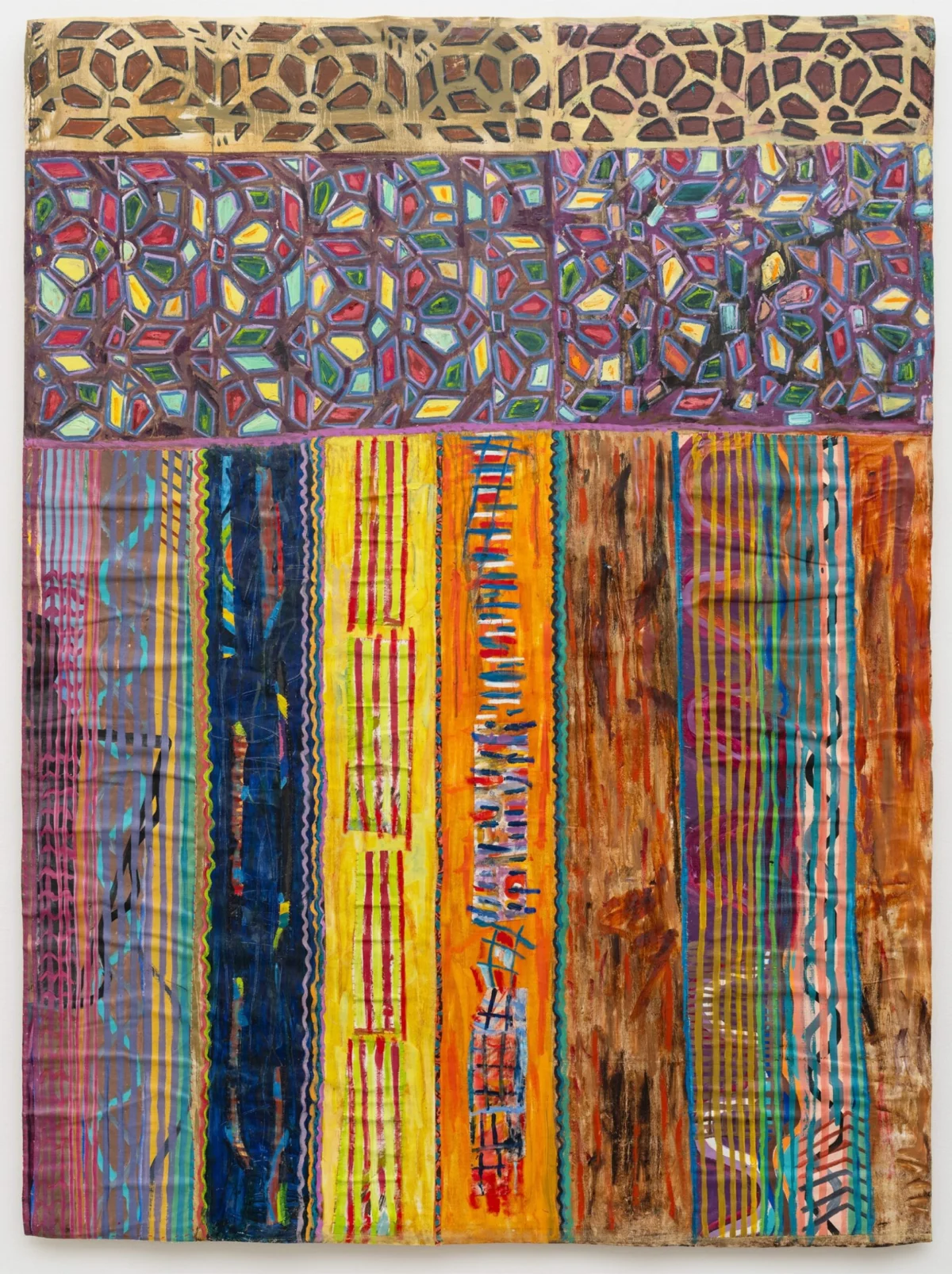


 Nana Wu
 Suro Senen