Neng Nana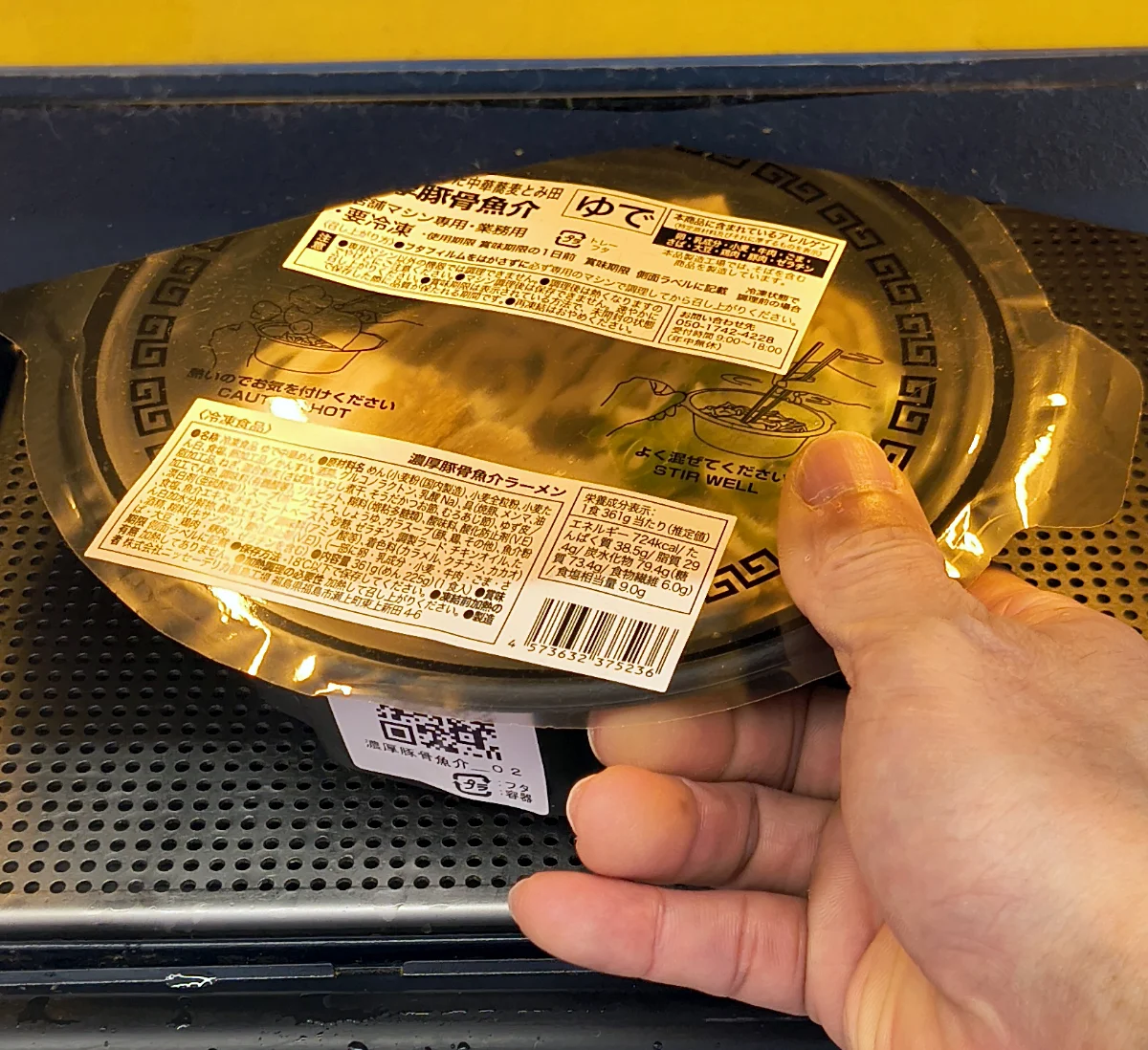
In the landscape of Japanese retail, few institutions are as culturally significant as the konbini (convenience store). For decades, these stores have served as the backbone of daily life for millions, offering everything from high-quality bento boxes to essential financial services. However, 7-Eleven Japan has consistently sought to redefine the boundaries of the convenience sector. Following the 2013 debut of their ubiquitous self-service bean-to-cup coffee machines and the 2022 rollout of viral, automated smoothie stations, the retail giant has introduced its most ambitious culinary project to date: the "Steama" self-service ramen machine.
Currently available in a select group of 41 locations within Saitama Prefecture, this automated cooking system is transforming how consumers perceive "instant" food. By bridging the gap between frozen convenience and restaurant-quality preparation, 7-Eleven is not merely selling a meal; it is selling an experience that challenges the long-standing stigma associated with microwavable or factory-processed noodles.
The Genesis of "Dekitate Men"
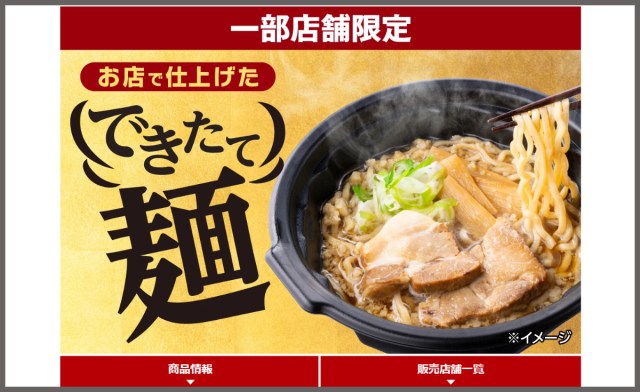
The initiative, branded internally as Dekitate Men—literally translating to "Freshly Made Noodles"—was launched in October 2025. Developed in collaboration with the tech powerhouse SoftBank, the "Steama" machines represent a sophisticated piece of industrial engineering designed to fit within the constrained footprint of a standard convenience store.
The core premise is simple: a high-tech, space-saving unit capable of thawing, steaming, and serving five distinct varieties of noodle dishes, including ramen, udon, and soba, in a matter of minutes. Unlike standard industrial microwave ovens that often leave food with uneven temperatures or soggy textures, the Steama machine utilizes a precise steam-injection process that revitalizes the ingredients, ensuring the broth is emulsified correctly and the noodles retain their structural integrity.
A User’s Journey: From Freezer to Bowl
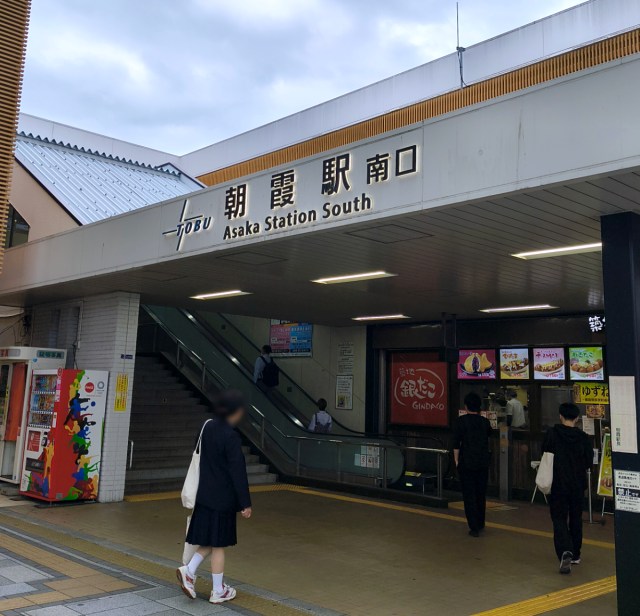
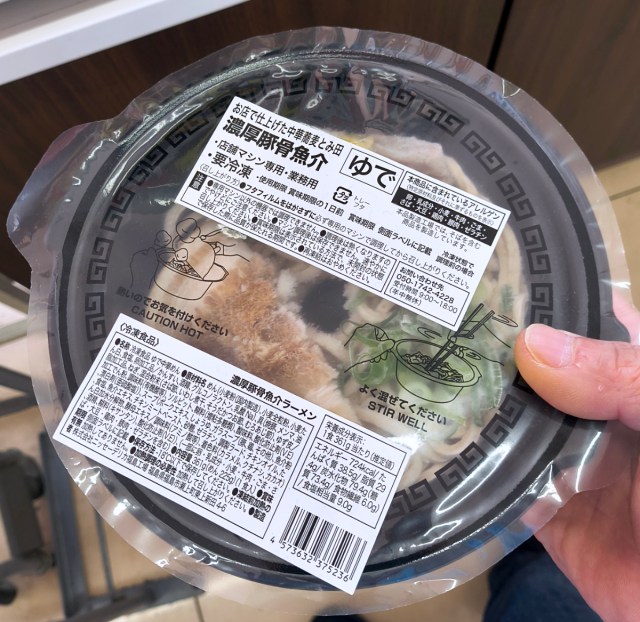
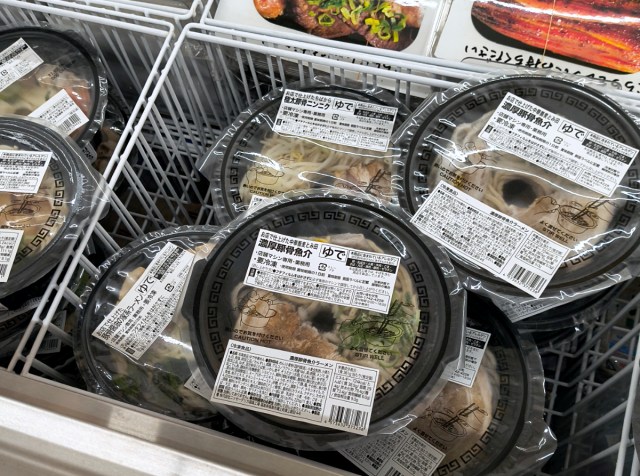
For the uninitiated, the process of using the machine is both intuitive and surprisingly theatrical. The experience begins in the store’s frozen food aisle, where customers select their preferred bowl. During our visit to a pilot location near Asaka Station—a quick 27-minute trip from the bustling center of Shinjuku—the selection included a standout Rich Pork Bone and Seafood Ramen, priced at 880 yen (approximately $5.60 USD).
The Step-by-Step Process:
- Selection: Customers purchase their chosen frozen bowl from the freezer.
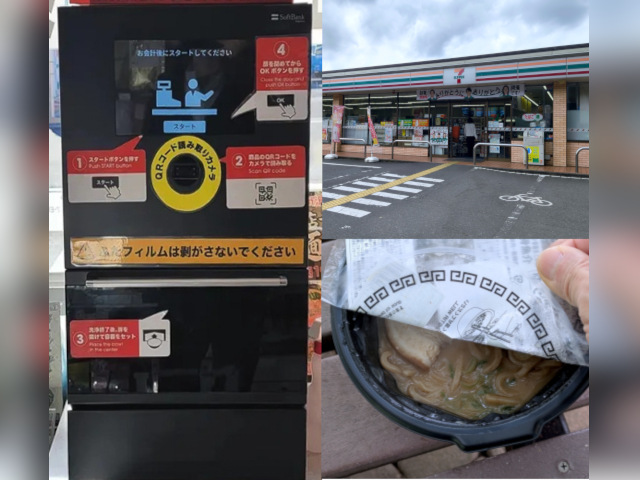
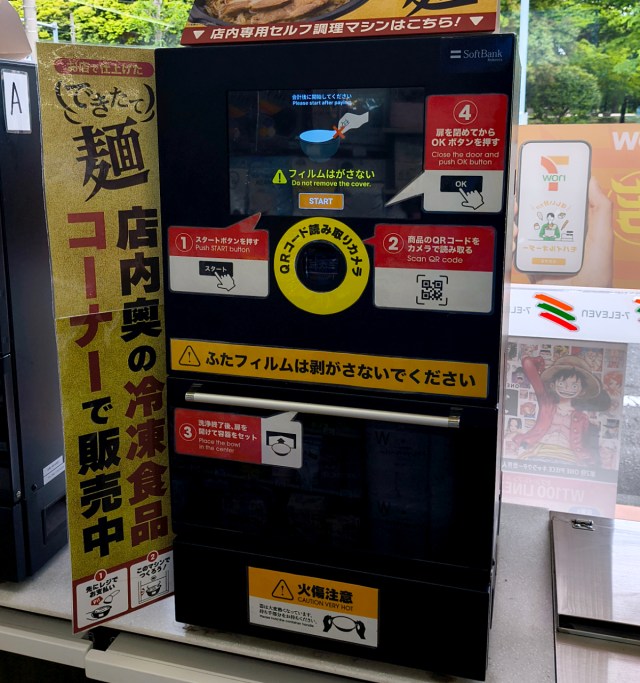
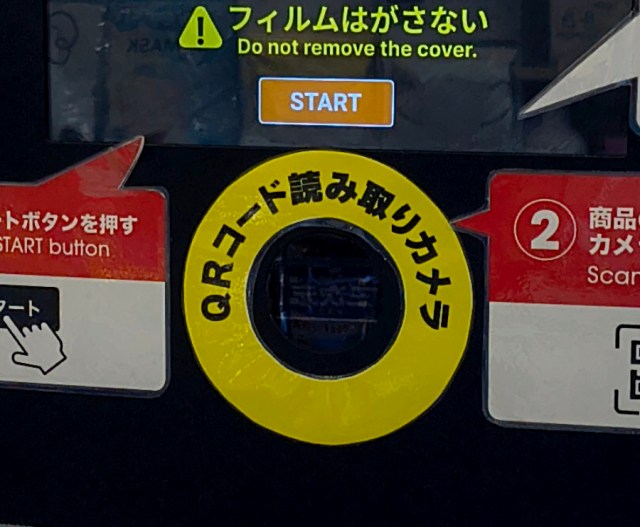
- Initialization: Upon approaching the jet-black, minimalist machine, the user presses the "Start" button, which initiates the pre-heating cycle.
- Authentication: After a brief warm-up period, the machine prompts the user to scan a QR code located on the side of the product packaging. This ensures the machine knows the exact cooking requirements—such as time and temperature—for that specific dish.
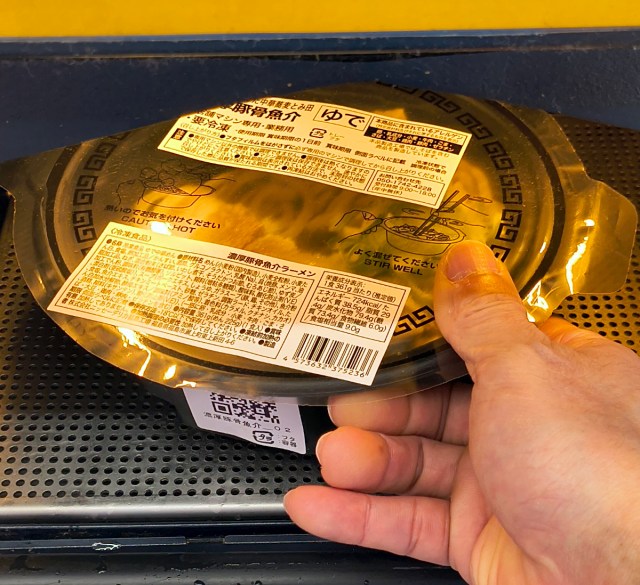
- Loading: Once the internal lock is released, the user places the bowl onto the tray. Crucially, the protective film lid must remain intact.
- The Cooking Phase: As the door closes, an automated nozzle pierces the center of the film. Through this aperture, the machine injects high-pressure steam. Observers can see the process in action, accompanied by the sight of aromatic steam escaping as the broth and noodles are thawed and heated simultaneously.
- Finishing Touches: Upon completion, the machine provides a specialized sticker. This is not for decoration, but a functional tool: the customer uses it to seal the hole in the film lid, ensuring the broth stays hot and spill-free during the transit to a dining area or home.
Supporting Data: Why It Matters
While the novelty of the machine is undeniable, the technical success lies in the quality of the end product. The partnership with Chuka Soba Tomita, an award-winning, Michelin-recognized ramen establishment based in Chiba, is the "secret sauce" behind the venture.
Our testing revealed that the heating process is remarkably uniform. Unlike traditional heating methods, the steam-injection system prevents the "edge-cold, center-hot" phenomenon common in conventional microwave reheating. The broth, which features complex layers of pork bone extract and seafood umami, is further elevated by the inclusion of fresh yuzu peel—a touch typically reserved for high-end ramen shops.
Perhaps most impressive is the char siu (braised pork belly). In most convenience store iterations, this protein is often dry or tough. In the Steama-prepared version, the meat was substantial in size and tender enough to be easily torn with chopsticks, signaling a major shift in the quality of refrigerated proteins.
Official Responses and Strategic Outlook
7-Eleven has remained relatively quiet regarding the long-term roadmap for the Steama machines. However, industry analysts suggest that the slow, measured rollout—keeping the machines confined to 41 stores in Saitama for over six months—indicates a strategy of "controlled optimization."
The company is likely monitoring several key metrics:
- Maintenance Frequency: The complexity of the nozzle and steam system requires frequent cleaning and sanitation, which places an additional burden on store staff.
- Customer Throughput: While the machines are efficient, they take longer than a standard microwave, which could lead to queues during peak lunch hours.
- Profit Margins: At 880 yen, the product sits at a premium price point for a convenience store. The company is evaluating whether the higher price tag aligns with the target demographic’s willingness to pay for "restaurant-quality" convenience.
A spokesperson for the retail chain noted in early press releases that the goal of the Dekitate Men project is to provide a "premium dining experience that fits into the fast-paced lifestyle of the modern Japanese commuter." They emphasized that while expansion is the ultimate goal, perfecting the user interface and the reliability of the hardware remains the current priority.
Implications for the Convenience Industry
The introduction of the Steama machine has profound implications for the global convenience store market. For decades, the "convenience" offered by stores has been synonymous with "pre-packaged" and "room temperature." By integrating automated cooking technology directly into the retail floor, 7-Eleven is essentially transforming its stores into micro-kitchens.
1. The Death of the "Soggy Noodle" Stigma
For years, the biggest obstacle to fresh-tasting convenience food has been the reheating process. If 7-Eleven can successfully scale this technology, it could fundamentally alter consumer habits, potentially siphoning business away from mid-range casual dining chains.
2. Labor Efficiency
While the machines require some interaction, they are largely self-service. This allows staff to focus on other tasks—such as stocking shelves or managing the POS system—without needing to spend time preparing or plating food.
3. The "Experience" Economy
Modern consumers, particularly in urban Japan, are increasingly drawn to "experiences" over mere transactions. Being able to watch one’s meal being prepared by a futuristic, automated system adds a layer of entertainment to a routine grocery run. This "gamification" of the dining experience is a powerful tool for customer retention.
The Road Ahead
As of mid-2026, the ramen machine remains a regional curiosity, a must-try for foodies and tech enthusiasts visiting the Saitama area. The question remains whether this will follow the path of the coffee machine—becoming a standard fixture in every one of the brand’s 20,000+ Japanese stores—or whether it will remain a high-tech niche experiment.
Given the positive reception from consumers and the demonstrable jump in quality compared to traditional offerings, the pressure to expand is mounting. The logistical hurdles of installing and maintaining 41 machines are trivial compared to the task of a national rollout, yet 7-Eleven’s history suggests they are more than capable of managing the transition.
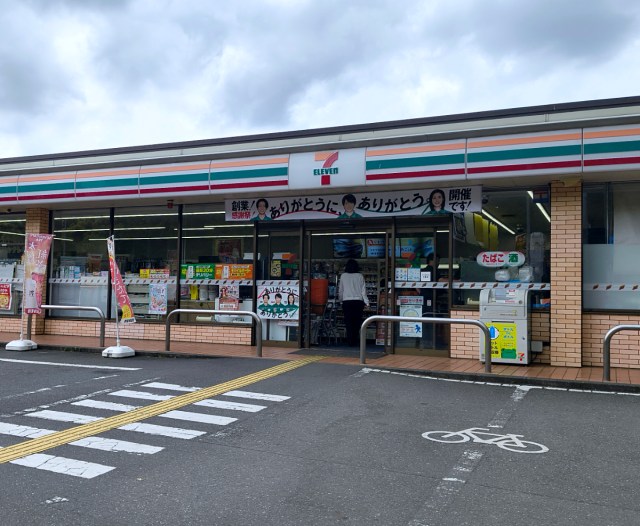
For those eager to experience the future of instant dining, a visit to the Asaka Saiwaicho 1-chome store offers a glimpse into what may soon be the new normal for convenience dining. Whether you are a ramen aficionado looking for the next trend or simply a traveler looking for a hot, reliable meal on the go, the Steama machine is a testament to the fact that in Japan, the future of food is never far away—and it’s almost always served with a side of convenience.
Store Information for Interested Travelers:
- Name: Seven-Eleven Asaka Saiwaicho 1-chome Store
- Address: Saitama-ken, Asaka-shi, Saiwaicho 1-4-1
- Accessibility: Located a 10-minute walk from Asaka Station (approx. 27 minutes from Shinjuku Station).
- Operating Hours: 24 hours a day, 7 days a week.
As the culinary world continues to embrace automation, 7-Eleven’s foray into the world of self-service ramen serves as a fascinating case study in how technology can elevate the mundane into something truly memorable. For now, the people of Saitama have a head start on a culinary revolution that may soon be coming to a street corner near you.



 Asro
Asro