Nila Kartika Wati
In the landscape of modern blockbuster filmmaking, release date shifts are almost synonymous with production delays. Whether it is a result of script rewrites, VFX bottlenecks, or unforeseen logistical challenges, the industry has grown accustomed to seeing highly anticipated projects drift further into the future. However, in a rare reversal of this trend, Nintendo and producer Shigeru Miyamoto have delivered a shock to the cinematic community: the upcoming live-action The Legend of Zelda film has been moved up, not back.
Initially slated for a May 7, 2027, release, the project is now officially scheduled to debut in theaters on April 30, 2027. While a single week might seem marginal in the grand scheme of a multi-year production cycle, the shift signals a profound level of confidence from Nintendo and director Wes Ball, suggesting that the production has not only met its internal milestones but potentially exceeded them.
The Myth of the Delayed Game and the Reality of Hollywood
Shigeru Miyamoto, the legendary creative force behind Super Mario, Donkey Kong, and The Legend of Zelda, is frequently credited with the adage: "A delayed game is eventually good, but a rushed game is forever bad." While this quote has become a mantra for the gaming industry, it is widely acknowledged by historians and industry insiders that Miyamoto never actually uttered these specific words. Despite the misattribution, the philosophy has long defined Nintendo’s corporate culture.
For decades, Nintendo has prioritized the "polish" of its products over the pressures of quarterly earnings or holiday windows. This commitment to quality is precisely why the news of an earlier release date for the Zelda film is so jarring. By choosing to accelerate the release, Nintendo is breaking away from its own traditional, cautious approach. It suggests that the production team, led by Wes Ball—known for his work on The Maze Runner trilogy—has hit a level of creative synergy that allows for a swifter path to the silver screen.
Chronology: From Concept to Cinema
The path to a live-action Legend of Zelda movie has been a decades-long "will-they-won’t-they" saga for fans. For years, rumors of a Netflix series or a high-budget feature film circulated through the internet, only to be debunked or abandoned. It wasn’t until November 2023 that Nintendo officially confirmed that a feature film was in development, with Miyamoto serving as a producer alongside Avi Arad.
- November 2023: Nintendo formally announces the development of a live-action The Legend of Zelda film. Wes Ball is confirmed as the director.
- Early 2025: Pre-production ramps up as the team works on establishing the look and feel of Hyrule, a world that demands a distinct visual identity that balances fantasy with the grounded reality of live-action cinema.
- Mid-2025: Reports emerge indicating that filming has progressed smoothly, with early sequences showcasing a faithful, yet cinematic, interpretation of Hyrule.
- May 2026: Miyamoto takes to social media to announce that the film is ahead of schedule. The official release date is adjusted from May 7, 2027, to April 30, 2027.
- Present Day: With principal photography reportedly wrapped, the project enters the final phases of post-production and visual effects rendering.
Supporting Data: Why This Shift Matters
In the cutthroat world of the box office, release dates are chosen with military precision. Studios avoid "crowding" their own films or competing against massive tentpoles that could cannibalize ticket sales. The fact that The Legend of Zelda is moving into a new slot suggests that Nintendo and its distribution partners—Sony Pictures is set to co-finance and distribute the film—have identified a strategic advantage in the late-April window.
When examining the current slate of 2027 films, the competition is fierce but distinct. By arriving on April 30, Zelda effectively claims the early summer blockbuster spotlight. It avoids the potentially cluttered landscape of mid-May, which is often reserved for high-octane action sequels or superhero entries. This timing allows the film to establish its own momentum before the true "summer movie season" hits full gear in June and July.
Furthermore, the "rushed" narrative often plagues films that are forced to cut corners during post-production. However, because Nintendo has kept the budget and creative control tightly under their own purview, this acceleration likely points to the efficacy of the digital assets and motion capture processes already completed.

Official Responses and Creative Vision
While Miyamoto’s public statements have been brief, they carry the weight of authority. His commentary implies that the creative team is not just meeting expectations but is genuinely excited about the quality of the footage already in the can.
Director Wes Ball has previously stated that he views the project as a "dream come true" and has emphasized his desire to create a "live-action Miyazaki-esque" experience. The ambition here is clearly not to create a standard fantasy action movie, but to capture the sense of wonder and exploration that defines the Zelda franchise. By pulling the date forward, the studio is essentially saying, "The work is done, and it’s ready to be seen."
This is a significant departure from the marketing cycles of other major adaptations. Often, studios use the final year of production for intense reshoots or heavy VFX polishing that can lead to delays. The absence of such delays here indicates that the core vision of the film has remained stable from the start of the writing process to the final edit.
Implications for the Future of Video Game Adaptations
The success of The Super Mario Bros. Movie in 2023 changed the paradigm for how Hollywood views Nintendo’s intellectual property. Before that, the shadow of the disastrous 1993 Super Mario Bros. movie loomed large. Now, with Zelda moving up in the schedule, we are seeing a new era where Nintendo is not just participating in Hollywood—they are dictating the terms.

1. The "Nintendo Standard" of Quality
If the Zelda film succeeds, it will solidify the idea that video game adaptations no longer need to be "low-bar" popcorn entertainment. By maintaining direct creative oversight, Nintendo ensures that the source material—the atmosphere, the music, the lore—is treated with the same respect as a flagship game release.
2. A New Competitive Edge
The industry will be watching this shift closely. If a major, high-budget fantasy epic can move its release date forward successfully, it may encourage other studios to rethink their production pipelines. It demonstrates that transparency and proper pre-production planning can mitigate the need for the "crunch" culture that often leads to burnout and, ironically, poor quality control.
3. The Impact on the Box Office
For fans, this means a one-week shorter wait for a journey to Hyrule. For the industry, it is a statement of intent. The film will arrive just as audiences are hungry for a major event-style release. Should it perform well, it could potentially challenge the box office dominance of other franchises, proving that fantasy adventures don’t have to be tied to existing cinematic universes to find massive success.
Conclusion: The Countdown Begins
As we look toward April 30, 2027, the anticipation surrounding The Legend of Zelda will only continue to mount. Whether the film manages to capture the intangible magic of the games remains to be seen, but the decision to move the release date forward is an undeniably bold statement. It suggests that, unlike many other projects lost in the gears of Hollywood bureaucracy, The Legend of Zelda is being steered with a steady hand.
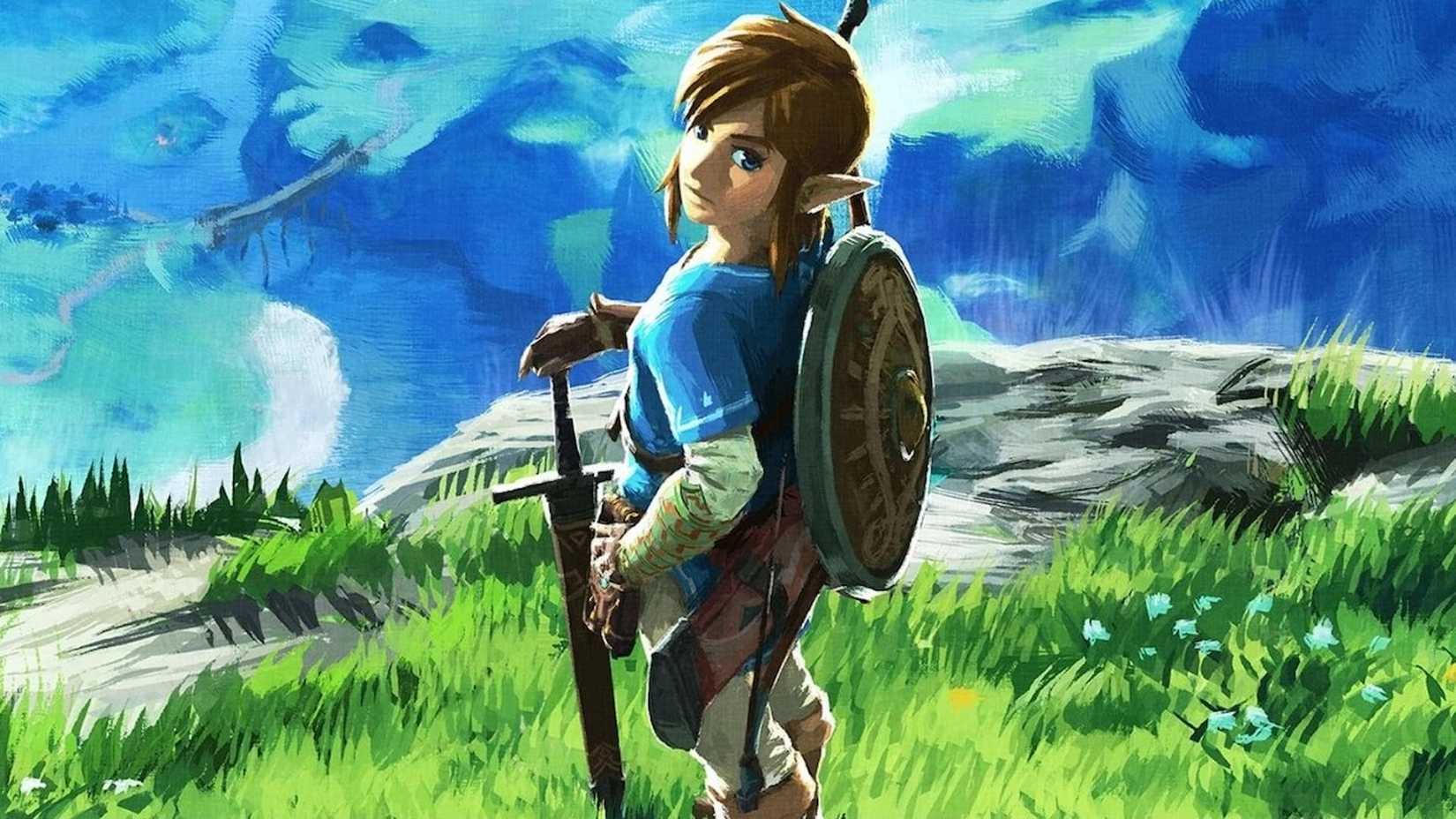
Fans can now mark their calendars a week earlier, with the hope that this adjustment is the first of many signs that Nintendo is ready to conquer the silver screen just as decisively as they have conquered the living room. For now, the Master Sword is being polished, the kingdom is being readied, and the gates of Hyrule are set to open earlier than anyone dared to hope.


 Asro
Asro
 Muslim