

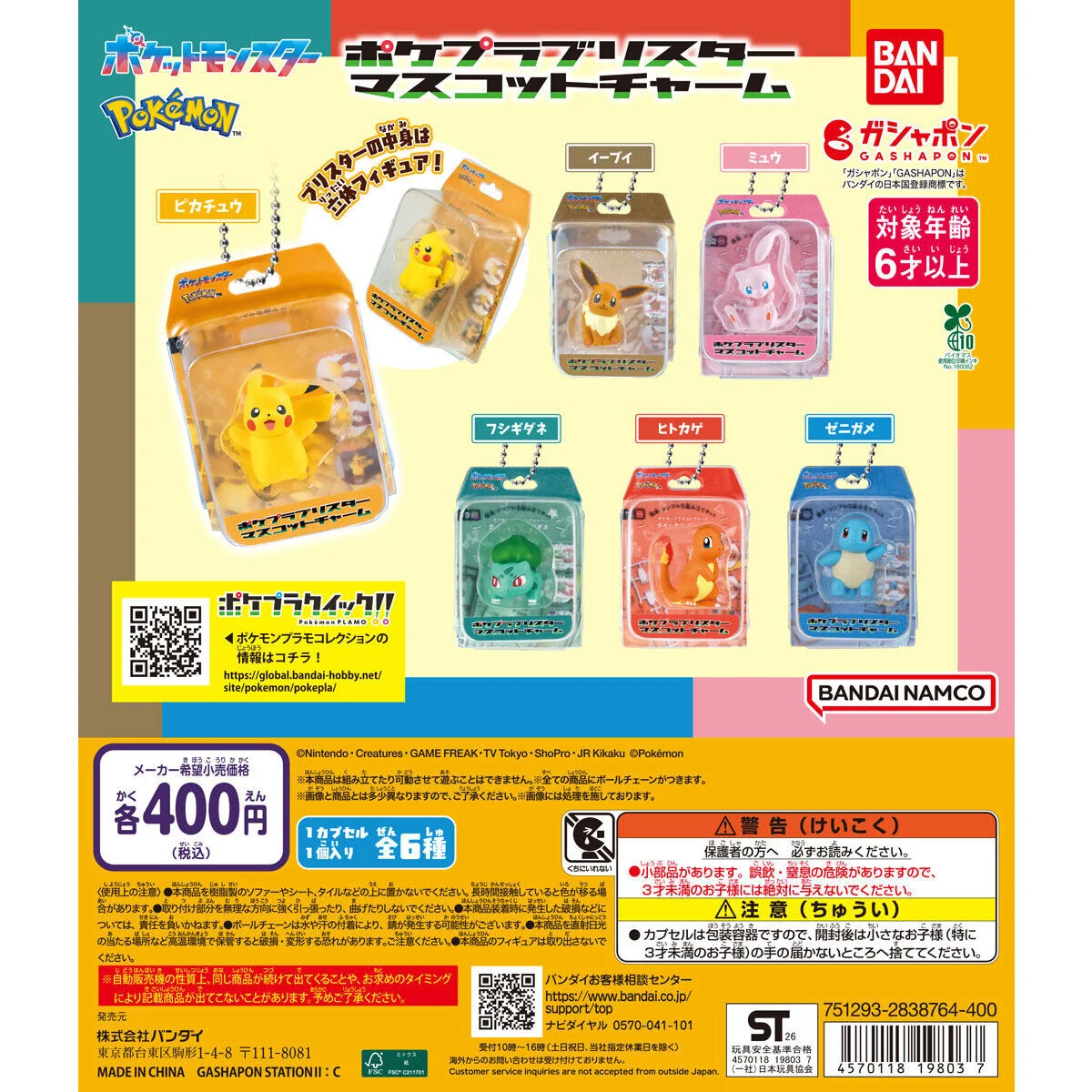
In a delightful intersection of nostalgia, craftsmanship, and miniature engineering, Bandai Namco has unveiled its latest Gashapon sensation: a series of keychain replicas based on the popular Pokémon Plamo (plastic model) kits. Slated for release in Japan in May 2026, these pint-sized collectibles transform the experience of building a model kit into a wearable, portable accessory. By shrinking the iconic "Pokepla" aesthetic down to a keychain format, Bandai Namco is effectively creating a meta-collectible—a toy of a toy—that celebrates the hobbyist culture surrounding the Pokémon franchise.
Main Facts: The "Pokepla" Keychain Collection
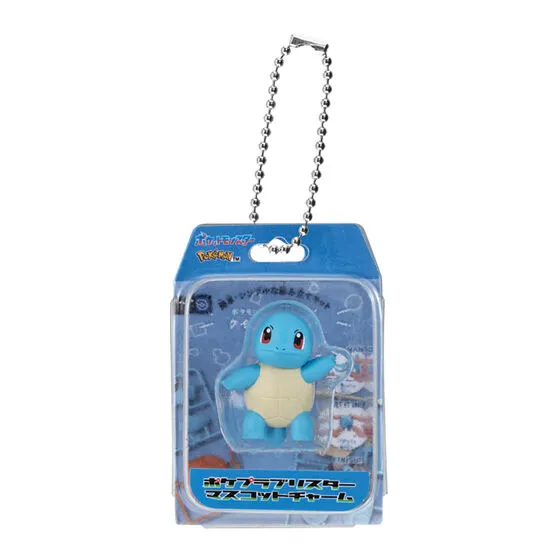
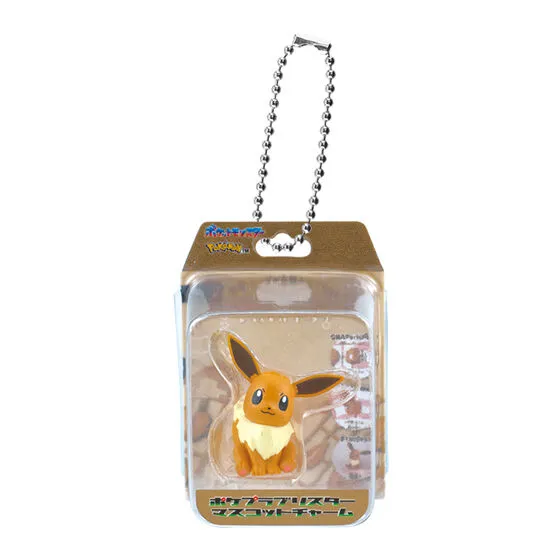
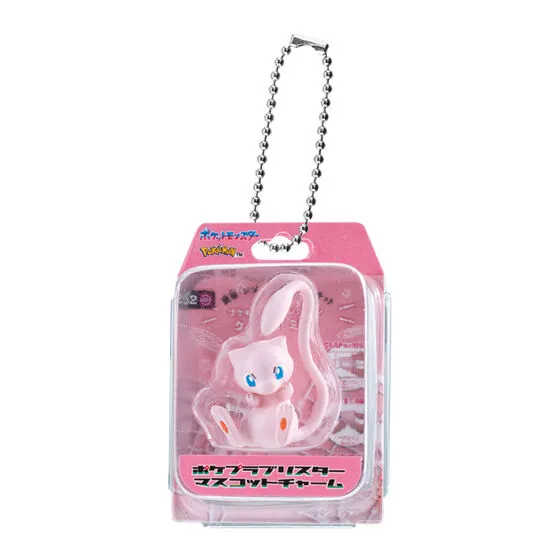
The upcoming series consists of six distinct designs, each meticulously crafted to mimic the appearance of a finished Pokémon model kit housed within a classic blister pack. Unlike traditional model kits, which require the user to detach parts from a plastic runner (or "sprue"), these keychains are "pre-built" dioramas. They capture the essence of the "Quick" series of model kits—a line known for its accessibility, lack of articulation, and ease of assembly.
The six featured Pokémon are:
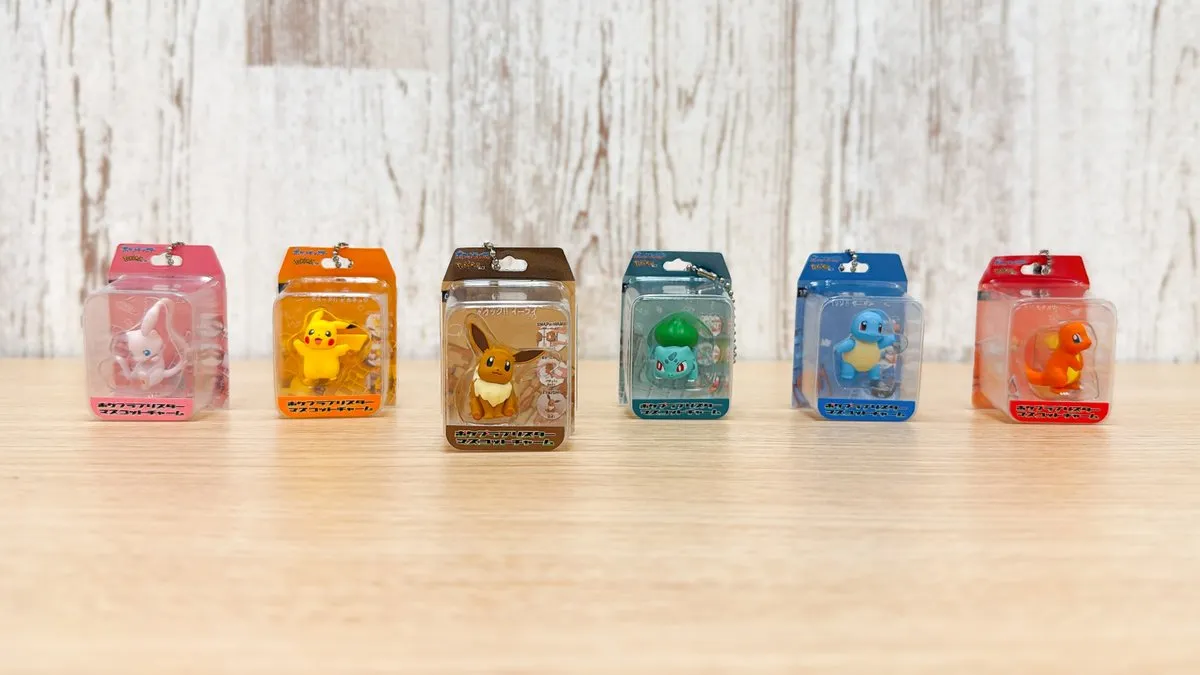
- Pikachu (#1)
- Mew (#2)
- Eevee (#4)
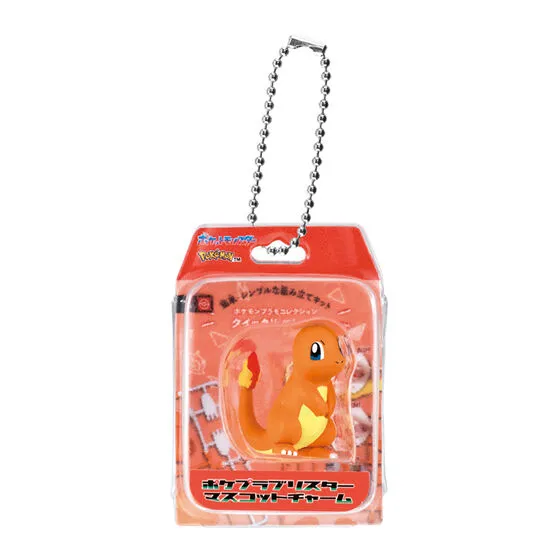
- Charmander (#11)
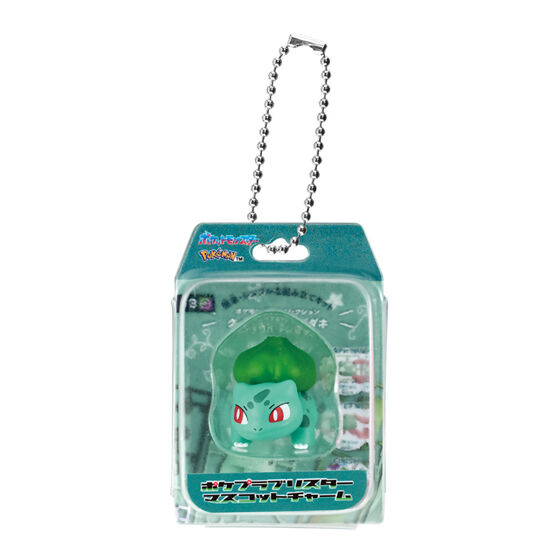
- Bulbasaur (#13)
- Squirtle (#17)
Retailing at 400 yen (approximately $2.50 USD) per turn, the keychains will be distributed via Bandai Namco’s ubiquitous Gashapon capsule machines throughout Japan. While the company has not yet confirmed an international release date, the global availability of the base model kits suggests that these miniature versions will likely find their way into the hands of international fans via specialty retailers and global e-commerce platforms like Amazon or SimplyToyz in the months following the initial Japanese launch.
A Chronology of the Pokepla Phenomenon
To understand why these keychains are significant, one must look at the history of the Pokémon Plamo line. Bandai Namco has been producing these model kits for years, constantly iterating on the design to appeal to both children and adult collectors.
The "Quick" series, which serves as the direct inspiration for these keychains, was designed to bridge the gap between complex hobbyist kits and simple action figures. By focusing on iconic characters—specifically the Kanto starters and fan favorites like Pikachu and Eevee—Bandai ensured a high baseline of consumer interest.
While the official numbering of the model kits follows a specific release sequence, this new keychain series deviates from that order. It prioritizes the "First Partner" Pokémon of the Kanto region, effectively sidelining characters like Scorbunny and Piplup, who were released earlier in the actual model kit timeline. This strategic curation reflects a marketing focus on nostalgia and the "original" generation, a move that historically drives high sales in the Japanese merchandise market.
Supporting Data: The Art of the "Meta" Design
The design philosophy behind these keychains is particularly noteworthy. Bandai Namco has opted to replicate the entire packaging experience rather than just the finished figure.
The Blister Pack Aesthetic
The front of the keychain features the finished Pokémon model as it would appear inside a store-bought blister pack. This provides a clean, preserved aesthetic. However, the true detail lies on the back of the card. The rear of the keychain packaging includes miniature, legible instructions and technical references that mirror the manuals found in the actual full-sized model kits.
Bridging the Gap Between Hobby and Utility
By including the visual cues of the assembly process—showing how parts are snapped out of the sprue cards—Bandai is signaling to the collector that this item is meant to represent the process of building a kit. The design highlights the satisfaction of the hobbyist, acknowledging the effort that goes into the larger versions while providing a convenient, low-cost way to display that appreciation.
Current Market Context
This release follows a recent trend from Bandai Namco involving themed Gashapon lines. Previously, the company launched a series of fire-type Pokémon keychains, which included a diverse range of characters such as the starter Fennekin, the legendary Charizard, and the Mythic Victini. The success of that series demonstrated that collectors are highly responsive to theme-based releases, paving the way for this current focus on the "Plamo" brand identity.
Official Responses and Strategic Positioning
While The Pokémon Company International, Nintendo, and Game Freak have provided the necessary licensing approvals for these items, the heavy lifting of the product design and distribution lies with Bandai Namco.
Bandai Namco has remained relatively quiet regarding a specific worldwide rollout, a standard procedure for their Gashapon lines. The company typically gauges the success of the domestic Japanese release before committing to a broader international distribution strategy. However, given that Bandai Namco’s model kits are already distributed globally, the infrastructure to bring these keychains to Western markets is already in place. Retailers specializing in Japanese imports are expected to be the primary conduit for international fans, as the "blind box" nature of Gashapon makes them highly collectible for overseas markets.
Implications for the Pokémon Merchandise Market
The launch of these keychains carries several implications for the future of the Pokémon brand and its relationship with the model kit industry.
1. The Normalization of "Meta-Collectibles"
This product represents a shift toward "meta-collectibles"—items that reference the secondary merchandise ecosystem of a franchise. By turning the box of a model kit into a keychain, Bandai is acknowledging that the packaging and the act of building are just as much a part of the "Pokémon experience" as the creatures themselves. This suggests that future merchandise might lean more heavily into the "hobbyist" side of the franchise.
2. Sustaining Interest in the "Quick" Model Series
By creating replicas of the "Quick" series, Bandai Namco is effectively providing free, high-visibility marketing for their full-sized kits. Every person wearing a Bulbasaur or Charmander keychain acts as a walking advertisement for the corresponding model kit. This cyclical marketing strategy helps maintain the relevance of the "Quick" series without requiring significant R&D for new product lines.
3. Price Accessibility and Impulse Buying
At 400 yen (roughly $2.50), these items are perfectly priced for the impulse-buy market. The low barrier to entry ensures that even those who are not dedicated model kit builders might purchase a few, simply for the aesthetic appeal. This strategy widens the consumer base from "hardcore hobbyists" to "casual Pokémon fans," a demographic expansion that is vital for the longevity of any toy line.
4. The Future of Gashapon in the Digital Age
Despite the rise of digital gaming and the declining physical retail space in some sectors, the Gashapon culture in Japan remains incredibly robust. By integrating physical model kit history into these small, tangible items, Bandai Namco is ensuring that the "thrill of the pull" remains a cornerstone of the collector’s experience. It serves as a reminder that even in an age of high-fidelity digital graphics and mobile gaming, there is still a powerful, tactile demand for physical representations of one’s favorite intellectual property.
Conclusion
The upcoming Pokémon Plamo keychains represent a thoughtful, well-designed expansion of the existing merchandise landscape. By focusing on the "Quick" model kit series, Bandai Namco has successfully captured the intersection of nostalgia and craftsmanship. Whether one is a seasoned model builder or a casual collector of Pokémon memorabilia, these miniature replicas offer a unique way to celebrate the franchise. As May 2026 approaches, the global collecting community will undoubtedly be watching to see if these tiny kits will be as easy to assemble as they are to display. One thing is certain: for the Pokémon fan who has everything, a miniature version of the box it came in might just be the most essential accessory of the year.












No comments yet. Be the first to join the conversation!