
 Evan Lee Salim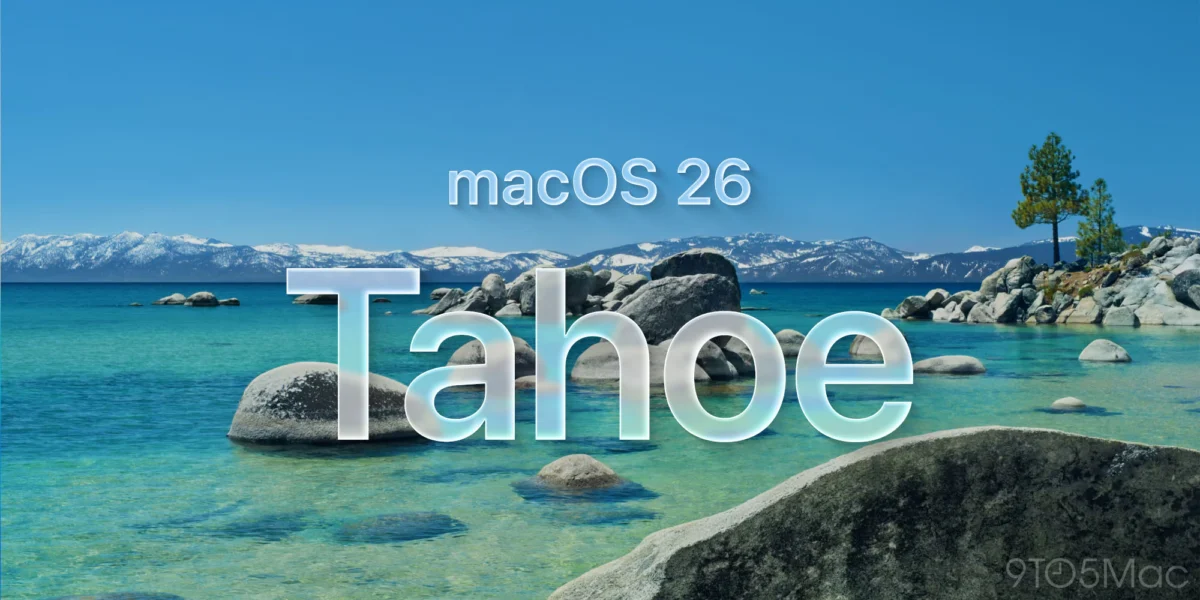
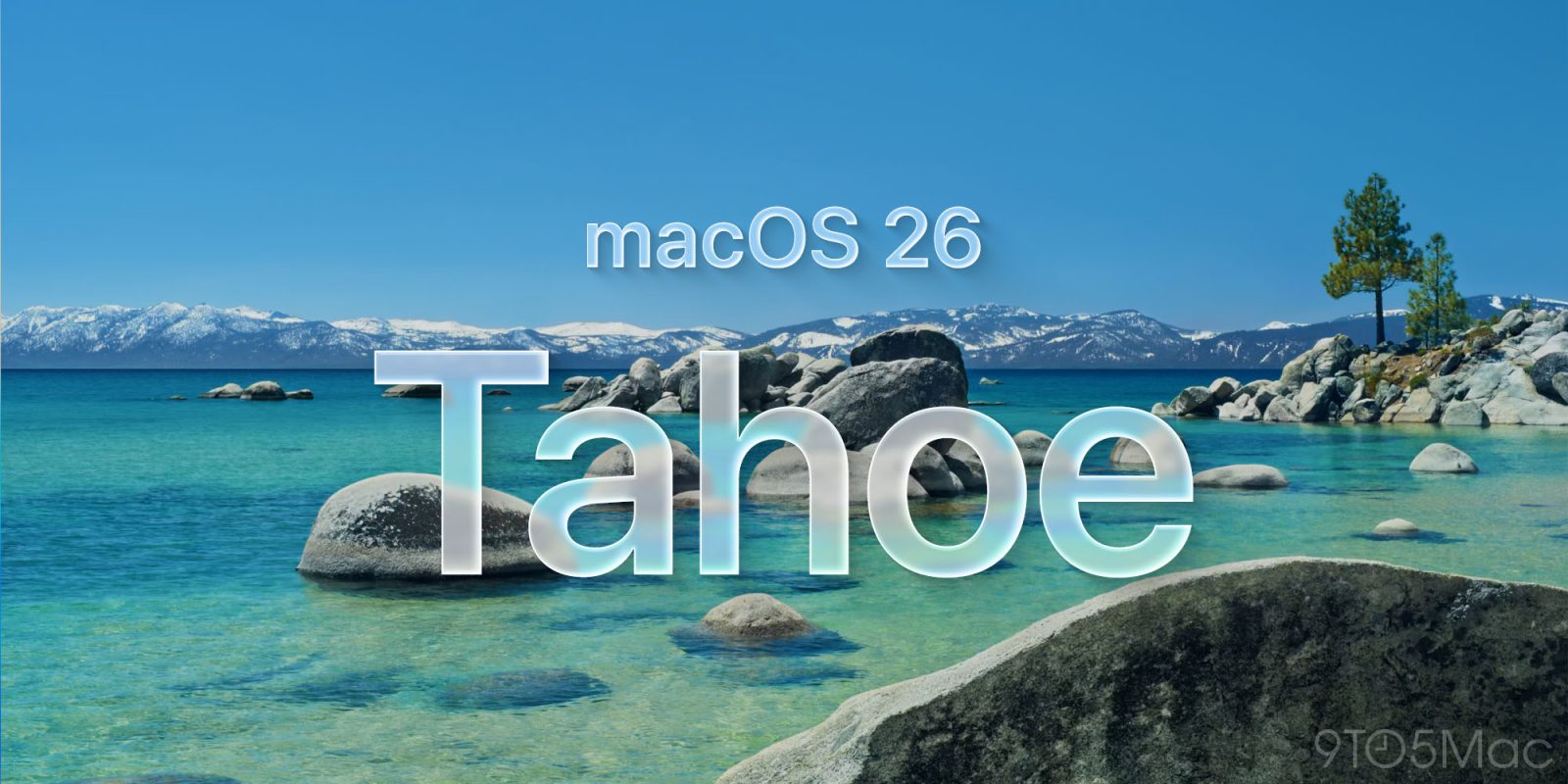
As Apple prepares for its annual Worldwide Developers Conference (WWDC) on June 8, the rumor mill has reached a fever pitch. Among the most anticipated reveals is the next iteration of the Mac operating system, colloquially referred to as macOS 27. According to industry insiders, including Bloomberg’s Mark Gurman, Apple is poised to pivot from the experimental implementation of its current "Liquid Glass" design language to a more polished, user-centric iteration that promises to rectify the aesthetic and functional shortcomings of the previous "Tahoe" release.
Main Facts: The "Liquid Glass" Refinement
The central narrative surrounding macOS 27 is not one of radical departure, but of meticulous refinement. When Apple introduced the "Liquid Glass" aesthetic in the Tahoe release, the reception was polarized. While the design promised a modern, translucent, and depth-heavy interface, many power users found the execution lacking. Critics pointed to inconsistent contrast, difficult-to-read sidebars, and a visual clutter that often hindered rather than helped productivity.
Sources suggest that the upcoming macOS 27 update will focus on "cleaning up" these rough edges. By adjusting the mathematical implementation of transparency and shadow layers, Apple aims to achieve the aesthetic harmony its design team originally envisioned. Essentially, the transition from Tahoe to macOS 27 is being framed as the difference between a "beta-style" implementation and a fully realized vision.
A Chronology of Apple’s UI Philosophy
To understand the significance of the macOS 27 redesign, one must look back at the trajectory of Apple’s design language over the last decade.

- The Post-Skeuomorphism Era: Following the departure from the "real-world" textures of the Steve Jobs and Scott Forstall era, Apple moved toward the flat, minimalist design of iOS 7 and the subsequent macOS updates.
- The Rise of Big Sur (2020): This marked a major pivot back toward depth and color, introducing floating docks and rounded corners that bridged the gap between iOS and macOS.
- The Tahoe Release (2025): Apple introduced the "Liquid Glass" aesthetic, characterized by high-blur transparency and an emphasis on light-refraction effects. It was a bold step, but one that arguably prioritized form over function.
- The macOS 27 Anticipation (2026): Now, Apple is looking to consolidate these elements, moving toward a "performance-first" design philosophy that balances aesthetic beauty with the high-contrast requirements of professional workflows.
Supporting Data: Why "Code Cleanup" Matters
Beyond the visual overhaul, macOS 27 is rumored to be a "stability-first" update. In recent years, Apple has faced criticism regarding the "bloat" of its operating systems. The decision to prioritize backend optimization—a theme echoed in the development of iOS 27—suggests a strategic shift.
In technical terms, the "code cleanup" being reported implies a focus on memory management and energy efficiency. Similar to the landmark iOS 12 update, which famously focused on speed and reliability over new feature sets, macOS 27 is expected to significantly improve battery life for MacBook users. For a professional, this is often more impactful than a new icon or a tweaked shadow effect. By streamlining the processes behind the "Liquid Glass" rendering engine, Apple aims to reduce the GPU overhead that contributed to the perceived sluggishness in certain Tahoe-based applications.
The AI Integration: Siri and the Gemini Connection
Perhaps the most transformative element of the upcoming software suite is the total integration of a revamped Siri. Driven by advanced, Gemini-based large language models (LLMs), this version of Siri is expected to function less like a simple voice command tool and more like an intelligent, context-aware agent.
The integration will see a long-awaited unification of Siri and Spotlight Search. Currently, these two tools often operate in silos; in the future, the goal is for a single, unified interface that can pull data from local files, cloud services, and real-time web queries using generative AI. This move represents Apple’s aggressive response to the rise of AI-native operating systems and chatbots, ensuring that the Mac remains a viable, competitive hub for knowledge workers.
Implications: The Pro User Perspective
The implications of these changes are significant for the professional creative and developer communities.
1. Readability and Accessibility
The most immediate benefit of the reported changes to transparency and contrast is improved accessibility. For users who work in varying lighting conditions, the "Tahoe" implementation of Liquid Glass was often a barrier to accessibility. By refining how the OS handles light and dark mode transparency, Apple is acknowledging the need for a UI that accommodates all users, not just those with perfect vision.
2. Stability as a Feature
For years, the "annual update" cycle has been criticized for introducing new bugs as often as it introduces new features. By signaling that macOS 27 is prioritizing "code cleanup," Apple is effectively signaling that it hears the frustration of its enterprise and pro-user base. If the company can deliver an update that is both visually refreshed and fundamentally more stable, it will go a long way in restoring confidence in the macOS development roadmap.
3. The Future of Apple’s Ecosystem
The unification of Siri and Spotlight is a clear indicator of where Apple sees the future of computing. As AI becomes embedded into the silicon and the kernel of the OS, the "computer" becomes less of a file manager and more of a collaborator. If this implementation is successful, it could redefine how users interact with their machines, shifting the paradigm from "searching for files" to "requesting outcomes."

Official Responses and Industry Outlook
While Apple has maintained its traditional wall of silence regarding unannounced products, the leaks surrounding macOS 27 align with the company’s recent messaging on "Apple Intelligence." During recent earnings calls, leadership has emphasized that AI is not just a bolt-on feature, but a foundational layer of the Apple experience.
Industry analysts are watching the June 8 WWDC event closely. The consensus is that while the "Liquid Glass" design is here to stay, its iteration in macOS 27 will likely serve as the benchmark for the next several years of Apple’s UI design.
Conclusion: The Path to WWDC
As we approach the June 8 unveiling, the narrative for macOS 27 is becoming increasingly clear: it is an update of maturity. Apple is moving past the "experimental" phase of its modern design language and settling into a period of refinement and performance.
For the average user, this means a better-looking, longer-lasting, and more responsive machine. For the power user, it represents a necessary course correction that prioritizes the utility of the OS over the flashiness of its aesthetic. Whether these changes will be enough to silence the critics of "Liquid Glass" remains to be seen, but one thing is certain: Apple is betting that a more polished, AI-driven, and efficient operating system is exactly what the Mac needs to remain the gold standard of personal computing in 2026 and beyond.

The stage is set for June 8, where we will finally see if the reality of macOS 27 lives up to the promise of its refined design and enhanced intelligence. Until then, the tech community will continue to parse every snippet of code and every design leak, waiting for the next chapter in the storied history of the Mac.


 Raul Delapena Setiawan
 Neng Nana




