

The landscape of modern streaming is a fickle beast. Every month, platforms like Netflix refresh their catalogs, ushering in waves of fresh content while simultaneously bidding farewell to some of their most critically acclaimed gems. This cycle of acquisition and expiration is a constant, yet often frustrating, reality for cinema enthusiasts. This May, the platform is set to lose one of the most poignant and unexpected films of the last decade: Michael Sarnoski’s 2021 directorial debut, Pig.
With the departure date locked for Tuesday, May 26, viewers have less than two weeks to experience what is widely considered one of the finest performances of Nicolas Cage’s storied career. While the premise might sound like a riff on the high-octane revenge thriller John Wick, Pig offers something far more profound, melancholic, and deeply human.
A Cinematic Departure: The Facts Behind the Removal
The removal of Pig from Netflix’s library is part of the standard licensing rotation that defines the streaming industry. When a film is licensed for a specific period, the studio that owns the distribution rights often negotiates terms that include a "window" of availability. Once that window closes, the film may move to a different platform, return to a rental service, or enter a period of unavailability on major subscription video-on-demand (SVOD) services.
For subscribers who have had the film sitting on their "Watch List" for months, the May 26 deadline serves as a final call. Pig has enjoyed a tenure on the platform that allowed it to find a second life, reaching audiences who might have missed its limited theatrical run during the post-pandemic recovery of the cinema industry. Its impending departure is a reminder that in the age of digital content, accessibility is temporary.
The Anatomy of a Modern Masterpiece
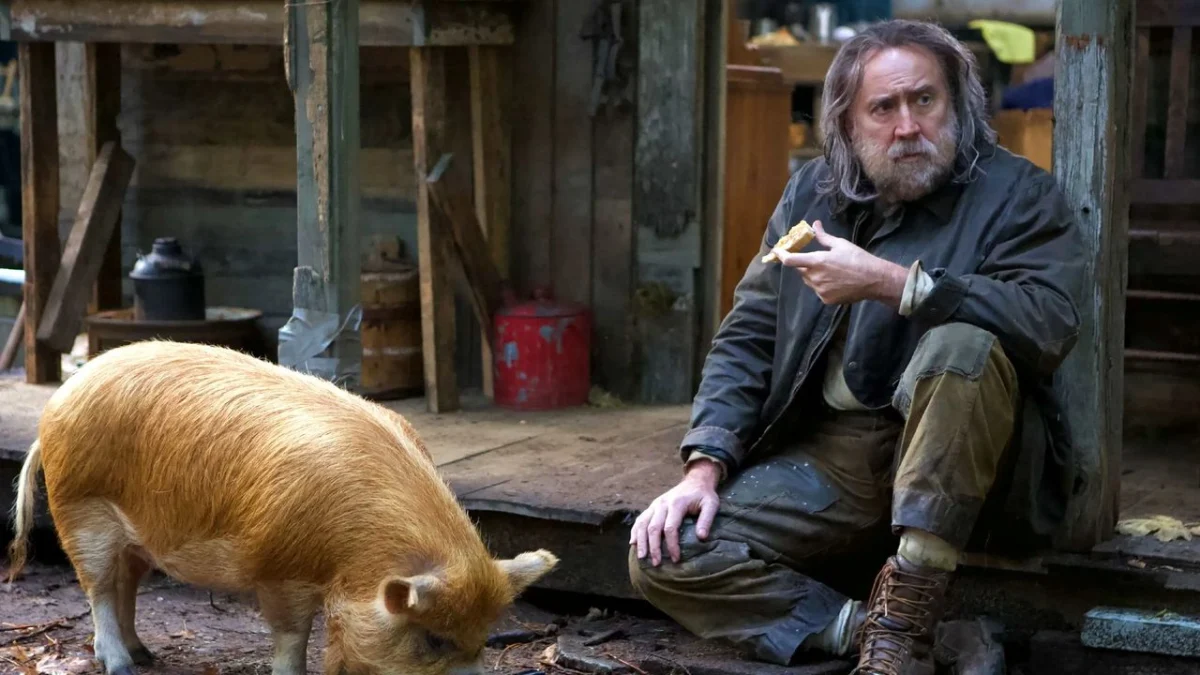
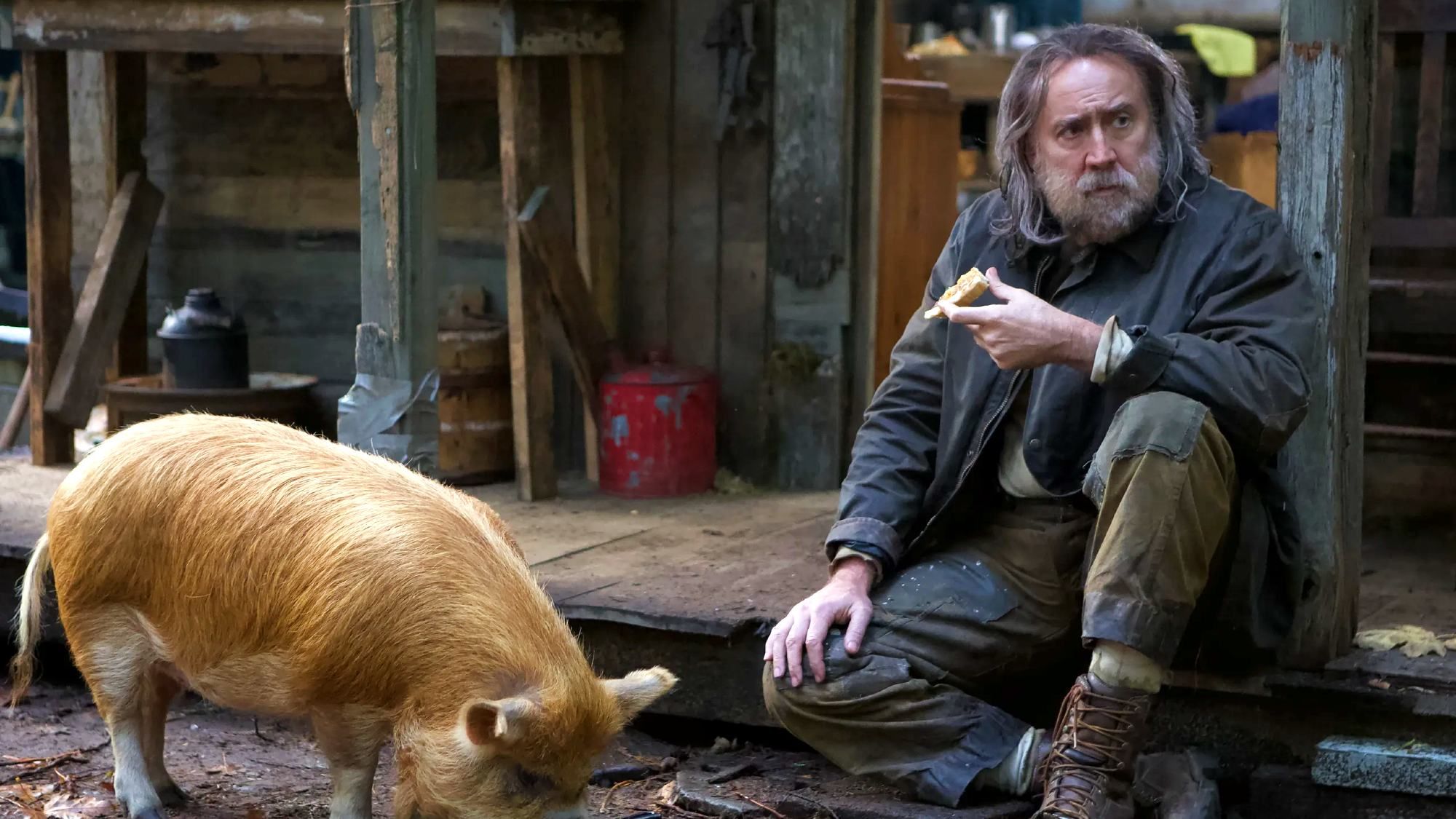
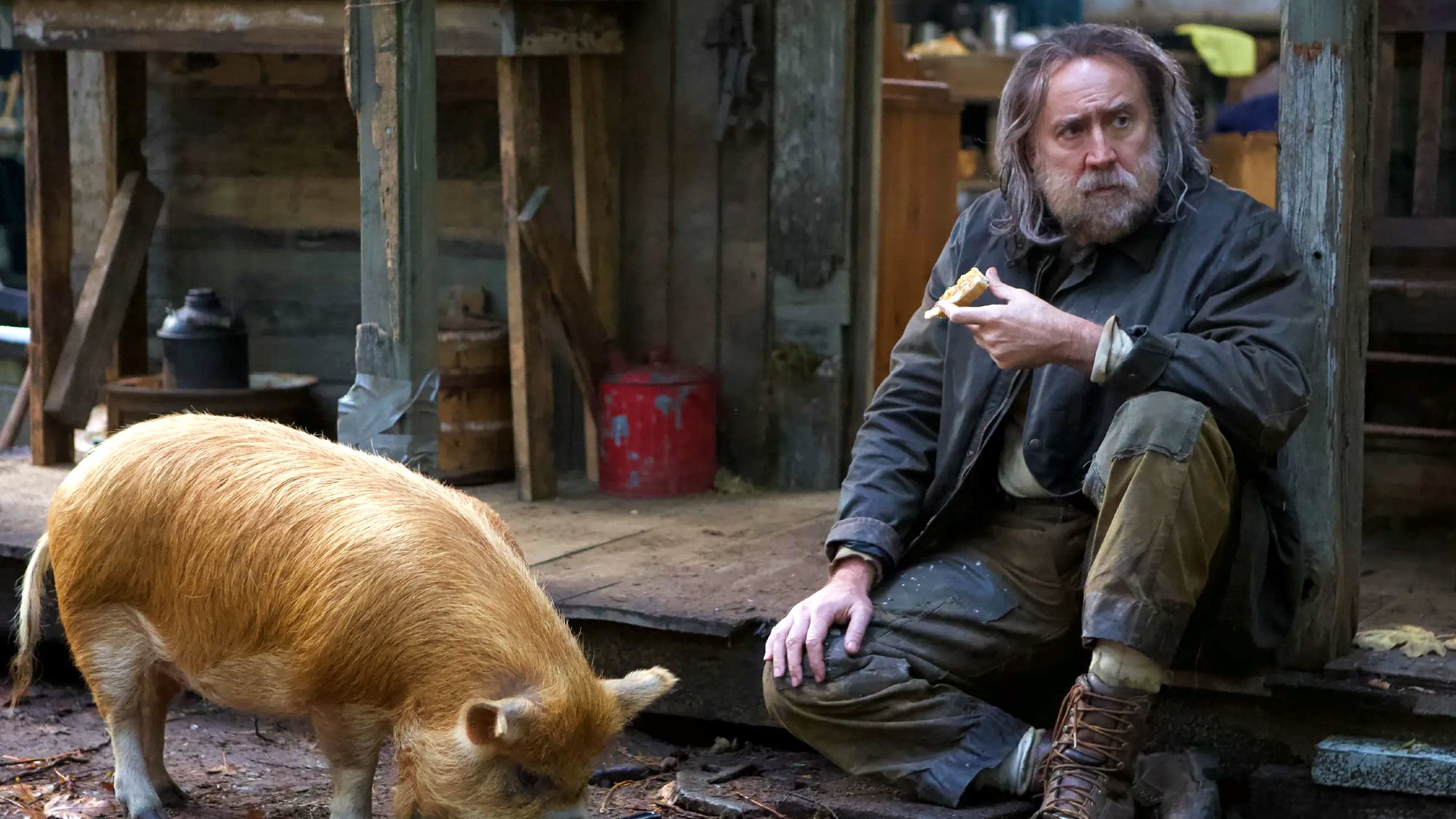
To understand why the loss of Pig is significant, one must look past its deceptively simple premise. The film follows Rob (Nicolas Cage), a former legendary chef who has retreated into the Oregon wilderness to live as a reclusive, truffle-hunting hermit. His only companion is his beloved, highly skilled foraging pig.
The plot is set in motion when the pig is violently abducted in the middle of the night. For a casual viewer, this setup screams "action thriller." We expect the montage of weapon sharpening, the return to the underworld, and the eventual reckoning. However, director Michael Sarnoski subverts these tropes at every turn.
Chronology of the Narrative
The film unfolds with the deliberate pacing of a character study:
- The Quiet Life: The audience is introduced to the symbiosis between Rob and his pig, establishing the animal as his sole emotional anchor and source of livelihood.
- The Catalyst: The abduction serves as the inciting incident, forcing Rob to leave his isolated existence and re-enter the chaotic, artificial world of Portland’s high-end culinary scene.
- The Descent: As Rob navigates the city, the journey becomes less about the physical pursuit of the animal and more about an existential odyssey. He reconnects with his estranged past, confronting the trauma and the professional burnout that drove him into the woods in the first place.
- The Resolution: The film concludes not with a bloodbath, but with a quiet, devastating realization about the nature of grief, legacy, and what we choose to hold onto when the world takes everything away.
Supporting Data: Why Critics and Audiences Alike Were Moved
Pig is not merely a "good" movie; it is a critical darling. It currently holds a staggering 97% approval rating on Rotten Tomatoes from critics, with a robust 83% audience score. These figures are particularly impressive given the film’s unconventional, somber, and slow-burn nature.
Critics have lauded the film for its restraint. Where other directors might have leaned into the absurdity of a man searching for a pig, Sarnoski chose to ground the narrative in genuine human emotion. This approach resonated with audiences who were fatigued by the high-octane, explosion-heavy spectacles that dominated the box office for years. The film proves that even in a world of superhero franchises and massive sequels, there is a substantial, hungry audience for quiet, character-driven storytelling.
The Nicolas Cage Renaissance
It is impossible to discuss Pig without acknowledging the central performance. For years, Nicolas Cage was unfairly relegated to the realm of direct-to-video "shlock," appearing in a string of projects that many critics dismissed as paycheck roles. However, the last several years have marked a definitive, well-deserved "Cage Renaissance."
From his work in Mandy and Color Out of Space to his turn in Pig, Cage has demonstrated that he remains one of the most versatile and emotionally available actors of his generation. In Pig, he is physically transformed—haggard, covered in the dirt of the forest floor, and stripped of the "Cage-isms" that often define his more eccentric roles. His performance is one of quiet, simmering grief. It is a masterclass in subtlety, particularly during the film’s later, emotionally devastating scenes where he must convey decades of regret with a single look.
Implications: The Shifting Priorities of Streaming
The removal of Pig from Netflix highlights a broader, somewhat troubling trend in the streaming era: the "disposability" of prestige cinema. As streaming platforms compete for market share, they often prioritize original content or high-volume, low-effort acquisitions that keep users engaged for hours. Smaller, independent, or "art-house" films are often left in the crosshairs, treated as expendable once their initial licensing window expires.

For film lovers, this means that curation is no longer a luxury—it is a necessity. If you want to support independent filmmakers like Sarnoski, or watch performances that push the boundaries of an actor’s craft, you must be vigilant. The loss of Pig from a major platform like Netflix may make it harder for new, casual viewers to discover the film, potentially diminishing its long-term cultural footprint.
Why You Should Watch It Now
If you have yet to watch Pig, you are missing out on one of the most poignant explorations of grief and memory in recent memory. It is a film that defies categorization. It is a thriller that refuses to thrill, a drama that feels like a fable, and a character study that feels like a conversation with an old, wounded friend.
The bond between Rob and his pig is the emotional core that holds the film together, acting as a mirror for the audience’s own capacity for attachment and loss. As the film progresses, the "mystery" of the stolen pig becomes secondary to the mystery of the man himself—why he left, who he was, and what he is willing to do to reclaim a sense of self in a world that has largely forgotten him.
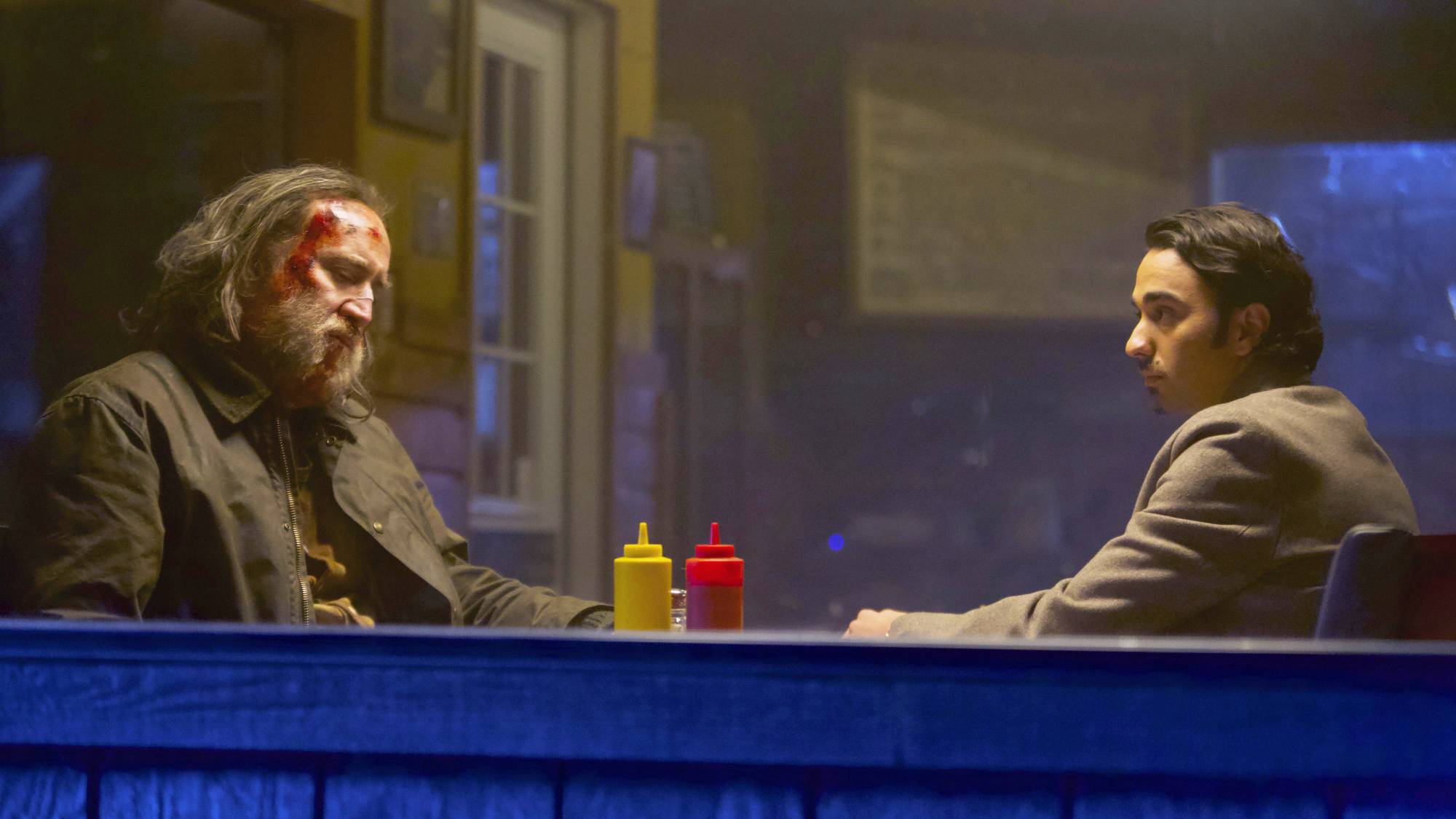
Do not let the title fool you, and do not be deterred by the slow, meditative pacing. Pig is a cinematic achievement that demands to be seen. With the May 26 deadline looming, it is time to prioritize this film. Whether you are a dedicated fan of Nicolas Cage’s work or simply a lover of stories that prioritize emotional truth over spectacle, Pig is an essential addition to your watchlist.
As we look toward the future of cinema, where films are increasingly treated as data points and temporary content, taking the time to appreciate a piece of art like Pig feels like an act of defiance. It is a reminder that movies, at their best, are not just content to be consumed, but experiences to be felt. Stream it on Netflix while you still can—you will likely find yourself haunted by its quiet, beautiful final act long after the screen goes dark.












No comments yet. Be the first to join the conversation!