

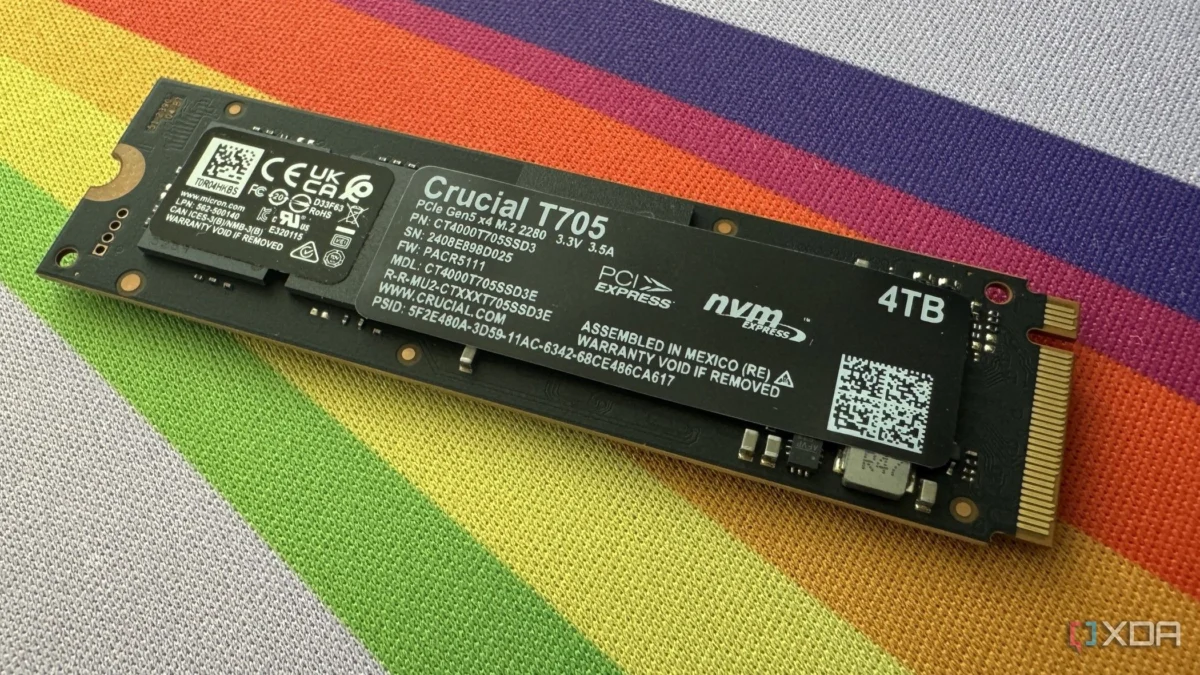
Since the introduction of PCIe 5.0 solid-state drives (SSDs) to the consumer market, a persistent narrative has taken hold: faster is better. With sequential read/write speeds shattering the 14,000 MB/s barrier, manufacturers have marketed these drives as the ultimate upgrade for any high-end PC build. However, as we move further into 2026, the adoption of this technology remains lukewarm among mainstream users.
For the average consumer, the premium cost of Gen5 storage is often difficult to justify. While these drives represent a significant technical achievement, they frequently fail to provide a tangible return on investment for the average gamer or office worker. Understanding why requires a deep dive into how data is handled by modern operating systems, the current state of gaming technology, and where these high-performance drives actually find their purpose.
Main Facts: The Evolution of Storage Bandwidth
The transition from PCIe 4.0 to PCIe 5.0 represents a doubling of bandwidth per lane. While PCIe 4.0 drives typically cap out around 7,000–7,500 MB/s, Gen5 drives are pushing nearly double that, thanks to improved controllers and faster NAND flash interfaces.
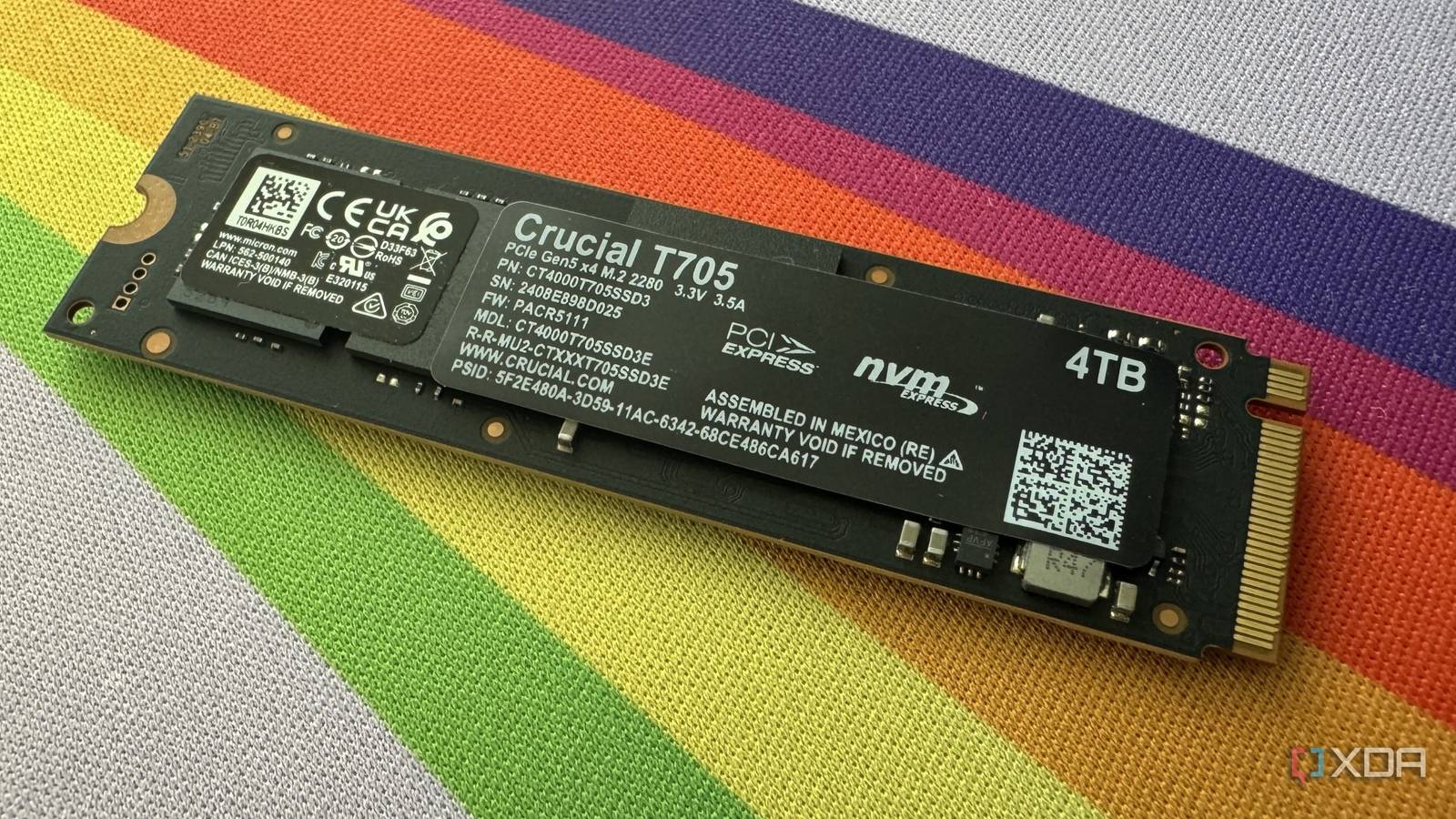
However, speed is not a monolith. Storage performance is categorized into two main metrics: Sequential and Random access.
- Sequential performance measures how quickly a drive can move large, contiguous blocks of data (think copying a 50GB 8K video file). This is where Gen5 drives excel.
- Random performance (IOPS) measures how quickly a drive can locate and retrieve small, scattered files (think booting Windows or loading game assets).
The bottleneck for most PC users is not the maximum sequential throughput, but the latency and IOPS. Because the jump in random read/write performance between Gen4 and Gen5 has been modest compared to the leap in sequential speed, the "real-world" feeling of snappiness remains largely unchanged for the average user.
Chronology: A Slow Climb to Mainstream
- Late 2022: The first wave of consumer-grade PCIe 5.0 SSDs reaches the market, arriving with massive heatsinks and high power demands.
- 2023–2024: Prices for Gen5 storage fluctuate due to DRAM shortages and supply chain volatility. Meanwhile, high-quality Gen4 drives become increasingly affordable, effectively pushing Gen5 out of the "value" tier.
- 2025: DirectStorage, the API designed to leverage GPU-to-SSD communication, fails to achieve widespread game developer adoption. The anticipated "gaming revolution" for NVMe drives remains theoretical.
- 2026 (Present): Gen5 SSDs remain a niche product for power users, while Gen4 continues to be the industry standard for gaming rigs and general workstations.
Supporting Data: Why Gaming Remains Unimpressed
The marketing departments of major SSD manufacturers have long touted "faster loading times" as a primary reason to upgrade to Gen5. Yet, empirical testing consistently shows that the difference in game loading times between a mid-tier Gen3 drive and a top-tier Gen5 drive is often measured in milliseconds—frequently falling within the margin of error.

The DirectStorage Delay
Microsoft’s DirectStorage technology was intended to bridge the gap between high-speed storage and the GPU, bypassing the CPU to load game assets directly. If fully implemented, it would have been the "killer app" for PCIe 5.0 drives. However, development has been sluggish. Most modern titles are still designed to accommodate consoles and older hardware, meaning they are optimized for slower storage architectures. Until game engines are built from the ground up to require high-bandwidth NVMe streaming, the extra speed of a Gen5 drive is essentially sitting idle.
Random IOPS Bottlenecks
In gaming, the system is constantly fetching small files—textures, shaders, and sound effects. Because the underlying architecture for how these files are requested hasn’t undergone a revolutionary shift, the massive sequential bandwidth of a Gen5 drive provides no advantage. You are effectively driving a Ferrari in a school zone; the top speed is impressive, but you are limited by the environment.
Professional Implications: Where Gen5 Finally Shines
While the gamer may find no use for Gen5, the workstation user is an entirely different demographic. For professionals, time is literal currency, and this is where PCIe 5.0 justifies its price tag.
Video Editing and 3D Rendering
For editors working with raw 8K footage or high-bitrate ProRes files, the sequential read/write speed of a Gen5 drive is a game-changer. Scrubbing through a timeline with multiple layers of uncompressed video requires massive, sustained bandwidth. A Gen5 drive can handle these streams without stuttering, where a Gen4 drive might encounter cache limitations or bottlenecking. Similarly, in 3D rendering workflows, caching large textures and asset libraries happens significantly faster, leading to a smoother viewport experience and faster export times.
Local LLM and AI Training
The rise of local Large Language Models (LLMs) has introduced a new demand for storage. Loading massive model weights (which can range from 10GB to over 100GB) into VRAM requires fast throughput. For researchers and developers training or running these models locally, a Gen5 drive significantly reduces the "wait time" between model iterations. This is not just a convenience; it is a critical optimization for productivity.
The Cooling Requirement: The Hidden Cost of Speed
A critical, often overlooked aspect of PCIe 5.0 drives is thermal management. Because these controllers operate at such high frequencies to achieve their peak performance, they generate significant heat.
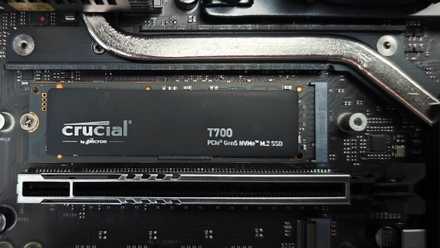
Unlike previous generations, which could often run "naked" (without a heatsink) on a motherboard, Gen5 drives almost universally require a robust cooling solution. Many come with bulky, active-fan heatsinks. If you are building a SFF (Small Form Factor) PC, this creates a major integration challenge. If a Gen5 SSD hits its thermal throttle limit, its performance can plummet below that of a standard Gen4 drive, defeating the purpose of the investment. Users must ensure their case airflow is sufficient or invest in aftermarket active cooling, adding yet another layer of complexity and cost to the build.
Expert Consensus and Future Outlook
The industry consensus is clear: PCIe 5.0 storage is a professional tool, not a consumer upgrade.
For the vast majority of users, a high-quality PCIe 4.0 drive remains the "sweet spot." They offer enough performance to satisfy even the most demanding gaming scenarios, provide excellent reliability, and avoid the thermal headaches and high costs associated with Gen5.
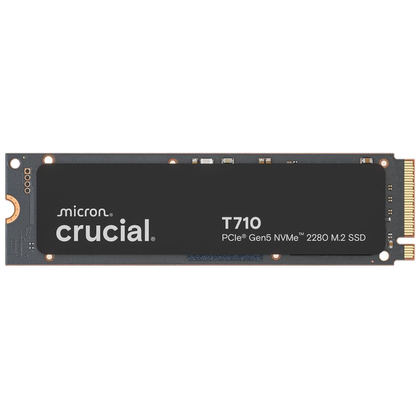
Looking ahead, we can expect the price-to-performance ratio of Gen5 drives to improve as manufacturing processes mature. However, until the software ecosystem—specifically game engines and operating system file management—evolves to demand the throughput these drives offer, the "Gen5" label will remain a badge of honor for enthusiasts and a functional necessity for professionals, rather than a requirement for the mainstream user.
Final Recommendation:
- For the Gamer: Stick to a high-end PCIe 4.0 drive. Invest the saved money into a better GPU or more RAM; those upgrades will yield a measurable increase in your actual performance.
- For the Creative Professional/AI Developer: A Gen5 drive is a worthwhile investment. The time saved during file transfers, timeline scrubbing, and model loading will pay for the drive’s premium price tag within a few months of professional use.
Ultimately, technology should serve your workflow, not just your specifications sheet. Don’t fall for the "bigger number" marketing trap unless your daily tasks can actually put those numbers to work.












No comments yet. Be the first to join the conversation!