

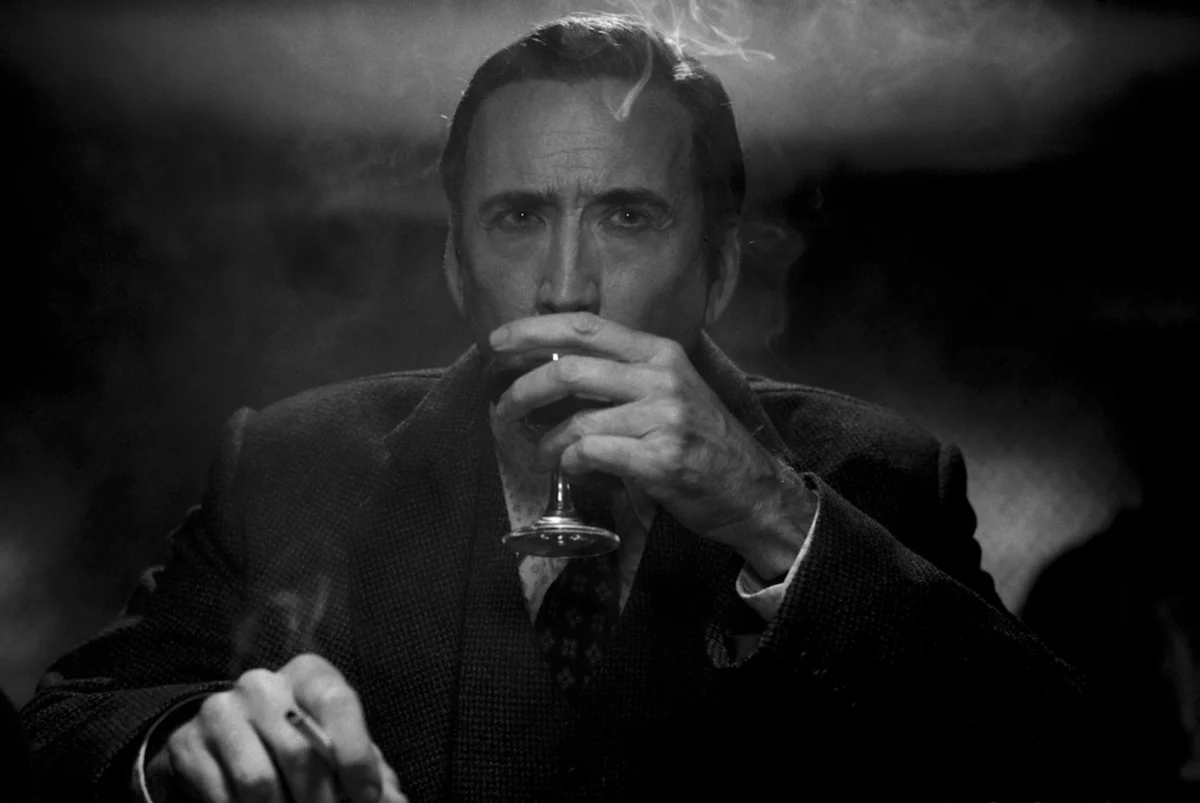
In the sprawling, interconnected multiverse of Marvel adaptations, few projects have generated as much stylistic curiosity as the upcoming live-action series Spider-Noir. Led by the incomparable Nicolas Cage, the series promises a radical departure from the high-octane, neon-soaked spectacle of the MCU, opting instead for the rain-slicked, moral ambiguity of 1930s detective fiction. As the production gears up for its dual-platform debut in 2026, details emerging from the writers’ room suggest a show that is less about super-heroics and more about the existential dread of a bygone era.
Main Facts: A Bogart-Inspired Reinvention
At the center of Spider-Noir is Ben Reilly, a character who functions as a collision between the familiar Marvel mythos and the aesthetic sensibilities of classic noir cinema. While fans might remember Cage’s voice work as the titular character in the Academy Award-winning Spider-Man: Into the Spider-Verse, the creative team is quick to clarify that this iteration is an entirely different beast.
Co-showrunner Oren Uziel has been transparent about the project’s primary creative compass: the Humphrey Bogart filmography. "The thing that I said a lot from start to finish was, ‘We’re really trying to make an old Bogart movie,’" Uziel told Entertainment Weekly. "It’s just that Bogart happens to be Spider-Man."
The series, which will be available to audiences in both a stylized black-and-white format and a vibrant color version, is set to arrive on the MGM+ linear channel on May 25, 2026, followed by a streaming debut on Prime Video on May 27, 2026. This release strategy underscores the studio’s commitment to capturing both the traditional television audience and the modern digital viewer.
Chronology: From Concept to the Streets of New York
The journey to Spider-Noir has been a meticulous process of tone-setting. Unlike the rapid-fire production cycles of many superhero franchises, this series has been nurtured as a "prestige" character piece.
- Early Development: Following the success of the Spider-Verse animated films, Sony and Amazon began exploring ways to leverage the "Spider-Noir" IP in a live-action capacity.
- Casting and Characterization: Nicolas Cage, a long-time fan of classic cinema and noir archetypes, was tapped early on. His involvement was not merely as a lead actor but as a creative collaborator who actively shaped the nuances of his character.
- Production Phase: Throughout the filming process, the set became a workshop for film history. Cage, known for his idiosyncratic and deeply committed acting style, reportedly arrived on set with specific tonal inspirations, drawing from legendary noir icons such as James Cagney and Peter Lorre, alongside his primary muse, Humphrey Bogart.
- Post-Production: The decision to offer both color and monochromatic versions reflects the commitment to the show’s aesthetic identity, ensuring that viewers who want the authentic 1930s experience can opt for the classic grayscale, while others can enjoy the cinematography in full color.
Supporting Data: The Anatomy of an Archetype
The "Noir" in Spider-Noir is not merely a stylistic filter; it is the heartbeat of the narrative. According to production notes and interviews with the creative team, this version of the character has been out of the "masked hero" business for decades. This shift in the character’s life cycle allows the show to explore themes of regret, aging, and the futility of heroism in a world that is inherently corrupt.
In the 1930s, the character—who went by the moniker "The Spider"—was a product of his time. By placing him in a post-heroism phase, the showrunners are able to lean into the tropes of the private eye genre: the weary detective, the femme fatale, the shadow-drenched alleyways, and the cynical worldview that defined films like The Big Sleep or The Maltese Falcon.
Nicolas Cage’s contribution to this development cannot be overstated. Uziel noted that the actor’s preparation was a constant, collaborative dialogue. "Every day on set when we talked in his trailer, [Cage] would come to work with, ‘This bit is gonna be Bogart from The Big Sleep. This bit is gonna be a little bit of Cagney. You’re gonna see some Peter Lorre here.’ He gets so much joy out of it. That’s why he’s Nic Cage."
Official Responses: Defining the "Distant Cousin"
A significant point of confusion for casual fans has been the relationship between this series and the animated version seen in the Sony Pictures Animation films. To address this, the creative team has explicitly stated that the live-action Ben Reilly is a "distant cousin" to his animated counterpart.
This distinction is crucial. By framing the character as a cousin rather than a variant, the writers provide themselves with the freedom to ignore the constraints of the Spider-Verse continuity. They aren’t trying to build a bridge to Miles Morales or Gwen Stacy; they are trying to build a standalone monument to hard-boiled crime fiction.
Oren Uziel’s insistence that the character is "not the same at all" serves as a signal to the audience: Spider-Noir is a character study. It is an attempt to translate the visual language of 1930s cinema into the modern television landscape, using the "Spider" mythos as a vessel to explore the darkness of human nature rather than the spectacle of superpowers.
Implications: The Future of Superhero Television
The release of Spider-Noir comes at a pivotal time for the superhero genre. After years of "franchise fatigue," where audiences have been inundated with interconnected cinematic universes, there is a growing demand for genre-blending and auteur-driven television.
1. Diversification of Tone
By leaning heavily into the noir genre, Spider-Noir suggests that the future of comic book adaptations may lie in narrowing the scope rather than expanding it. If this show succeeds, it proves that a "Spider-Man" project does not need to involve world-ending threats or multiverse stakes; it only needs a compelling character, a strong atmospheric hook, and a clear genre identity.
2. The Power of "Prestige" Casting
Nicolas Cage’s involvement is a major draw, but it also elevates the project’s perceived quality. By leaning into his legendary, often surreal, acting sensibilities, the show is positioning itself as a "must-watch" for cinephiles who might otherwise ignore a superhero show. It suggests a trend where studios prioritize casting actors who can carry the thematic weight of a script, rather than just filling a slot in a franchise roster.
3. The Dual-Format Experiment
The decision to release the show in both color and black-and-white is a bold experiment in user experience. It acknowledges that the audience for Spider-Noir includes both the purist—who wants the authentic, high-contrast, noir look—and the modern consumer. This level of customization could become a standard feature for streaming services looking to cater to niche aesthetic preferences.
4. A Template for Spin-offs
If Spider-Noir manages to carve out a unique space on MGM+ and Prime Video, it could serve as a template for other "distant cousin" projects. Marvel and Sony have a vast bench of characters who could be reimagined through different genre lenses—horror, western, heist, or political thriller. By focusing on the genre first and the superhero second, the studio can avoid the exhaustion that comes with standard superhero tropes.
Conclusion
As we look toward the premiere on May 25, 2026, the anticipation for Spider-Noir rests not on the action sequences, but on the atmosphere. The synthesis of Nicolas Cage’s career-defining charisma and the gritty, rain-soaked reality of the 1930s promises to be one of the most distinctive television events of the decade.
While it may be a "Spider" story at its core, the show’s true ambition lies in the shadows—the ones cast by Bogart, Cagney, and the long, dark history of crime cinema. It is a bold, risky, and highly anticipated reinvention that dares to ask what happens when the hero stops saving the world and starts trying to survive the night.










No comments yet. Be the first to join the conversation!