Nila Kartika Wati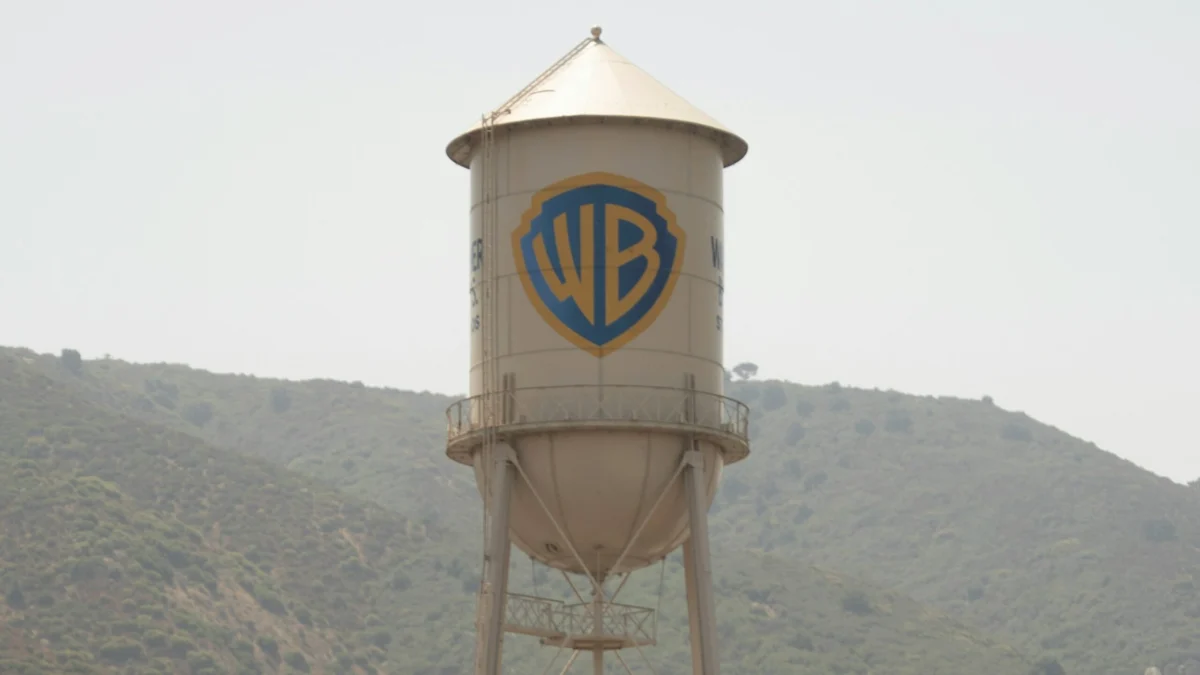
By Financial News Desk
Warner Bros. Discovery (WBD) finds itself at a pivotal juncture in its corporate history. As the media conglomerate navigates a shifting landscape of streaming wars, linear television decline, and the integration of massive acquisition targets, its gaming division—once a crown jewel of its intellectual property portfolio—has hit a significant, albeit quiet, hurdle. In a recent letter to shareholders, the company declared it is "preparing for its next chapter," yet conspicuously omitted any substantive analysis of its gaming performance, despite financial disclosures revealing a 30% slump in games revenue for the first quarter of 2026.
The State of Play: Financial Contraction and Strategic Silence
The silence from WBD leadership regarding its interactive entertainment arm has become a point of contention for analysts. In the Q1 2026 shareholder letter, WBD management outlined a path forward centered on three pillars: scaling HBO Max globally, restoring its Studios division to industry leadership, and optimizing its Global Linear Networks.
However, a deeper dive into the company’s supplementary financial disclosures paints a sobering picture of the gaming sector. Games revenue for the quarter plummeted by 30% (excluding the impact of foreign exchange fluctuations). Perhaps more telling is the 43% decrease in games content expenses, which the company attributed primarily to "lower library revenues." This indicates a stark reduction in investment and a reliance on back-catalog performance that is clearly failing to meet previous benchmarks.
While the "Studios" segment—which encompasses film, television, and video games—is theoretically on track to hit an Adjusted EBITDA target of $3 billion, the gaming business’s role in that trajectory remains opaque. The company maintains that this target is supported by a "diversified portfolio," yet the drastic reduction in content spending suggests that the "rebuilding" phase for the gaming pipeline is more painful and slower than the market was led to believe.
Chronology of a Correction: From Highs to Hindsight
To understand the current malaise, one must look at the recent trajectory of WBD’s gaming operations.
- 2023-2024 (The Volatility Era): Following the initial merger of WarnerMedia and Discovery, the company leaned heavily on its gaming division to provide stable, recurring revenue. High-profile releases and a robust library of DC and Harry Potter properties were expected to act as a buffer against the volatility of the theatrical film market.
- 2025 (The Significant Year): As WBD moved into 2025, the company officially designated it a "significant" year for the firm. However, as the months passed, the reality of development cycles and shifting consumer interest in "Games as a Service" (GaaS) models took a toll. Reports surfaced that the company was forced to fundamentally restructure its game development pipeline.
- March 2026: WBD openly admitted to investors that it was in the process of "rebuilding" its video game strategy, a tacit acknowledgment that the previous roadmap had failed to deliver the expected returns.
- April 2026: In a move that signaled a shift toward broader media consolidation, WBD shareholders overwhelmingly backed the $111 billion acquisition of Paramount. This massive undertaking has effectively pushed internal concerns—like the performance of the gaming unit—to the back burner as the company prepares for a new, larger corporate identity.
Supporting Data: Dissecting the Q1 2026 Slump
The overall revenue for Warner Bros. Discovery in Q1 2026 stood at $8.8 billion, representing a 1% year-on-year decline. While a 1% drop might seem marginal to the casual observer, the internal shift in revenue composition is significant.
The 30% decline in gaming revenue is particularly jarring when contrasted with the company’s previous reliance on the segment to bolster earnings during quiet theatrical windows. The 43% drop in content expense is the most alarming metric; it suggests that the "rebuilding" process involves a drastic austerity measure. By cutting back on content production, WBD is effectively signaling that it is entering a "maintenance mode" for its gaming assets, prioritizing cash flow preservation over the aggressive pursuit of market share or the development of new, high-budget blockbusters.
Furthermore, the reliance on "library revenues" indicates that the company’s current slate of active, live-service titles is failing to generate the engagement levels required to offset the costs of ongoing server maintenance and updates.
Official Responses and Strategic Ambiguity
Despite the clear signals in the balance sheet, WBD leadership has remained steadfast in its ambiguity. In communications with shareholders, the company has folded the gaming division into the broader "Studios" narrative, avoiding the granular breakdown that investors typically demand for a segment of this size.
The recurring theme in official statements is "diversification." By grouping games with film and television, WBD creates a statistical umbrella that masks the underperformance of individual units. When questioned on the specific performance of titles or the health of its development studios, executives have repeatedly pointed to the long-term goal of $3 billion in Adjusted EBITDA for the segment, rather than discussing the immediate health of the gaming pipeline. This defensive posture suggests that the company is currently in a "wait-and-see" phase, hoping that the integration with Paramount and the maturation of its streaming platforms will provide the necessary capital to eventually reinvigorate the gaming arm.
Implications: What Lies Ahead for WBD Gaming?
The implications of these developments are profound for the future of WBD as an interactive entertainment powerhouse.
1. The Risk of IP Devaluation
Warner Bros. owns some of the most valuable intellectual property in the world, including the DC Universe and the Wizarding World. A sustained period of low investment in gaming risks devaluing these assets. If consumers stop seeing high-quality interactive experiences associated with these franchises, the cultural footprint of these brands will inevitably shrink.
2. Talent Attrition and Studio Viability
A 43% reduction in content spending is almost always accompanied by organizational restructuring, layoffs, and a loss of top-tier talent. As the company "rebuilds," it faces the risk of losing the creative leads who drive innovation. Maintaining a competitive edge in the modern gaming industry requires consistent, high-level investment; an austerity-first approach may leave WBD’s studios unable to compete with tech-giant-backed rivals.
3. The Paramount Integration Distraction
The $111 billion acquisition of Paramount is a monumental task. The administrative, legal, and operational overhead required to absorb such a massive entity will consume the majority of WBD’s leadership bandwidth. For the gaming division, this could mean that "rebuilding" remains a low priority for the foreseeable future, potentially leading to further stagnation.
4. A Shift in Business Model
Ultimately, WBD may be signaling a fundamental shift in how it views gaming. Rather than being a primary engine for growth, the division may be repositioned as a licensing entity—focusing less on internal development and more on monetizing its library through third-party partnerships. This would be a departure from the "Studios" model of the last decade but would align with a more risk-averse corporate strategy.
Conclusion
Warner Bros. Discovery is clearly in a period of painful transition. While the company speaks of a "next chapter," the current pages of its financial reports reveal a conglomerate struggling to balance the weight of its massive legacy assets against the demands of a modern, digital-first economy. For the gaming division, the path forward remains shrouded in silence. Investors are left to wonder if the 30% revenue drop is a temporary hiccup in a strategic pivot or the beginning of a long-term retreat from one of the most competitive sectors in global entertainment. As WBD turns its eyes toward the integration of Paramount, the gaming world will be watching closely to see if this storied studio can reclaim its former glory or if the "next chapter" will be defined by further contraction.


 Laily UPN