

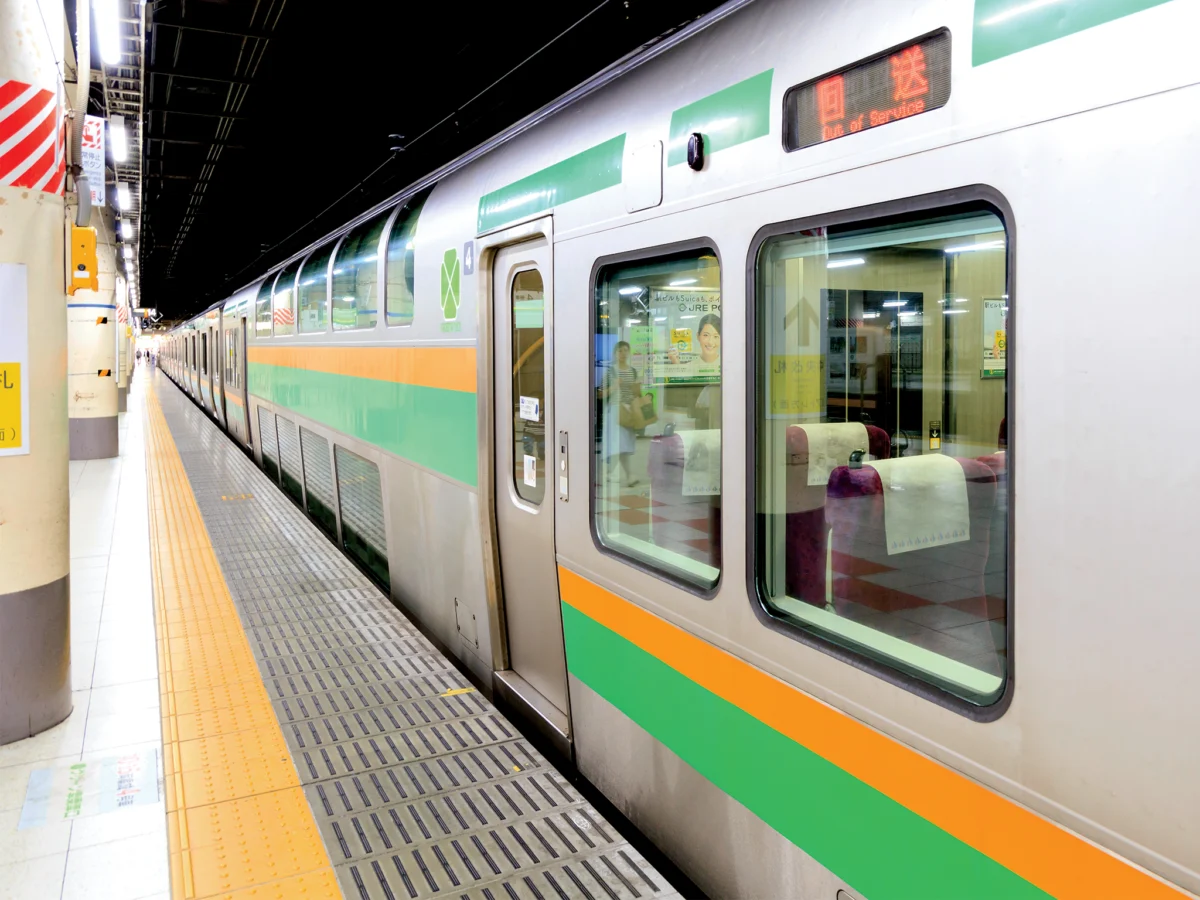
KAWASAKI, Kanagawa — A tranquil Sunday afternoon on the JR Tokaido Line was abruptly shattered when a series of distress calls prompted a massive emergency mobilization, halting one of Japan’s most vital rail arteries. While the incident resulted in no serious injuries, the confusion surrounding a reported chemical dispersal highlighted the heightened state of alert surrounding the nation’s public transportation network.
The Main Facts: A Commuter Scare
At approximately 4:40 p.m. on Sunday, a woman in her 30s traveling aboard a JR Tokaido Line train placed an urgent call to emergency services. She reported that a mysterious substance had been dispersed within her carriage, affecting her, her husband, and their one-year-old child.
The family members were transported to a local hospital for medical evaluation. Fortunately, medical officials confirmed that none of the three sustained serious injuries. However, the anxiety triggered by the incident spread rapidly throughout the car; a total of 10 other passengers subsequently complained of physical discomfort, ranging from respiratory irritation to nausea.
As the train pulled into Kawasaki Station, a heavy presence of over 20 emergency vehicles—including specialized chemical hazard teams—swarmed the platform. Despite the intensity of the response and a thorough sweep by firefighters clad in protective gear, authorities were unable to identify any harmful gases or chemical agents. As of late Sunday evening, the source of the "pepper-like" odor reported by passengers remained a mystery, and police had found no visual evidence of a spray being deployed.
Chronology of the Incident
The events unfolded rapidly, creating a chaotic scene for passengers and a logistical nightmare for East Japan Railway Company (JR East).
- 4:40 p.m.: The emergency call is received. The train, bound for Takasaki in Gunma Prefecture from Odawara in Kanagawa, is traveling between Yokohama and Kawasaki stations.
- 4:50 p.m. – 5:00 p.m.: The train arrives at Kawasaki Station, where it is taken out of service. Emergency crews establish a perimeter.
- 5:15 p.m.: First reports of passengers feeling unwell emerge. Medical personnel begin triage on the platform.
- 5:30 p.m. – 7:00 p.m.: Firefighters and chemical response teams conduct an exhaustive inspection of the train car. No hazardous substances are detected.
- 7:30 p.m.: JR East announces the suspension of services on the inbound Tokaido Line between Yokohama and Shinagawa.
- Approx. 8:00 p.m.: Following the conclusion of the initial police investigation and safety checks, operations begin a phased return to service. The total suspension lasted roughly two and a half hours.
Supporting Data: Infrastructure and Safety Protocols
The JR Tokaido Line is a critical artery of the Greater Tokyo Area, moving hundreds of thousands of passengers daily. The sudden disruption served as a reminder of the fragility of high-density transit systems.
JR East confirmed that the train was operating at a standard capacity for a Sunday afternoon. Because of the density of Tokyo’s transit network, even minor disturbances can lead to widespread delays. The two-and-a-half-hour suspension caused cascading delays across the line, affecting thousands of commuters and forcing transit officials to divert traffic to alternate routes, such as the Keihin-Tohoku Line.
The decision to deploy 20 emergency vehicles is standard operating procedure in Japan when a potential chemical threat is reported. Given the historical trauma of the 1995 Tokyo subway sarin attack, Japanese law enforcement and fire departments maintain a "zero-tolerance" policy regarding potential toxic dispersal. This ensures that even in cases where a threat turns out to be a false alarm or a misunderstanding, the response is swift and comprehensive.
Official Responses and Investigative Findings
Following the arrival at Kawasaki Station, police and fire officials immediately cordoned off the affected carriage. Investigators were seen meticulously reviewing security camera footage from the train car.
"We have reviewed the available video evidence from the train’s onboard security systems," a police spokesperson noted in a brief statement. "At this time, we have found no visual evidence that a spray or any other substance was discharged by an individual."
The mystery of the "pepper-like" smell remains the central focus of the ongoing inquiry. Experts suggest that such odors in an enclosed, climate-controlled train environment can sometimes be attributed to electrical malfunctions, the overheating of small electronic components, or even the accidental spill of food or personal care items. However, the fact that multiple passengers reported similar symptoms suggests that something—whether chemical or purely psychological—affected the air quality or the perceived environment within the car.
As of Sunday night, police had not identified any suspects, nor had they made any arrests. The investigation remains active, with authorities currently interviewing passengers who were in the immediate vicinity of the reporting family.
Implications for Public Transportation Security
The incident has ignited a broader conversation regarding the security of Japan’s rail network. In recent years, there has been a notable uptick in "unidentified odor" reports on Japanese trains. While most are eventually classified as non-hazardous, the frequency of these events has placed a significant burden on first responders and transit operators.
1. Psychological Impact and "Mass Psychogenic Illness"
Medical experts often point to the phenomenon of mass psychogenic illness—whereby the anxiety of one person causes others in a confined space to experience real physical symptoms, such as nausea or lightheadedness, upon hearing a report of a "substance." While the family of three did report feeling the effects first, the subsequent discomfort reported by 10 other passengers underscores how quickly fear can manifest as physical symptoms in high-pressure public spaces.
2. The Cost of Vigilance
The mobilization of 20 emergency vehicles and the suspension of a major rail line represent a significant economic and operational cost. JR East and local authorities must balance the need for public safety with the necessity of maintaining operational efficiency. Critics argue that the current protocols may be too easily triggered, but the public largely supports the "better safe than sorry" approach, especially in the context of global terrorism and localized crime concerns.
3. Technological Enhancements
The investigation into this incident highlights the reliance on onboard security cameras. As the rail industry continues to modernize, there is a push to integrate real-time air quality sensors into train carriages. Such technology could potentially distinguish between benign odors (such as a spill or mechanical burning) and hazardous chemical agents, allowing for a more nuanced and less disruptive emergency response in the future.
Looking Ahead: The Path Forward
As the JR Tokaido Line returns to normal operations, the focus shifts to the final report from the Kanagawa Prefectural Police. The incident serves as a stark reminder of the unique challenges of maintaining security in one of the world’s busiest urban centers.
For now, the public is urged to remain vigilant but calm. The swift response by the authorities, while disruptive, underscored the effectiveness of Japan’s emergency infrastructure. Whether the "pepper-like" smell was the result of a malfunctioning air conditioning unit, an unknown passenger’s item, or a localized chemical irritant, the mystery continues to serve as a cautionary tale about the complexities of modern urban commuting.
As authorities continue their review of the evidence, the incident remains classified as a high-priority investigation. Further updates are expected as forensic teams continue to analyze air samples and interview witnesses. For the millions who rely on the Tokyo rail network every day, the Sunday incident is a reminder that while the system is robust, it remains highly sensitive to the fears and unpredictability of the human element.
For ongoing updates regarding this incident and other transit-related news in the Tokyo area, stay tuned to our regional reporting desk.












No comments yet. Be the first to join the conversation!