Asep Darmawan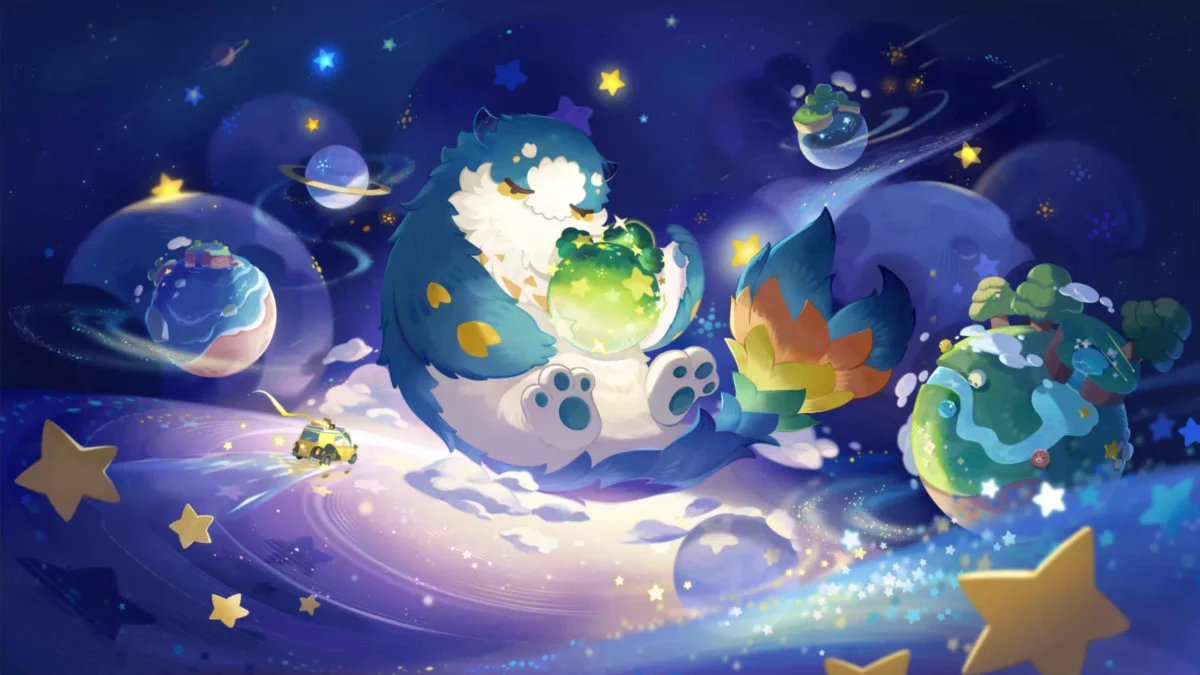
In the ever-evolving landscape of video games, few genres have captured the hearts and collective imagination quite like the social simulation. From idyllic island getaways to bustling digital farms, these games offer a unique blend of escapism, creativity, and gentle progression. Enter HoYoverse, the titan behind global sensations like Genshin Impact and Honkai: Star Rail, now testing the waters with Petit Planet. This new title promises an appealing sci-fantasy paint job to the beloved desert island social sim formula, yet, as its second beta test concludes, it raises a critical question: beyond its charming aesthetic, does Petit Planet bring enough new ideas to truly differentiate itself, or is it merely a competent, albeit derivative, homage to a genre standard?
Main Facts
Petit Planet, currently undergoing its second beta test, marks HoYoverse’s ambitious venture into the social simulation genre, a significant departure from their established action RPG and turn-based RPG successes. At its core, the game offers players a vibrant, sci-fantasy rendition of a desert planet, where they can build, customize, and interact with anthropomorphic residents in a style immediately reminiscent of Nintendo’s iconic Animal Crossing series.
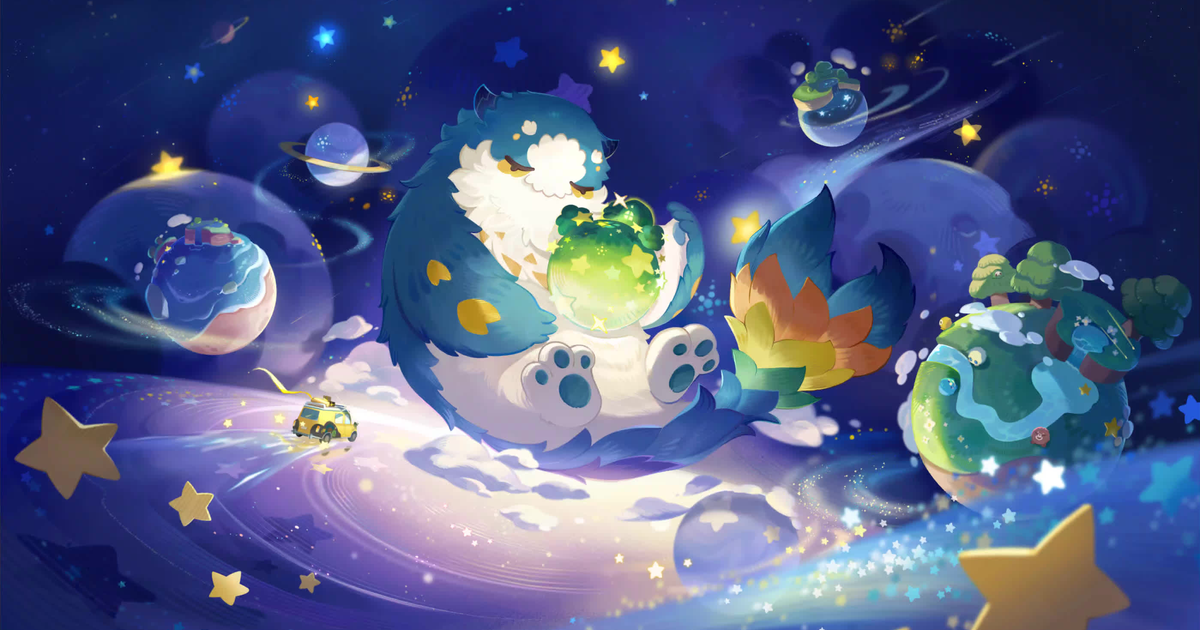
The game’s visual presentation is undoubtedly one of its strongest assets. HoYoverse brings its characteristic polish and appealing art direction to Petit Planet, transforming the familiar village-building premise into an extraterrestrial adventure. Players are tasked with fostering a burgeoning community on a small, spherical world, surrounded by a cosmic backdrop of stars and other celestial bodies. This "desert planet in space" aesthetic serves as the primary differentiator, imbuing the genre with a fresh, imaginative coat of paint.
However, beneath this inviting surface lies a gameplay loop that appears strikingly familiar. Early impressions and ongoing beta feedback suggest that while Petit Planet executes its mechanics with a high degree of competence and charm, it largely adheres to established conventions of the social sim genre without introducing groundbreaking innovations. This has led to an unavoidable and frequent comparison to Animal Crossing, a parallel HoYoverse has, perhaps strategically, done little to distance itself from. The studio’s track record with Genshin Impact, which openly drew inspiration from The Legend of Zelda: Breath of the Wild yet evolved into its own distinct entity, sets a precedent for this approach. The critical reception for Petit Planet, however, hinges on whether it can similarly forge its own unique identity or remain content as an appealing, yet largely imitative, experience.
A Chronology of Social Sim Evolution and HoYoverse’s Entry
The Genesis of a Genre
The social simulation genre boasts a rich and intertwined history, with foundational titles continually influencing new releases. The "classic trio" of The Sims, Animal Crossing, and Harvest Moon (now Story of Seasons) have, over decades, established core gameplay loops revolving around daily life, community building, relationship management, and resource cultivation. Harvest Moon, originating in 1996, pioneered the farming simulation with social elements, setting a template for agricultural endeavors and community engagement. Animal Crossing, debuting in 2001, perfected the real-time, open-ended social sim, allowing players to shape their environment and interact with charming animal villagers at their own pace. The Sims, launched in 2000, focused on life management and character development within a dynamic neighborhood.
These pioneers have not only spawned countless sequels and spin-offs but have also inspired a vast array of spiritual successors. Indie darlings like Stardew Valley (2016) famously took the Harvest Moon formula, expanded upon it with deeper mechanics, robust customization, and compelling storytelling, proving that a well-executed homage could become a beloved classic in its own right. The genre thrives on iteration and refinement, with developers often drawing liberally from successful concepts while attempting to inject their own unique flair. This long history sets a high bar for innovation, as players are accustomed to a certain level of depth and novelty within familiar frameworks.
HoYoverse’s Track Record
HoYoverse has, to date, built an empire on action RPGs and gacha mechanics. Their flagship title, Genshin Impact, released in 2020, was instantly recognized for its open-world exploration, elemental combat, and anime-inspired aesthetics, drawing immediate comparisons to The Legend of Zelda: Breath of the Wild. While initial discussions often focused on these similarities, Genshin Impact rapidly evolved, introducing a party-based combat system, intricate lore, expansive character rosters, and a live-service model that fostered continuous content updates. By 2026, to simply label Genshin Impact as a "BOTW clone" would be to overlook its significant contributions and distinct identity within the RPG space.
Similarly, Honkai: Star Rail, a turn-based RPG, and Tears of Themis, a romance visual novel, demonstrate HoYoverse’s capacity for creating polished experiences across diverse genres, albeit with a consistent visual style and monetization strategy. This pattern suggests a studio adept at identifying successful formulas, interpreting them through their own creative lens, and executing them with a high degree of technical prowess and artistic flair. Their ventures are typically characterized by massive budgets, extensive marketing, and a commitment to long-term live service support.
Petit Planet’s Development Journey
The existence of Petit Planet first surfaced through leaks a couple of years ago, immediately sparking discussions about HoYoverse’s foray into the social sim space and, predictably, drawing direct comparisons to Animal Crossing. The studio’s decision to launch a second beta test indicates a continued refinement process, collecting player feedback to shape the final product. Crucially, HoYoverse has made no apparent effort to deflect these Animal Crossing comparisons, seemingly embracing the immediate recognition and understanding of its core concept. This approach, while transparent, also sets up an expectation: players will inevitably judge Petit Planet against the very benchmark it openly references. The question is whether this acceptance of the comparison is a confident nod to its own distinct vision or an acknowledgment of its foundational inspiration without a clear path to mechanical differentiation.
The Current Landscape
The mid-2020s gaming landscape is teeming with titles vying for the attention of players who cherish the "cozy game" aesthetic and the gentle rhythm of social simulation. The success of Animal Crossing: New Horizons during the global lockdowns cemented the genre’s appeal, leading to a proliferation of similar experiences. Games like Heartopia, Pokopia, and even revivals or reinterpretations like Tomodachi Life are all, in various ways, tapping into the desire for serene, community-focused gameplay. This creates a highly competitive environment where standing out requires more than just competence; it demands a unique selling proposition (USP) or a truly innovative twist on established mechanics. Petit Planet enters this crowded arena, needing to carve out its own space not just as a well-made game, but as one that offers a compelling reason for players to invest their valuable time and emotional energy.

Supporting Data and Comparative Analysis
The "Animal Crossing" Blueprint
Petit Planet‘s gameplay loop is deeply ingrained with elements that seasoned Animal Crossing players will recognize instantly. From the moment players begin to cultivate their new home on a desert planet, the echoes are pervasive. The act of shaking trees to gather fruit – albeit "faintly apple-looking plums" – mirrors the daily ritual of collecting resources. Fishing in cosmic waters and catching exotic insects, then delivering them to a "kindly and cultured anthropomorphic animal" who displays them in a vivarium, directly parallels the museum mechanics championed by characters like Blathers. The task of helping an "energetic little monkey" organize the settlement’s resources further solidifies the connection to characters like Niko in Animal Crossing: Happy Home Paradise, who assists with island infrastructure.
These familiar actions, while inherently enjoyable for fans of the genre, highlight the core challenge for Petit Planet: a lack of novel mechanics. The comfort of familiarity can be a double-edged sword; it draws players in but can also lead to a sense of "been there, done that." For a game to truly succeed in such a competitive space, it often needs to build upon these foundations with unique systems, deeper narrative choices, or innovative multiplayer interactions that provide a fresh perspective.
Aesthetic Appeal vs. Mechanical Depth
The most evident differentiator for Petit Planet is its "desert planet in space" aesthetic. HoYoverse has leveraged its renowned art team to craft a visually distinct world, moving away from the pastoral island setting to a more whimsical, cosmic environment. The chibi characters, pastel color palettes, and imaginative creature designs contribute to an undeniably cute and relaxing atmosphere. This "sci-fantasy paint job" is appealing and offers a fresh visual identity for the genre.
However, a captivating aesthetic alone may not be sufficient to sustain long-term engagement if the underlying mechanics lack innovation. While the visual theme provides a charming backdrop, the minute-to-minute gameplay largely revolves around established social sim activities. The core loop of gathering, crafting, decorating, and interacting with NPCs feels polished and competent, yet without a distinct mechanical hook, it struggles to offer a compelling alternative to the hundreds of hours players may have already invested in titles like Animal Crossing: New Horizons. The reviewer’s sentiment, "I’m not sure what will draw me to pick it back up again when there are already so many extremely similar options available to me," perfectly encapsulates this tension between visual appeal and mechanical familiarity.
Competition in the Cozy Game Space
Petit Planet faces stiff competition, particularly from other contemporary "Animal Crossing-likes" that have already established their presence. Heartopia, for example, presents a "charming playdough-y gacha social sim" that also targets similar demographics. Critically, Heartopia has a couple of significant advantages:

- Global Availability: It has been available globally since January, giving it a head start and allowing it to cultivate an active player base, whereas HoYoverse remains "cagey about committing to a release window" for Petit Planet.
- Unique Selling Proposition (USP): Heartopia distinguishes itself by featuring player-controlled neighbors, fostering a genuinely dynamic and interactive online community that goes beyond mere NPC interactions. This offers a clear, tangible reason for players to engage with its world.
In contrast, Petit Planet‘s USP appears primarily limited to its aesthetic. While visually unique, its core social mechanics remain largely conventional. This makes it challenging to draw players away from established favorites or more innovative newcomers. The comparison to Stardew Valley is also pertinent. Stardew Valley succeeded as an indie homage by deepening and expanding upon the farming sim genre, offering incredible value and replayability. For Petit Planet to achieve similar standing in the burgeoning F2P mobile-led space, it will need to offer more than just a polished replication of existing ideas. The current market demands either significant innovation or an exceptionally compelling execution of existing concepts to stand out.
The AI Conundrum
A notable and potentially controversial aspect of Petit Planet is HoYoverse’s acknowledged commitment to integrating generative AI into its development process. The beta includes disclosures indicating the use of GenAI, a move that, while offering a degree of transparency, also introduces a "frustrating opacity" regarding the specifics. The article highlights that while the disclosed content could potentially be generated by a more contained Small Language Model (SLM) trained on HoYoverse’s internal data – a less "egregious" use – there’s no guarantee this is the case. The broader implications of using Large Language Models (LLMs) trained on vast, often uncredited public datasets raise significant ethical concerns regarding intellectual property, fair compensation for human artists, and the environmental impact of training such models.
Furthermore, the practical application of AI in Petit Planet appears to fall short of revolutionary. Despite the "fuss and fanfare" surrounding HoYoverse’s AI initiatives, the NPC dialogue in the beta is described as having "about the same level of naturalistic dialogue as that seen in Façade," a 20-year-old indie game. While Façade was groundbreaking for its time, its benchmark for "real-time conversation" is now decades old. This suggests that HoYoverse’s highly publicized push into generative AI, at least in Petit Planet‘s current state, may not be delivering a noticeable qualitative leap for the player experience, particularly in areas like dynamic character interaction, which is crucial for social sims. The critique underscores a broader concern: if significant ethical and resource investments into AI yield only marginal improvements in gameplay quality, especially in core areas like dialogue, then the studio’s rationale for its extensive use becomes questionable.
Official Responses and Developer Stance
HoYoverse’s approach to Petit Planet suggests a calculated strategy rather than an accidental resemblance. Their "unashamed" acceptance of Animal Crossing comparisons indicates a deliberate positioning. This aligns with their historical pattern, as seen with Genshin Impact‘s open inspiration from Breath of the Wild. In the past, this strategy has worked to their advantage, leveraging established genre appeal to attract a wide audience before gradually introducing their own unique elements. For Petit Planet, it suggests a confidence that either the aesthetic alone is enough to differentiate it, or that further, more distinct features will be revealed closer to launch.
One of the most intriguing aspects of the beta, and an implicit "response" from the developer, is the apparent absence of gacha mechanics. HoYoverse’s entire existing roster relies heavily on gacha for monetization, making this omission highly unusual. This could signify a strategic pivot for Petit Planet, especially given its explicit targeting of a "family" audience. The speculation is that removing gacha might make the game more palatable to parents who control the finances for younger players. This would represent a significant shift in HoYoverse’s monetization philosophy for this particular title, suggesting a willingness to adapt its business model to suit a new demographic and potentially mitigate concerns about predatory monetization practices often associated with gacha in games targeting children.

The explicit targeting of a "family" demographic is also a crucial developer stance. While younger players are already engaging with HoYoverse’s other titles (often with parental oversight), Petit Planet is the first to be overtly designed for this younger audience. This decision shapes not only the monetization strategy but also the overall content, themes, and complexity of the game, aiming for an experience that is both accessible and appealing to a broader, multi-generational player base.
Implications and Future Outlook
Monetization Strategy for a New Demographic
The most significant implication stemming from Petit Planet‘s beta is the conspicuous absence of gacha mechanics. For a studio whose five existing titles are all monetized via gacha, this is an extraordinary departure. While the article speculates on the presence of a "seasonal pass subscription type model" in the full release, the lack of a "gacha-shaped hole" raises important questions. Is HoYoverse genuinely shifting its monetization paradigm for this family-focused title, or is this a temporary omission for the beta phase?
If the gacha remains absent, it would represent a bold move to appeal to parents, making the game seem less financially risky for younger players. However, even without gacha, HoYoverse’s history as a live-service specialist, known for its highly optimized and often aggressive monetization tactics aimed at adults, casts a long shadow. The prospect of such a studio turning its attention to games for children, regardless of gacha, inevitably triggers "alarm bells." The implications are that alternative monetization strategies, such as cosmetic sales, battle passes, or subscription models, would still need to be carefully scrutinized to ensure they are ethical and fair for a younger audience. This move could redefine how HoYoverse is perceived by a segment of the gaming public, or it could simply be an experiment in a new market segment.
Impact on the Social Sim Genre
Will Petit Planet push the social sim genre forward, or will it merely serve as a polished, yet ultimately conventional, addition? The current beta suggests the latter. While competence is admirable, particularly for a studio branching into a new genre, the lack of truly fresh ideas means Petit Planet is unlikely to redefine the genre’s boundaries. Instead, it seems poised to reinforce existing conventions, offering a comfortable and familiar experience for those who crave it. Its primary impact might be to further validate the Animal Crossing formula, demonstrating its enduring appeal across different cultural and developmental contexts.
HoYoverse’s Diversification
Petit Planet, alongside Tears of Themis, serves as undeniable proof that HoYoverse’s development talents extend beyond their signature RPGs. The ability to produce a "perfectly competent social sim" is an achievement, showcasing the studio’s versatility and production quality. However, for a studio of HoYoverse’s immense resources and track record of creating genre-defining hits, "perfectly competent" might sound like a backhanded compliment. It begs the question of whether HoYoverse is aiming for mere competence or for the same level of innovative impact they achieved with Genshin Impact in its own genre. If Petit Planet remains "by-the-numbers," it could indicate that while HoYoverse can do other genres, their true innovative power lies within their established niche.

The Player’s Dilemma
The most pressing implication for individual players is the ultimate question of investment. With a plethora of existing, beloved social sims already available – and many players actively managing multiple virtual settlements – what compelling reason does Petit Planet offer to dedicate time, energy, and potentially money? The article captures this perfectly: "Do I have room in my heart to begin all over again?" For players already deeply embedded in their Animal Crossing islands or Stardew Valley farms, Petit Planet needs to offer more than just a fresh coat of paint and familiar mechanics. It needs a hook, a unique community experience, or a distinct progression path that justifies the emotional and temporal investment required to start anew. Without it, it risks becoming another pleasant but ultimately forgettable entry in a crowded genre.
Generational Appeal
Finally, Petit Planet‘s explicit targeting of a younger, family audience carries significant implications. For children born around 2020, who are now reaching primary school age, Animal Crossing: New Horizons‘ peak during the early 2020s might be a distant memory, if they remember it at all. Petit Planet could very well become their Animal Crossing, offering a gateway into the social sim genre without the baggage of direct comparison to a past classic. This demographic might be less critical of its derivative nature and more receptive to its charming aesthetics and accessible gameplay.
However, this "grim thought" also highlights the relentless passage of time for older players and, more importantly, raises ethical considerations. Seeing HoYoverse, a studio with a complex history of monetization aimed at adults, explicitly target children, even without gacha, is cause for concern. It underscores the responsibility developers have when designing games for vulnerable audiences, ensuring that their monetization and engagement strategies prioritize player well-being over profit.
In conclusion, Petit Planet represents a fascinating crossroads for HoYoverse. It’s a testament to their ability to branch out and deliver a polished product in a new genre. The sci-fantasy aesthetic is genuinely appealing, and the core gameplay loop is undeniably competent. Yet, its striking familiarity, the opaque use of AI, and the unique challenges of monetizing for a family audience in a crowded market mean that Petit Planet may not "set the world on fire." Instead, its modest yet achievable goal appears to be finding a niche among life sim fans eager for a shiny new, yet comfortingly familiar, playground. The ultimate success of Petit Planet will depend not just on its inherent quality, but on whether HoYoverse can convince a discerning audience that its new planet offers a journey truly worth embarking on, rather than just another stop along a well-trodden path.


 Lina Irawan
 Sagoh
Sagoh