

The recent unsealing of federal documents related to the late financier Jeffrey Epstein has unveiled a treasure trove of mundane, bizarre, and chilling insights into the mind of a man who stood at the center of one of the 21st century’s most significant criminal investigations. Among the thousands of pages of flight logs, financial records, and legal correspondence, a curious and consistent motif has emerged: a recurring, almost obsessive preoccupation with the 1930s comedy shorts The Little Rascals (also known as Our Gang).
While researchers have spent years parsing the Epstein files for evidence of his financial networks and social entanglements, the discovery of his private, nostalgic fixation on these vintage films suggests a psychological layer that remains largely unexamined. Whether these references represent a genuine affinity for mid-century Americana or a coded internal shorthand remains a subject of intense debate among forensic analysts and observers of the case.
The Final Note: A Cry for Attention?
The public’s attention was drawn to this pattern earlier this week when a federal judge unsealed a handwritten note, purportedly penned by Epstein in July 2019. This document was created approximately three weeks before his death, following an initial, suspected suicide attempt at the Metropolitan Correctional Center in Manhattan.
The note, which carries the weight of a final, desperate missive, concludes with a cryptic, rhythmic phrase: "Whatcha want me to do — Bust out cryin! !"
The provenance of this line is unmistakable to fans of classic cinema. It is a direct quote from the 1931 Our Gang short film Little Daddy. In the scene, the character Stymie delivers the line with a mix of defiance and pathos upon realizing that he and his friend are about to be separated. For a man facing the total collapse of his carefully curated life, the choice of a line from a children’s film—delivered by a character facing involuntary separation—is a detail that defies simple explanation.

A Chronology of a Private Vocabulary
The July 2019 note was not an isolated incident of Little Rascals reverence. Further scrutiny of documents released under the Epstein Files Transparency Act reveals that the financier had utilized this specific dialogue in at least three prior instances, suggesting that the reference was a deeply ingrained part of his lexicon.
- 2016: Epstein included the Little Daddy quote in an email exchange with his brother, Mark Epstein.
- 2017: The same phrase appeared in a message sent to a childhood friend, indicating that the reference was used in contexts ranging from familial obligations to personal history.
- 2014: A more elaborate and telling exchange occurred with Joi Ito, the then-director of the MIT Media Lab.
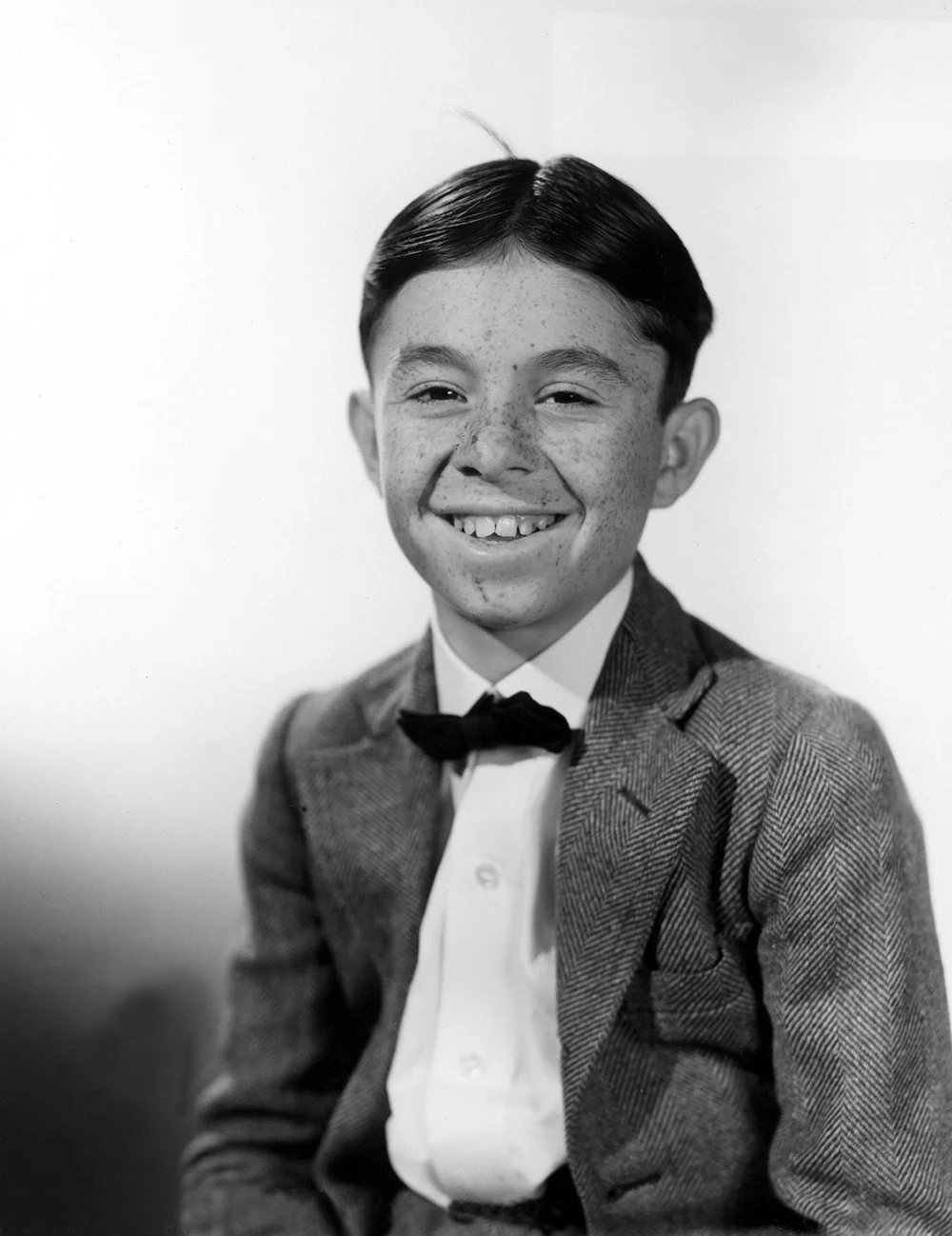
The 2014 correspondence with Ito provides the most granular view of this fixation. In an email dated December 2, 2014, Ito—who would later resign his position in 2019 following the exposure of his financial ties to Epstein—responded to a photograph sent by the financier. Ito, appearing to backtrack on an earlier, erroneous comment, wrote: "Wait, what was I thinking? This is Alfalfa, not Squiggy."
Ito was referring to Alfalfa, the iconic, cowlicked character played by Carl Dean Switzer, having initially confused him with Andrew "Squiggy" Squiggman from the sitcom Laverne & Shirley. Ito added, "Even older, but I guess it dates me that I remember Little Rascals."
Instead of dismissing the comparison, Epstein engaged with it. He steered the conversation toward linguistic trivia, asking Ito, "Is there a Japanese symbol that when pronounced =AO sounds like AL-fa=fa," effectively attempting to translate his nickname into Japanese. He followed this up by sending a link to an IMDb photograph of a young, grinning Switzer in suspenders, asking the former media lab director, "Any resemblance?"
Supporting Data: The Digital Paper Trail
The documents released provide a stark look at how Epstein curated his own image. By providing links to specific publicity stills from 1935, Epstein demonstrated a deliberate intent to associate himself with the imagery of the Our Gang troupe.

The juxtaposition of a high-powered, globally connected financier with the innocent, Depression-era charm of The Little Rascals is inherently jarring. However, the data confirms this was not a fleeting whim. Epstein’s email archives reveal a man who frequently turned to the comfort of 20th-century pop culture as a buffer against his complex reality.
For forensic psychologists, the repetition of these specific cultural artifacts—particularly the Alfalfa comparison—offers a window into a narcissistic projection. Whether Epstein viewed himself as a misunderstood prankster or a victim of a larger, systemic "separation" (as suggested by the Stymie quote), the persistence of the trope suggests a man who was actively constructing a narrative for himself, even in his private, unmonitored moments.
Official Responses and Legal Interpretations
The emergence of these documents has prompted questions regarding their authenticity and their impact on the ongoing legal narrative. While some legal experts argue that the references are trivial—mere "joshing" between wealthy associates—others suggest they are vital context for understanding Epstein’s mental state in his final days.
Forensic analysts are currently tasked with verifying the handwriting on the 2019 suicide note. If the note is proven to be authentic, the inclusion of the Little Rascals quote will likely be used by behavioral scientists to determine whether Epstein was experiencing a psychological regression or if the note was a performative act.
There has been no official statement from the Epstein estate or the legal teams involved in the transparency act regarding the specific cultural references. However, those close to the investigation note that the files were released specifically to provide a complete, unfiltered look at the environment in which Epstein operated, regardless of how seemingly tangential the content may appear.

Implications: The "Alfalfa" Persona
What do we make of a man who spends his time discussing Japanese phonetic renderings of his nickname, "Alfalfa," while managing a global web of influence?
The implications are twofold. First, the references solidify the existence of a "private" Epstein—one who moved away from the austere, intellectual, and intimidating persona he presented to the public, opting instead for a self-referential, nostalgic, and occasionally infantile persona.
Second, the fixation serves as a warning about the dangers of reading too much into isolated data points. While it is tempting to assign deep, symbolic meaning to the Little Rascals references—perhaps interpreting them as a metaphor for his own childhood, or a projection of his own perceived "mischief"—it is equally possible that these references were merely a byproduct of a man who felt isolated and turned to the familiar, low-stakes comfort of his own childhood memories to fill the silence.
As the Epstein files continue to be digitized and analyzed by the public, the "Alfalfa" connection stands as a reminder that the truth of a subject’s character is often found in the margins—the stray emails, the links sent to friends, and the final, handwritten lines left behind in a jail cell. Whether this particular thread unravels further remains to be seen, but for now, it remains one of the more peculiar footnotes in a case defined by its dark and complex shadows.











No comments yet. Be the first to join the conversation!