

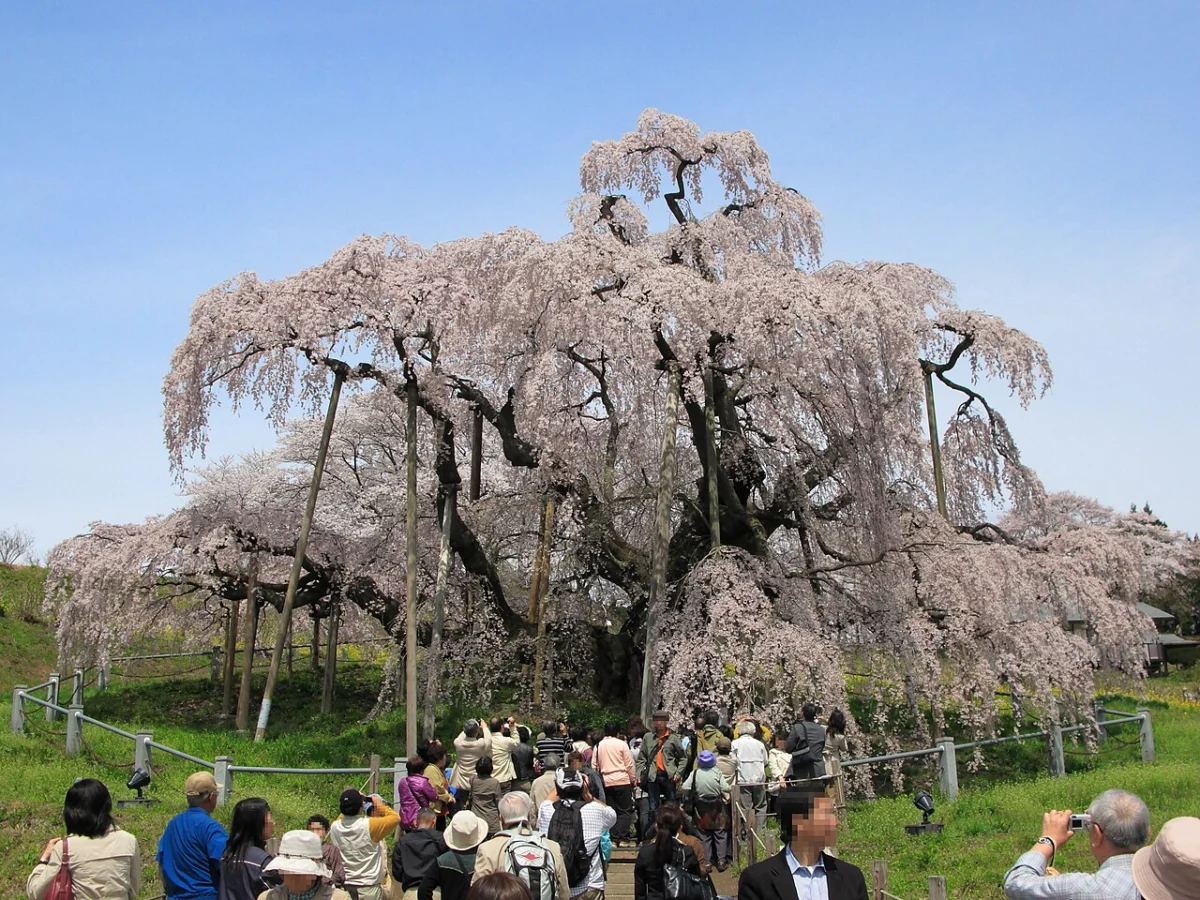
In the quiet hills of Fukushima Prefecture, a silent, living monument draws thousands of pilgrims every April. They arrive by train, by bus, and by car, walking the final kilometer in a hush that feels more like a cathedral procession than a tourist excursion. They are here to witness the Miharu Takizakura—the Waterfall Cherry Tree. Standing over 13 meters tall, this ancient beni-shidare (weeping cherry) creates a curtain of pink blossoms that cascades across the landscape, defying the brevity of the spring season with a majesty that has endured for over a millennium.
Main Facts: The Anatomy of an Icon
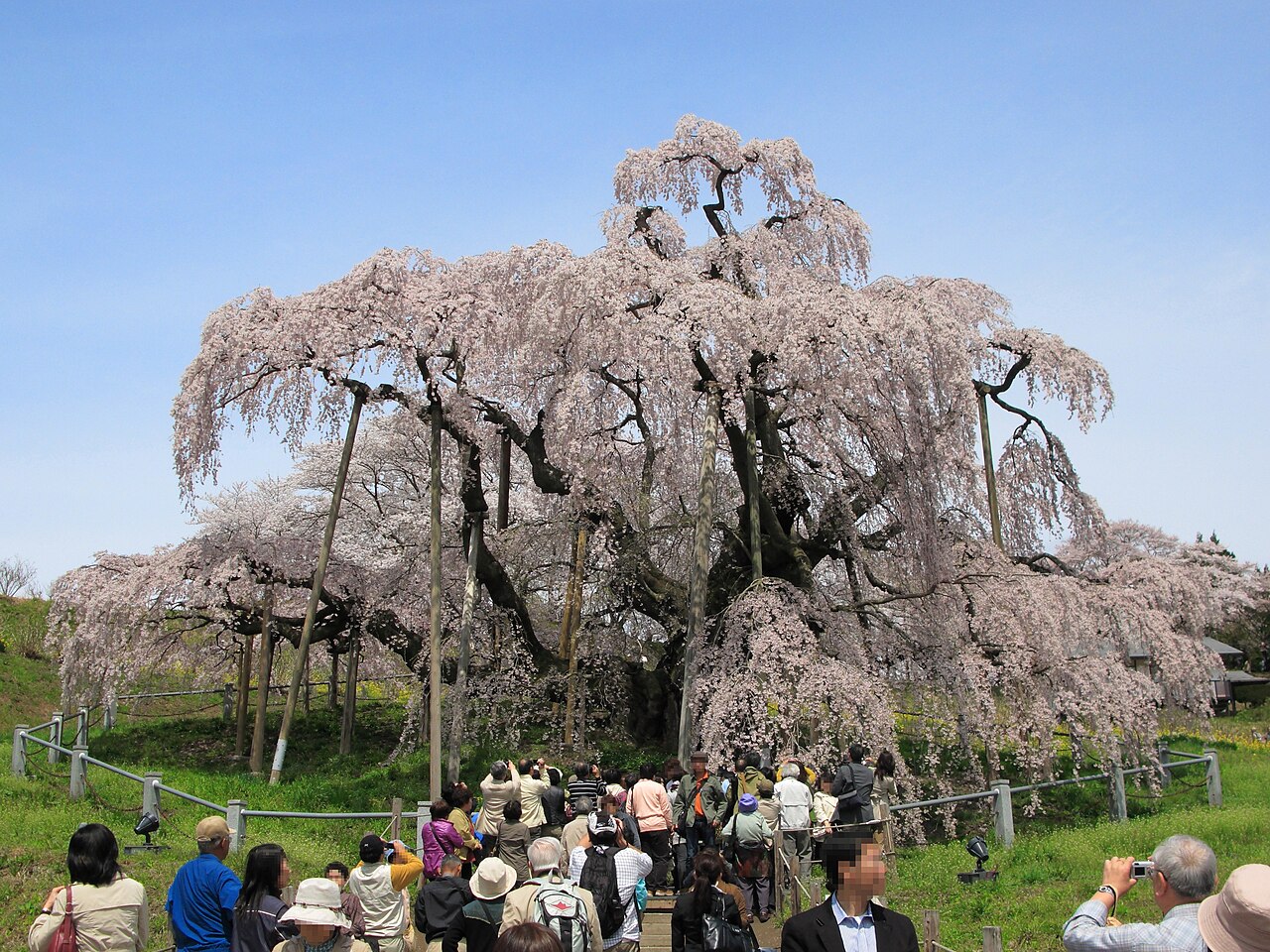
The Miharu Takizakura is more than a tree; it is a biological and historical masterpiece designated as a National Natural Monument since 1922. It is one of the "Three Great Cherry Trees of Japan," sharing the prestigious title with the Usuzumi-zakura in Gifu and the Yamataka Jindai-zakura in Yamanashi.
- Botanical Classification: A Prunus pendula cultivar known as beni-shidare ("red weeping" cherry).
- Age: Estimated at over 1,000 years.
- Physical Dimensions: With a trunk circumference of 8.1 meters and a branch spread that reaches up to 14.5 meters in the south, the tree occupies a space larger than a professional tennis court.
- Bloom Cycle: A short-lived display lasting approximately ten days, highly dependent on the vagaries of the Tohoku spring weather.
- Accessibility: Located in the town of Miharu, Fukushima, it is a short transit journey from the major hub of Koriyama.
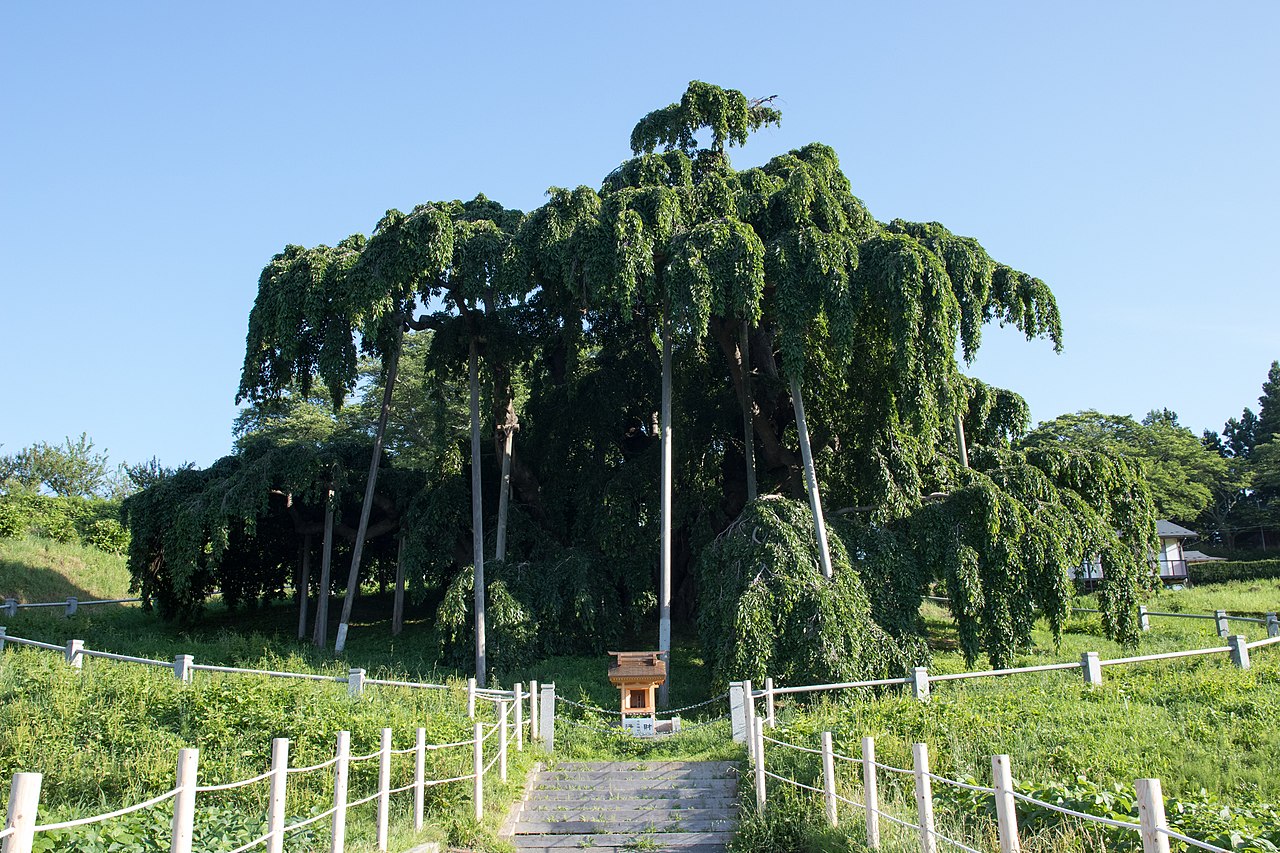
Unlike the Somei-yoshino cherry trees that define the Tokyo landscape—genetically identical clones with a life expectancy of roughly 80 years—the Takizakura is a survivor of centuries. Grown from seed, its gnarled trunk and asymmetrical limb structure tell the story of a thousand years of leaning into the sun and shielding against the harsh northern winds.
Chronology: A Thousand Years of History
The story of the Takizakura is interwoven with the feudal history of the Miharu domain. Protected from the late Edo period onward as an oya-boku (official tree), it has served as a cultural anchor for the region.
In the 1830s, the poet Kamo no Suetaka immortalized the tree in verse, describing blossoms "reaching to every corner of Oshu." This act of literary preservation solidified the tree’s status in the Japanese national imagination. Following the Meiji Restoration and the modernization of Japan, the tree’s significance only grew. In 1922, it became the first cherry tree in Japan to receive the official designation of National Natural Monument, a status that ensured its protection during the rapid industrialization of the 20th century.
Even the post-2011 era marked a chapter in the tree’s history. Despite the nearby Fukushima Daiichi nuclear accident, Miharu remained outside the evacuation zones, and the tree continued to bloom, serving as a symbol of resilience for a prefecture working to rebuild its reputation and its future.
Supporting Data: The Logistics of the Pilgrimage
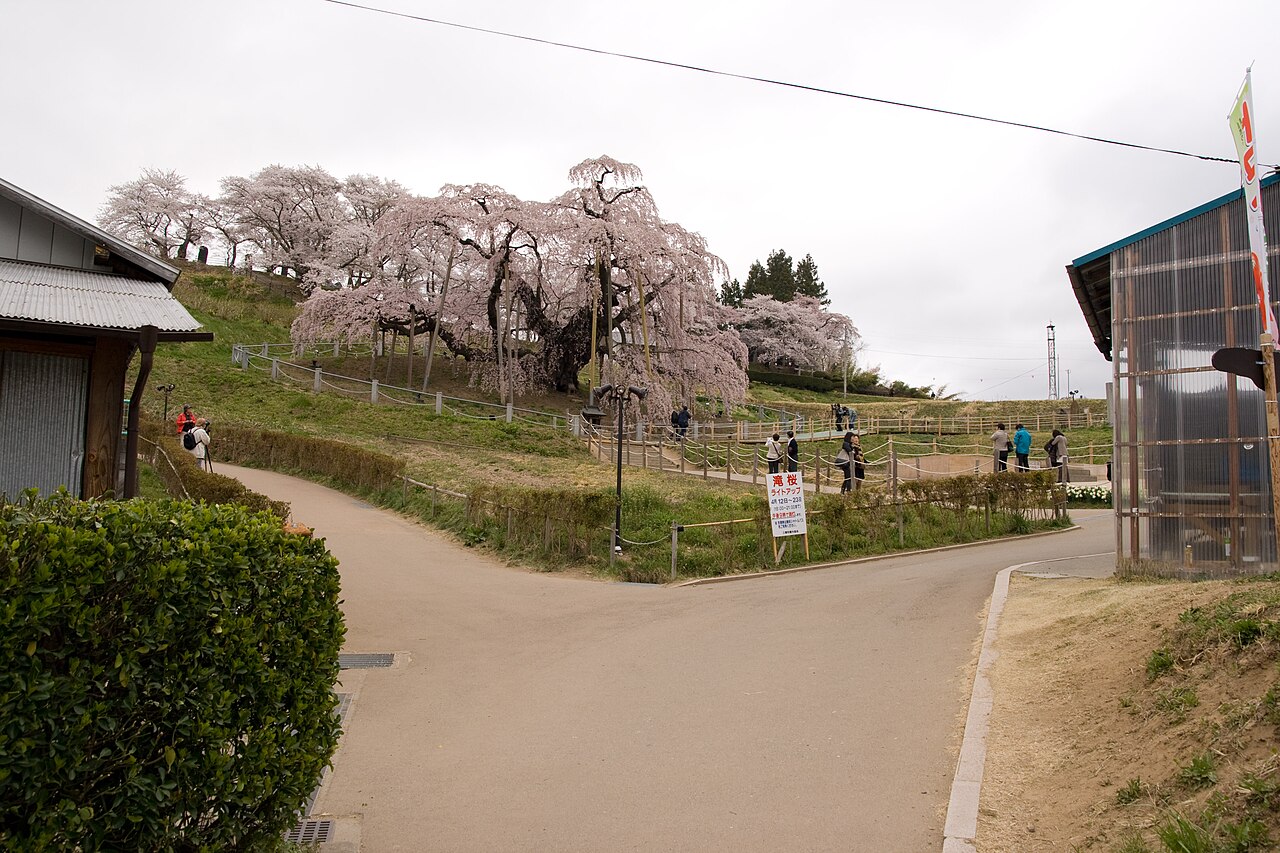
To visit the Takizakura is to engage in a delicate dance with nature and crowds. During the peak bloom, between 150,000 and 200,000 visitors descend upon the hill.
Timing and Bloom Forecasts
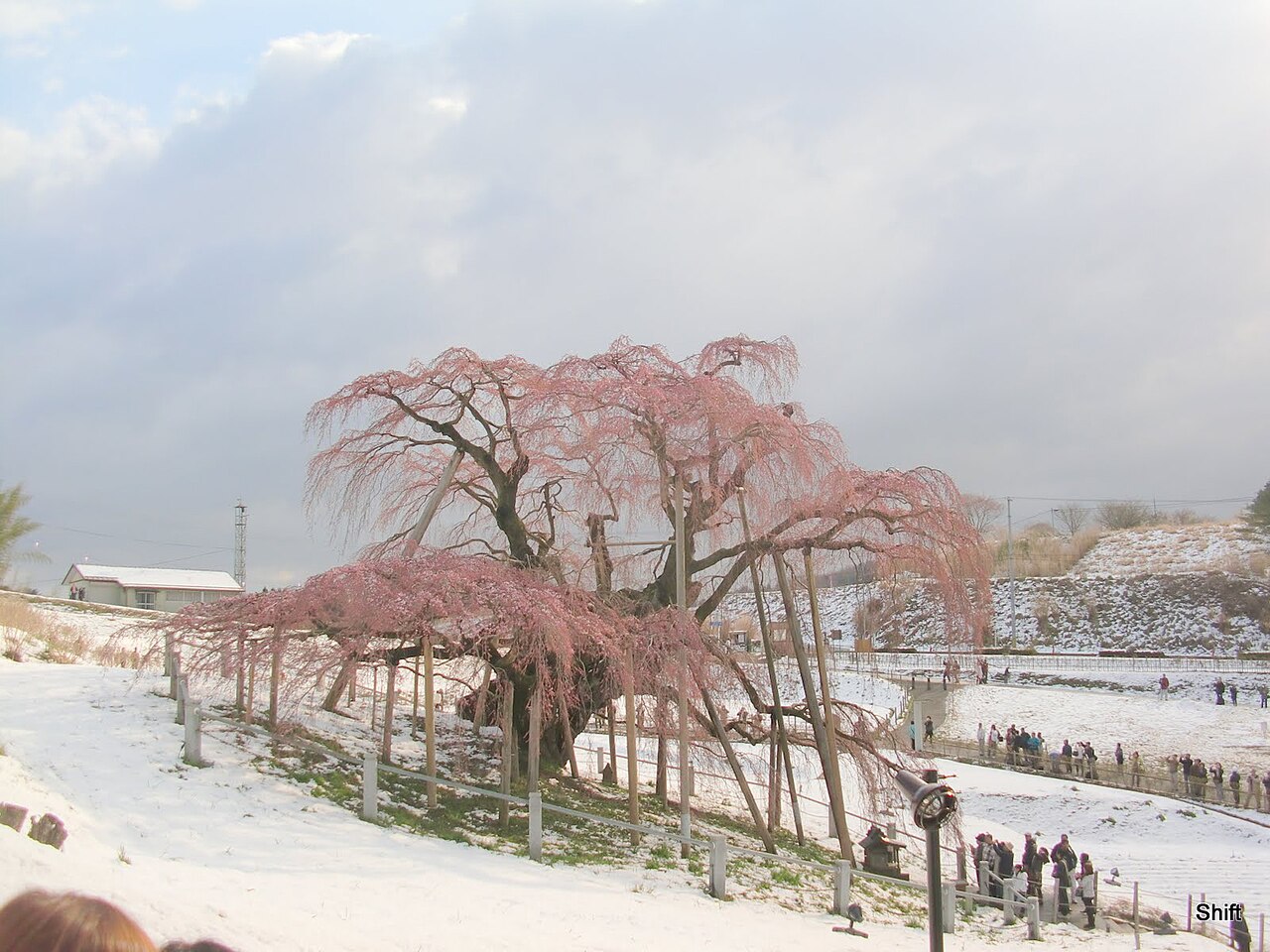
The window for mankai (full bloom) is narrow. While usually occurring in the third week of April, a warm spring can pull the date forward to April 10th, while a late frost—like the 30cm snowfall of 2010—can delay it until after the 25th. Visitors are advised to monitor the Miharu Tourism Association’s daily bloom updates, which categorize the status from tsubomi (bud) to chiri-hajime (starting to fall).
Access Strategies
- The Shuttle System: During the bloom, the "Takizakura-go" shuttle bus operates from Miharu Station. It is the most reliable method for travelers without cars, with service synchronized to the light-up schedule.
- The Car Rental Option: For those seeking flexibility, renting a car from Koriyama Station is the superior choice. It allows for a broader exploration of the "Miharu-meguri" (cherry tour) map, which features forty other notable trees in the vicinity.
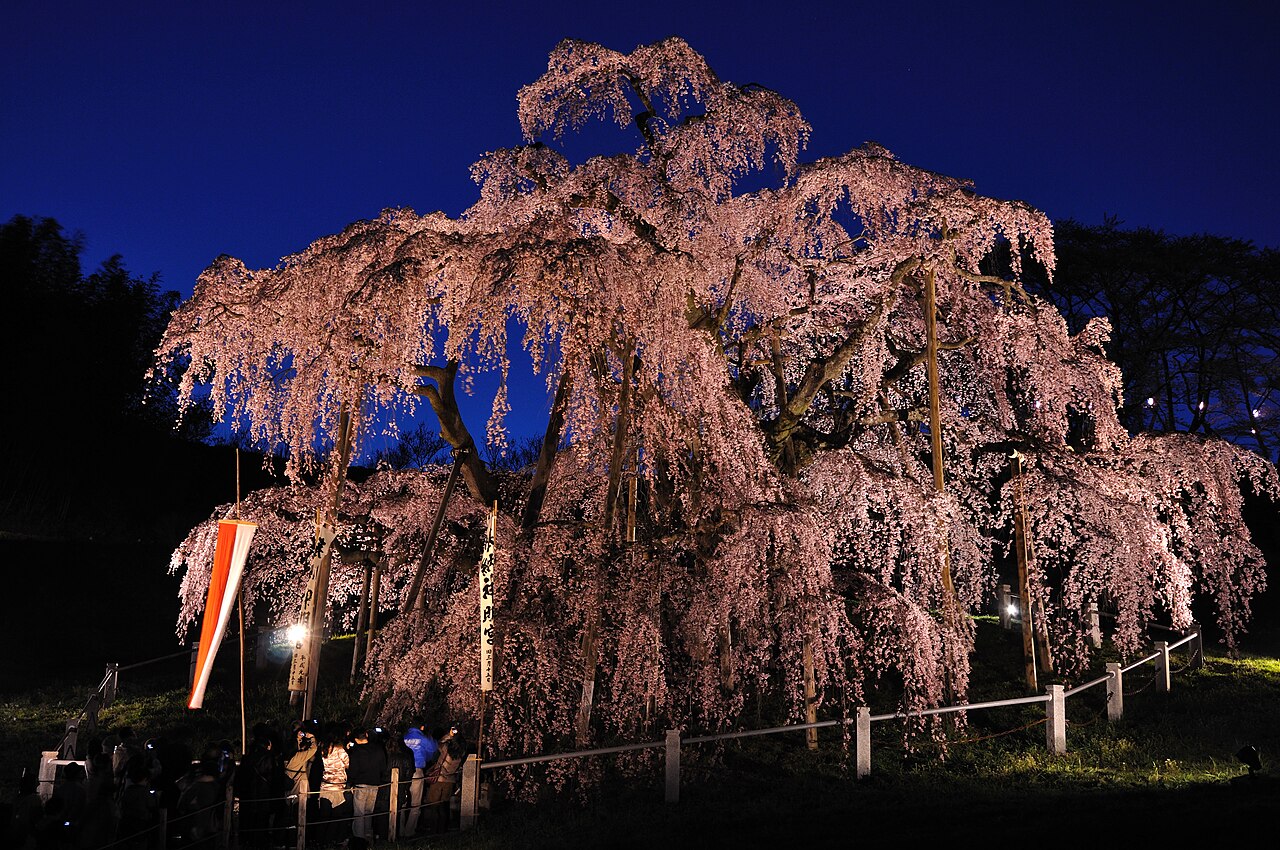
- The Night Experience: The evening illumination (18:00–21:00) is widely considered the superior viewing experience. By utilizing low-level, warm lighting positioned behind the tree, the blossoms appear as "molten gold" against the indigo dusk.
Official Responses and Conservation Efforts
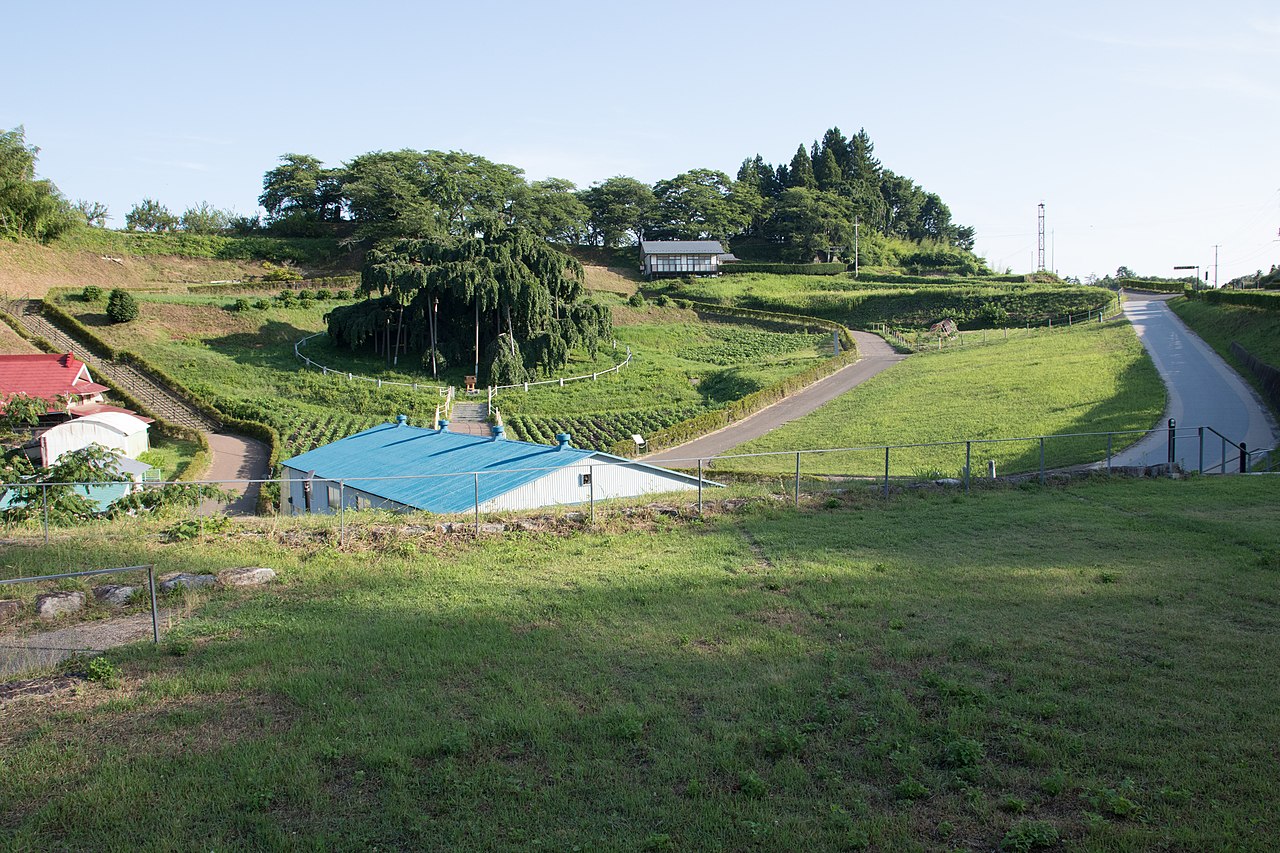
The stewardship of the Takizakura is a high-stakes operation. Since the 1970s, the tree has been supported by a complex system of internal and external props. The weight of the aging branches, combined with the vulnerability of the root system, requires constant monitoring.
Local authorities in Miharu treat the tree as a primary asset, managing the site with a mix of rigid regulation and public outreach. The implementation of a one-way path system ensures that the flow of thousands of daily visitors does not compact the soil around the critical root zone. The ¥300 admission fee—which covers the entire day of entry—is funneled directly into the site’s maintenance, including the delicate work of soil aeration and branch preservation.
Furthermore, the Miharu tourism office has worked extensively to shift the narrative of the region from disaster recovery to cultural preservation. By highlighting the Commutan Fukushima education center and the town’s traditional Miharu-goma horse crafts, they have successfully positioned the Takizakura as the centerpiece of a multifaceted regional tourism strategy.
Implications: Why the Takizakura Matters
The enduring appeal of the Miharu Takizakura highlights a shift in modern travel. In an era of instant gratification and mass-produced experiences, the Takizakura offers a return to "slow tourism."
The Aesthetic of Imperfection
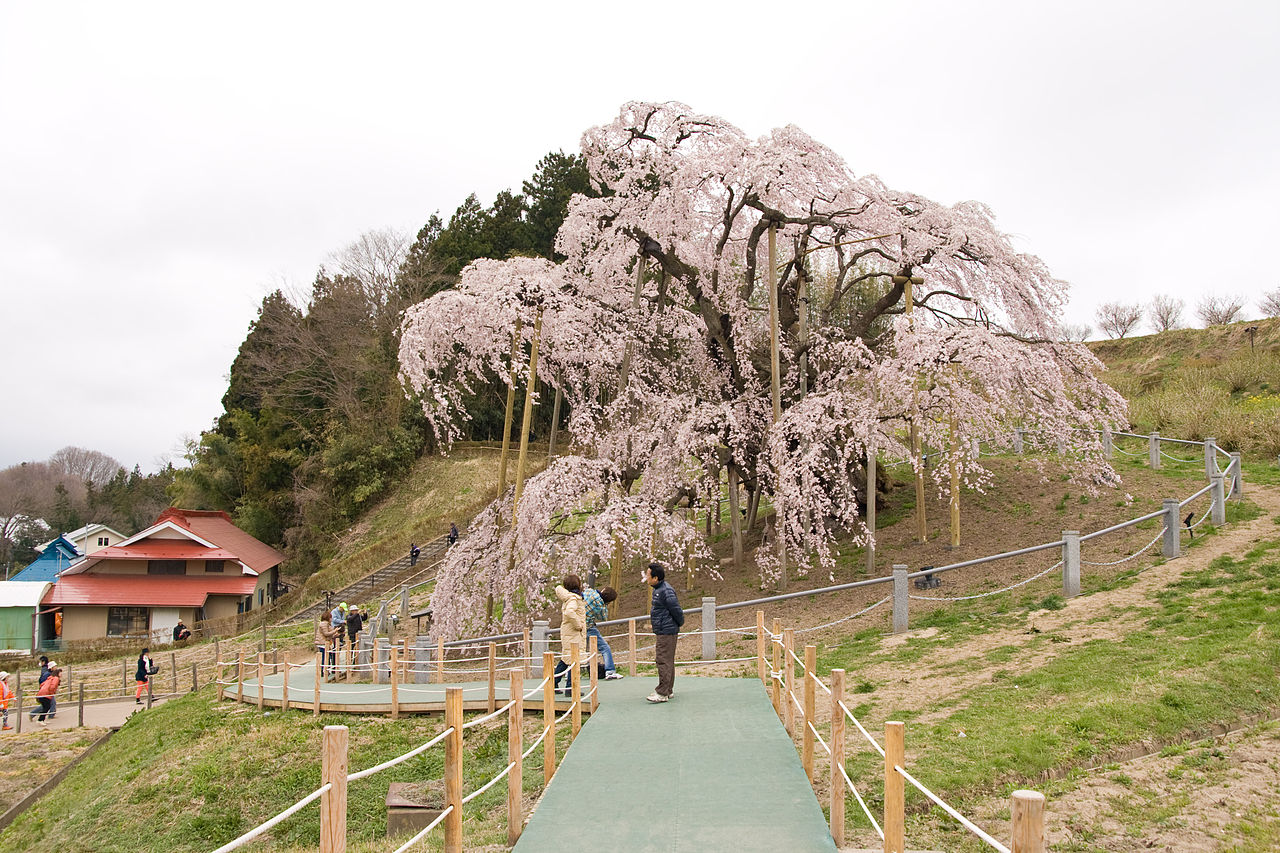
The Japanese concept of wabi-sabi—finding beauty in the transient, the aged, and the imperfect—is physically manifest in this tree. Unlike the perfectly manicured parks of major urban centers, the Takizakura is asymmetrical, wind-beaten, and demanding. It forces the viewer to reconcile the immense scale of the tree with the fragility of the blossom.
Economic and Cultural Impact
For the town of Miharu, the tree is a lifeline. It sustains a local economy that thrives on the influx of spring travelers, encouraging them to stay in the region long enough to explore the Abukuma Cave or the scenic drives around the Miharu Dam. The implication for the visitor is clear: the tree is the hook, but the region is the destination.
The Verdict on the "Great Three"
For travelers debating between the three great cherry trees, the Takizakura often wins out. While the Usuzumi-zakura offers a more somber, historical experience and the Yamataka Jindai-zakura serves as an archaeological wonder, the Miharu Takizakura provides the most dramatic, visceral experience. Its sheer volume of bloom, combined with the accessible but carefully managed viewing infrastructure, makes it the quintessential Japanese cherry blossom experience.
Final Recommendations for the Traveler
If you are planning your visit, keep these three rules in mind:
- Build a Buffer: Never plan a "one-shot" trip. The bloom is fickle. If you have only one day, you risk disappointment. Aim for a three-day window if your schedule permits.
- Stay in Koriyama: Do not attempt to stay in Miharu itself unless you have booked a year in advance. Koriyama offers the necessary infrastructure and is only 12 minutes away by rail.
- Respect the Silence: The most striking aspect of the Takizakura is not the tree itself, but the reaction of the crowd. As you round the bend and see the curtain of pink for the first time, join the thousands who walk in silence. It is, after all, a pilgrimage to a living history.
The Miharu Takizakura stands as a testament to the fact that, even in a world of rapid change, some things are worth waiting for, worth traveling for, and worth protecting with every passing century. Whether you see it in the bright light of an April morning or the golden glow of an evening illumination, it remains a rare, humbling encounter with the deep, slow time of the natural world.












No comments yet. Be the first to join the conversation!