Basiran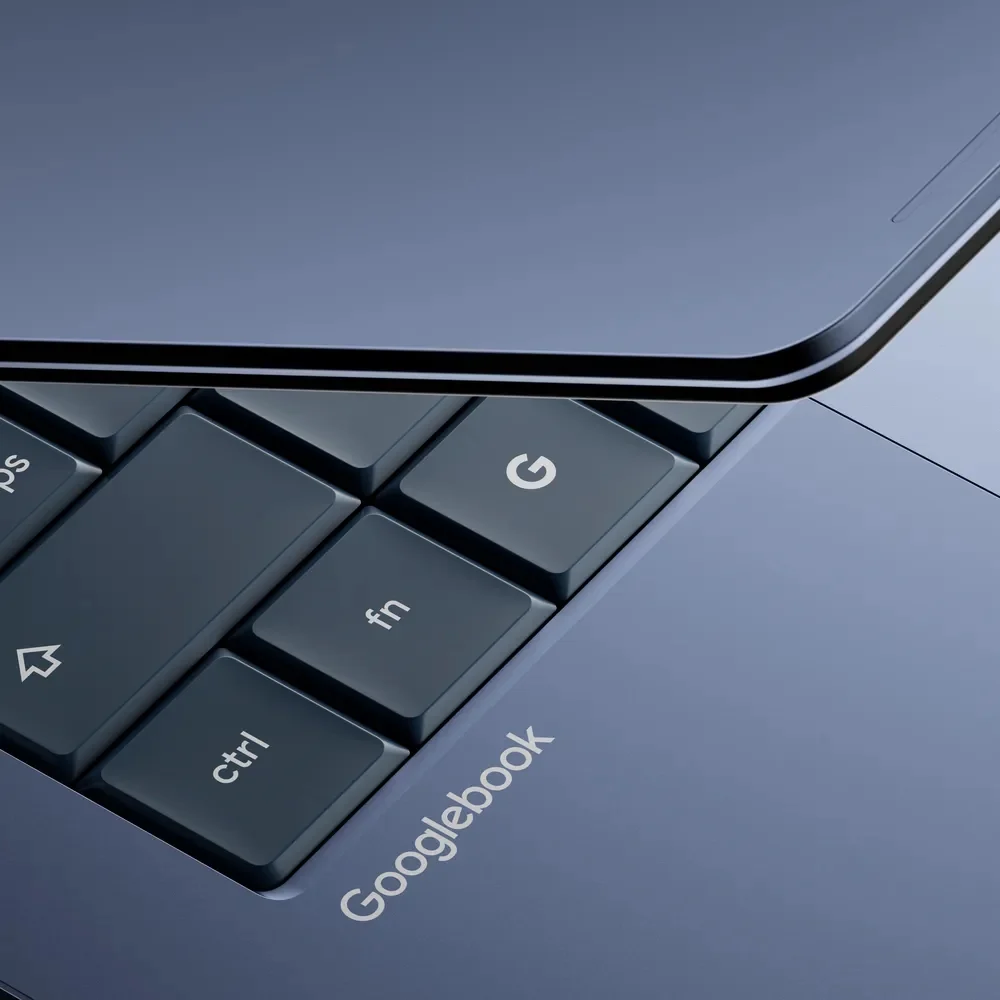
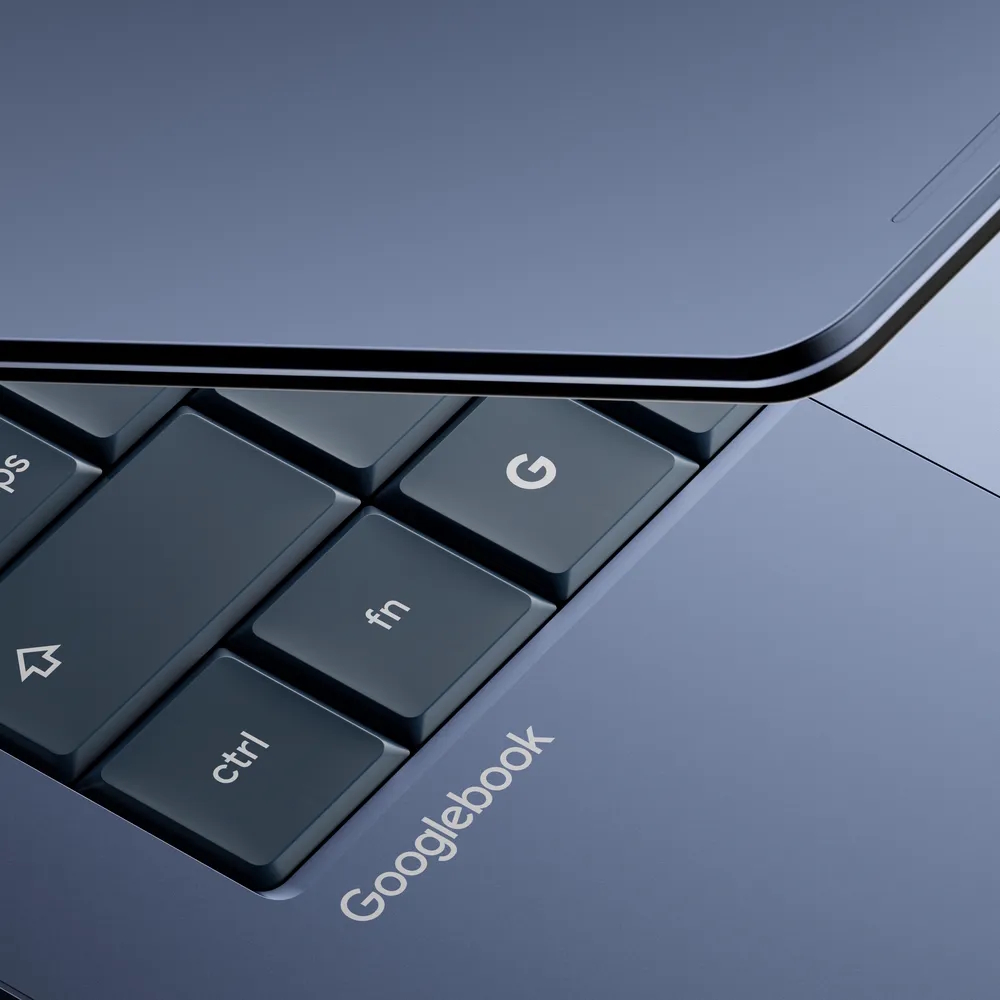
The landscape of personal computing is undergoing a tectonic shift. For over a decade, the market has been neatly segmented between the flexibility of Windows, the walled-garden polish of Apple’s macOS, and the cloud-centric efficiency of ChromeOS. However, Google is now poised to bridge these worlds with a new, high-performance hardware initiative: the Googlebook.
Intel has officially confirmed its partnership with Google to serve as a cornerstone hardware provider for this new line of premium laptops. This collaboration marks a significant pivot for Google, moving beyond the budget-friendly "Chromebook" identity into a space defined by high-performance productivity, rigorous hardware standards, and a sophisticated, unified aesthetic.
Main Facts: The Architecture of the Googlebook
The core of the Googlebook strategy relies on the upcoming Intel Core Series 300 "Wildcat Lake" processors. Manufactured on Intel’s cutting-edge 18A process node, these chips are designed to provide the computational muscle required for intensive professional tasks.
While the x86 architecture will anchor the high-end tier of the Googlebook ecosystem, Google Vice President John Maletis has confirmed that the platform will not be Intel-exclusive. To ensure versatility, Google is working closely with Arm-based silicon providers, specifically Qualcomm and MediaTek. This heterogeneous approach suggests that Google is attempting to emulate the flexibility of the smartphone market, where diverse chip architectures coexist under a single, optimized operating system umbrella.
Key hardware specifications for the initial launch include:
- Processor Architecture: Intel "Wildcat Lake" (Hybrid configuration: 2 "Cougar Cove" P-cores and 4 "Darkmont" low-power E-cores).
- NPU Integration: Integrated NPU 5, delivering 40 platform TOPS (Trillions of Operations Per Second) for AI-driven workflows.
- Graphics: Up to two Xe3 integrated graphics cores.
- Power Envelope: A highly efficient 15-35W TDP (Thermal Design Power), balancing battery longevity with sustained performance.
- Design Language: A standardized "glowbar" hardware element on the device lid, serving as both an aesthetic identifier and a status indicator.
A Chronology of the Googlebook Initiative
The journey to the Googlebook has been a quiet, multi-year evolution within Google’s hardware division.
2023: The Strategic Pivot
Internal rumors began to circulate that Google was unhappy with the fragmented experience of the Chromebook market. OEM partners were producing devices that ranged from $200 budget machines to $1,000 premium models with inconsistent build quality, leading to a diluted brand identity.
Early 2025: Defining the "Premium Tier"
Google began formal discussions with Tier-1 OEMs—including Acer, Asus, Dell, HP, and Lenovo—to establish a new "Googlebook" standard. The goal was not to replace ChromeOS, but to elevate the hardware requirements for devices targeting the professional and creative demographics.
Q1 2026: The Intel Collaboration
Intel and Google formalized their partnership. By selecting the 18A-based Wildcat Lake architecture, Google signaled that it wanted its premium machines to match the efficiency and power-per-watt metrics currently dominating the headlines in the laptop industry.
May 2026: Official Disclosure
In an exclusive interview with Chrome Unboxed, John Maletis officially pulled back the curtain on the Googlebook project. He outlined the strict hardware guidelines that OEMs must meet, effectively ending the era of "anything goes" hardware for Google’s premium branding.
Fall 2026: The Expected Launch
The first wave of Googlebooks is scheduled to hit retail shelves in the fall of 2026, marking a major holiday season push.
Supporting Data: Why "Wildcat Lake" Matters
The choice of Intel’s "Wildcat Lake" is a calculated move to position the Googlebook against the likes of Apple’s M-series MacBooks and high-end Windows ultrabooks. The 18A process node is the jewel in the crown of Intel’s manufacturing strategy; by utilizing this node, the Googlebook will benefit from superior transistor density and improved power efficiency.
The integration of an NPU (Neural Processing Unit) capable of 40 TOPS is particularly noteworthy. As AI features—such as real-time language translation, local image generation, and advanced video conferencing enhancement—become standard, the demand for on-device processing power has skyrocketed. By mandating a high-performance NPU, Google ensures that the Googlebook will remain relevant for several years, avoiding the "AI bottleneck" that currently plagues older laptops.
Furthermore, the 15-35W TDP allows for thin-and-light chassis designs without sacrificing the thermal headroom needed for sustained workloads like video editing or heavy multitasking. This aligns with Google’s goal of creating a "premium experience" that feels snappy and responsive at all times.
Official Responses and OEM Guidelines
John Maletis has been clear: the Googlebook is not just a branding exercise. It is a strict hardware certification program. In his interview with Chrome Unboxed, Maletis emphasized that OEMs must adhere to "minimum specifications for CPUs, memory, and storage."
This is a direct response to the "cheap" perception of legacy Chromebooks. By setting a high floor for performance, Google is effectively forcing its partners to prioritize quality over volume.
- Acer, Asus, Dell, HP, and Lenovo have all signed on as launch partners.
- AMD’s absence is the most significant omission. While the list of partners is subject to change, the current lack of AMD silicon in the initial lineup suggests that Google is prioritizing the deep optimization work already underway with Intel’s software engineers.
Implications for the Tech Industry
The announcement of the Googlebook project has profound implications for the competitive landscape of personal computing.
1. The Challenge to Microsoft and Apple
Microsoft has long held the enterprise market with Windows, while Apple dominates the creative professional sector. By introducing a "premium" Googlebook, Google is explicitly challenging both. For the user who lives in the browser, the cloud, and collaborative workspace tools, a Googlebook powered by Intel’s latest architecture could offer a faster, more secure, and more "AI-ready" experience than a bloated Windows machine or a premium-priced MacBook.
2. The Arm vs. x86 Dynamic
The inclusion of Qualcomm and MediaTek suggests that Google is fully embracing the Arm architecture for its lighter, battery-focused Googlebook variants. This creates an interesting internal tension: will the Intel-powered machines be the "pro" powerhouses, while the Arm-based machines become the "travel/education" powerhouses? If Google manages to unify the user experience across these two disparate architectures, they will have achieved something that even Microsoft has struggled with for years.
3. The "Glowbar" as a Status Symbol
The introduction of the "glowbar" is a branding masterstroke. Similar to the glowing Apple logo on previous-generation MacBooks, the glowbar serves as a visual identifier that distinguishes a premium Googlebook from a standard, budget-tier laptop. It creates an instant, recognizable product identity that will be easily identifiable in offices, coffee shops, and university libraries.
4. A Shift in Consumer Expectations
Consumers are becoming increasingly savvy about hardware specifications. By explicitly communicating the use of 18A-process Intel chips and 40 TOPS NPUs, Google is inviting customers to compare the Googlebook directly against high-end flagships. This transparency could force a industry-wide standard where "premium" is defined by specific technical metrics rather than marketing fluff.
Conclusion: The Path Ahead
As we look toward the fall launch, the Googlebook represents more than just a new line of laptops; it is a declaration of intent. Google is no longer content to let its operating system be relegated to the budget segment of the market. By partnering with Intel for its most advanced silicon and enforcing strict, high-end hardware standards, the company is aiming for the center of the professional computing market.
Whether Intel’s "Wildcat Lake" can deliver on its promise of performance, and whether the Arm-based alternatives from Qualcomm and MediaTek can match that experience, remains to be seen. However, one thing is certain: the introduction of the Googlebook has raised the bar for what users should expect from a high-performance laptop. The coming months will be critical as we wait to see how these devices perform in real-world scenarios and whether the "glowbar" becomes the next great icon of mobile computing.

 Suro Senen