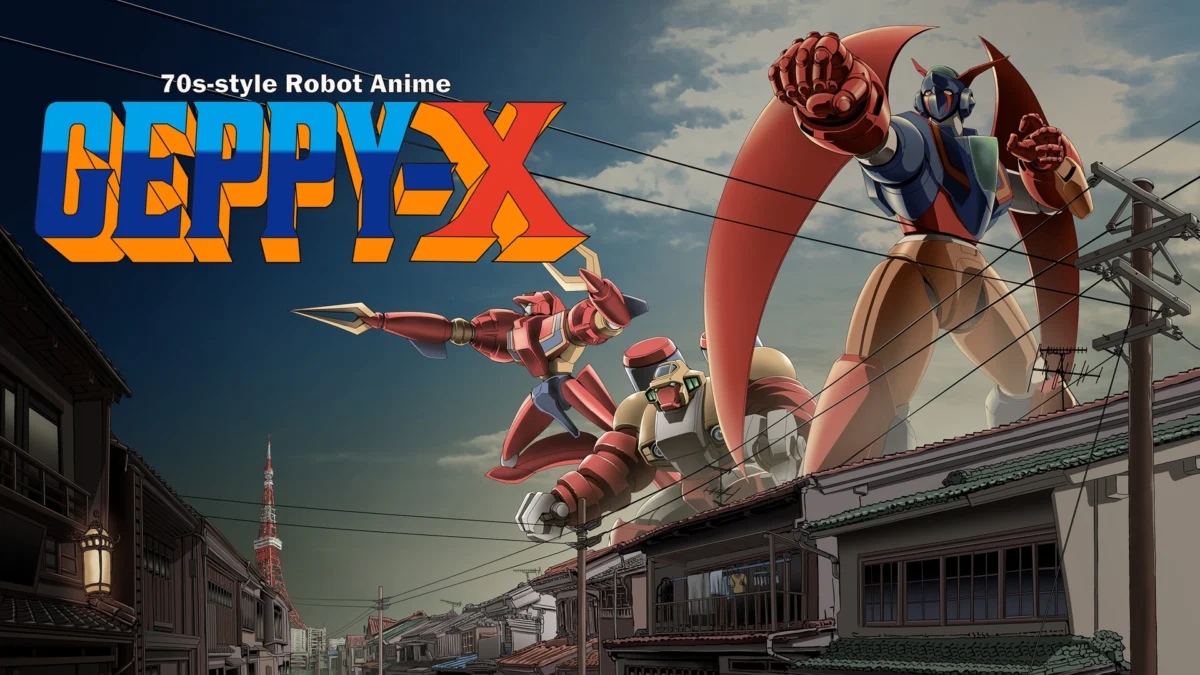
In the vast, sprawling ecosystem of the Steam Next Fest, where thousands of titles vie for fleeting attention, it is rare to find a game that feels like a genuine archaeological discovery. Yet, tucked away among the modern roguelites and high-fidelity platformers, lies 70s-style Robot Anime Geppy-X. It is not merely a game; it is a meticulously preserved time capsule, a surreal, neon-drenched love letter to the golden age of Japanese "Super Robot" animation. Originally relegated to the obscurity of the Japanese PlayStation library in 1999, this cult classic is finally receiving a global second life, proving that some gems are simply too vibrant to stay buried.
The Essence of the Project: Bringing the 1999 Classic to Modern Hardware
At its core, 70s-style Robot Anime Geppy-X is a 2D horizontal shoot ’em up that defies the typical expectations of the genre. While its mechanics are grounded in the tight, responsive gameplay loops of late-90s arcade shooters, its soul is entirely dedicated to the aesthetic and narrative tropes of 1970s mecha anime—think Mazinger Z or Getter Robo.
The premise is as straightforward as it is charming: three young pilots are tasked with defending Earth from an invading space demon empire. However, the game’s brilliance lies in its commitment to the "broadcast" format. Each stage is presented as a distinct episode of an anime series. Players are treated to iconic opening theme sequences, mandatory commercial breaks, stylized eyecatch transitions, dramatic ending credits, and even previews for the "next episode." This structural dedication transforms what could have been a standard shooter into an immersive, episodic television experience.

A Chronology of a Cult Classic: From PlayStation to Global Remaster
To understand the significance of this release, one must look at the game’s peculiar history. Released in 1999 during the twilight of the original PlayStation’s dominance, Geppy-X was a curiosity even for its time. It arrived during a period when Japanese developers were experimenting heavily with FMV (Full Motion Video) and cinematic integration, but few went as far as Geppy-X in simulating a complete broadcast aesthetic.
The Original Vision
In the late 90s, the hardware limitations of the PlayStation meant that the game’s ambitious anime sequences were heavily compressed. Spread across four discs, the visual fidelity was significantly hampered by the technical constraints of the era, resulting in low-resolution cutscenes and frame rates that left much to be desired. Despite this, the game earned a devoted following for its sheer audacity and its ability to capture the "feel" of 70s robot anime—a genre known for its exaggerated melodrama, high-stakes heroics, and distinct artistic flair.
The Restoration Process
Fast-forward to 2026, and the industry has seen a renewed interest in preserving "lost" gaming history. Developers Bliss Brain and Implicit Conversions have taken on the monumental task of restoring Geppy-X. The team did not simply upscale the existing footage; they returned to the original Betacam master tapes. By digitizing over 8,000 hand-drawn animation frames, they have brought the game to modern screens at its intended 24 frames per second. The result is a crisp, vibrant visual experience that feels both authentic to its 1999 roots and perfectly readable on a 4K display.

Supporting Data: Modernizing the Experience
A remaster is often judged by the balance between nostalgia and accessibility. The team behind the Geppy-X remaster has avoided the pitfall of "over-modernizing," opting instead for high-quality, unobtrusive quality-of-life improvements.
Key Technical Features:
- Restored Visuals: Every frame of animation has been re-digitized, providing a level of clarity that was physically impossible on the original PlayStation hardware.
- Rewind and Save States: Catering to both purists and newcomers, the game now includes modern features like save states and a rewind function, ensuring that the occasionally punishing difficulty of 90s shooters doesn’t alienate modern players.
- CRT Filters: For those seeking the authentic experience of playing on a 1990s television, the developers have included various CRT display filters to emulate the warm glow and scanlines of a cathode-ray tube monitor.
- Rapid-Fire Controls: By eliminating the need for relentless, wrist-straining button mashing, the game is now far more accessible to a wider audience without compromising the mechanical integrity of the shooter gameplay.
- Multilingual Localization: Perhaps the most significant change for the international market is the inclusion of localized subtitles, allowing non-Japanese speakers to finally understand the unhinged, melodramatic dialogue that makes the story so memorable.
The Gameplay Mechanics: A Symphony of Transformation
While the presentation is the primary hook, the gameplay remains the backbone of the experience. Geppy-X distinguishes itself from the "bullet hell" crowd through its unique transformation system. Players pilot the Geppy-X robot, which can switch between three distinct forms on the fly:
- The Agile Form: Best suited for dodging dense patterns of enemy fire, this mode emphasizes speed and multi-directional projectile attacks.
- The Balanced Form: Equipped with a powerful, concentrated laser, this is the "all-rounder" mode that most players will find themselves relying on during chaotic encounters.
- The Heavy Form: Trading speed for raw destructive capability, this form is designed for close-range combat, perfect for shredding boss health bars.
The addition of a charge-based "Ultimate Ability" adds a layer of tactical depth. Deciding when to save this super-move for a boss and when to use it to clear a screen of standard enemies is the core of the game’s difficulty curve. It is a system that is easy to pick up but rewards experimentation.

Implications for the Gaming Industry
The release of 70s-style Robot Anime Geppy-X serves as a case study for the value of niche preservation. In an industry increasingly dominated by "Games as a Service" models and live-service titles that vanish when servers are shut down, this project stands as a testament to the importance of physical and digital preservation.
By successfully reviving a title that was previously inaccessible to most of the world, Bliss Brain and Implicit Conversions have proven that there is a viable, hungry market for these kinds of "lost" classics. It signals to other publishers that investing in the restoration of smaller, cult-classic titles can yield high returns, both in terms of consumer goodwill and historical value.
Furthermore, it highlights the changing demographic of the gaming audience. As players who grew up with the PlayStation and retro anime culture move into the demographic that drives market trends, the demand for high-quality, lovingly crafted remasters of "obscure" titles is only going to grow.

Conclusion: A Must-Play for the Discerning Gamer
70s-style Robot Anime Geppy-X is not a game for everyone. It does not aim to compete with the complex, open-world RPGs or the hyper-realistic shooters of today. Instead, it offers something arguably more valuable: a perfectly distilled experience of a bygone era. It is a charming, frequently hilarious, and technically sound tribute to the medium of anime and the history of video games.
Whether you are a seasoned veteran of the shoot ’em up genre looking for a new challenge, or a fan of 70s animation looking for a unique way to engage with the aesthetic, Geppy-X is a triumph. It feels like stepping into a broadcast from a timeline where the "Super Robot" genre never went out of style.
The remaster is slated to launch on July 16th across Windows PC, Xbox Series X|S, Nintendo Switch, PlayStation 4, and PlayStation 5. For those who value the preservation of history and the joy of a well-made, unapologetically fun game, it is an essential addition to your library. As the credits roll on the final episode, you won’t just feel like you’ve finished a game—you’ll feel like you’ve completed a series.