Ammar Sabilarrohman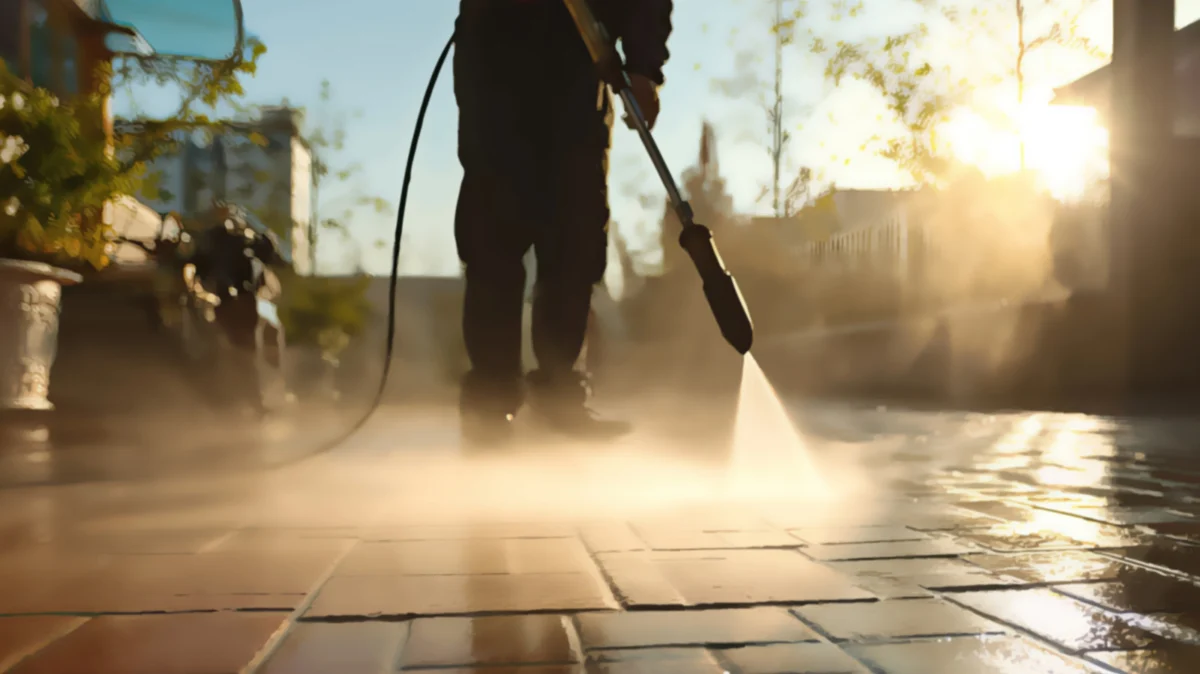
Maintaining a home is a multi-faceted endeavor, and perhaps no single exterior element dictates the "curb appeal" of a residence as much as the driveway. Beyond mere aesthetics, the condition of your concrete serves as a primary indicator of overall property maintenance. While the industry standard for deep cleaning has long been the high-powered pressure washer, many homeowners are seeking alternatives that are more cost-effective, space-efficient, and less physically demanding.
Cleaning your driveway is not merely a vanity project; it is a critical maintenance task. Left unaddressed, concrete surfaces become porous traps for organic matter, chemical spills, and debris, each of which contributes to the gradual degradation of the material. By mastering the art of manual and chemical cleaning, homeowners can preserve the structural integrity of their pavement while saving money on expensive equipment rentals or professional services.
The Core Necessity: Why Driveway Maintenance Matters
To understand why one should invest time in cleaning a driveway, it is essential to recognize the threats posed by neglect. Concrete, contrary to its appearance of solid invulnerability, is a porous material.
The Biological Threat
Organic invaders—mold, algae, and moss—thrive in the damp, shaded crevices of unkempt concrete. These organisms are more than just an eyesore; they create a slick, biofilm-covered surface that presents a genuine slip-and-fall hazard. Furthermore, these biological colonies trap moisture, which, through the cycle of freezing and thawing in colder climates, can cause micro-cracks to expand into major structural fissures.
The Chemical and Structural Threat
Automotive fluids, particularly motor oil and transmission fluid, are highly acidic and solvent-rich. When leaked onto a driveway, these substances penetrate the pores of the concrete, breaking down the chemical binders that hold the aggregate together. Over time, this leads to spalling, where the surface layer of the concrete flakes off, leaving behind a pitted, crumbling aesthetic. Even basic dirt accumulation provides a fertile substrate for weed growth. When seeds germinate in the cracks of your driveway, their taproots act as wedges, widening existing damage and necessitating costly repairs or complete repaving.
Mechanical vs. Chemical Cleaning: A Comparative Analysis
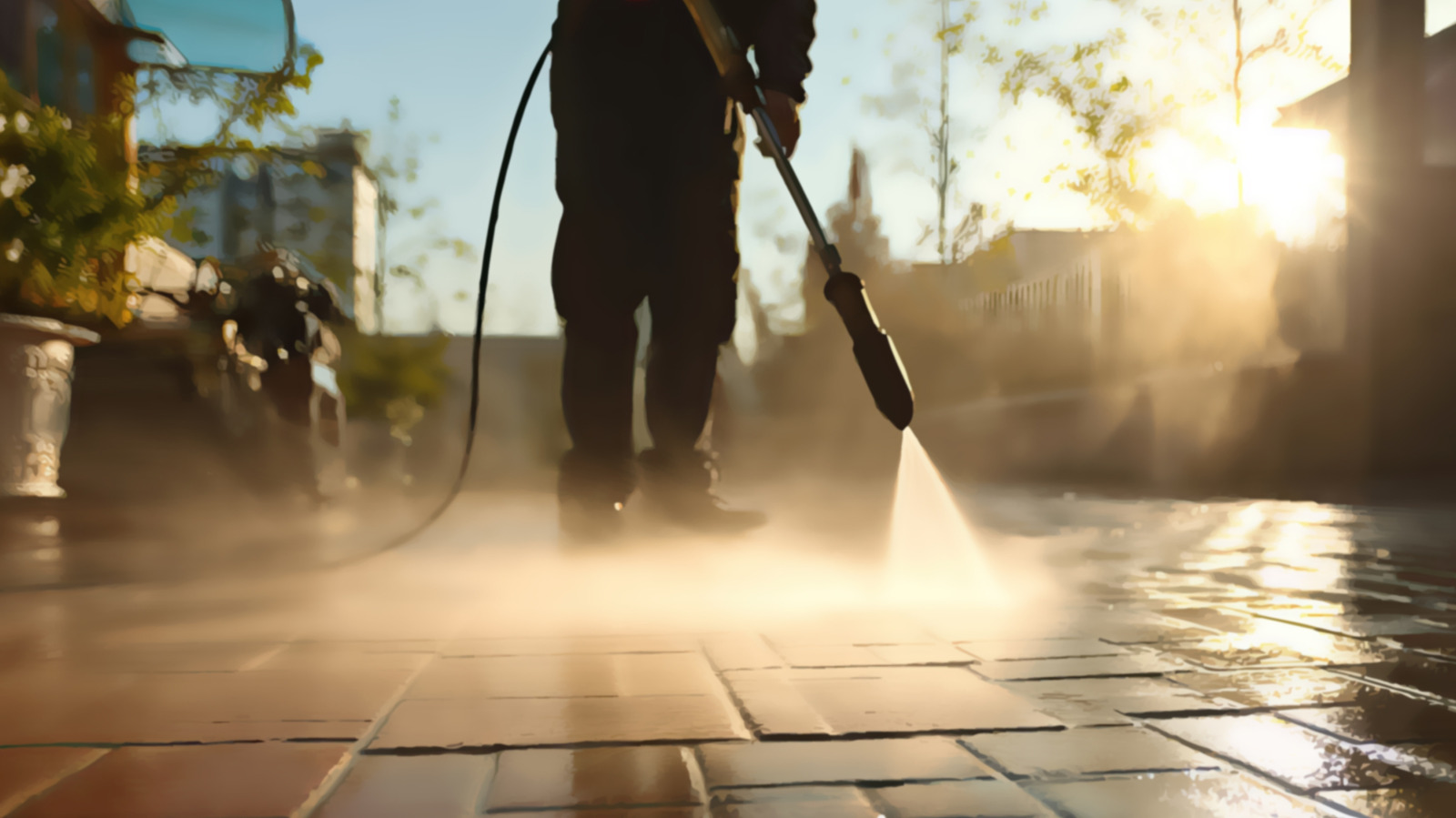
Cleaning a driveway effectively involves two primary methodologies: mechanical and chemical. Traditionally, the pressure washer has been the gold standard of mechanical cleaning, utilizing high-velocity water to strip debris from the surface. While effective, this approach is not the only path to a clean surface.
The Mechanical Approach
Mechanical cleaning relies on the physical displacement of debris. Whether you use a heavy-duty motorized pressure washer or a manual scrub brush, the goal is the same: to break the bond between the grime and the substrate. The pressure washer is popular because it provides an efficient, low-labor method of agitation. However, it carries risks; excessive pressure can etch the surface of the concrete, leaving permanent "wand marks" or gouges if the operator is inexperienced.
The Chemical Approach
Chemical cleaning involves using surfactants and cleaning agents to emulsify oil, lift stains, and kill organic matter. This method requires more "elbow grease" in the form of manual scrubbing, but it is often safer for the concrete itself. By choosing the right chemical agent, a homeowner can target specific stains—such as oil or tannins from fallen leaves—without the risk of damaging the pavement’s finish.
Driveway Cleaning Compounds: Selecting the Right Agent
For those eschewing heavy machinery, the market offers a variety of specialized compounds designed to lift grime with minimal physical effort.
Professional-Grade Solutions
Leading products such as Simple Green Concrete and Driveway Cleaner with Oxy Solve have become staples in the DIY maintenance market. These cleaners typically utilize oxygen-based bleaching agents that are safer for surrounding vegetation than chlorine-based alternatives. A typical application involves mixing the concentrate with water, applying it to the surface, and allowing the chemical to dwell for five to seven minutes. This "dwell time" is crucial, as it allows the surfactant to break down molecular bonds in the stains.
For localized, heavy-duty oil stains, products like Zep Driveway and Concrete Cleaner are highly effective. These are formulated as degreasers, specifically designed to break down long-chain hydrocarbons found in motor oil. Meanwhile, Wet and Forget Outdoor Cleaner offers a "no-scrub" alternative for biological issues. Its formulation targets the root systems of mold and moss, preventing regrowth for extended periods.
The Household Alternative: Baking Soda
If you prefer a natural, cost-effective solution, baking soda remains an unparalleled home remedy. Its alkalinity makes it an effective cleaner for acidic stains, and its slightly abrasive texture provides the mechanical grit needed to lift surface grime.
The Baking Soda Protocol:
- Preparation: Clear the driveway of all loose gravel, leaves, and debris.
- The Mixture: Combine one cup of baking soda with one-quarter cup of dish soap (which acts as a degreasing surfactant) per gallon of water.
- Application: Pour the solution generously over the stained area.
- Dwell Time: Allow the mixture to sit for 15 to 30 minutes. Critical Warning: Never let the solution dry on the concrete, as this can leave a film that is difficult to remove.
- Agitation: Scrub the surface vigorously with a stiff-bristle nylon brush.
- Rinsing: Use a garden hose to thoroughly flush the area, ensuring all soap residue is washed away.
Enhancing Your Garden Hose: Modern Alternatives to Pressure Washers
The limitation of a standard garden hose is, inevitably, the pressure output. However, technological advancements in nozzle design have bridged the gap between a standard flow and a high-velocity stream.
Multi-Setting Nozzles
Multi-setting nozzles, such as those produced by Automan, allow users to switch between a soft "shower" setting for rinsing and a concentrated "jet" setting for blasting debris. While they do not generate pressure, they focus the existing water flow from your spigot into a tighter, more forceful stream.
High-Pressure Wands
A more sophisticated alternative is the dedicated high-pressure wand. Products like the Carfka Jet Nozzle High Pressure Wand utilize a narrow, physics-based design that mimics the tip of a professional pressure washer. Because these wands use a very small aperture, they increase the velocity of the water, providing a "jet" that is significantly more effective than a standard nozzle for clearing stubborn debris from cracks and crevices.
Pistol-Grip Enhancers
For those seeking ergonomics, devices like the Pocket Hose Arrow offer a pistol-grip design. These tools allow for precise control of the water stream, enabling the user to focus on specific stains without wasting water or soaking the surrounding landscape. While these tools generally retail at a higher price point—often around $50—the ease of use and the reduction in manual scrubbing required make them a worthy investment for regular driveway maintenance.
Implementation: A Step-by-Step Cleaning Schedule
To maintain a driveway effectively, consistency is key. Rather than performing a massive, exhausting overhaul once every few years, adopt a seasonal maintenance schedule.
- Spring Clearing: After the winter thaw, perform a deep clean using a chemical cleaner to remove road salts and grime that may have accumulated.
- Mid-Summer Check: Monitor for organic growth. If mold or algae begin to appear, apply an outdoor cleaner early to prevent the colonies from spreading.
- Autumn Prep: Remove fallen leaves and debris promptly. Decaying organic matter creates tannins that can permanently stain concrete if left to sit during the rainy season.
Implications for Long-Term Home Value
Neglected driveways are a major detractor from home appraisal values. The curb appeal of a house is often the first thing prospective buyers see, and a stained, weed-infested, or crumbling driveway creates an immediate subconscious impression of a neglected home. By employing these mechanical and chemical cleaning methods, homeowners not only protect their investment but also ensure their home remains a welcoming, safe, and aesthetically pleasing environment for their family and guests.
Ultimately, the choice to skip the pressure washer does not mean you must sacrifice cleanliness. Through a combination of the right chemical cleaners, a bit of manual labor, and the use of modern, high-velocity nozzle attachments, you can achieve professional-grade results that preserve your concrete for years to come.


 Ali Ikhwan
 Lina Hope