Layla Zulfa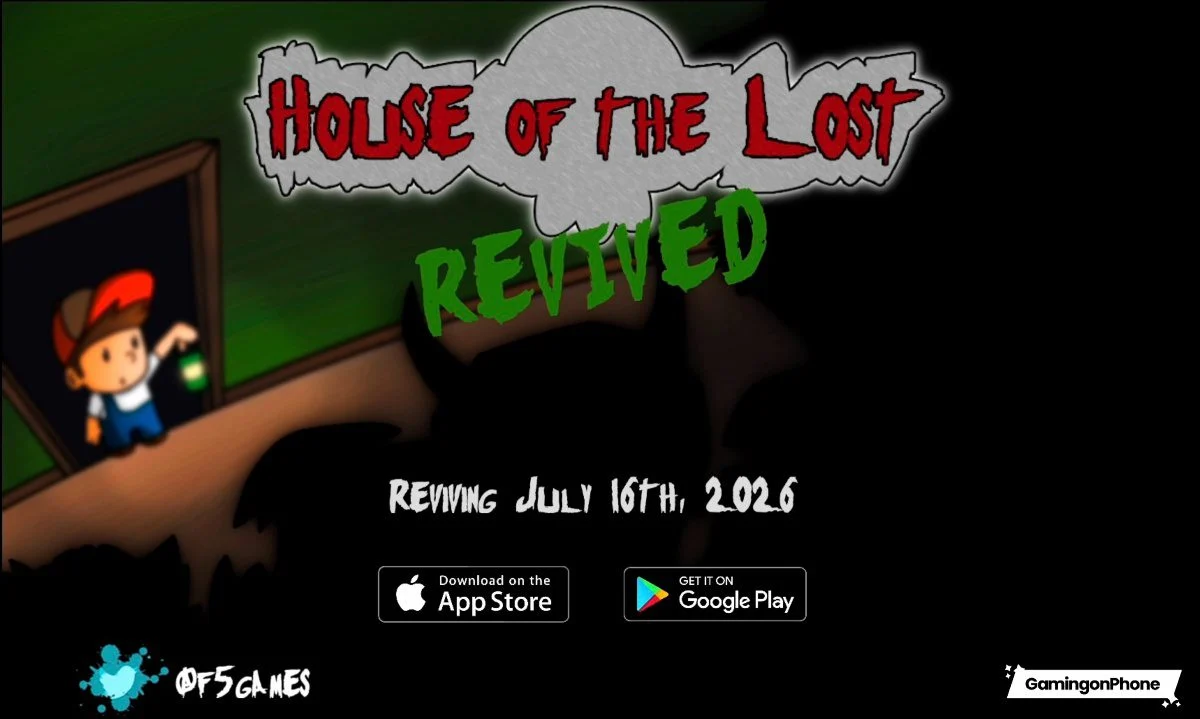
In a landscape dominated by hyper-casual titles and aggressive monetization strategies, the return of a genuine, premium-focused roguelike is a rare event. F5 Games has officially announced that House of the Lost: Revived will make its triumphant return to the digital stage, launching on both Android and iOS on July 16, 2026. This relaunch marks a significant milestone for mobile gaming, resurrecting a title that once defined the early era of handheld dungeon crawling before it vanished into the digital ether seven years ago.
The Main Facts: A Modern Comeback for a Cult Classic
House of the Lost: Revived is a top-down action roguelike that pays homage to the golden age of dungeon crawlers. Players assume the role of an intrepid explorer venturing into a malevolent, ever-shifting manor to rescue their missing sister. Armed initially with only a slingshot, players must navigate procedurally generated rooms, outmaneuver traps, and engage in high-stakes combat against an array of supernatural entities.
The game is set to launch on July 16, 2026, as a "freemium-to-premium" hybrid. Users will be able to download the application and experience the first two floors of the mansion and the initial boss encounter free of charge. To access the full experience, players will have the option to unlock the complete game through a single, one-time purchase. Crucially, F5 Games has confirmed that the title will remain entirely free of modern mobile pitfalls, including intrusive advertisements, predatory gacha mechanics, and energy-gating systems.
Chronology: From 2013 Success to 2026 Resurrection
To understand the weight of this release, one must look at the historical context of the title.
2013: The Golden Age of Indie Mobile
House of the Lost first hit the App Store in 2013. At the time, the mobile gaming market was in a state of flux, transitioning from simple puzzle games to more complex, console-inspired experiences. The title was widely lauded for its tight controls, challenging difficulty curve, and its ability to condense the "roguelike" loop—procedural generation, permadeath, and resource management—into a bite-sized format suitable for mobile devices.
2019: The Silent Departure
By 2019, however, the game had disappeared from all major storefronts. The culprit was a common issue in the mobile ecosystem: technical obsolescence. As Apple and Google updated their operating systems and mandated new hardware requirements (such as 64-bit support and updated screen aspect ratios), many smaller indie developers found it financially or technically unfeasible to patch older titles to meet these new standards. House of the Lost fell victim to these shifting sands, effectively becoming "abandonware" for mobile users.
2023–2026: The Path to Revived
For years, the community clamored for a port or a remaster. Recognizing the sustained interest, F5 Games spent the last several years re-engineering the game from the ground up. This was not a simple port; it involved rebuilding the game engine to ensure compatibility with modern high-refresh-rate displays and diverse mobile hardware, while preserving the "feel" of the original 2013 release.
Supporting Data: Why This Game Matters to the Genre
The resurgence of House of the Lost: Revived is not merely an act of nostalgia; it is a case study in effective game design. The title relies on several pillars that have kept the roguelike genre at the forefront of gaming for over a decade:
- Procedural Generation: The core of the game is its ability to ensure that no two runs are identical. Each time a player enters the mansion, the floor layout, enemy distribution, and loot drops are recalculated. This provides near-infinite replayability, a staple of the genre seen in titles like The Binding of Isaac and Enter the Gungeon.
- Weapon Crafting and Synergy: The game rewards experimentation. By gathering resources during runs, players can craft specific gear. The complexity arises when players discover how different items interact, allowing for "broken" or highly powerful character builds that can turn the tide of a difficult boss fight.
- Four Unique Environments: The game is structured across four distinct biomes, each featuring unique artistic direction, enemy types, and mechanical hazards. This variety ensures that the game does not feel stale even after dozens of hours of play.
- Offline Capability: In an era where "always-online" requirements are the norm, House of the Lost: Revived remains a truly offline experience. This makes it an ideal companion for travel or environments with unstable connectivity, catering to a demographic of gamers that prefers ownership and privacy.
Official Responses and Developer Philosophy
In a statement released via social media on July 13, 2026, the team at F5 Games emphasized their commitment to the "pure" gaming experience.
"House of the Lost: Revived is built for players who grew up crawling dungeons, dodging traps, and learning from every death," the studio stated. By choosing a single-purchase model, F5 Games is directly challenging the industry-standard "service game" model.
Industry analysts have noted that this move is a calculated risk. By moving away from the recurring revenue generated by ads and in-app purchases (IAPs), the developer is betting on the quality of the game to drive sales. "It is a return to the classic model of the early 2010s," says one industry observer. "F5 Games is betting that there is a massive, underserved segment of the mobile market that is tired of being treated as a product to be harvested for ad-viewing time."
Implications for the Mobile Gaming Industry
The launch of House of the Lost: Revived carries significant implications for the future of mobile gaming development.
1. The Preservation Movement
The game serves as a beacon for digital preservation. If a relatively small studio can successfully revive a lost title, it puts pressure on larger publishers to rethink how they handle their back catalogs. The mobile space has been notoriously bad at maintaining historical titles; F5 Games proves that with enough dedication, legacy content can be saved from the digital scrapheap.
2. The Premium Renaissance
The success of this launch could potentially influence the design philosophy of other independent developers. If House of the Lost: Revived performs well commercially, it may encourage other studios to release premium titles without the "gacha" overhead that currently plagues the market. This could lead to a more diverse ecosystem where quality and depth are prioritized over engagement metrics and daily active user (DAU) retention.
3. Community-Driven Development
The fact that this project exists solely because of sustained community interest highlights the power of fan feedback. The game’s return was not prompted by a corporate strategy meeting but by years of requests from a dedicated player base. This creates a feedback loop where the developer is accountable to the fans, fostering a healthier relationship between the creator and the consumer.
Looking Ahead: What to Expect on July 16th
As the launch date approaches, anticipation is high. Players can expect a title that feels familiar to veterans of the original but possesses the polish required for modern hardware. The integration of leaderboards and achievements will add a layer of competitive incentive, encouraging players to master the mechanics and compare their best runs with others globally.
For those who have never experienced the original, the game serves as an accessible entry point into the roguelike genre. The "first two floors free" model is a low-barrier-to-entry strategy that allows players to gauge the game’s difficulty and tone before committing their resources.
In conclusion, the return of House of the Lost: Revived is a win for the mobile gaming community. It is a reminder that the best games are those that respect the player’s time and intellect, prioritizing the joy of discovery over the manipulation of human psychology. Whether you are a veteran of the 2013 version or a newcomer looking for a deep, challenging dungeon crawler, July 16th promises to be a date to mark on your calendar. As we await the official launch, the message from F5 Games is clear: some houses are better left lost, but others are worth fighting to get back into.


 Asep Darmawan
 Iffa Jayyana