

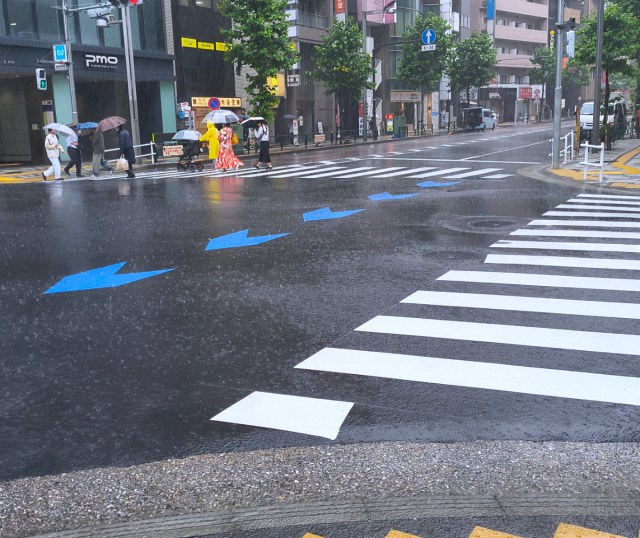
When the skies over Tokyo opened up on June 3, 2026, as Typhoon Jangmi barreled toward the Kanto region, thousands of commuters found themselves caught in a torrential downpour. Among them was our reporter, Mr. Sato, who discovered that the distance between a miserable, waterlogged morning and a dry, comfortable workday was merely the length of a trip to the nearest konbini (convenience store).
For years, the racks of T-shirts, underwear, and socks tucked away in the corners of Japanese convenience stores were viewed by many as emergency-only items—poor-quality stopgaps for the truly desperate. However, as Mr. Sato’s experience during the height of the typhoon demonstrates, the "Convenience Wear" line at FamilyMart has evolved into something far more sophisticated: a reliable, high-quality, and surprisingly stylish solution for the modern traveler and the stranded commuter alike.
The Chronology of a Rainy Day Rescue
The morning of June 3 began with typical meteorological warnings, but the intensity of Typhoon Jangmi exceeded expectations. By mid-morning, the streets of Tokyo were transformed into riverbeds.
09:00 AM: The Miscalculation
Mr. Sato set out for the office, expecting a standard rainy day. He quickly realized he had severely underestimated the severity of the storm. Within minutes of stepping out of the train station, he was drenched to the bone. The water had penetrated his layers, soaking his undershirt, trousers, and socks.
09:45 AM: The "Convenience Wear" Intervention
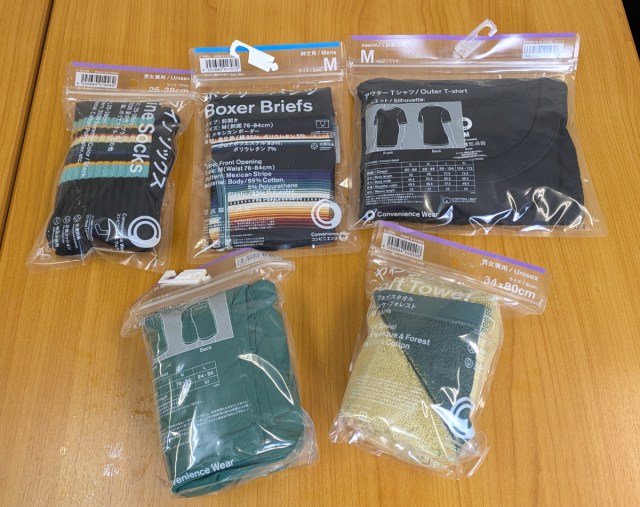
Shivering and uncomfortable, Mr. Sato ducked into a nearby FamilyMart. He wasn’t looking for a fashion statement; he was looking for salvation. He navigated to the apparel section, where the "Convenience Wear" line—a collaborative project between the convenience giant and high-end fashion designers—was prominently displayed in vacuum-sealed, space-saving packaging.
10:15 AM: The Transformation
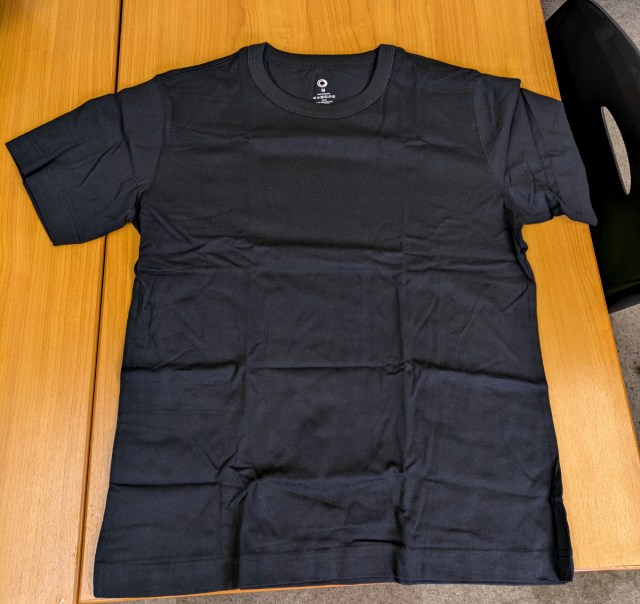
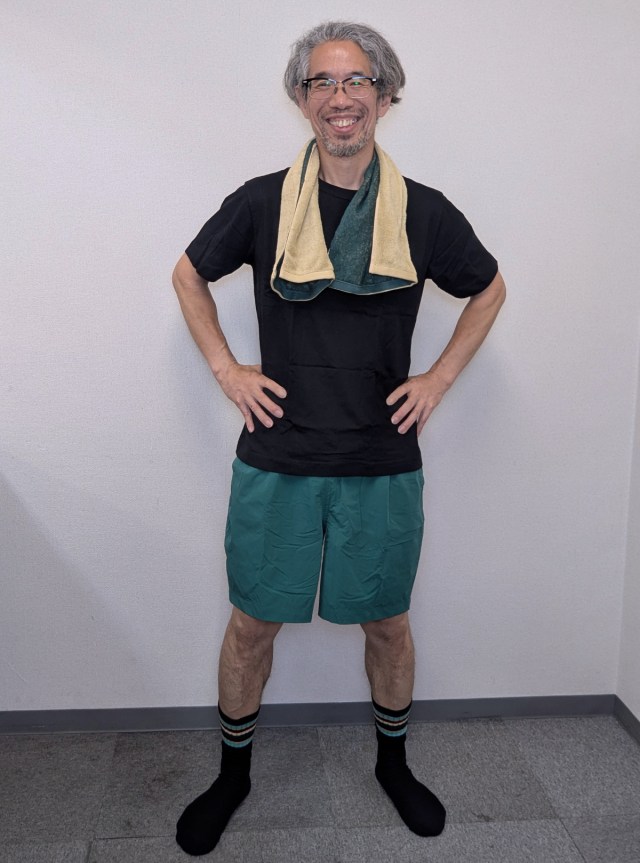
Back at the office, Mr. Sato conducted an audit of his purchase. He had selected five essential items: a soft towel, boxer shorts, knee-high socks, forest green shorts, and a black cotton T-shirt. Over the course of the next hour, he underwent a complete "emergency makeover."
The result was unexpected. Far from the thin, scratchy fabrics of yesteryear’s convenience store apparel, these items offered a professional fit, breathable materials, and a contemporary aesthetic that wouldn’t look out of place in a casual office setting.
A Deep Dive into the Apparel: Quality Over Convenience
The skepticism surrounding convenience store clothing is understandable, yet FamilyMart has invested heavily in changing this perception. By utilizing modern fabric technologies, they have turned what was once a "throwaway" product into a wardrobe contender.
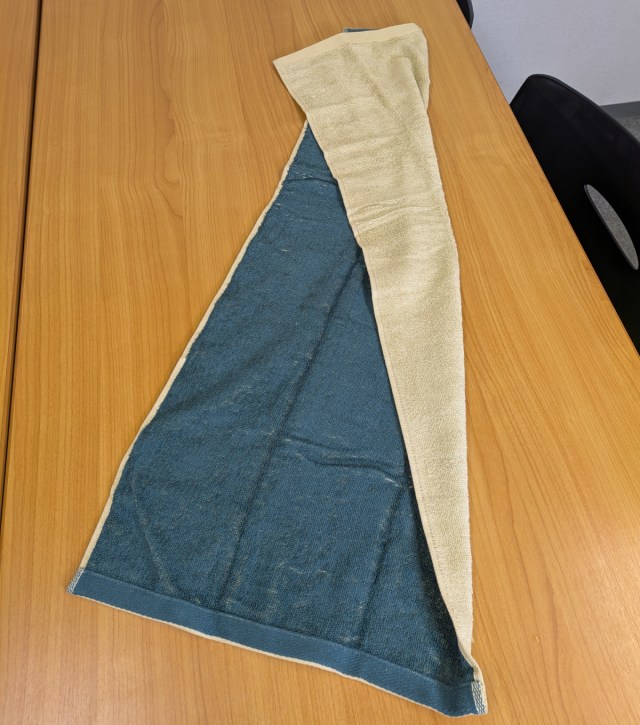
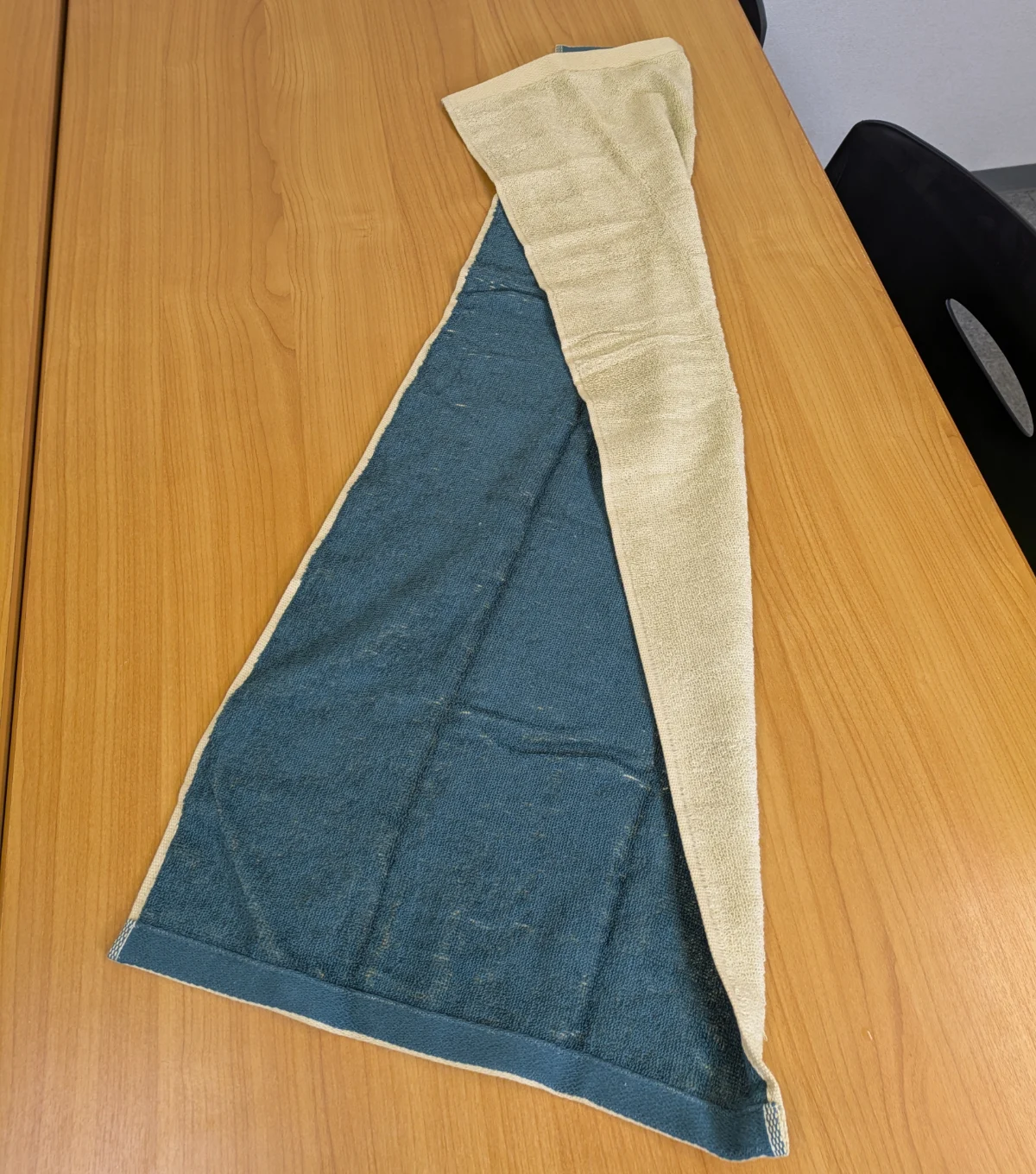
The Soft Towel (1,089 Yen)
Measuring 34 x 80 centimeters, this towel was the first point of contact. Its absorbency was immediate, and the fabric remained soft against the skin, proving that the brand prioritizes tactile quality alongside utility.
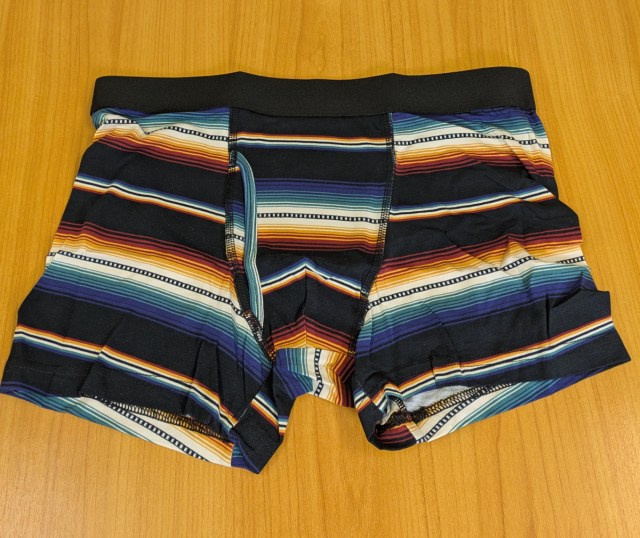
Antibacterial Undergarments (880 Yen)
The boxer shorts chosen by Mr. Sato were a standout. Beyond their vibrant, striped design—appealing to those with a penchant for bold fashion—they featured built-in antibacterial and deodorizing properties. In a humid, typhoon-stricken climate, this technology is not just a luxury; it is a necessity for hygiene and comfort.
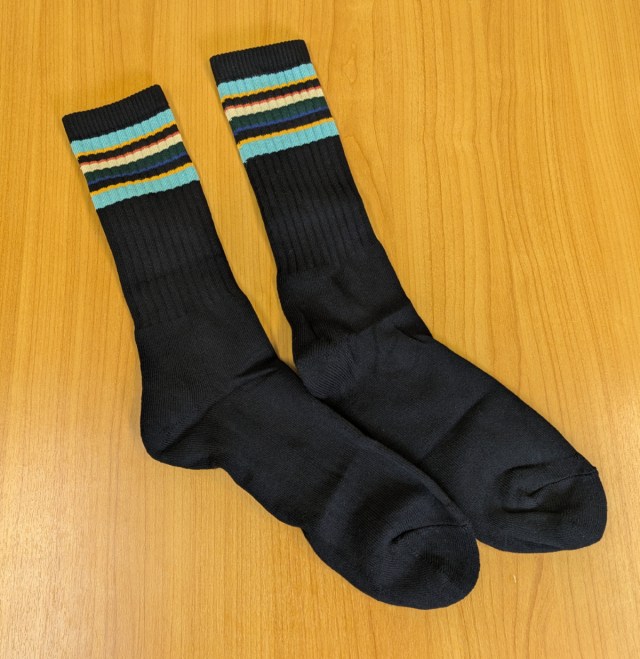
The Footwear Oversight (429 Yen)
While Mr. Sato accidentally purchased knee-high socks instead of his intended ankle-cut pair, the discovery turned into a style win. The length proved versatile, pairing perfectly with his chunky London boots, highlighting the brand’s ability to cater to various aesthetic sensibilities.
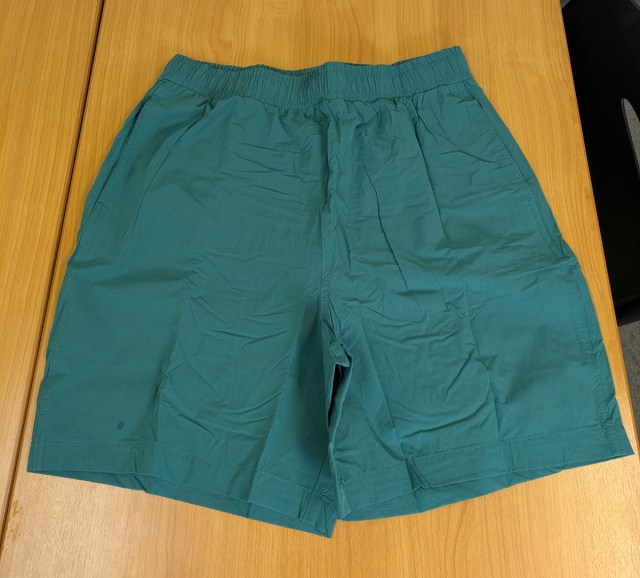
The Utility Shorts (1,998 Yen)
Perhaps the most impressive item was the forest green nylon-cotton blend shorts. While some online discourse has debated the appropriateness of shorts for middle-aged men in professional settings, the material quality and the lightweight, quick-dry nature of these shorts proved that functionality often trumps rigid social norms during a weather crisis.
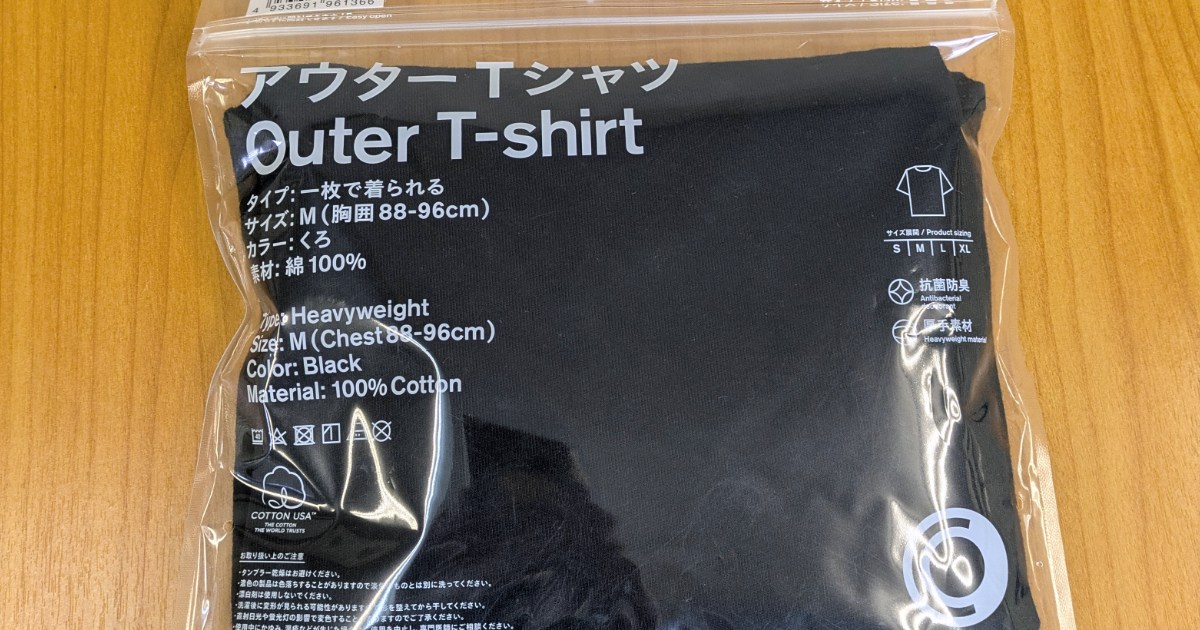
The Core Staple: The Outer T-shirt (1,493 Yen)
The 100-percent cotton T-shirt acted as the anchor for the outfit. It provided a thick, premium feel that lacked the translucency often associated with cheap cotton products. It was a testament to the brand’s commitment to durability.
The Data Behind the Brand
FamilyMart’s foray into apparel is not merely a side project; it is a calculated business move designed to capture the "on-the-go" demographic. The "Convenience Wear" line is designed with specific consumer data in mind:
- Space Efficiency: Every item is compressed. For travelers or those in emergency situations, this allows for high-quality clothing to fit into a carry-on or a small office bag.
- Price-to-Value Ratio: While the prices (ranging from 400 to 2,000 yen) are slightly higher than bottom-tier budget stores, the longevity of the garments suggests they are intended to be kept, not discarded.
- Cross-Marketing: The brand frequently collaborates with pop-culture icons (such as Pokémon) and practical household items, ensuring that the apparel section remains a destination for customers rather than an afterthought.
Official Stance and Market Implications
Industry analysts have noted that the "Convenience Wear" strategy is a direct response to the changing habits of Japanese consumers. As the lines between work and leisure wear continue to blur, the demand for "transitional clothing" has spiked.
A spokesperson for the retail sector noted that "convenience stores in Japan are shifting from being mere food distribution hubs to becoming ‘lifestyle support centers.’ When a consumer is caught in a typhoon, they don’t just want a meal; they want to return to their baseline of comfort. FamilyMart has successfully monetized this ‘rescue’ service."
The implications for the fashion industry are significant. If a consumer can buy a comfortable, stylish, and durable outfit in under five minutes at 3:00 AM or during a natural disaster, the traditional clothing retail model faces a new, highly accessible competitor.
Conclusion: A New Standard for Urban Readiness
Mr. Sato’s experience serves as a case study for the modern urbanite. The lesson here is twofold: First, never underestimate the severity of a Japanese rainy season. Second, the stigma attached to "convenience store fashion" is officially obsolete.
Whether you are a traveler whose luggage was delayed, a commuter caught in a monsoon, or simply someone who appreciates the intersection of utility and design, the "Convenience Wear" line has solidified its place in the Japanese retail landscape. As the brand continues to expand its catalog and refine its material quality, one thing is clear: the next time you find yourself drenched in the middle of Tokyo, you don’t need to head to a department store to feel like yourself again. A quick trip to the corner store will do just fine.
Ultimately, Convenience Wear is proving that "convenient" no longer means "low quality"—it means being prepared for whatever the weather, or life, throws your way.











No comments yet. Be the first to join the conversation!