Lina Hope
In a definitive pivot toward a multi-platform, multi-developer future, world football’s governing body, FIFA, has officially unveiled its new "Digital Football" strategy. This announcement marks a formal structural shift in how the organization intends to occupy the digital gaming space following the high-profile, acrimonious dissolution of its three-decade-long partnership with Electronic Arts (EA) in 2022. By decentralizing its licensing model, FIFA is aiming to capture a broader audience of 1.8 billion "football-loving gamers" through a diverse, tiered portfolio of titles.
The Chronology: From EA Monopoly to a Decentralized Ecosystem
The relationship between FIFA and Electronic Arts was once considered the most successful marriage in sports gaming history. Beginning in 1993 with FIFA International Soccer, the franchise became a cultural juggernaut, generating billions in revenue and defining the genre for generations. However, the landscape began to fracture in the early 2020s.
2022: The Great Divorce
The turning point arrived in May 2022, when FIFA and EA announced that they would terminate their partnership. The split was primarily driven by disagreements over licensing fees and the scope of rights. FIFA reportedly sought to double its annual licensing fee to over $1 billion, while simultaneously pushing for greater creative control over the use of its brand beyond the simulation genre. EA, preferring to maintain its autonomy, pivoted to its own EA Sports FC brand, leaving the "FIFA" name available for the first time in 30 years.
2023–2024: The Era of Experimentation
Following the split, FIFA spent a period in transition, testing the waters with various smaller-scale projects. This period saw the organization license its brand to titles like FIFA World Cup Qatar 2022 and several Web3-based ventures, which were met with mixed critical reception. The lack of a cohesive strategy led to questions about the brand’s long-term relevance in a market dominated by EA Sports FC and Konami’s eFootball.
2025: The Launch of ‘Digital Football’
The current announcement represents the culmination of these efforts. By establishing the "Digital Football" framework, FIFA is no longer acting as a passive licensor to a single giant; instead, it is curating a portfolio of distinct experiences, moving away from the "one-size-fits-all" approach that characterized its decades-long stint with EA.
Main Facts: The New Strategy Unpacked
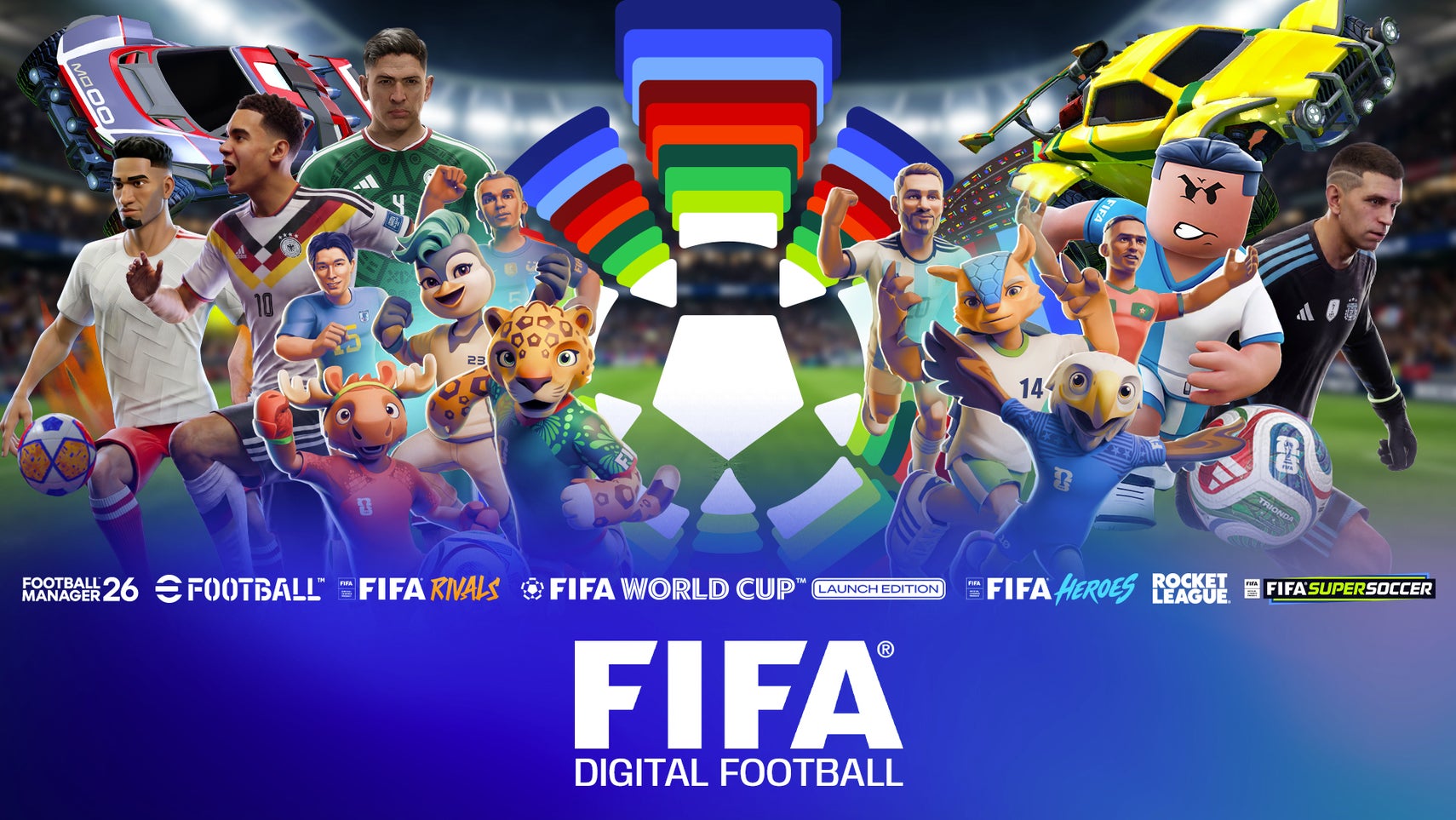
The cornerstone of this new strategy is the "Digital Football Ecosystem," a taxonomy designed to ensure that the FIFA brand covers every corner of the gaming market. FIFA has categorized its new portfolio into four distinct pillars, each targeting a different player profile:
- Football Action Simulation: Led by the newly announced FIFA World Cup Launch Edition, developed by the newcomer Delphi Interactive. This is designed to be the "hardcore" simulation experience, promising to let players "write their own World Cup story." It is slated for a summer release exclusively on the Netflix gaming platform.
- Football Action Non-Simulation: Represented by FIFA Heroes, this category focuses on arcade-style, fast-paced gameplay that prioritizes accessibility and excitement over strict tactical realism.
- Non-Action Simulation: This pillar includes titles like Football Manager, where the focus shifts from the pitch to the dugout. By capturing the management sim demographic, FIFA acknowledges that the "football experience" is just as much about transfers and tactics as it is about dribbling and shooting.
- Non-Action Non-Simulation: The FIFA Rivals category represents a foray into broader gaming experiences, likely including card-battlers, strategy games, or social simulation experiences that use the FIFA license to attract non-traditional sports gamers.
Supporting Data and Market Strategy
FIFA’s stated goal of reaching 1.8 billion gamers is an ambitious target that reflects a fundamental change in the economics of sports gaming.
- Diversification of Platforms: By partnering with Netflix for the FIFA World Cup Launch Edition, FIFA is bypassing the traditional console-first bottleneck. This allows the brand to tap into the massive, casual mobile and streaming subscriber base of Netflix, significantly lowering the barrier to entry for millions of users who do not own a PlayStation or Xbox.
- The Creator Economy: The announcement notably emphasized a commitment to working with gaming creators and influencers. FIFA recognizes that the modern gaming ecosystem is driven as much by streamers and content creators as it is by the games themselves. Integrating creators into the launch cycles of these new titles is a strategic move to ensure organic reach and community engagement.
- Pipeline Development: GamesIndustry.biz reports that the current roster of games is only the beginning. FIFA is actively in negotiations with a variety of developers—ranging from boutique indie studios to mid-tier publishers—to expand the footprint of the brand.
Official Responses and Strategic Intent
FIFA’s leadership has framed this shift as a modernization effort. In their official communications, they emphasize that "Digital Football" is not merely about replacing a licensing partner; it is about building a sustainable, long-term brand presence that can adapt to changing technology.
"Our goal is to be present wherever the fans are," a representative of the organization suggested. "By working with multiple partners, we are not limited by the creative vision of a single publisher. We can offer a simulation for the purist, a strategy game for the tactician, and a casual experience for the fan who just wants to play a few minutes on their commute."
The decision to lean into the "World Cup" branding—the most valuable asset in their portfolio—for the Delphi Interactive title signals that FIFA is not shy about leveraging its premier events to drive interest in its new software efforts.
Implications: A New Era for Sports Gaming
The implications of this strategy are significant for both the gaming industry and the future of sports media.
The Fragmentation of the "Official" Experience
For thirty years, "FIFA" meant one specific type of game. Now, the brand will represent a fragmented experience. While this allows for more variety, it also creates a branding challenge: will consumers be confused by the existence of multiple "FIFA" branded games of varying quality and genre? The success of this strategy hinges entirely on the quality control of these various partners. If the "Digital Football" portfolio suffers from inconsistent quality, the FIFA brand could lose the premium status it held for decades.
A Challenge to the Duopoly
For years, the football gaming market has been a duopoly between EA and Konami. By opening up the license to various developers, FIFA is effectively trying to dilute the market share of its former partner. If FIFA World Cup Launch Edition proves successful on Netflix, it could set a precedent for other major sports leagues (like the NBA or NFL) to abandon exclusive licensing deals in favor of a more flexible, multi-publisher model.
The Rise of Subscription-Based Sports Gaming
The partnership with Netflix is perhaps the most telling signal of where the industry is heading. As traditional retail sales of video games face competition from subscription services (Xbox Game Pass, PlayStation Plus, and now Netflix Games), FIFA is positioning itself to be a "service" rather than a "product."
Conclusion: The Long Game
FIFA’s pivot is a high-stakes gamble. By ending its relationship with EA, it sacrificed the comfort of a guaranteed, multi-billion-dollar royalty stream in exchange for the chance to build a more versatile, modern, and expansive ecosystem.
The launch of the FIFA World Cup Launch Edition this summer will be the first true test of this strategy. Whether this collection of games can capture the hearts of the 1.8 billion players FIFA is targeting remains to be seen. However, one thing is clear: the era of the monolithic, annual football simulator as the sole arbiter of the sport’s digital identity is over. In its place, a new, decentralized, and diverse ecosystem is emerging—one that reflects the global, multifaceted nature of the sport itself. As the digital pitch grows wider, FIFA is betting that by diversifying its lineup, it can own more of the game than ever before.


 Azzam Bilal Chamdy
 Nana
Nana