Siti Muinah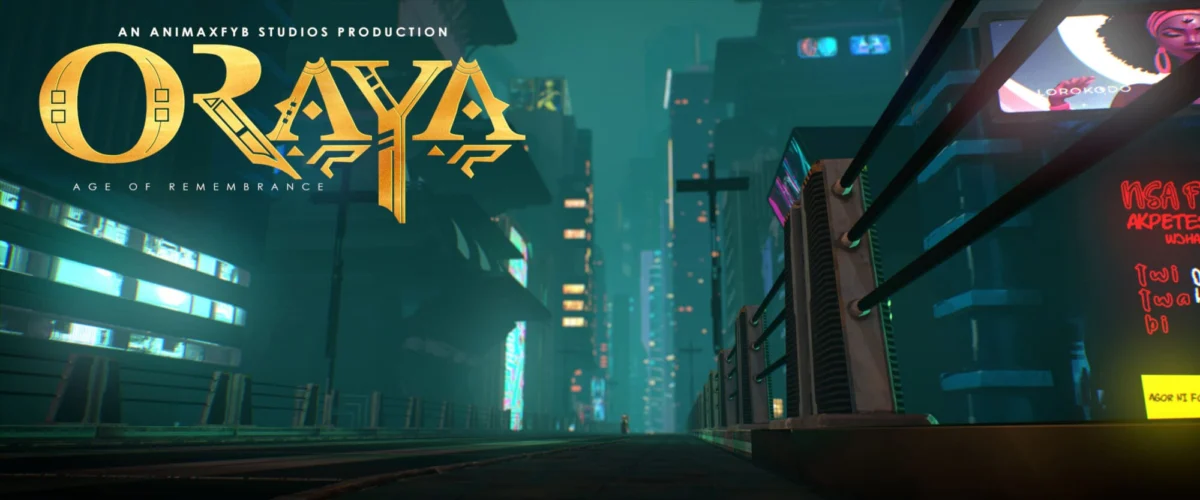
Ten years ago, the landscape of animation in West Africa was virtually barren. For aspiring artists in Ghana, the dream of a career in motion media was hampered by a lack of infrastructure, no established pipelines, and a near-total absence of an ecosystem to support professional growth. Into this void stepped Francis Y. Brown, an artist with a vision that many at the time considered quixotic. Today, as AnimaxFYB Studios marks its ten-year anniversary, it stands as a testament to what happens when creative audacity meets relentless business pragmatism.
The studio has evolved from a fledgling startup into one of West Africa’s most formidable animation outlets, bridging the gap between local cultural storytelling and international market demands. By navigating the volatility of the global entertainment industry, AnimaxFYB has not only survived but helped define an emerging regional industry from scratch.
A Chronology of Growth: From Nothing to Necessity
The history of AnimaxFYB is a masterclass in organic expansion. When Brown founded the studio, there was no roadmap. The company was forced to invent its own production methods, often convincing high-profile clients that high-end, world-class animation could be executed locally in Accra.
- The Foundational Years (2016–2018): The focus was on survival. By securing commercial and service work with global giants—including Coca-Cola, Samsung, Nike, and even work involving LeBron James—the studio established its technical bona fides. These projects were not merely "bread and butter" work; they were the proving grounds where the studio refined its pipeline.
- The Expansion Phase (2019–2022): With a stable commercial foundation, the studio began to pivot toward intellectual property (IP). This era saw the production of short films that circulated through major international festivals, raising the profile of African storytelling.
- The Institutionalization Phase (2023–Present): AnimaxFYB began exporting its model, launching training initiatives in South Africa and Nigeria. The studio solidified its role as a regional hub, not just for production, but for mentorship and education, effectively seeding the ground for other studios to emerge.
Supporting Data: By the Numbers
The studio’s success is quantifiable. Currently, AnimaxFYB maintains a core team of 20 full-time employees, but its capacity fluctuates to accommodate up to 50 people during peak production cycles. This agility is fueled by a strategic training pipeline:
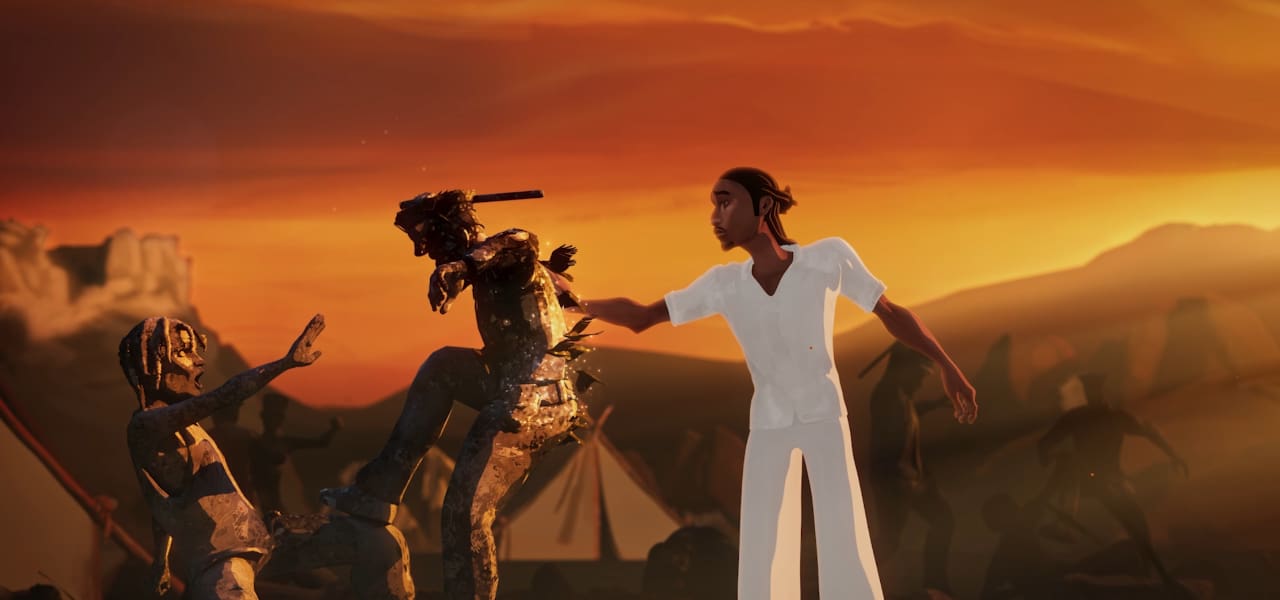
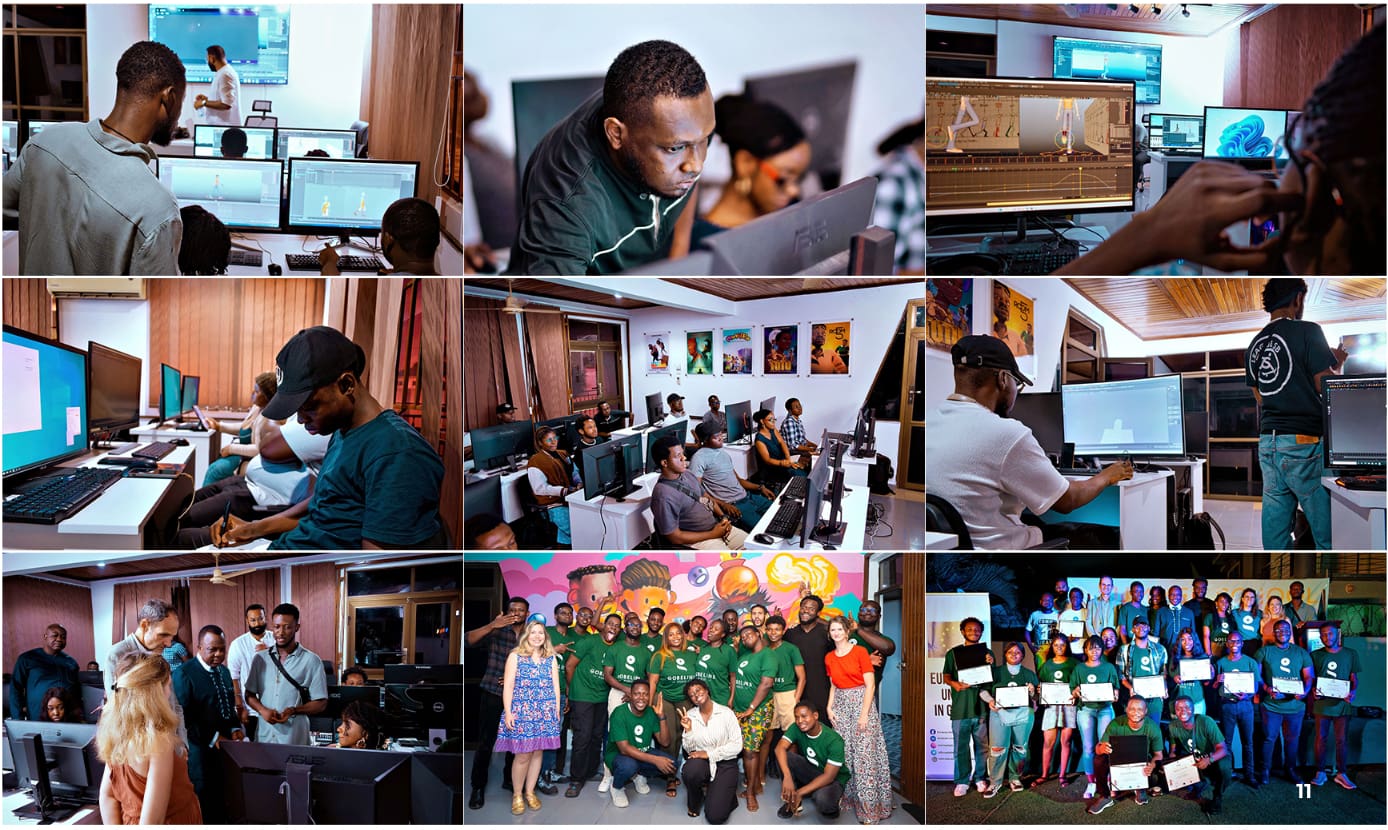
- Training Pipeline: The studio operates a 10-month intensive training program in collaboration with the prestigious French animation school, Gobelins. The structure is binary: five months of rigorous technical training followed by a five-month internship within the studio’s actual production environment.
- Production Volume: To date, the studio has developed approximately 15 original titles, ranging from folklore-infused fantasy to sci-fi.
- Festival Recognition: AnimaxFYB holds the highest number of Annecy International Animation Film Festival selections of any West African studio, alongside presence at prestigious circuits like LA Shorts, Doc Leipzig, and the Pan-African Film Festival.
The Dual-Model Philosophy: Official Responses
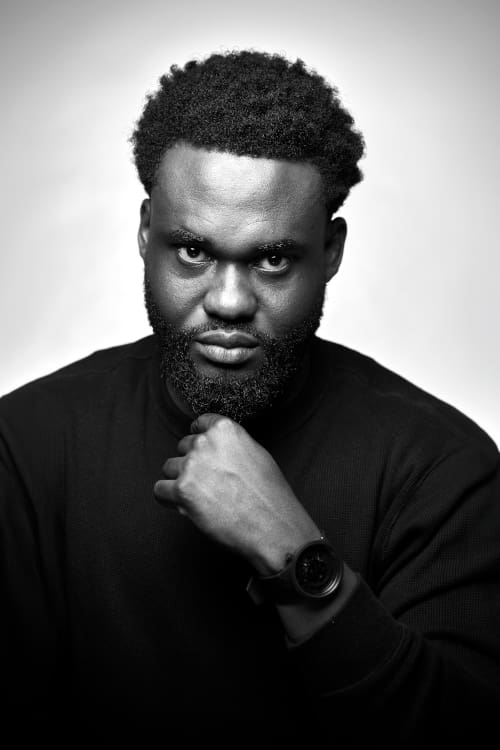
In an exclusive interview with Cartoon Brew, founder Francis Y. Brown reflects on the "all or nothing" mentality required to build a studio in a market that didn’t exist. "Ten years ago, we came in with a lot of excitement, energy to see what we could build," Brown says. "We had to invent our own production methods, create opportunities where few existed, and convince clients that high-end animation could be produced locally."
Brown explains that the studio’s survival depends on a strict two-fold business model. "Our model is two-fold. Of course, there is the commercial side… where we go to work with Coca-Cola, Samsung, and Nike. And that is what is keeping the lights on whilst on the other side, we are producing our IPs."
When asked about the recent trend of international streaming giants pulling back from their African investments, Brown remains stoic and pragmatic. "One of the things I talk about on panels is that we need to look at being self-reliant and self-sustainable. Because if they pull the rug off your feet, you’re dead. There’s no business for you."
This philosophy of independence informs his strategy for the studio’s future. "It starts with Ghana, it starts with West Africa, Africa, the diaspora, and then the world. We need to identify and build our own inroads to the market."
Implications for the Global Industry
The rise of AnimaxFYB serves as a bellwether for a broader shift in the global animation landscape. International buyers are no longer just looking to outsource cheap labor; they are increasingly recognizing the creative value of original African narratives.
The Shift Toward Feature Films
As the studio moves into its second decade, it is setting its sights on its most ambitious project to date: Oraya, Age of Remembrance. This 90-minute feature is a high-concept sci-fi story exploring the tension between technological advancement and ancestral memory.
Visually, the project aims to carve out a new niche. While drawing inspiration from the stylized, non-photorealistic 2.5D aesthetics of projects like Spider-Verse and Arcane, Brown is adamant that Oraya will possess a distinct, fresh visual identity. "It’s different," Brown asserts. "When you see it, you won’t say, ‘Oh, this is like Arcane.’"
A Sustainable Talent Ecosystem
Perhaps the most significant long-term implication of AnimaxFYB’s work is the creation of a talent pipeline. By training intermediate-level artists and then facilitating their integration into the industry, the studio has created a ripple effect. Many of their former trainees have gone on to launch their own boutique studios or freelance operations, effectively creating the "industry" that was missing ten years ago.
The Road Ahead: Overcoming Volatility
As the studio prepares for its next ten years, the challenges are clear. Independent animation is notoriously difficult to finance, and the global entertainment market is in a state of flux. However, AnimaxFYB has effectively used its short films and commercial work as a multi-year laboratory, stress-testing its production pipeline for the rigors of feature-length storytelling.
"We’ve bitten the bullet," Brown says of the Oraya production. "We’ve told ourselves that no matter what happens, we are producing this film, and we are producing it within record time for a studio like ours."
This confidence is not born of arrogance, but of a decade-long track record of weathering uncertainty. AnimaxFYB has proved that in a region long overlooked by the traditional U.S. and European pipelines, success is not just about competing with the giants; it is about building a foundation that is robust enough to endure when the global winds shift.
The studio’s trajectory confirms that the "next big thing" in animation may not be coming from a traditional hub, but from a persistent, self-reliant team in Accra that decided, a decade ago, that they would no longer wait for permission to tell their own stories. Whether through the lens of Mmofra, the spiritual depth of Jabari, or the ambitious scope of Oraya, AnimaxFYB is no longer just a participant in the global market—it is an architect of the next generation of animation.

 Asro
Asro
 Sagoh
Sagoh