

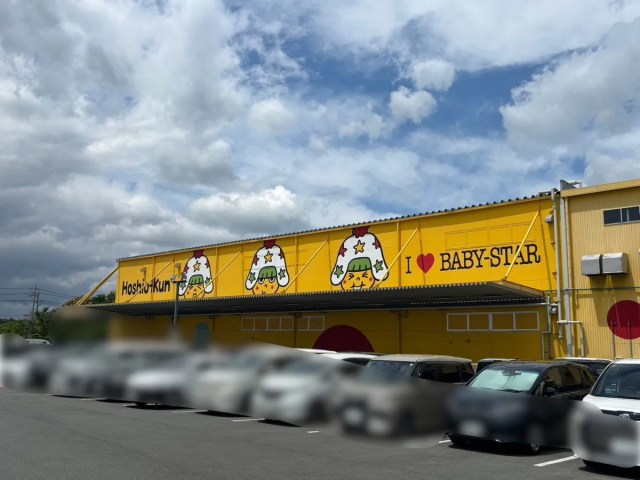
In the landscape of Japanese confectionery, few snacks possess the cultural ubiquity of Baby Star Ramen. Since its inception in 1959, these crunchy, seasoned, bite-sized fragments of instant noodles have transcended their humble origins as factory floor leftovers to become a staple of school lunchboxes and convenience store aisles across the nation. For those seeking to bridge the gap between snack-time joy and immersive entertainment, the Oyatsu Company—the masterminds behind the brand—has established "Oyatsu Town" in Tsu, Mie Prefecture.
While the neighboring production factory remains closed to public tours, Oyatsu Town serves as a vibrant, sprawling theme park dedicated to the history, creativity, and sheer playfulness of the Baby Star brand. Our recent visit to this facility during the height of the Golden Week holidays revealed a destination that functions not merely as a corporate showcase, but as a surprisingly robust interactive park that captures the imagination of both children and adults alike.
The Origins of a Cultural Icon
To understand the significance of Oyatsu Town, one must appreciate the history of the snack itself. The legend of Baby Star Ramen begins with the Oyatsu Company’s founder, who made a serendipitous discovery on the factory floor. Upon realizing that the broken noodle fragments—typically discarded during the standard instant noodle production process—were remarkably flavorful when seasoned and dried, he transformed a potential waste product into a revolutionary snack.
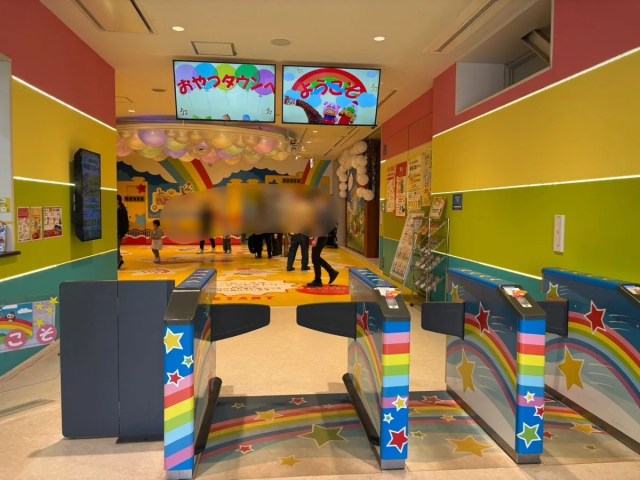
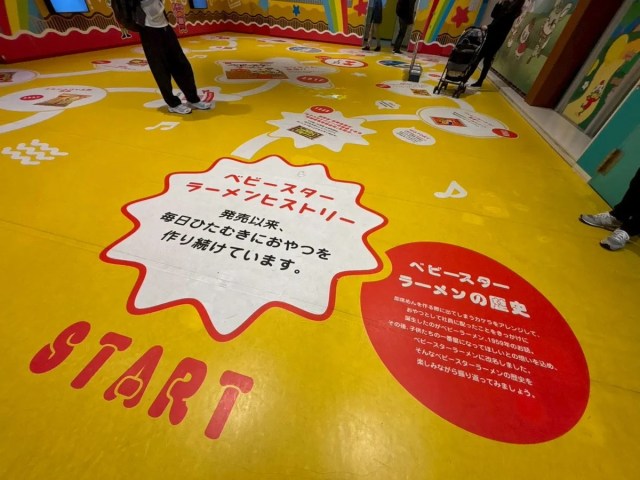
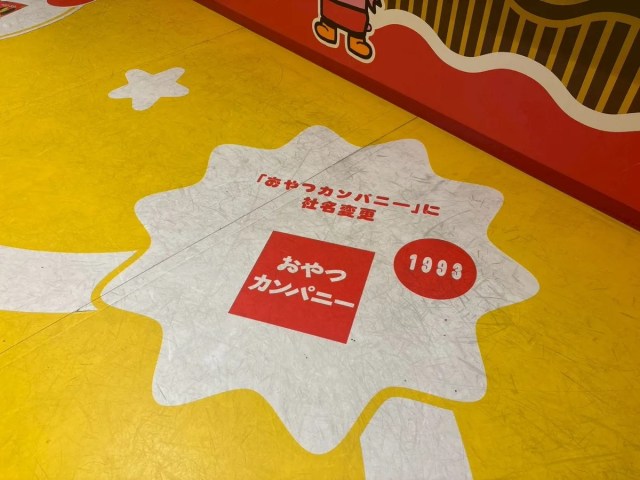
This spirit of ingenuity is reflected in the theme park’s layout. Upon entry, visitors are greeted not by static displays, but by a narrative journey designed to mimic a board game. The park’s historical archives are spread across the floor, inviting guests to literally walk through the evolution of the company. It serves as a stark reminder that even the most massive, recognizable brands in Japan often have roots in humble, pragmatic beginnings. Interestingly, the company’s formal rebranding to "Oyatsu Company" only occurred in 1993, a detail that highlights the brand’s enduring ability to modernize while maintaining its classic appeal.
A Chronology of Discovery: A Day in the Park
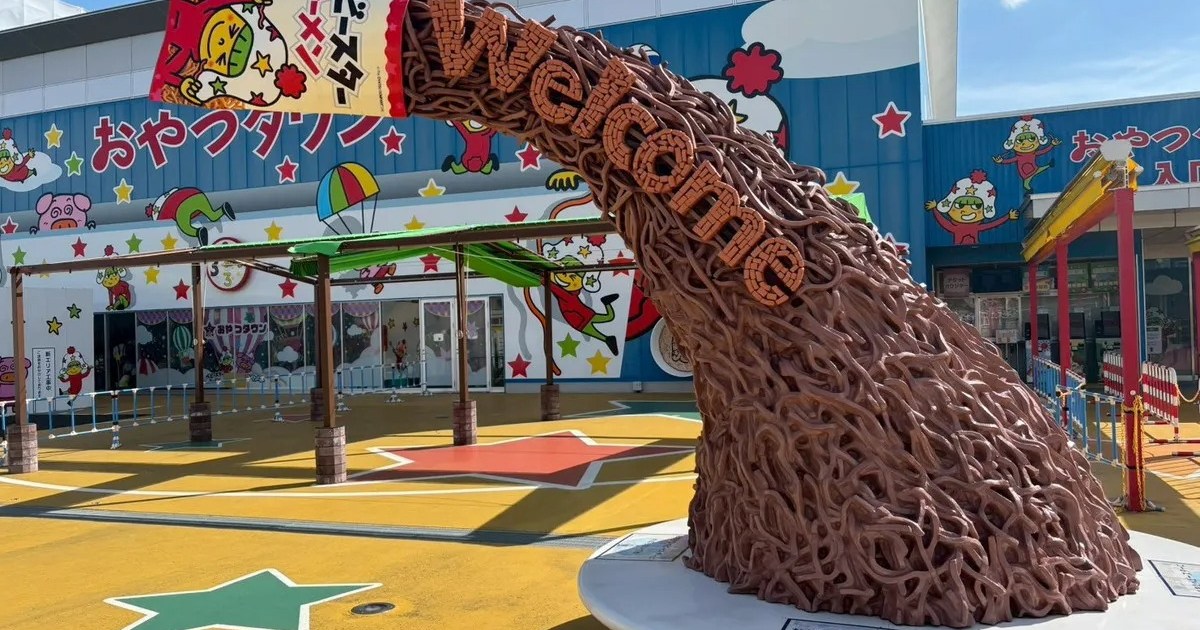
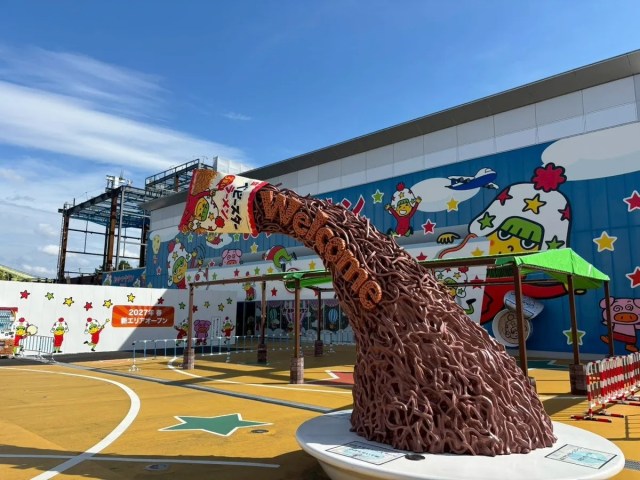
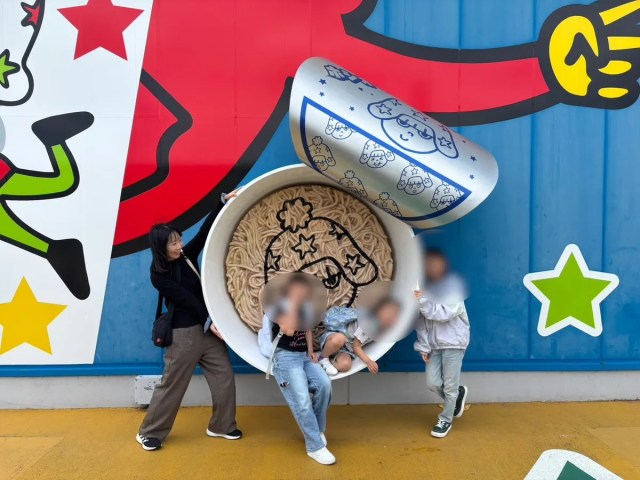
Our visit, which spanned a full six hours, allowed for a deep dive into the park’s various offerings. Arriving at the entrance, the first point of contact is a massive, eye-catching photo spot featuring a "waterfall" of Baby Star noodles, alongside an oversized replica of a Butamen cup—the company’s iconic instant cup noodle line, featuring the beloved mascot, Hoshio-kun.
The Morning Rush and Strategic Planning
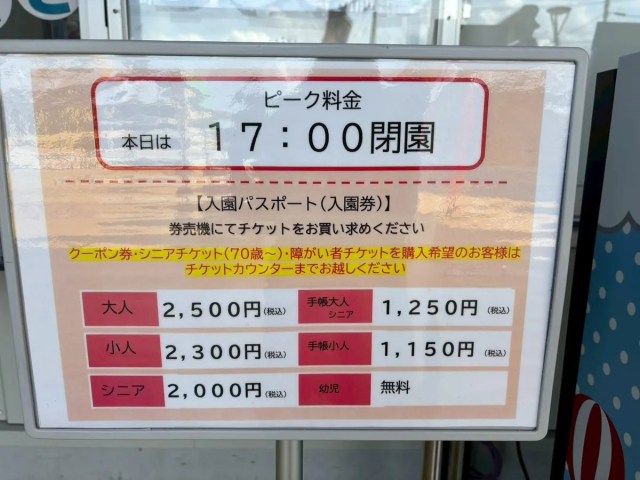
Because we visited during Golden Week, we observed firsthand the necessity of logistical foresight. Same-day tickets are limited and often sell out before noon during peak seasons. For any prospective visitor, reserving entry tickets online in advance is not just a suggestion; it is a requirement for a stress-free experience.

Entry fees are tiered based on demand:
- Peak Days (Holidays/Golden Week): 2,500 yen ($15.70 USD)
- Regular Days (Sat–Mon): 2,200 yen
- Value Days (Tue–Fri): 1,600 yen
The Athletic Course: Reclaiming Childhood
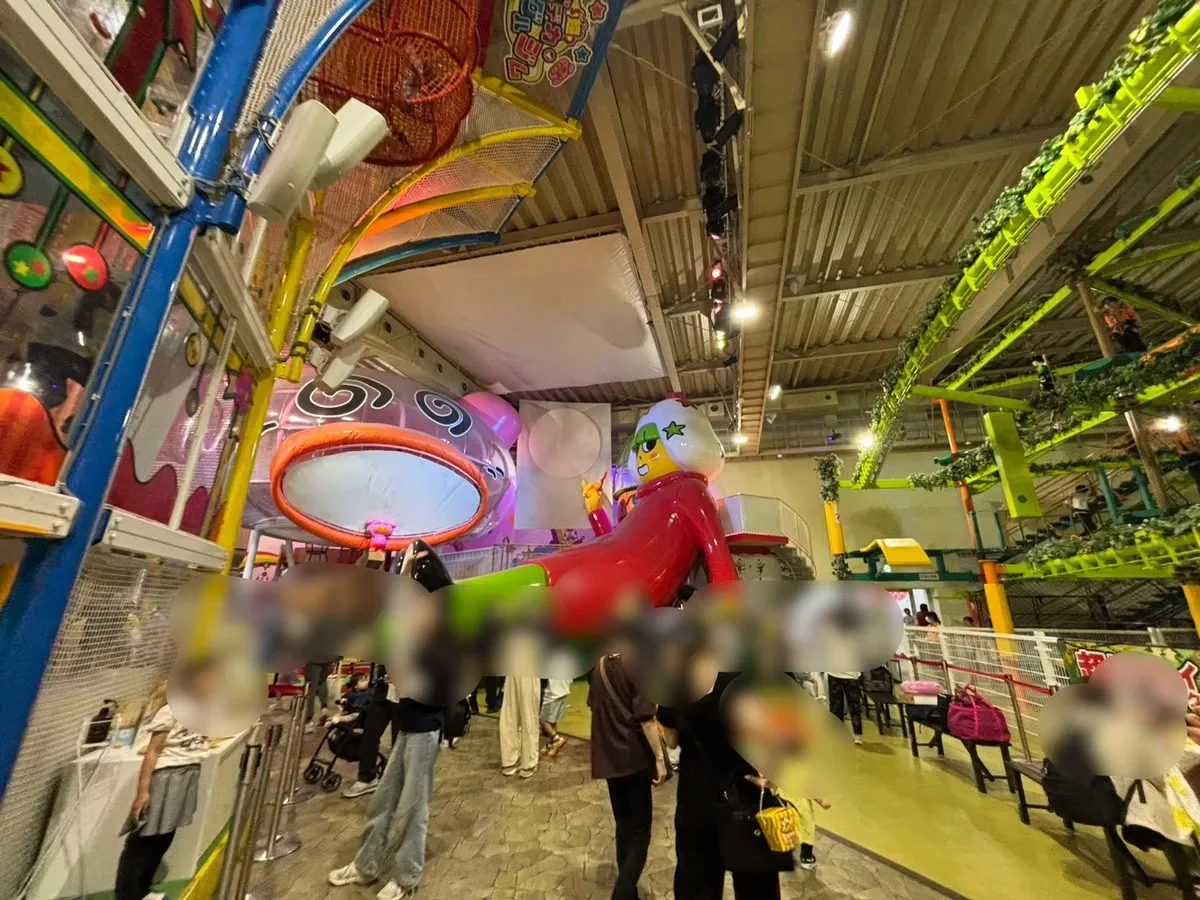
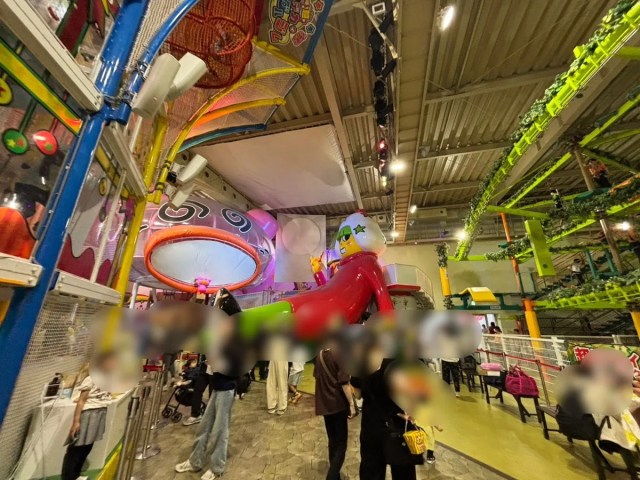
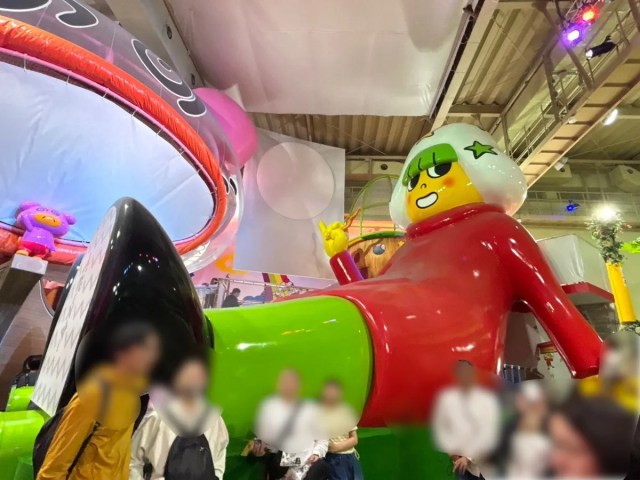
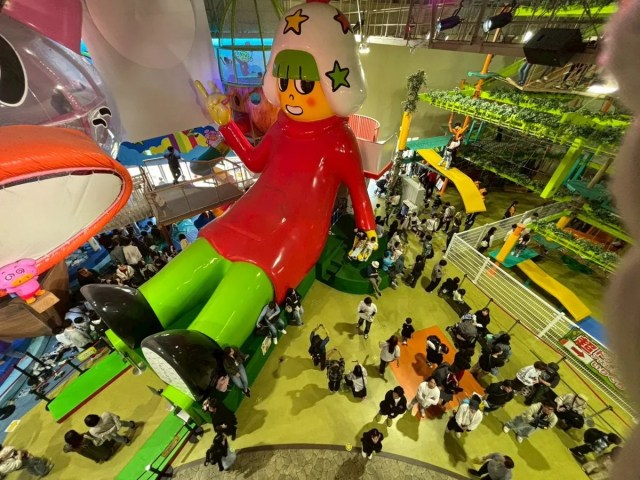
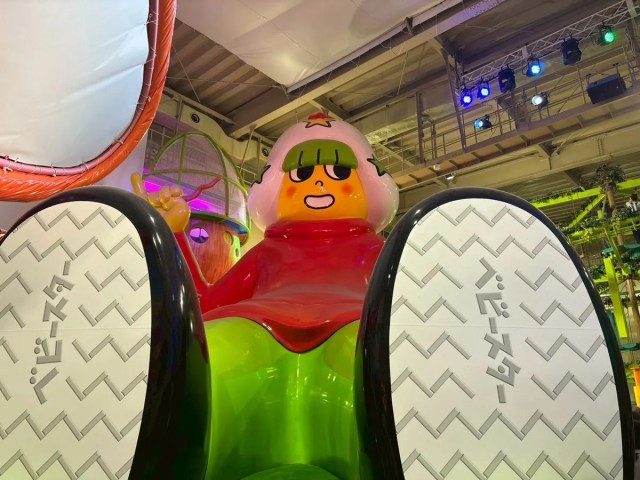
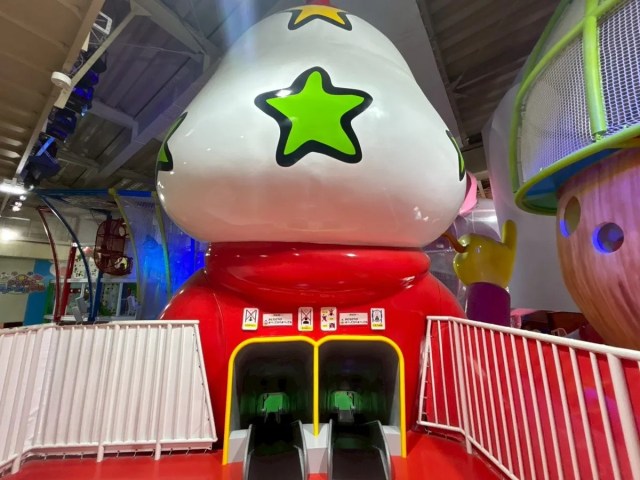
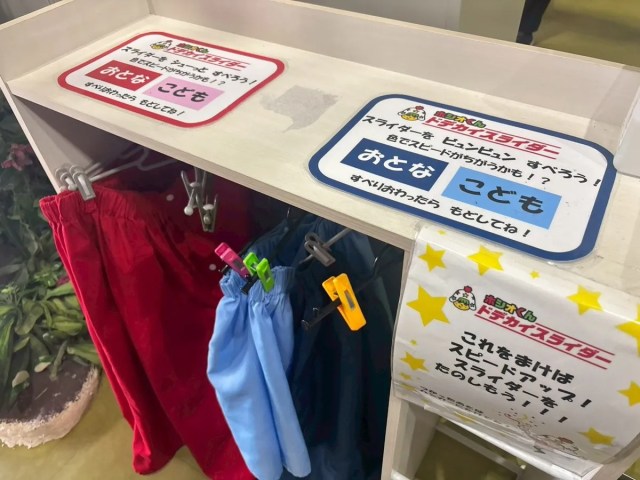
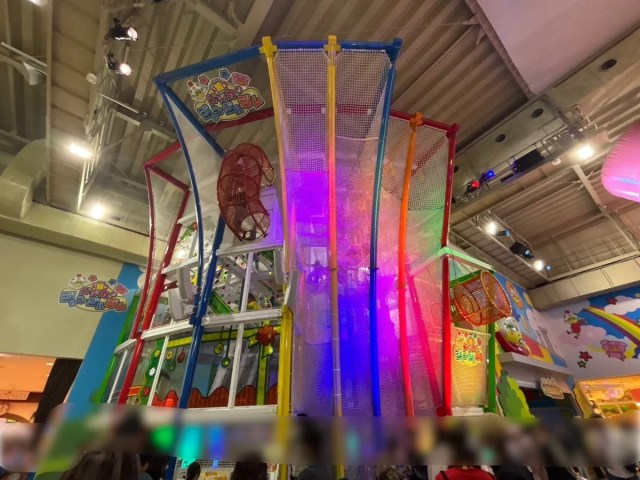
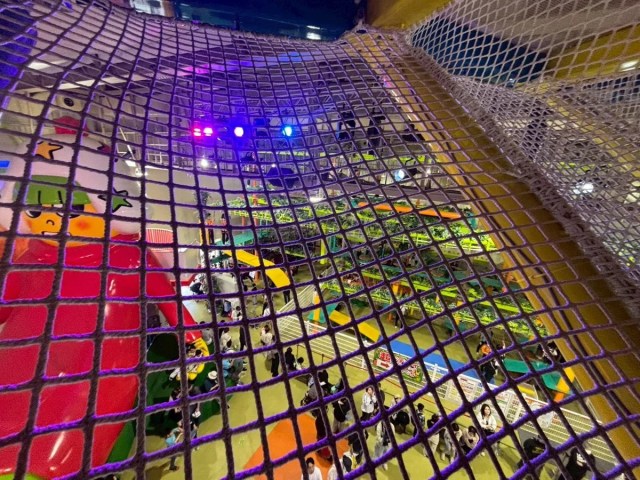
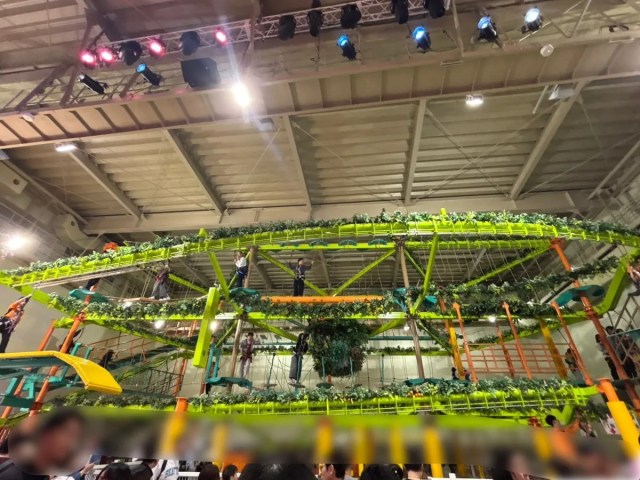
The park’s centerpiece is a massive, three-story athletic course. While many adults might feel tempted to supervise from the sidelines, the design of the equipment—including the Hoshio-kun Giant Slide and the sprawling jungle gym—is engineered to be genuinely challenging. The net-based structures provide a unique sensory experience, stimulating the soles of the feet in a way that feels almost like a reflexology session.
The third floor of the course offers a high-stakes challenge involving navigation around bulging, semi-spherical obstacles. Even for an adult, the physical demand is legitimate. Navigating these obstacles with confidence requires balance and grip strength. While a momentary slip of the hand might cause hesitation, the environment encourages a "try, try again" mentality. There is a distinct, communal sense of accomplishment in watching both children and adults conquer the course together, effectively breaking down the barrier between spectator parent and participant child.
Interactive Culinary Arts: The Hoshio-kun Kitchen
Beyond the physical activities, the park excels in its hands-on culinary workshops. For an additional 1,000 yen per person, guests can participate in the "My Special Baby Star" experience. Participants are given a blank canvas—an original, customizable noodle container—which they decorate with stickers.
The process is surprisingly thorough: guests select their preferred seasoning profiles, which are then expertly integrated into the noodles and baked fresh in an on-site oven. This adds a layer of personalization that turns a simple snack into a cherished souvenir. The workshop operates with high efficiency; while we chose to reserve in advance, the staff is accommodating enough to handle same-day sign-ups, provided the slots remain open.
Culinary Innovation: Beyond the Snack Bag
Hunger, inevitably, leads guests to Baby Star Dining. One might expect the food here to be a gimmick, but the reality is a surprisingly sophisticated take on "noodle-fusion" cuisine.
The standout of our visit was the "Pink Butamen Gratin Pizza." At first glance, the vibrant pink hue—derived from beetroot rather than artificial dyes—is striking, but the flavor profile is remarkably balanced. Baked in a traditional pizza oven, the crust achieves an authentic, crisp texture that rivals professional pizzerias. Furthermore, the inclusion of ingredients like the Baby Star Katsu Curry demonstrates that the culinary team takes the integration of their signature snack into hot meals quite seriously. The result is a dining experience that feels cohesive, creative, and, most importantly, delicious.
Shopping at the Oyatsu Marche
The final stop for any visitor is the Oyatsu Marche gift shop. This is where the depth of the company’s branding truly shines. From stationery to apparel, the range of Hoshio-kun and Butamen goods is extensive.
A particular highlight is the selection of regional and limited-edition Baby Star flavors. We sampled the Spiny Lobster flavor, which provided a rich, savory depth that exceeded expectations for a snack-sized product. Additionally, the option to fill a steel, suitcase-style container with a selection of one’s favorite flavors for 1,700 yen provides a cost-effective way to bring a piece of the park home.
Implications for Future Growth
Oyatsu Town is clearly a success story in corporate tourism. By focusing on the intersection of nostalgia and active, physical engagement, the Oyatsu Company has created a model that sustains long-term interest.
The most significant development on the horizon is the planned expansion for Spring 2027. The company has announced that a new area will open to the public, which necessitated a temporary closure starting January 12, 2027. This indicates that the park is not resting on its laurels but is instead committed to continuous evolution.
Conclusion: A Must-Visit for the Young at Heart
Walking out of the facility at 5:00 p.m., having arrived at 10:30 a.m., it was clear that the six-hour duration was not nearly enough to fully exhaust the possibilities of the park. What began as a trip for the children transformed into an engaging, multi-sensory experience that even the adults in the group found deeply enjoyable.
Whether you are a devotee of Japanese snack culture, a parent looking for a high-quality excursion, or simply a traveler curious about the creative ways companies engage with their consumers, Oyatsu Town in Tsu is an essential stop. It is a testament to the fact that with enough imagination, even the simplest, crunchiest, and most broken of noodles can build an entire world of fun.
Quick Reference Guide for Future Visitors
- Address: 1945-11 Mori-cho, Tsu-shi, Mie-ken, Japan.
- Operating Hours:
- Tuesday–Friday: 10:00 a.m. – 3:00 p.m.
- Saturday & Monday: 10:00 a.m. – 4:00 p.m.
- Sunday: 10:00 a.m. – 5:00 p.m.
- Note: Always verify hours on the official website before traveling, as seasonal variations occur.
- Pro Tip: Book your entry tickets and workshop slots at least two weeks in advance, especially if you are planning to visit during weekends, national holidays, or the Obon festival season.
- Facility Status: Please note the planned closure for renovations from January 12, 2027, to prepare for the grand opening of the new 2027 Spring expansion area.












No comments yet. Be the first to join the conversation!