

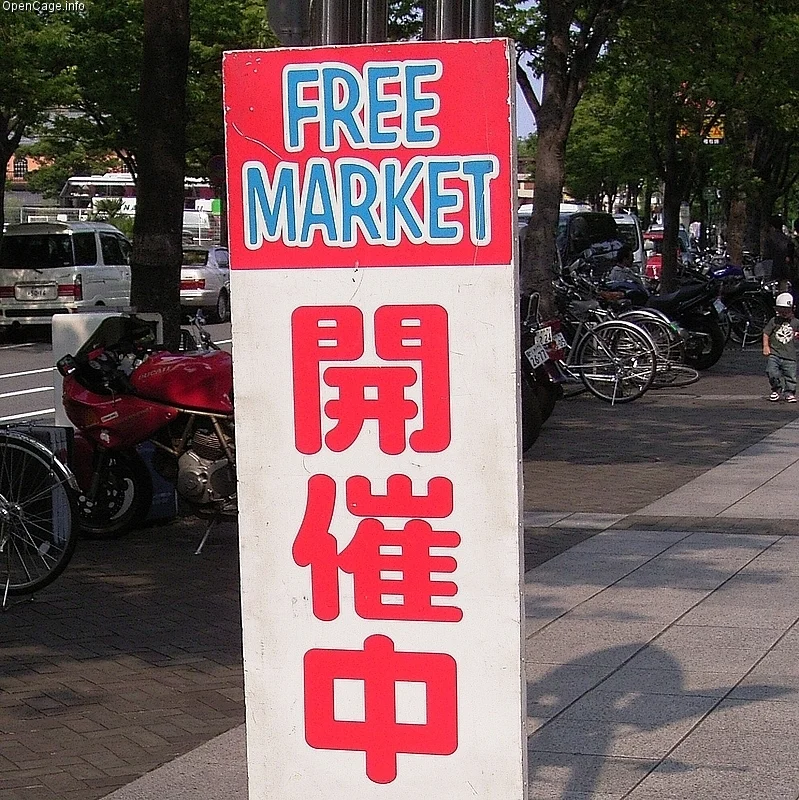
For the discerning traveler, Japan is often synonymous with the neon pulse of Tokyo or the Zen silence of Kyoto. Yet, hidden in the industrial heart of the Chūbu region lies Nagoya, a city that preserves a vibrant, tangible connection to the past. Among its most compelling cultural fixtures is the Osu Kannon Antique Market—a bi-monthly phenomenon that transforms the sacred grounds of a historic Buddhist temple into a bustling bazaar of Edo-period relics, Showa-era ephemera, and samurai-era curios. Unlike the polished souvenir shops of major tourism hubs, this is a working market where the true heartbeat of Japanese collecting is laid bare.
Main Facts: The Osu Kannon Phenomenon
The Osu Kannon Antique Market (大須観音骨董市, Ōsu Kannon Kottō-ichi) is held consistently on the 18th and 28th of every month. Situated within the sprawling precinct of the Osu Kannon Temple in central Nagoya, the market serves as a primary hub for antique dealers from across the Aichi Prefecture.
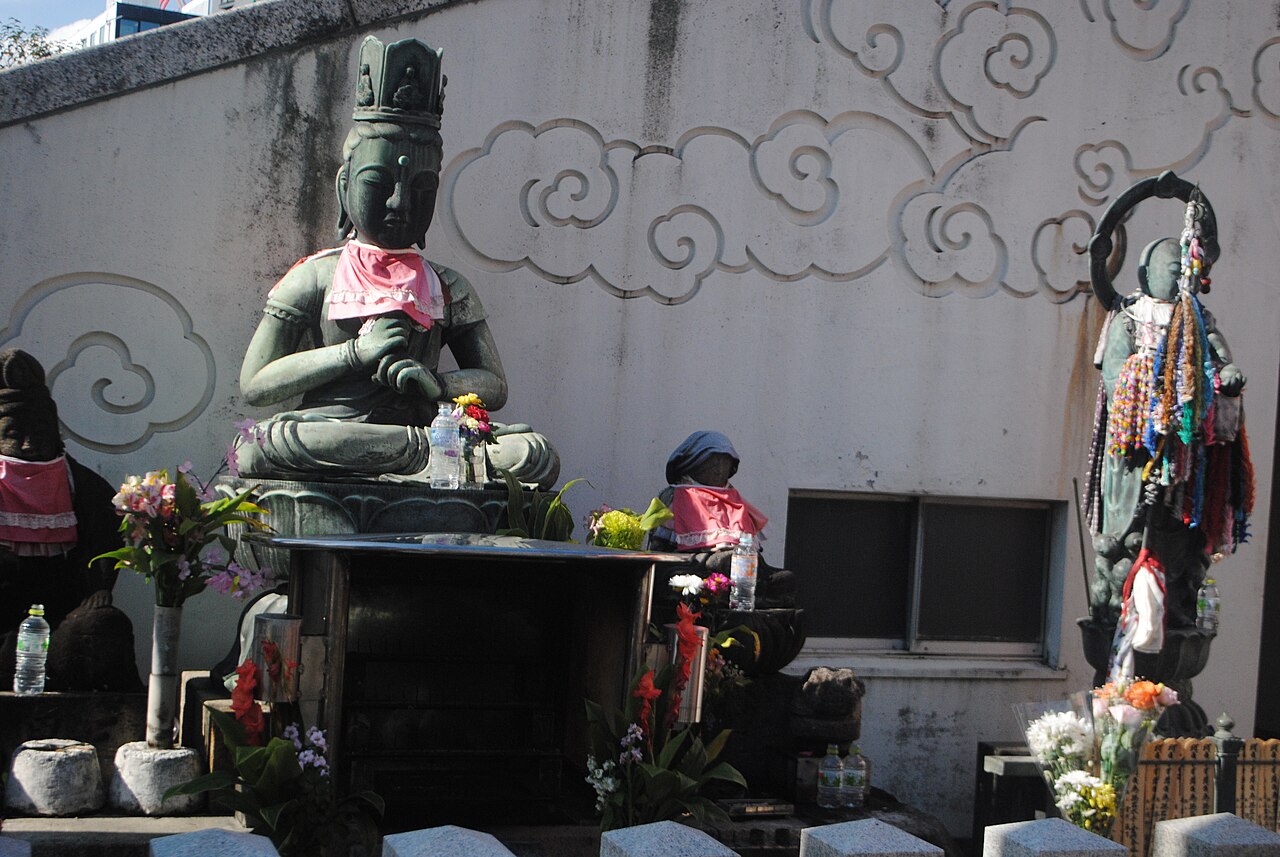
On a typical day, visitors will encounter roughly 80 stalls, though this number swells significantly during weekend dates. The inventory is as eclectic as it is authentic: Meiji-era silk kimonos, delicate ceramics from the nearby Seto and Tokoname kiln districts, weathered vinyl records from the 1960s, and woodblock prints (ukiyo-e) that hold the stories of centuries past. Prices are as varied as the goods, ranging from ¥500 bargain bins for trinkets to ¥500,000 for verified, high-end collector items. Because the market remains largely off the radar of international tour operators, it offers a rare, unfiltered experience where one might be the only non-Japanese person browsing the aisles.
A Chronology of Continuity
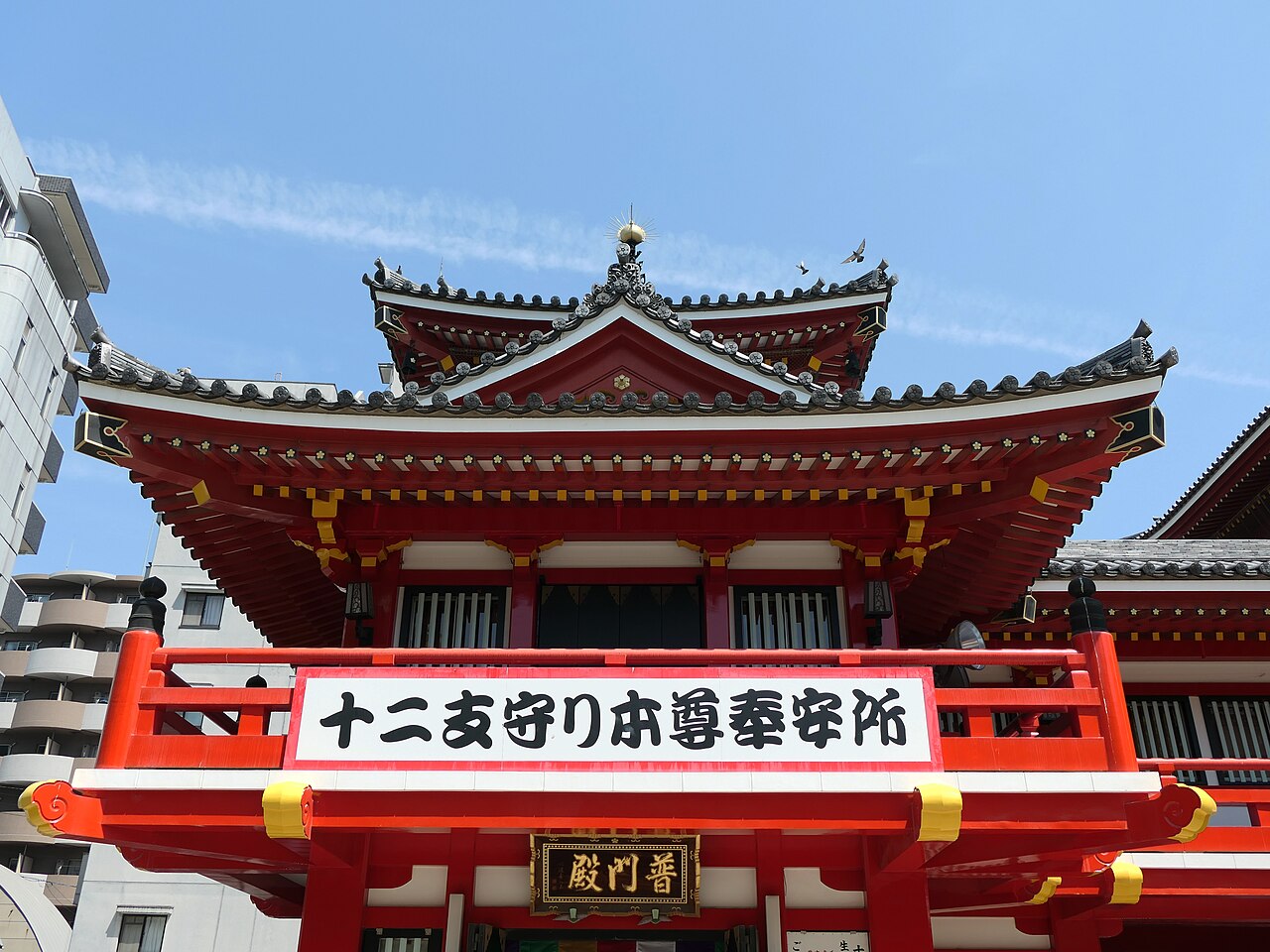
To understand the market, one must understand the site. Osu Kannon (officially known as Kitano-san Shinpuku-ji Hōshō-in) is a temple of the Shingon sect, originally founded in 1333 in the Mino Province. Its migration to its current location in Nagoya occurred in 1612, under the direct mandate of the Shogun Tokugawa Ieyasu. This relocation was a strategic masterstroke, designed to anchor the southern commercial district of the newly established Nagoya castle-town.
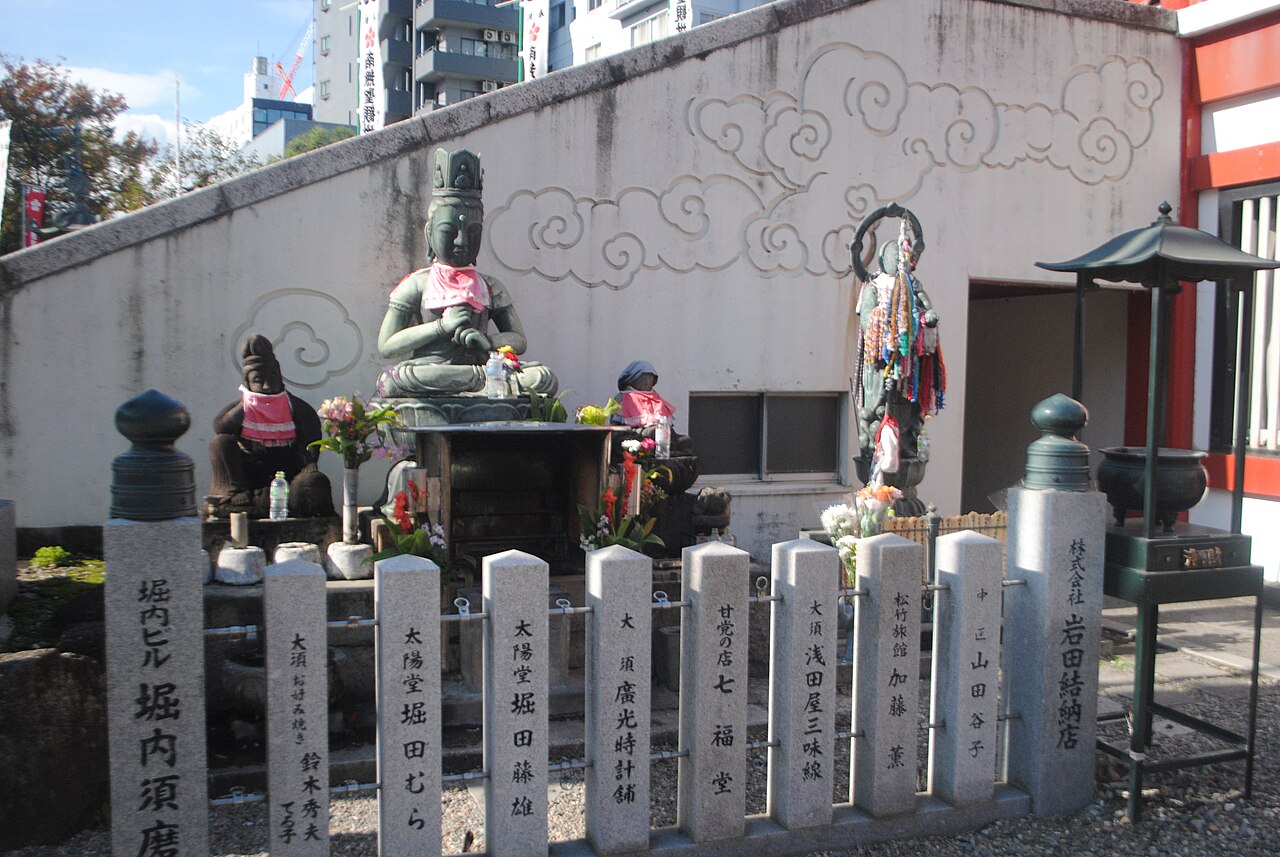
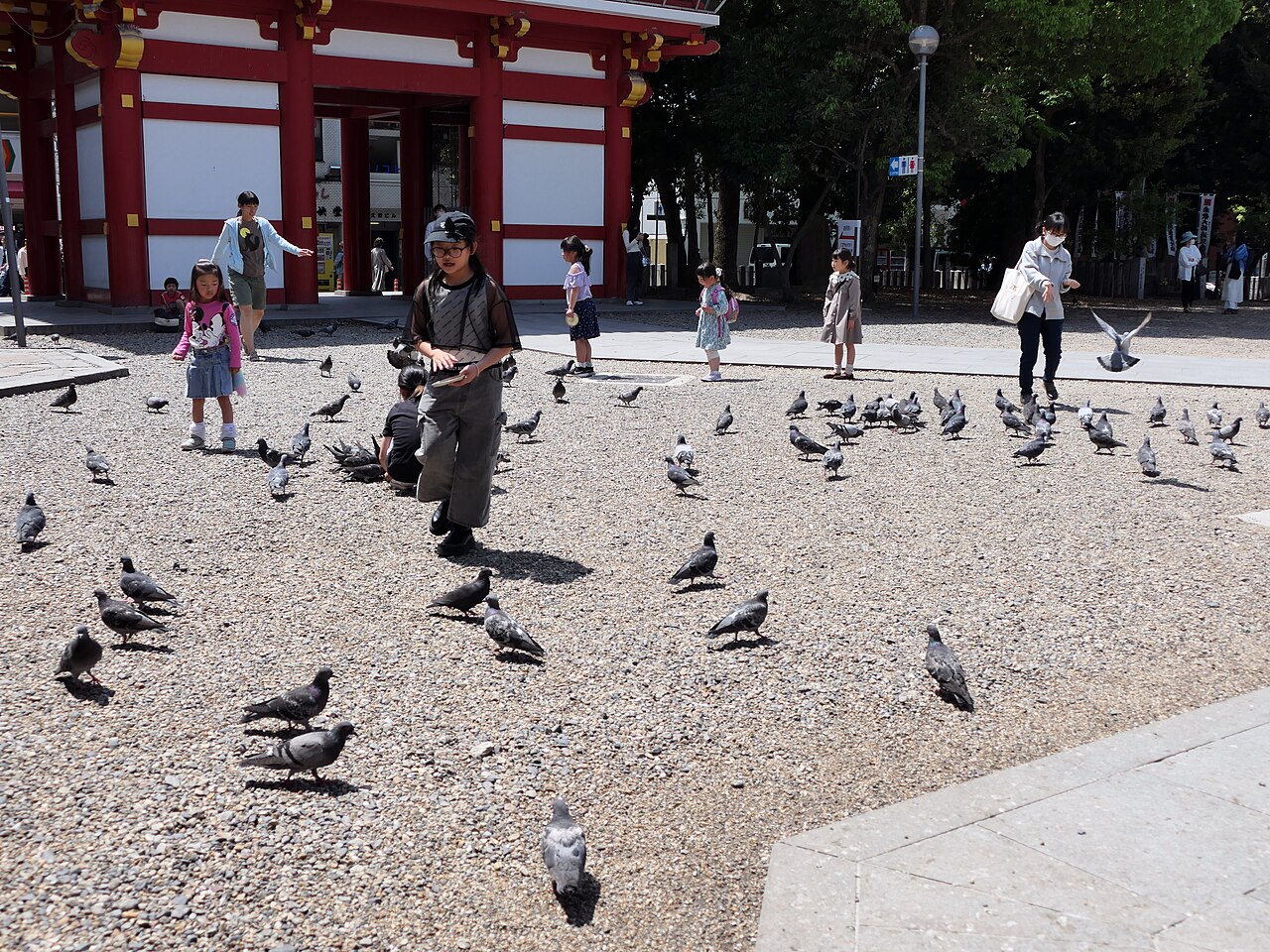
The temple’s prestige is bolstered by the Shinpukuji Bunko, a library wing housing one of Japan’s most significant collections of classical literature, including a manuscript of the Kojiki dating back to 1371. While the main hall visible today is a 1970 reconstruction—the original having succumbed to the fires of World War II—the institutional continuity remains unbroken. The market, held on the wide paved plaza in front of the main hall, represents a modern continuation of the temple’s role as a commercial and cultural center for the city.
Supporting Data: The Nagoya Flea Market Ecosystem
The Osu Kannon market is the crown jewel of a broader, well-organized antique circuit in Nagoya. For travelers whose schedules do not align with the 18th or 28th, the city offers several satellite markets:
- Wakamiya Hachimangu Antique Market: Held on the first Saturday of each month, this venue features 30–40 stalls, focusing heavily on classical Japanese antiques rather than pop-culture retro items. It is easily accessible from Fushimi Station.
- Toyota Daihatsu Shrine Market: Taking place on the 8th of each month at the Arako Kannon Shrine, this is a community-centric event. It is particularly noted for retro toys and children’s goods, offering a glimpse into local domestic life.
- Shinshoji Temple Antique Fair: Held on the second Sunday of each month, this fair is a paradise for pottery enthusiasts, drawing heavily from the nearby historic ceramic centers of Seto and Tokoname.
- Heiwa Park Weekly Market: Operating every Sunday, this is a general-purpose flea market. While less "antique" in focus, it is the best location for finding local handmade crafts and high-quality household goods.
Navigating the Trade: Expert Insights for Buyers
Shopping at a traditional Japanese temple market requires a shift in mindset. Unlike Western flea markets, the atmosphere is professional, quiet, and deeply respectful.
Pricing and Negotiation
Haggling is accepted, but it is a subtle art. In Japan, the "dance" of negotiation should be gentle. A 10–15% reduction is generally considered the ceiling for a reasonable request. Requesting a 50% discount is considered a breach of etiquette and may end the transaction immediately. If a price tag is absent, the phrase “kore wa ikura desu ka?” (How much is this?) is your opening. Keep negotiations to one or two rounds, and always maintain a polite, appreciative demeanor.
The Cash Reality
The market operates almost exclusively on a cash-only basis. While high-end dealers may accept cards for purchases exceeding ¥50,000, travelers should carry sufficient yen. The nearest reliable ATM is located at the 7-Eleven approximately 200 meters from the temple’s east gate.
Authentication and Ethics
The market is not a curated exhibition; it is a trade venue. Items are sold "as is." For high-value purchases such as swords or rare ceramics, request documentation like hakogaki (a hand-written inscription on the storage box by an expert). If you are looking to purchase for investment, do your research long before you arrive at the temple gate.
Shipping and Logistics
Most vendors do not offer international shipping. For large or fragile items, the Nagoya Yamato-Transport office, located a five-minute walk from the temple, is the standard solution. Surface-mail shipping for a medium-sized crate typically ranges from ¥8,000 to ¥15,000.
Implications for the Modern Traveler
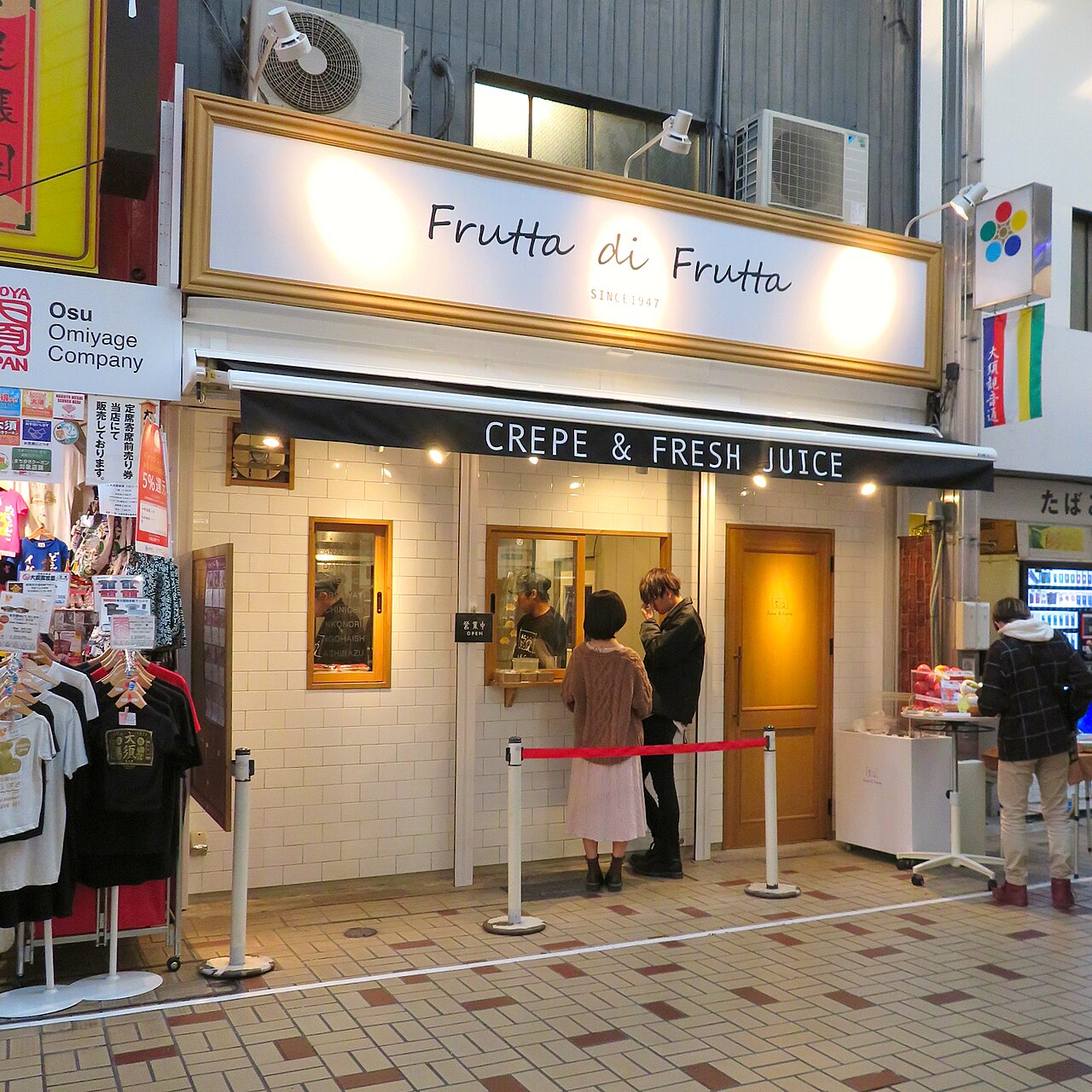
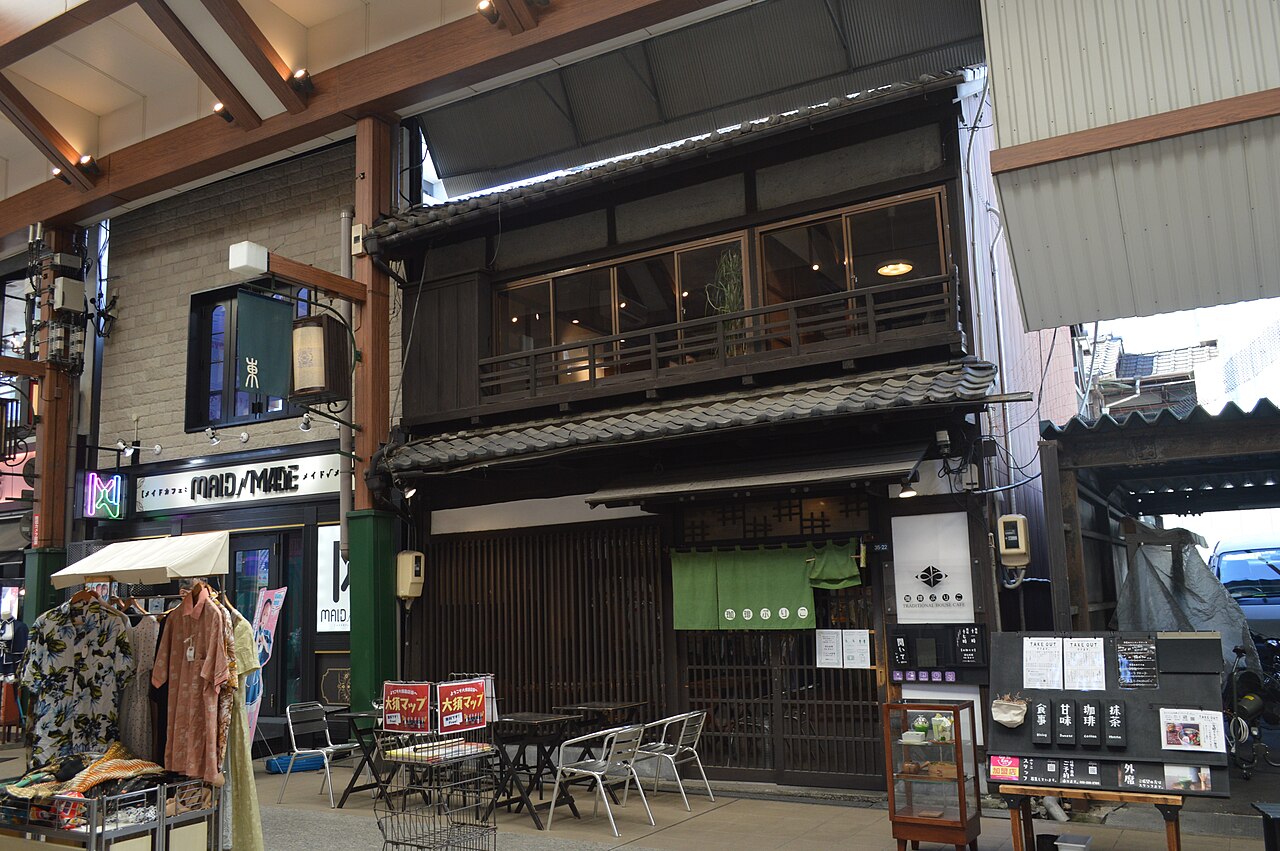
The coexistence of the Osu Kannon Temple and the surrounding Osu Shōtengai (shopping district) highlights the unique character of Nagoya. The district is a seamless blend of the ancient and the avant-garde. You might spend your morning examining a 200-year-old tea bowl in the temple grounds, only to spend your afternoon hunting for rare anime figurines or retro vinyl records in the covered arcades that radiate from the temple’s perimeter.
For the cultural traveler, the implications are clear: Osu offers a "lived-in" experience of Japan. It is not designed for the tourist, which is precisely why it is so valuable. It provides a window into the Japanese domestic economy of the past and present.
Frequently Asked Questions (FAQ)
What happens if the market falls on a holiday?
The market proceeds regardless of public holidays, including Golden Week and Obon. The only deterrent is severe weather. In the event of heavy rain or typhoon warnings, check the official Osu Kannon website for cancellation notices.
Is there English-speaking support?
Do not expect widespread English proficiency. While a few veteran dealers have picked up the language through decades of trade, most communicate through numbers and basic gestures. The Google Translate camera function is an indispensable tool for reading maker’s marks and price tags. For high-value transactions, consider hiring a local interpreter from the Nagoya tourism bureau.
Are these items legal to take out of Japan?
Most items found at flea markets—ceramics, kimonos, books—are exempt from complex export restrictions. However, be cautious with swords (which require specific dealer permits) and pre-1925 cultural properties. If an item is registered as a National Treasure or Important Cultural Property, it cannot be exported. For 99% of what you see on the tables, you are safe to pack it in your suitcase.
What is the best time to visit?
For the serious collector, arrive between 09:00 and 09:30. This is when the best items are displayed and before the crowds peak. If you are looking for a bargain, aim for 14:30. Dealers are often more willing to negotiate prices at the end of the day to avoid the labor of packing and transporting unsold stock back to their warehouses.
Conclusion: Is it Worth the Journey?
The Osu Kannon Antique Market is not merely a place to buy goods; it is a place to observe the Japanese appreciation for mono no aware—the pathos of things, or the beauty in the impermanent and the aged. For the antique enthusiast, it is a mandatory stop that offers price points and inventory quality that arguably surpass the more tourist-saturated markets in Tokyo. For the general traveler, it offers a morning of authentic discovery in a city that refuses to be defined by the standard "Golden Route." When you visit, come for the treasures, but stay for the atmosphere—the quiet rustle of paper, the scent of old wood, and the enduring spirit of Nagoya.












No comments yet. Be the first to join the conversation!