

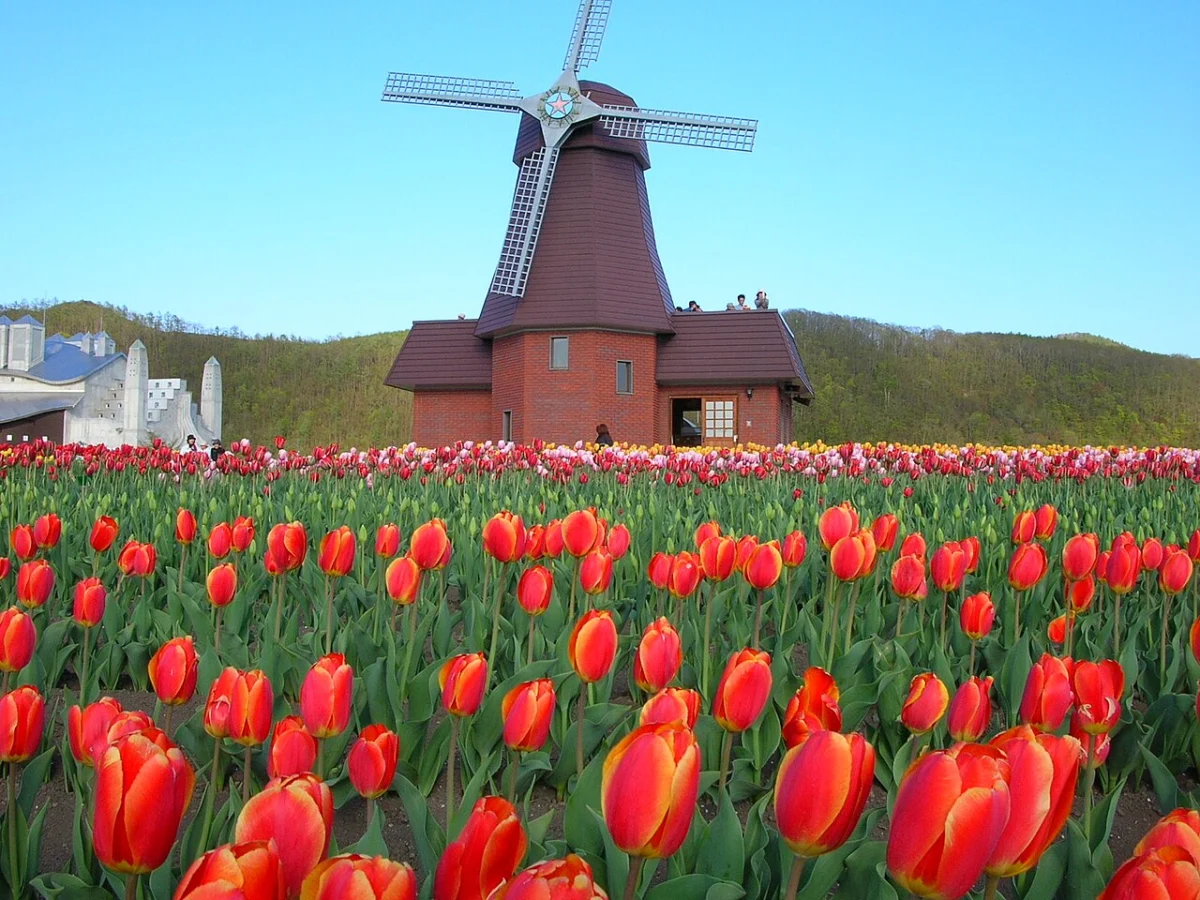
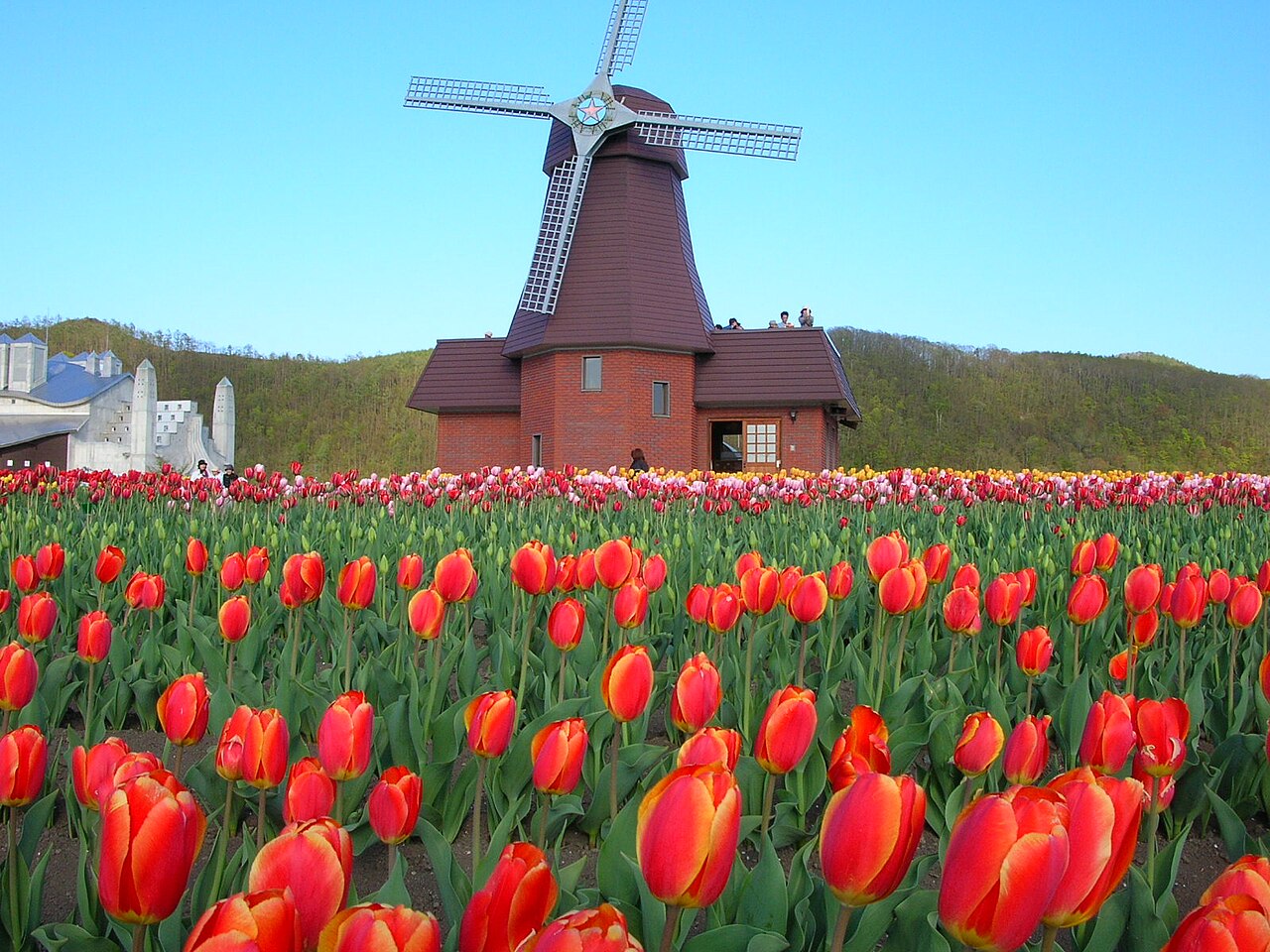
In the heart of north-central Hokkaido, where the rugged landscape of the Okhotsk coast meets the quiet rhythms of rural agricultural life, lies a spectacle that defies the region’s typically stark, windswept reputation. Every May, the Kamiyubetsu Tulip Park transforms a sprawling, east-facing slope in the town of Yubetsu into a vibrant, living tapestry. With over 700,000 tulips across 200 distinct varieties—including rare Dutch cultivars—the park has solidified its reputation as one of Japan’s premier floral destinations.
Main Facts: A Horticultural Masterpiece
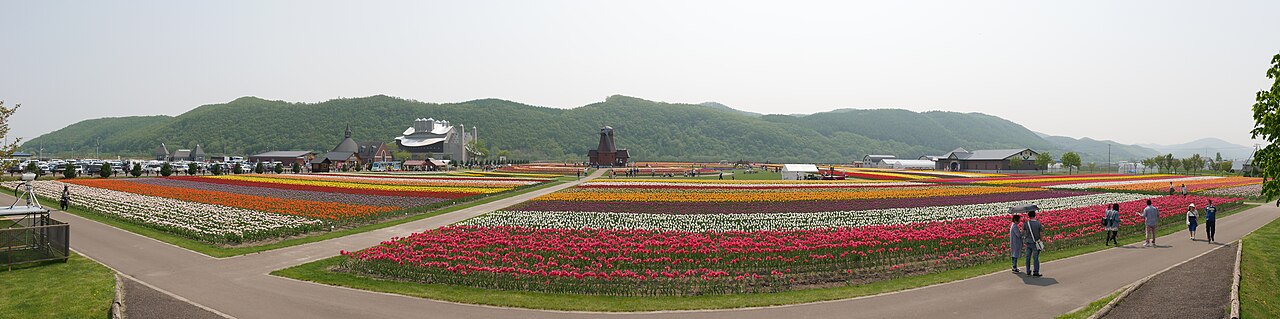
The Kamiyubetsu Tulip Park is not merely a garden; it is a meticulously engineered seasonal exhibition. Spanning a 12.5-hectare footprint, with seven hectares dedicated exclusively to cultivated tulip beds, the park operates on a grand scale that dwarfs most domestic floral displays.
The layout is defined by geometric ribbons of color—deep crimsons, sunshine yellows, crisp whites, and regal purples—that follow the natural contours of the hillside. Unlike static botanical gardens, the park’s design is a fluid, rotating artwork. Under the direction of the park’s head gardener, the planting palette operates on a three-year rotation, ensuring that returning visitors are greeted by an entirely new visual configuration each time they visit.
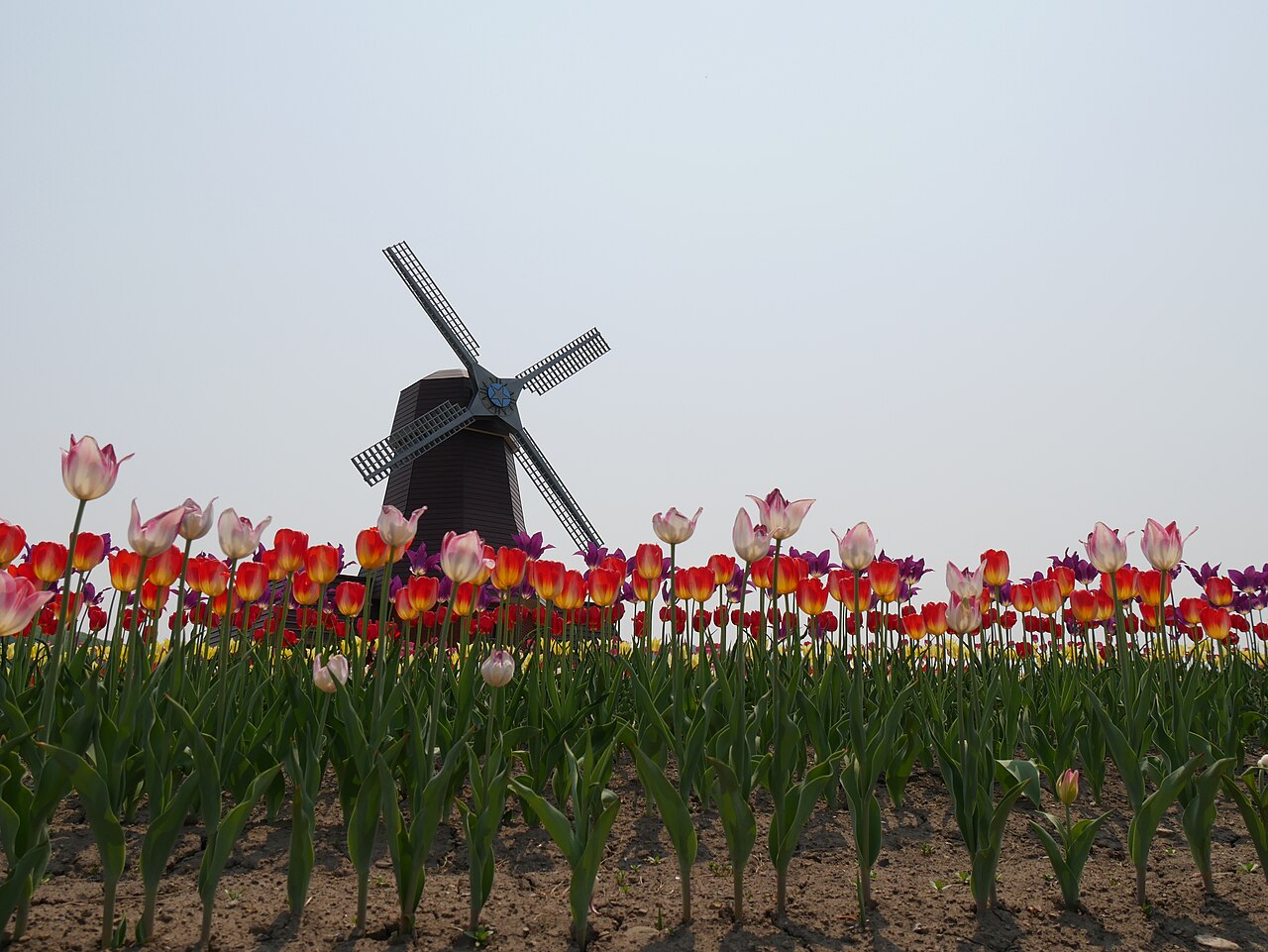
For the international visitor, the park serves as a bridge between Japanese aesthetic sensibilities and Dutch horticultural traditions. From the five-storey windmill observation deck, which offers a panoramic vantage point over the Yubetsu plain, to the "flower car" electric tram that winds through the beds, the park is designed to maximize the visitor experience without compromising the integrity of the delicate blooms.
Chronology: From Post-War Recovery to Tourism Icon
The history of the park is rooted in the post-war economic restructuring of Hokkaido. In the early 1950s, local leaders of the JA (Japan Agricultural) cooperative sought to diversify the regional economy, which was then almost entirely dependent on sugar-beet and potato cultivation.
- 1950s: The first Dutch tulip bulbs were imported into Yubetsu as an experimental secondary crop, training local farmers in bulb propagation techniques.
- 1957: The town held its first public tulip festival, marking the beginning of the crop’s transition from an agricultural commodity to a cultural asset.
- 1989: The municipal government officially established the current park site as a permanent tourism asset, moving away from decentralized farming plots to a centralized, visitor-friendly landscape.
- Present Day: The park now functions as a flagship for Yubetsu’s tourism board, consistently drawing upwards of 100,000 visitors during its brief, one-month operational window.
Supporting Data: Understanding the Bloom
The park’s success relies on a sophisticated "bloom wave" strategy. The head gardener coordinates planting depths to ensure a staggered emergence. Early-blooming varieties, such as simple, goblet-shaped tulips, occupy the lower terraces and open in early May, while the complex, fringed, and parrot-style cultivars on the upper terraces reach their zenith 5–10 days later.
For those interested in the technical diversity of the collection, the park categorizes its 200 cultivars into five primary groups:
- Triumph Hybrids: Known for their sturdy stems and classic shape.
- Darwin Hybrids: Renowned for their large, vibrant, and resilient blossoms.
- Parrot Tulips: Featuring ruffled, exotic petal edges that mimic tropical birds.
- Lily-Flowered Tulips: Distinguished by their elegant, pointed petal tips.
- Fringed Tulips: Characterized by delicate, crystalline edges.
The park offers a "variety map" at the visitor center, allowing hobbyists and photographers to identify specific Dutch heritage cultivars. For those attending during the final week of the festival, the "dig-your-own" program provides an opportunity to purchase live, flowering bulbs to bring home—a rare opportunity to acquire Dutch stock that is far more diverse than standard retail garden center inventory.
Official Responses and Management Perspectives
The Yubetsu municipal tourism board, which oversees the park, emphasizes the importance of community sustainability. "The park is a paradox," says a spokesperson for the local tourism office. "It is the most vibrant part of our town for four weeks, and then, by design, it becomes a dormant field."
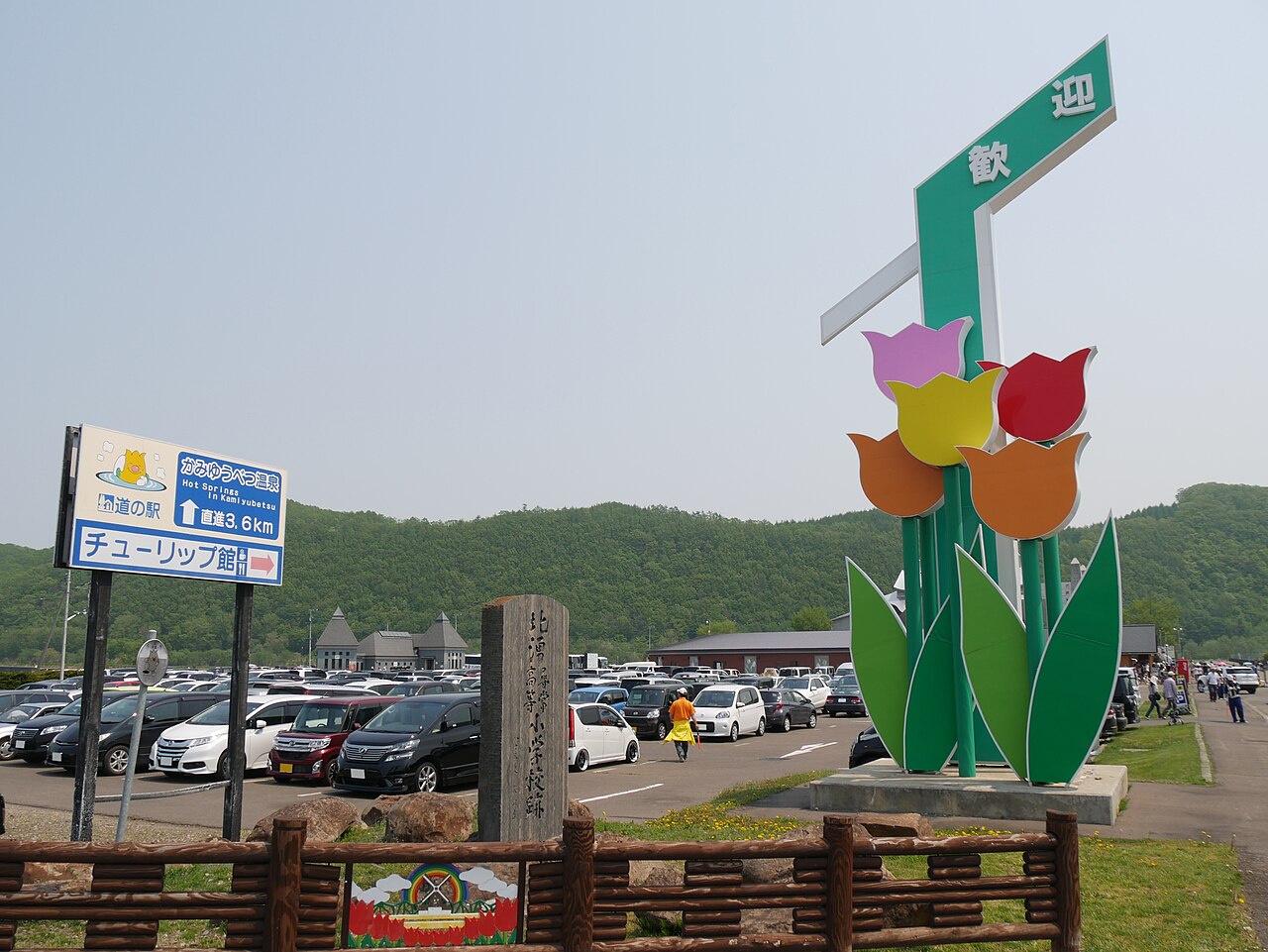
This strategic closure for 11 months of the year is not a lack of interest, but a commitment to the life cycle of the bulb. The park management maintains a close relationship with the Tulip no Yu roadside station, a facility that provides the essential year-round infrastructure for the town. By pairing the seasonal bloom with the year-round onsen (hot spring) complex, the municipality has created a symbiotic tourism model. The Tulip no Yu serves as a critical "fallback" destination, ensuring that even if visitors arrive outside the narrow peak-bloom window or face inclement weather, they have access to local dining, regional produce, and authentic Hokkaido hospitality.
Implications for the Future of Rural Tourism
The Kamiyubetsu model offers a blueprint for how remote Japanese towns can utilize niche tourism to sustain their local economies. By focusing on a single, high-quality "anchor" attraction, Yubetsu avoids the pitfalls of over-commercialization, maintaining a sense of authenticity that attracts serious photographers and gardening enthusiasts from across the globe.
Logistics and Strategic Planning
For those planning a visit, the remote nature of the region is a factor that must be weighed. The park is best experienced as part of a 3–4 day "Eastern Hokkaido Loop."
- Accessibility: While public transport exists via the JR Sekihoku Line to Engaru, followed by a local bus, it is highly recommended to rent a car from Asahikawa or New Chitose Airport. This allows for the flexibility to visit neighboring attractions like the Takinoue Shibazakura (moss pink) park—which is timed to bloom in tandem with the tulips—and the historic Abashiri prison area.
- Accommodation: Travelers are encouraged to anchor their stay in Monbetsu or Engaru. These hubs provide the necessary infrastructure for longer stays and are equidistant from the major floral sites.
Is the Pilgrimage Worth It?
The answer depends largely on the traveler’s intent. For the casual tourist, the park is a beautiful 45-minute stopover. For the dedicated flower enthusiast, however, Kamiyubetsu is a destination of global caliber. The scale of 700,000 bulbs is difficult to capture in photographs, and the opportunity to engage with rare cultivars in a quiet, rural setting is an experience that cannot be replicated in the more crowded, theme-park-style gardens found in Japan’s major urban centers.
As global interest in "slow travel" and agricultural tourism grows, Kamiyubetsu stands as a testament to the idea that sometimes, the most rewarding destinations are those that don’t try to be everything to everyone, but instead, focus on doing one thing—the cultivation of beauty—with absolute, unwavering precision.
Quick Reference Guide
- Peak Bloom: Typically May 15–25.
- Essential Gear: Comfortable walking shoes, a high-quality camera with macro capabilities, and a weather-resistant jacket for Hokkaido’s unpredictable spring winds.
- Pro-Tip: Visit on a weekday to avoid the peak crowds and to enjoy the serene, uninterrupted views of the windmill against the vast Okhotsk sky.
- Customs Note: While you can dig your own bulbs, always check your home country’s agricultural import regulations regarding soil and live plant materials before attempting to transport them internationally.











