

For the millions of travelers who traverse the Kansai region each year, the stretch of track between Osaka and Kobe is often little more than a blur of urban scenery. Yet, nestled precisely between these two metropolises lies Ashiya—a city that remains an enigma to most international visitors, despite its profound cultural footprint. While the trains roar through, carrying salarymen and tourists toward the bright lights of Dotonbori or the harbor views of Sannomiya, Ashiya quietly preserves a legacy of refinement, architectural ambition, and literary prestige that has defined the Japanese "good life" for over a century.
Main Facts: The "Beverly Hills" of the Kansai Region
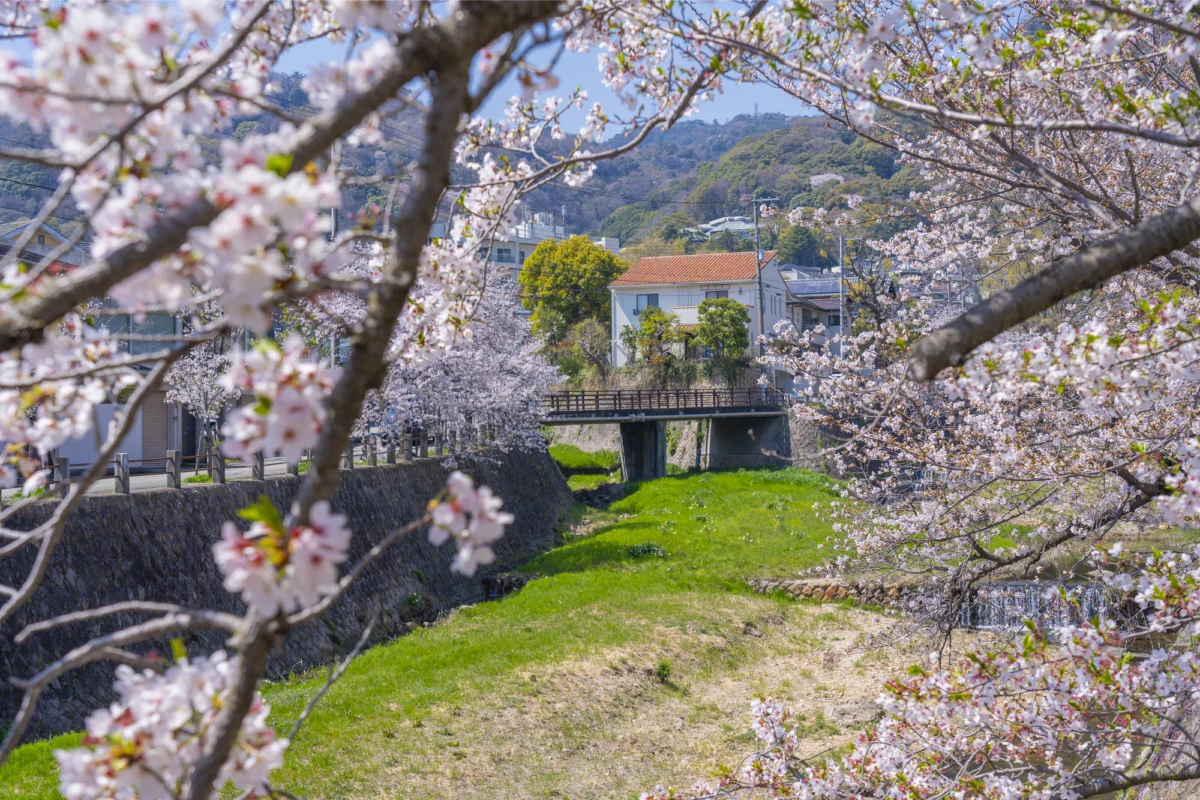
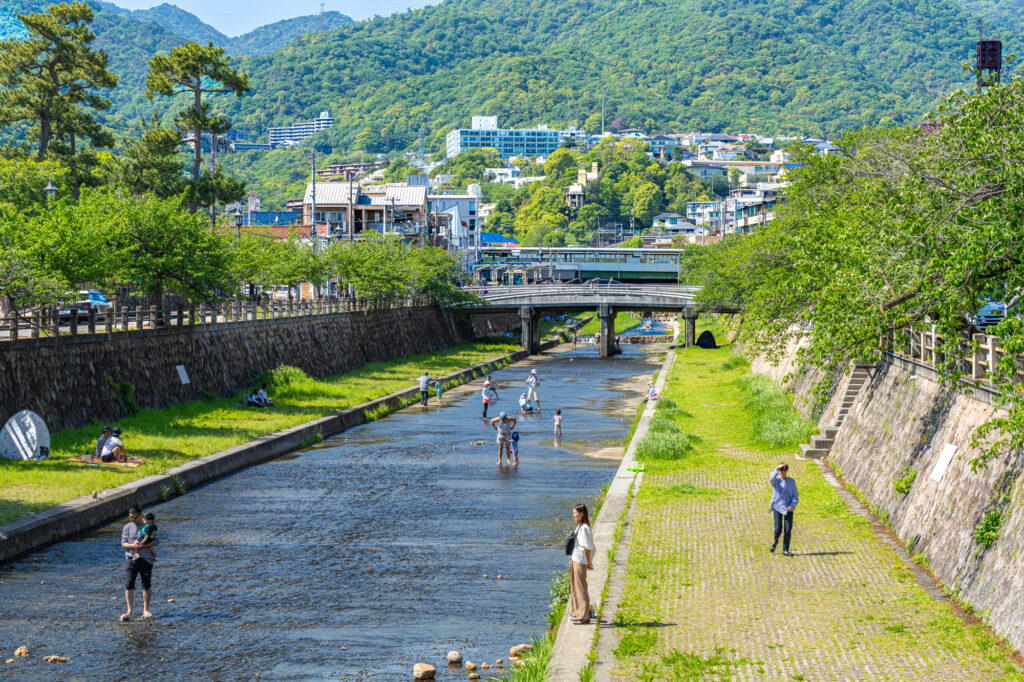
Ashiya is not a place of neon signs or bustling tourist traps. Instead, it is a city of hillside mansions, meticulously manicured greenery, and a deliberate, quiet sophistication. Geographically, it is defined by its dramatic topography: the city climbs from the shimmering shores of Osaka Bay up to the rugged, forested slopes of the Rokko Mountains. The Ashiya River acts as the city’s spine, a tranquil waterway that serves as a focal point for the community.
Unlike the chaotic energy of nearby urban hubs, Ashiya operates on a different frequency. It is a city that enforces aesthetic discipline; strict zoning laws prohibit the encroachment of unsightly neon signage, pachinko parlors, and aggressive commercial development. This self-imposed austerity has transformed the city into a bastion of "Hanshinkan Modernism," an architectural and cultural movement that blossomed in the early 20th century. For the discerning traveler, Ashiya offers a rare, unfiltered look at a side of Japan that prioritizes historical continuity and residential grace over mass tourism.
A Chronology of Elegance: The Rise of the Hanshinkan Modernism
To understand Ashiya, one must look back to the early 20th century, a transformative era for the Kansai region.
1923: The Catalyst of Change
The turning point for Ashiya occurred not within its own borders, but in Tokyo. The Great Kanto Earthquake of 1923 devastated the capital, prompting a mass exodus of the country’s industrial elite, wealthy merchants, and intellectuals. Seeking stability and a reprieve from the destruction, the "mo-bo" (modern boys) and "mo-ga" (modern girls) of the Taisho era looked toward the Hanshin region.
1924: The Architectural Milestone
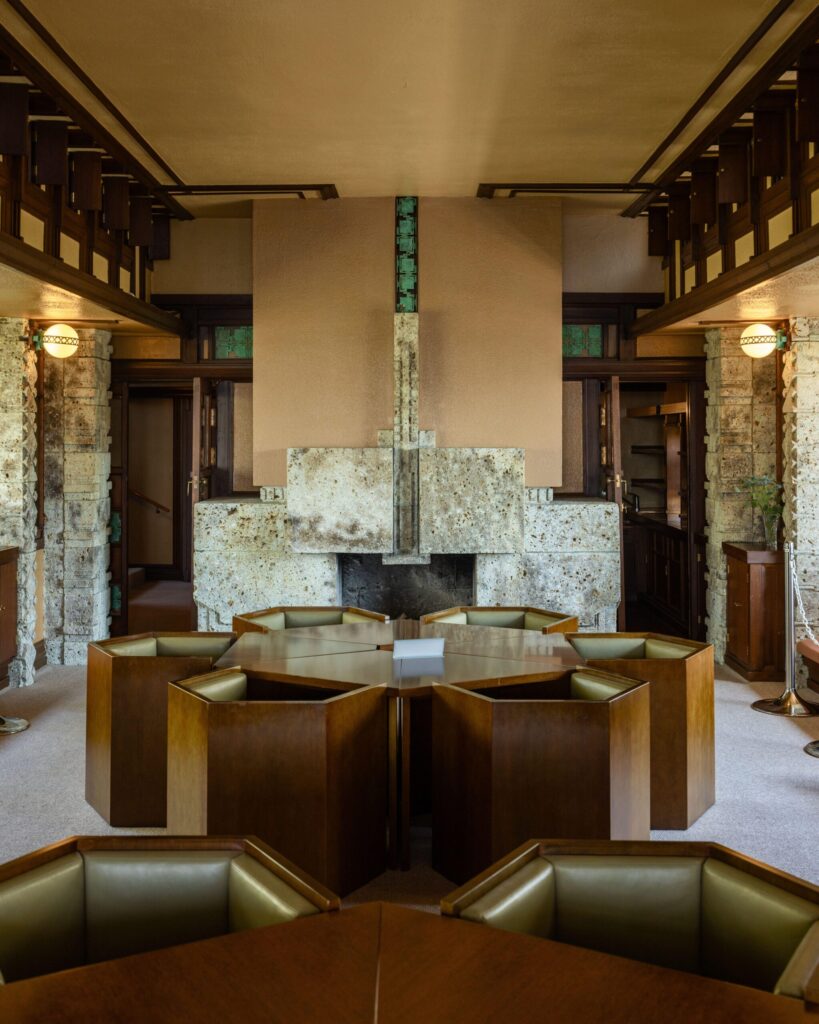
As these affluent families settled, they commissioned homes that mirrored their progressive, cosmopolitan outlook. It was during this period that Frank Lloyd Wright, the legendary American architect, was commissioned by sake magnate Yamamura Tazaemon to build a hillside villa. Completed in 1924, the Yodoko Guest House stands as a testament to this era. It remains the only extant Wright-designed residence in Japan that has retained its structural integrity, serving as a physical bridge between Western architectural principles and the natural topography of the Rokko mountains.
1928–1930s: The Formation of the Elite
By 1928, the development of the Rokurokuso neighborhood solidified Ashiya’s status. A group of visionary business leaders envisioned a district that would serve as the pinnacle of residential luxury. They implemented a restrictive covenant that endures to this day, mandating large plots, single-family dwellings, and an absolute prohibition on commercial infrastructure. This period solidified the "Hanshinkan Modernism" aesthetic, which seamlessly blended Japanese tradition with the sleek, functionalist influences of the West.
1988: Institutionalizing Memory
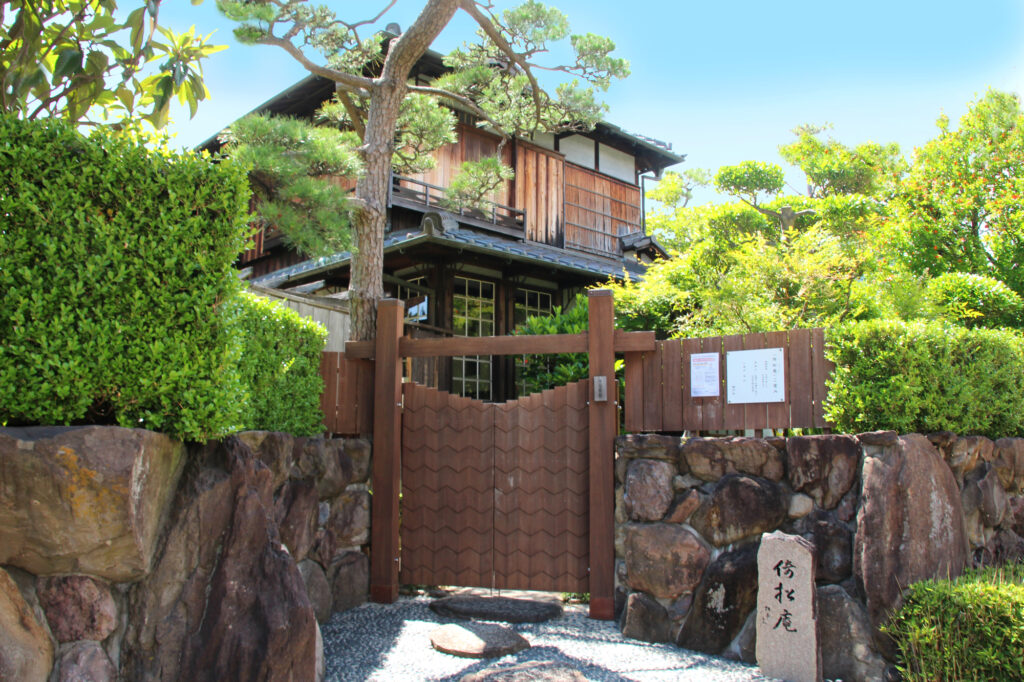
The opening of the Tanizaki Jun’ichiro Memorial Hall in 1988 served to cement the city’s literary legacy. By honoring one of Japan’s greatest writers, who found inspiration in the refined atmosphere of the region, the city ensured that its contribution to 20th-century arts would be preserved for posterity.
Supporting Data: Infrastructure and Accessibility
Despite its aura of exclusivity, Ashiya is remarkably accessible. It is connected by three major train lines, making it a viable day trip from either Osaka or Kobe.
- Transit Connectivity: JR Ashiya Station is a major hub on the Kobe Line, located approximately 10 to 12 minutes from both Osaka and Sannomiya. The station serves as a convenient gateway to the city’s residential heart.
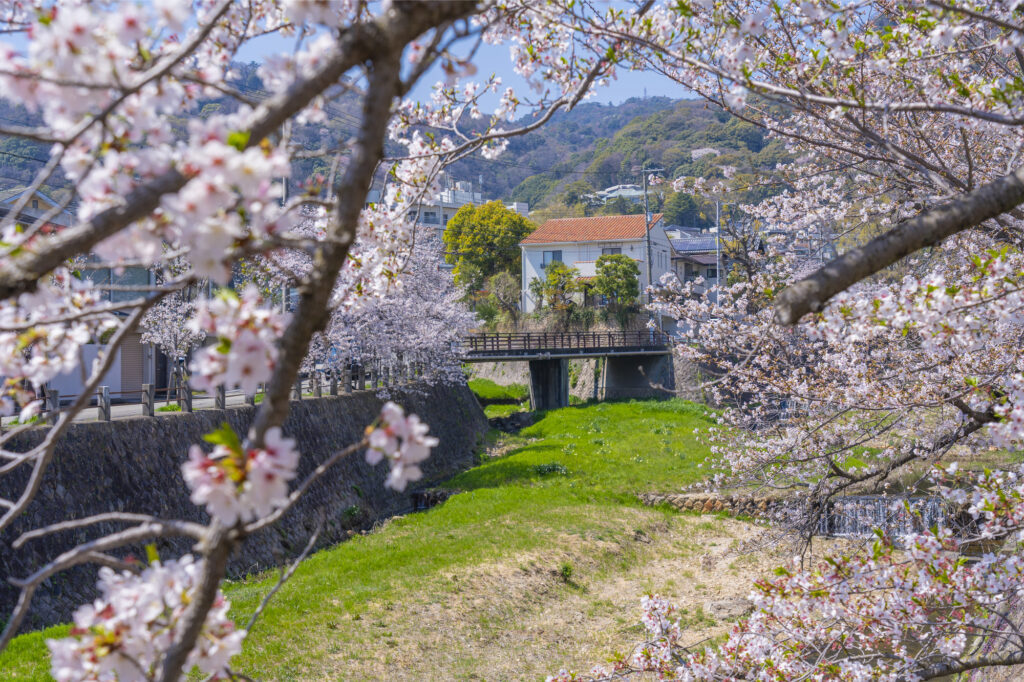
- Walkability: Because the city is geographically compact, walking is the preferred mode of transit. The Ashiya River walking path, which features over a hundred cherry trees, provides a scenic pedestrian artery that connects the mountains to the sea.
- Zoning and Aesthetics: The city’s commitment to "quietude" is reflected in its urban planning. National chains, when they do appear, often adopt muted color palettes and understated signage to comply with local design guidelines. This creates a cohesive, visually pleasing environment that is starkly different from the cluttered streetscapes found in Tokyo or Osaka.
Official Perspectives and Cultural Stewardship
The city government of Ashiya takes a proactive role in managing the city’s brand. By maintaining a strict ban on "flashy" commercial establishments, the municipality has created a unique micro-economy that caters to residents who value privacy and environmental quality.
According to municipal guidelines, the protection of cultural assets—such as the Yodoko Guest House, which is designated as an Important Cultural Property—is a top priority. The city collaborates with preservation societies to ensure that these structures are not merely static monuments, but are integrated into the city’s educational and tourism framework. This approach has prevented the "Disneyfication" of the area, ensuring that Ashiya remains a living community rather than an open-air museum.
Implications for the Modern Traveler
For the international visitor, Ashiya presents a profound alternative to the "must-see" circuit. In an age where over-tourism threatens the authenticity of Japan’s most famous cities, Ashiya remains an underrated gem.
Why It Matters
Traveling to Ashiya is an exercise in cultural immersion. It requires the visitor to slow down. One does not "conquer" Ashiya in a few hours; one experiences it by strolling the banks of the river, observing the subtle details of the architecture, and understanding the history of the families who built this enclave. It offers a glimpse into the lifestyle of Japan’s upper-middle class during a period of rapid modernization, revealing the nuance of how Western influences were internalized and adapted.
Recommendations for the Visitor
- The Yodoko Guest House: An absolute prerequisite for architecture enthusiasts. The rooftop terrace offers a panoramic view that encapsulates the city’s relationship with the sea and the mountains.
- The Tanizaki Jun’ichiro Memorial Hall: Essential for those interested in literature. The traditional sukiya-style building is as much an exhibit as the artifacts inside.
- The Rokurokuso District: While strictly residential, a walk along the public roads offers an unparalleled view of Japanese domestic architecture and the lengths to which a community will go to preserve its aesthetic environment.
- The Ashiya River Path: Best visited during the cherry blossom season, this path provides the perfect setting for a quiet morning reflection.
Conclusion: A Living Legacy
Ashiya is a reminder that there is depth to be found in the spaces between the giants of travel. It is a city that has successfully resisted the homogenizing forces of modern urban development, choosing instead to curate its identity with patience and precision. For the traveler who seeks a deeper understanding of Japan—one that moves beyond the neon and the crowds—Ashiya offers a sophisticated, quiet, and deeply historical experience. It is not just a place to pass by on a train; it is a destination that demands to be explored with the same quiet dignity with which it was built.











