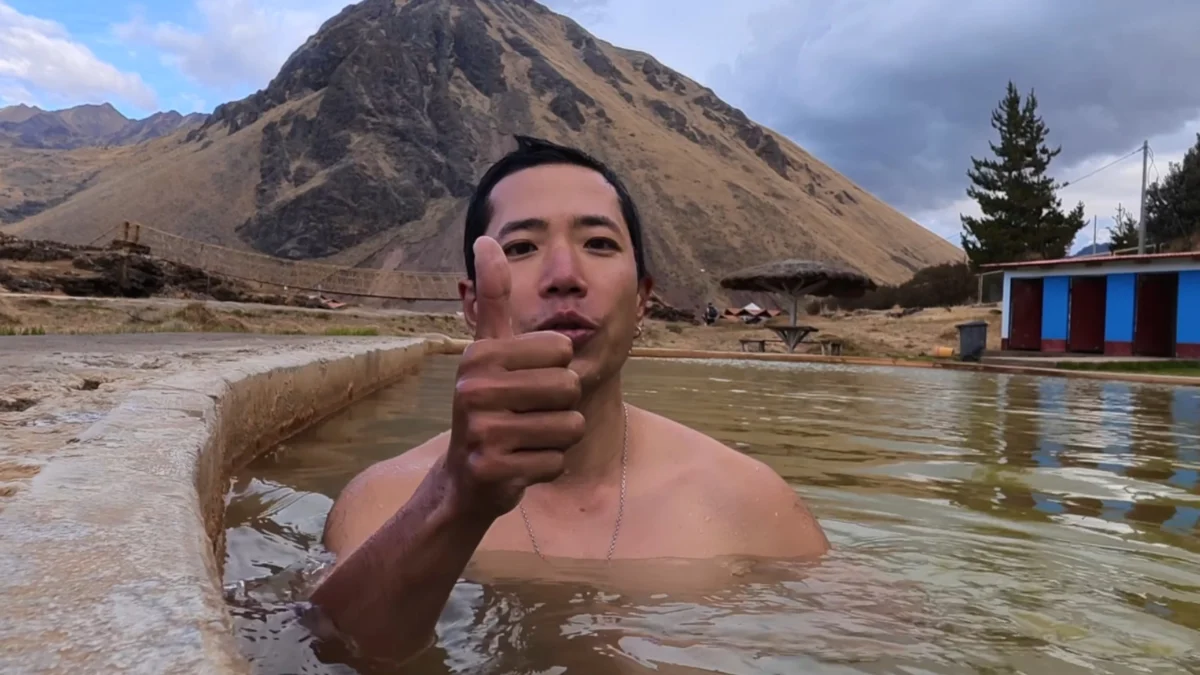
The global travel community is in mourning following the untimely death of Cho Jin-woo, the 33-year-old South Korean adventurer known to his 66,000 subscribers as "JinsTravel." Cho, who dedicated his life to documenting the world from the seat of a bicycle, was killed in a tragic collision in El Alto, Bolivia, on November 4. His death has sparked an outpouring of grief from fans across the globe, a sentiment compounded by the poignant release of his final pre-recorded video just days after his passing.
Main Facts: The Loss of an Adventurer
Cho Jin-woo was an explorer in the truest sense. Since launching his YouTube channel in 2020, he had navigated the complexities of international travel, pedaling through diverse landscapes across Europe, Africa, North America, and South America. His content was characterized by a raw, unscripted intimacy, offering viewers a window into the lives of locals and the grueling reality of long-distance bicycle touring.
On November 4, while cycling along the bustling Avenida 6 de Marzo near El Alto’s Zona Franca, Cho was struck by a large cargo truck. The impact was fatal. While initial reports circulated regarding the circumstances of the crash, authorities have confirmed that the driver of the truck, a 54-year-old man, was apprehended shortly after attempting to flee the scene. Witnesses on the ground played a critical role in the immediate aftermath, as local transport workers reportedly pursued the truck and prevented the driver from escaping before police could intervene.
The legal proceedings have begun in Bolivia, with a local judge ordering the driver to remain under house arrest pending further investigation. While the driver has reportedly claimed he did not see the cyclist, and initial police breathalyzer tests returned negative for alcohol, the investigation into the mechanics of the accident remains ongoing.
Chronology of a Final Expedition
Cho’s final journey was an ambitious trek through the heart of the Americas. After starting his trip in Mexico, he navigated the challenging terrain of Peru before crossing into Bolivia, a country he had frequently expressed excitement about visiting.
The timeline of his final days is as follows:
- Early November: Cho continued his journey through Bolivia, capturing footage for what would become his final video upload.
- November 4: The fatal collision occurred on Avenida 6 de Marzo in El Alto. Local emergency services arrived on the scene, but Cho succumbed to his injuries.
- November 7: As news of his death began to ripple through the digital world, a pre-scheduled video titled "A Healing-Filled Bicycle Journey into Bolivia, Made Possible by Chance" was published to his channel.
- Post-November 7: The family of the deceased began working in coordination with the South Korean Embassy in Bolivia to facilitate the complex process of repatriating Cho’s remains to his homeland.
The timing of the video release was accidental yet profoundly symbolic. His family, upon gaining access to his account, realized that the video had been prepared in advance. Choosing to let it go live, his brother described the upload as a "final gift" to the community that had supported Cho’s dreams for over four years.
Supporting Data and Digital Legacy
To understand the impact of Cho’s death, one must look at the community he built. With 66,000 subscribers, JinsTravel was not merely a content creator but a mentor to aspiring cyclists and a source of inspiration for those confined to their homes. His documentation of the African continent and his subsequent journey through the Americas provided a blueprint for independent travel that relied on human connection rather than luxury or convenience.
The "final gift" video has since been flooded with thousands of comments, serving as a digital memorial. Fans from South Korea, Europe, and the Americas have expressed their condolences, many noting how Cho’s calm demeanor and infectious curiosity made his videos a source of "healing" during their own difficult times.
The logistical challenge of his passing has been immense. Repatriating a body from Bolivia is a bureaucratic undertaking involving local coroners, police reports, and diplomatic intervention. The South Korean Embassy has remained the primary point of contact for the family, providing translation services and legal guidance as they navigate the Bolivian judicial system to ensure justice is served for their loved one.
Official Responses and Judicial Implications
The legal aftermath in Bolivia is being closely monitored by both the local public and international observers. In a pretrial hearing, the judge assigned to the case ruled that the 54-year-old driver would be held under house arrest. This decision has caused some frustration among the victim’s supporters, who worry that the severity of the incident warrants more stringent detention.
The El Alto authorities have been tasked with reconstructing the scene of the accident. Key questions remain: Was the cyclist in a visible lane? Was the truck driver adhering to the local speed limits for that specific industrial zone? Was there any negligence involved that transcends a simple accident?
The driver’s claim that he "did not see" the cyclist is a common defense in vehicular manslaughter cases involving large trucks, which often have significant blind spots. However, the fact that he attempted to leave the scene—an action that necessitated the intervention of bystander workers—casts a shadow over the "accidental" nature of the event. The local police department in El Alto has promised a thorough investigation, citing the importance of road safety for the international cycling community that frequently traverses the region.
Implications for Solo Travelers
The death of Cho Jin-woo has ignited a broader conversation regarding the risks associated with solo bicycle touring in developing nations. While the adventure travel industry continues to grow, infrastructure in many parts of the world—particularly in rapidly urbanizing areas like El Alto—often fails to account for non-motorized transport.
The Dangers of Urban Transit
For cyclists, major thoroughfares like Avenida 6 de Marzo represent high-risk zones. The mix of heavy cargo transport, public buses, and cyclists creates a dangerous hierarchy of the road. Safety advocates are using the tragedy to call for improved cycling infrastructure in South American cities, arguing that international travelers, who contribute to the local tourism economy, deserve safer passage.
The Ethical Burden of Content Creators
There is also a growing discussion regarding the ethical burden placed on the families of creators. When a YouTuber passes away, their digital legacy—often managed by grieving relatives—becomes a public space. Cho’s brother’s decision to publish the final video was a move of profound grace, but it highlights the unique challenges faced by the families of the "digital creator" generation. They are forced to manage a public brand and a community of thousands while simultaneously navigating the private, devastating reality of loss.
A Call for Respect
Amidst the investigation, Cho’s family has issued a plea for privacy and decency. They have explicitly asked viewers and social media users to refrain from circulating unverified footage of the crash or spreading rumors regarding the circumstances of his death. This request underscores the desire for the focus to remain on the life Cho lived—his curiosity, his kindness, and his journeys—rather than the violent manner of his death.
Conclusion: Remembering JinsTravel
Cho Jin-woo lived his life in the pursuit of horizons. He sought to bridge the gap between cultures, documenting the beauty of the world one pedal stroke at a time. His death in El Alto is a sobering reminder of the fragility of life and the inherent dangers of the paths less traveled.
As the legal investigation in Bolivia continues, the legacy of JinsTravel remains intact. He will be remembered not by the final moments of his life, but by the years of discovery he shared with his audience. His final video, a peaceful, meditative look at the Bolivian landscape, serves as a testament to his spirit: a man who found "healing" in the journey, regardless of the destination.
For those who followed him, the road ahead feels a little lonelier. Yet, as his brother noted, the best way to honor his memory is to keep exploring, to remain curious, and to hold onto the "gifts" of connection that he worked so hard to share. While the physical wheels of JinsTravel have stopped turning, the impact of his journey continues to resonate, inspiring a new generation of travelers to view the world with the same wonder and respect that defined Cho Jin-woo’s life.