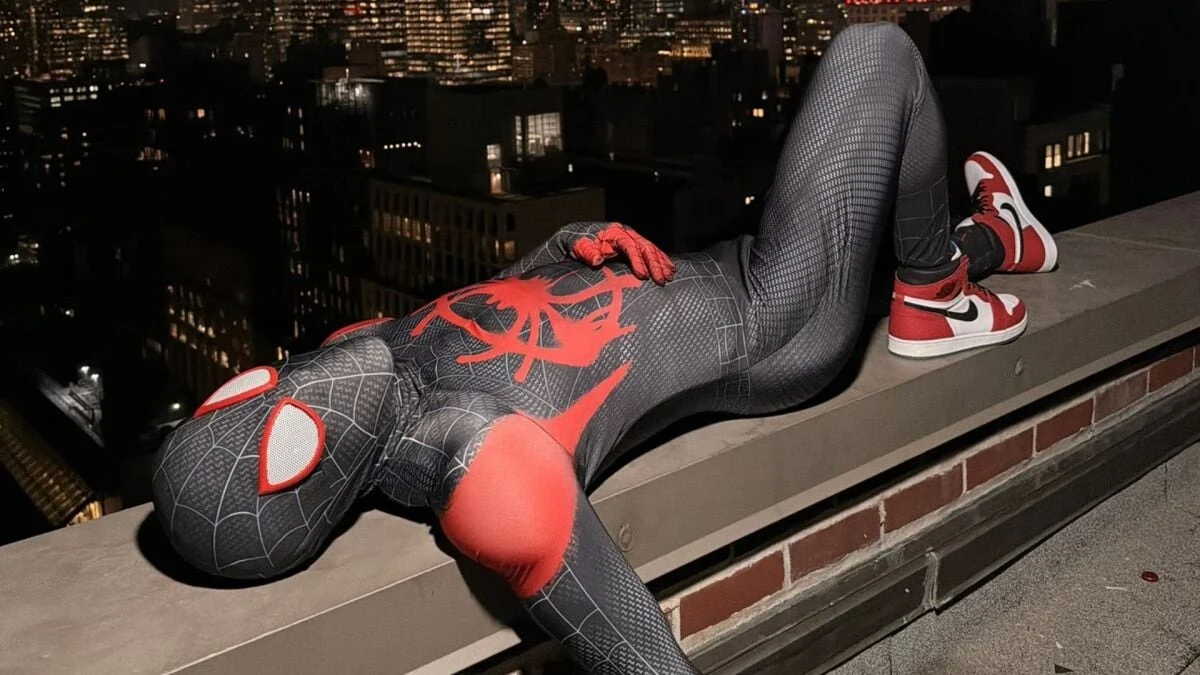
Halloween has long outgrown its humble origins as a night for children to roam suburban streets in search of confectionery. In the modern era, October 31st has morphed into a sprawling, global theater of self-expression. For the contemporary adult, the holiday is no longer about the “trick or treat” haul; it is about the "fit"—the meticulously curated, often viral-ready costume that serves as both a creative outlet and a social currency.
As 2024’s festivities reach their crescendo, the digital landscape is saturated with displays of ingenuity that blur the lines between high-fashion couture and meme-centric humor. From nostalgic nods to 2000s animation to high-concept cinematic homages, this year’s costume trends reveal a collective yearning for both escapism and shared cultural literacy.
The Evolution of the Adult Halloween Aesthetic
For decades, adult Halloween was relegated to the "sexy" or "scary" trope—a binary choice that left little room for nuance. However, the rise of short-form video platforms and global connectivity has shifted the paradigm. Today, the most lauded costumes are those that reward the "if you know, you know" crowd.
Whether it is an intricate recreation of a cult-classic cartoon character or a hyper-realistic portrayal of a pop-culture icon, the modern Halloween costume is an exercise in niche expertise. This shift has turned the holiday into a competitive sport where the objective is to capture the ephemeral attention of a global audience.
Chronology of a Trend: From Concept to Viral Sensation
The trajectory of a successful Halloween costume now follows a predictable, albeit high-pressure, timeline:
- Late August to Early September: The ideation phase. As the weather begins to shift, creators begin sourcing materials. This is when the "pre-game" begins on platforms like TikTok and Pinterest, with searches for "DIY costume hacks" surging by nearly 40% year-over-year.
- Early to Mid-October: The build phase. Social media feeds become dominated by "Get Ready With Me" (GRWM) style content, where influencers and casual enthusiasts alike document the construction of complex prosthetics or the assembly of intricate vintage outfits.
- Halloween Week: The saturation point. This is when the finished products are unveiled. The social media algorithm prioritizes high-engagement content, turning localized party looks into global viral moments within hours.
- November 1st and Beyond: The analysis. Post-Halloween, the conversation shifts to ranking the "best of" lists, ensuring that the most creative participants receive long-tail exposure.
Supporting Data: The Economic and Cultural Impact
The Halloween industry is a behemoth, with the National Retail Federation (NRF) estimating that total spending in the U.S. alone often eclipses $12 billion annually. While a significant portion of this is directed toward candy and decorations, the costume sector remains the primary engine of growth.
- The "Nostalgia Economy": Data suggests that millennials and Gen Z are increasingly choosing costumes rooted in their formative years. Shows like Total Drama Island or references to classic children’s television programming are not just aesthetic choices; they are signals of generational identity.
- The Rise of the Streamer-Influencer: This year, the influence of digital creators on Halloween fashion cannot be overstated. When major streamers go "all out" on their costumes, they set a new standard for production value. The blurring of lines between a costume party and a professional-grade set design has forced everyday participants to elevate their own game.
- Sustainability Trends: An emerging data point in 2024 is the rise of the "thrifted costume." With an increasing awareness of the environmental impact of "fast-fashion" costumes, more consumers are opting for upcycled materials. This shift is not just ethical; it is a creative challenge that often results in more unique, bespoke looks.
Official Responses and Cultural Criticism
While the general public embraces the fun, cultural critics have weighed in on the "professionalization" of Halloween.
"We are seeing a move away from the ‘low-effort’ mask and toward the ‘high-effort’ character study," says Dr. Elena Vance, a sociologist specializing in digital culture. "There is a performance pressure now. When you post your costume to an audience of thousands—or millions—you aren’t just dressing up for your friends. You are participating in a global pageant of relevance."
Conversely, retailers have reported that this year’s supply chain challenges forced a return to ingenuity. With mass-produced costumes facing shipping delays and quality issues, the market saw a record number of DIY kits sold. This "official" pivot toward customization has been welcomed by those who feared the homogenization of Halloween fashion.
Case Studies: The Archetypes of 2024
To understand the current state of the holiday, one must look at the specific archetypes that dominated the conversation this year:
The Nostalgic Throwback
References to early 2000s animation continue to dominate. These costumes act as a bridge between childhood innocence and adult irony. By dressing as characters from shows that defined a generation, creators are able to trigger a dopamine hit of collective nostalgia in their viewers.
The Cinematic Homage
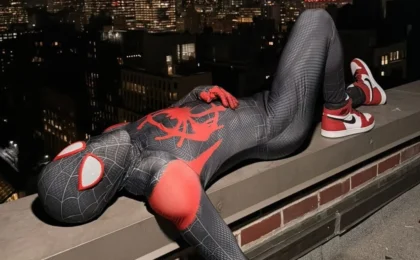
Whether it’s a tribute to the legendary Willem Dafoe or a recreation of a complex, iconic film character, these costumes demonstrate a mastery of craft. This is where theater-grade makeup, custom-dyed fabrics, and 3D-printed accessories converge. The goal here is not just to look like the character, but to inhabit the essence of the performance.
The "Silver Surfer" Effect
Large-scale, monochromatic, or highly metallic costumes have seen a resurgence. These require significant physical stamina and high-quality materials, often serving as a test of the wearer’s commitment to the bit. The "Silver Surfer" aesthetic, characterized by head-to-toe metallic paint or specialized bodysuits, is a testament to the lengths people will go for the perfect photo opportunity.
Implications for the Future of the Holiday
What does this obsession with perfection mean for the future of Halloween? As we move toward 2025 and beyond, we can expect several key developments:
- Technological Integration: Expect to see more LED-integrated costumes and perhaps even the use of Augmented Reality (AR) filters that complement physical costumes, allowing wearers to "animate" their look on social media.
- The Shift Toward Interactive Storytelling: It is no longer enough to wear a costume. Participants are increasingly expected to "act" in character for short-form video clips. The costume is now just one element of a larger content piece.
- Community-Driven Competitions: We are likely to see more formalized, community-led digital competitions that move beyond the local party scene, allowing for global crowdsourcing of the "best costume of the year."
Conclusion
Halloween in the modern era is a complex, multifaceted event. It is a collision of nostalgia, economic activity, social performance, and artistic endeavor. While the core of the holiday remains the same—a night to step outside of one’s daily identity—the medium through which we do so has evolved into something far more sophisticated.
Whether you are spending your evening in a quiet, traditional gathering or engaging in the high-stakes world of digital costume showcasing, the message is clear: Halloween is no longer a day; it is a season of creativity. As we pack away the wigs, the masks, and the intricate accessories, we aren’t just putting away a costume. We are closing the book on another chapter of pop-culture history, eagerly awaiting to see how the next year’s collective imagination will challenge the boundaries of what is possible.
In a world that is often gray, Halloween remains our most vibrant, absurd, and necessary canvas. It is a reminder that, no matter how old we get, there is always value in the magic of a well-executed disguise.