Nila Kartika Wati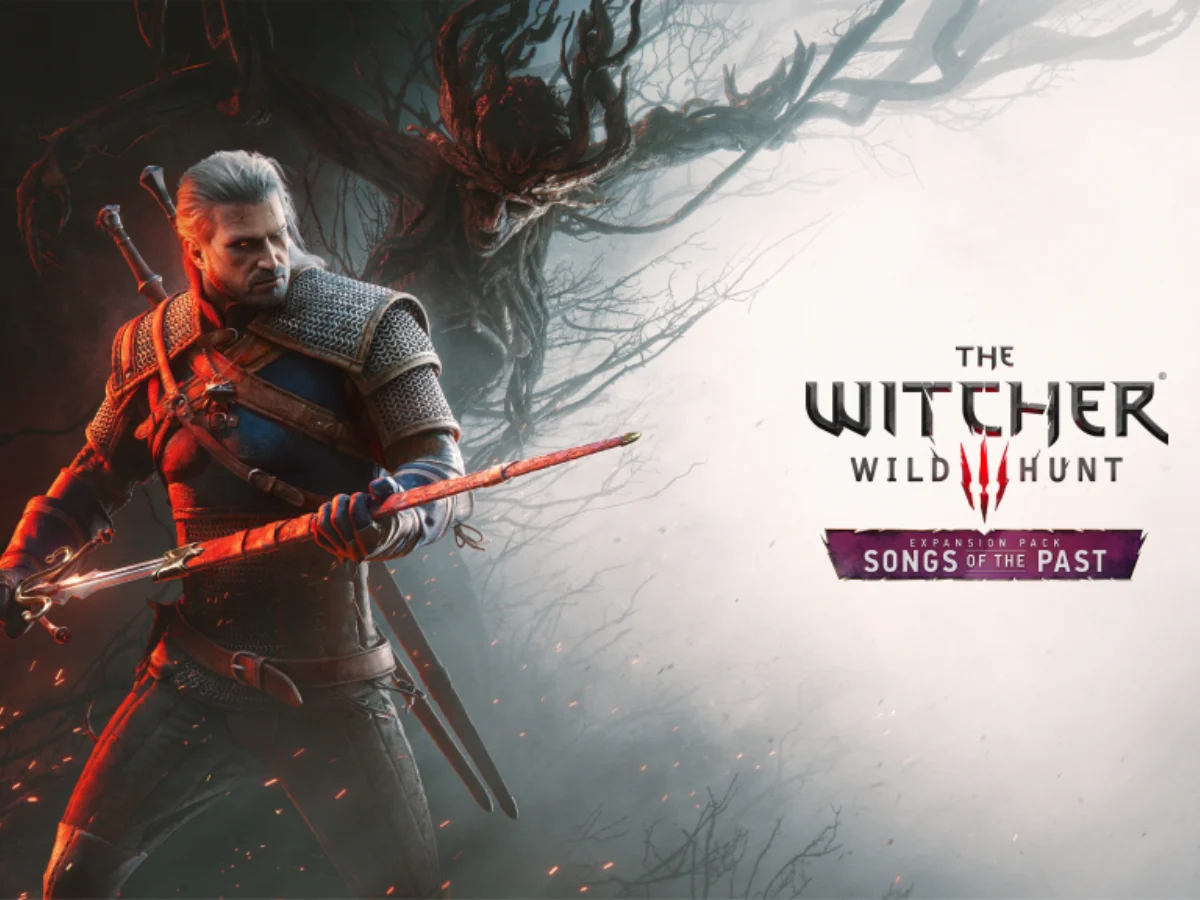
Twelve years after the initial release of The Witcher 3: Wild Hunt—a title that redefined the landscape of open-world role-playing games—CD Projekt Red has surprised the gaming community with a landmark announcement. In an era where many developers have moved on to sequels and live-service models, the Polish studio is turning back to its most celebrated masterpiece. The newly announced expansion, titled Songs of the Past, promises to invite players to rejoin Geralt of Rivia for one final, canonical adventure.
The Resurrection of a Modern Classic: Main Facts
The official confirmation arrived on May 27, 2026, via the official Witcher social media channels. The announcement confirms that Songs of the Past is not merely a small patch or a collection of minor quests, but a full-scale expansion, arriving over a decade after the release of the critically acclaimed Blood and Wine in 2016.
The project is a collaborative effort, with CD Projekt Red partnering with Fools Theory. This studio, comprised of many industry veterans who previously contributed to the Witcher franchise, recently garnered acclaim for their work on The Thaumaturge. The expansion is slated for a 2027 release across PC, Xbox Series X|S, and PlayStation 5, effectively ending the decade-long dormancy of substantive Witcher 3 content.
A Legacy of Excellence: Chronology of the Witcher 3
To understand the significance of this announcement, one must look back at the historical trajectory of The Witcher 3: Wild Hunt.
- May 2015: The Witcher 3: Wild Hunt launches to universal acclaim, setting a new benchmark for narrative-driven RPGs.
- October 2015: The first major expansion, Hearts of Stone, is released, praised for its tight, emotionally resonant narrative.
- May 2016: Blood and Wine is released, serving as a sweeping, beautiful, and definitive conclusion to Geralt’s arc, adding an entirely new region, Toussaint.
- 2016–2025: The game undergoes various updates, including a significant "Next-Gen" graphical overhaul in 2022, but no major narrative content is added.
- May 2026: Songs of the Past is officially announced, marking a major return to the game’s original engine and ecosystem.
The gap of eleven years between Blood and Wine and Songs of the Past represents an unprecedented move in the industry. Most developers shift focus to new projects entirely; however, CD Projekt Red’s commitment to its legacy titles continues to solidify its reputation as a studio that prioritizes long-term fan engagement over ephemeral trends.
The Bridge to the Future: Narrative Implications
The title Songs of the Past has ignited a firestorm of speculation regarding the game’s narrative direction. As CD Projekt Red is currently in the development phase for the next mainline installment—tentatively referred to as The Witcher 4—the timing of this DLC is unlikely to be coincidental.
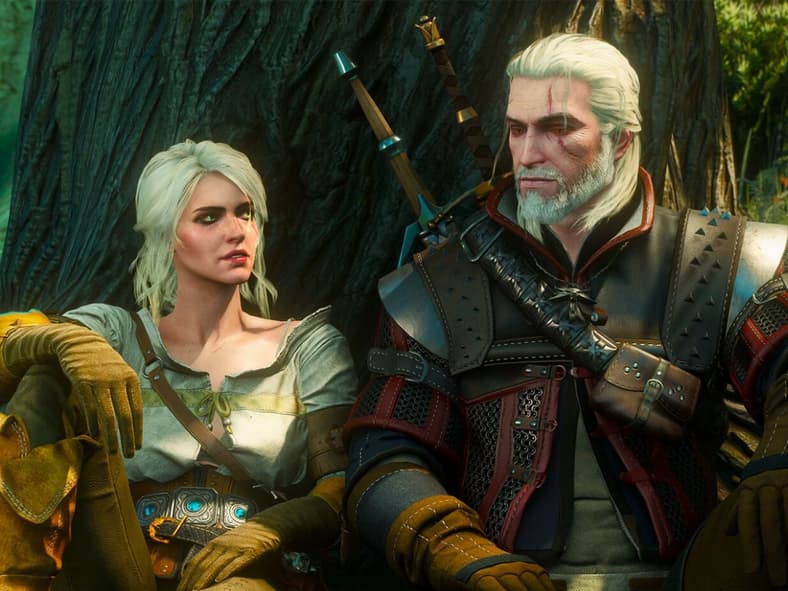
The upcoming sequel is expected to shift the focus away from Geralt of Rivia, with industry reports and statements from the studio indicating a stronger emphasis on Ciri’s journey. Songs of the Past may function as a narrative bridge, providing context for the world-state that players will inherit in the next game. By revisiting the "Path" with Geralt, the studio may be looking to tie up loose ends or provide closure for characters whose arcs were left ambiguous in the base game.
Whether the expansion acts as a prequel, a mid-game side story, or a post-game epilogue remains to be seen. However, the involvement of Fools Theory suggests a deep reverence for the established lore. The studio’s familiarity with the Witcher DNA ensures that the "soul" of the game—its moral ambiguity, dark humor, and tactical combat—will remain intact.
Technical Evolution: The Cost of Progress
With the announcement of Songs of the Past, CD Projekt Red has also issued a necessary warning regarding system requirements. To accommodate the technical advancements and the sheer scale of the new content, the studio is mandating an upgrade for PC users.
The most notable change is the move away from support for older operating systems. The studio has clarified that, starting with this update, Windows 11 will be required for optimal performance and security compatibility. While this may be an inconvenience for some, it reflects the studio’s desire to maintain the high graphical and mechanical standards that modern audiences expect from a title that has been kept "alive" for twelve years.
This update cycle is indicative of the "live-support" model that CD Projekt Red has adopted for its premier IPs. By refusing to let The Witcher 3 succumb to technical obsolescence, the studio is setting a standard for how "evergreen" titles should be managed in an industry that often favors rapid turnover.
The Role of Fools Theory
The collaboration with Fools Theory is a strategic masterstroke. By outsourcing the development to a team that includes former Witcher developers, CD Projekt Red is ensuring that Songs of the Past maintains the high-quality writing and world-building that the franchise is famous for. Fools Theory has already proven their capability with The Thaumaturge, a game that shares the dark, atmospheric, and character-focused sensibilities of the Witcher series.
This partnership allows the core team at CD Projekt Red to focus their primary resources on the development of the next generation of Witcher and Cyberpunk titles, while ensuring that the fans of The Witcher 3 are not left in the cold.
Community Reaction and Future Outlook
The reception from the player base has been overwhelmingly positive. Social media platforms, particularly X (formerly Twitter), have been flooded with excitement, with many fans noting that the "medallion is humming" once more—a reference to the iconic sound effect that signals the presence of a monster.
However, the announcement also brings a degree of melancholy. For many, The Witcher 3 was the defining game of the mid-2010s. The prospect of one final journey with Geralt of Rivia feels like a farewell tour. As the franchise prepares to transition to a new era with new protagonists, Songs of the Past serves as a final, loving tribute to the character who carried the franchise to global prominence.
What Lies Ahead
While details remain scarce, CD Projekt Red has promised to reveal more information in the late summer of 2026. This window will likely provide trailers, a deeper look at the mechanics, and perhaps a clearer understanding of how this expansion fits into the broader Witcher timeline.
For now, the gaming world is left to ponder the "Songs of the Past." Are we returning to the war-torn lands of Velen? Will we see the return of Yennefer, Triss, or Dandelion? The mystery is part of the appeal.
As we look toward 2027, one thing is certain: The Witcher 3: Wild Hunt is not ready to retire just yet. Through this expansion, CD Projekt Red is proving that a truly great game is never truly finished; it simply evolves alongside its audience. Whether you are a veteran of the Kaer Morhen training grounds or a newcomer enticed by the enduring legacy of the White Wolf, the Path is open once more. And this time, it promises to be a journey that will be remembered for years to come.
Stay tuned for further updates as we continue to track the development of Songs of the Past. As the studio has emphasized, the goal is not just to provide new content, but to ensure that the experience remains worthy of the Witcher name—a name that, after all this time, remains synonymous with the pinnacle of interactive storytelling.

 Sagoh
Sagoh
 Ammar Sabilarrohman