

By Greg Mysogland
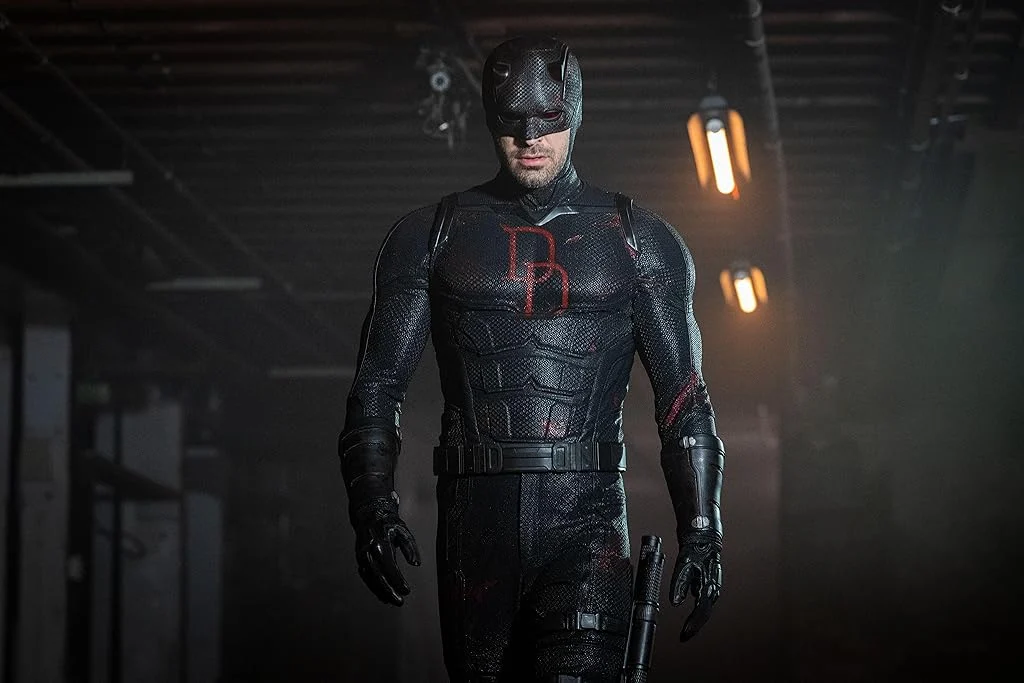
The landscape of modern television has been irrevocably altered by the shift toward binge-style releases, a trend that many critics argue has eroded the communal experience of serialized storytelling. While the traditional weekly release model fosters a vital environment for fan speculation and narrative digestion, the flexibility of streaming platforms offers unique advantages in specific narrative arcs. The strategic double-header release for the second week of Daredevil: Born Again Season 2 serves as a definitive case study in how back-to-back installments can bolster viewer engagement and narrative momentum.
Coming on the heels of a singular premiere, the decision to drop episodes two and three simultaneously is, in all likelihood, a logistical maneuver by Disney. With the studio aiming to clear the slate for the Punisher: One Last Kill special and the theatrical debut of The Mandalorian and Grogu, the accelerated schedule serves a dual purpose. However, narratively, the choice pays off: while the second episode acts as a deliberate, character-driven bridge, the third delivers a high-octane payoff that would feel disjointed if separated by a seven-day gap.

Main Facts: A City Under Siege
The central conflict of the season remains the volatile intersection of Wilson Fisk’s corrupt mayoral administration and the burgeoning resistance led by Matt Murdock, Karen Page, and their allies. As the AVTF (Anti-Vigilante Task Force) escalates its unconstitutional activities, the legal infrastructure of New York City continues to crumble.
The primary narrative thread involves the “Red Hook” facility, a site of international arms smuggling that serves as the bedrock of Fisk’s power. Episode two, “Shoot the Moon,” focuses on the psychological fallout of the premiere’s dramatic events, primarily through the lens of legal maneuvering surrounding the trial of Jack Duquesne. Episode three, “The Scales & The Sword,” shifts the tone toward kinetic action, culminating in a daring infiltration of the Red Hook facility. By the end of this two-episode block, the status quo has been shattered, with Fisk’s paranoia driving him toward increasingly self-destructive tactical errors.
Chronology of the Conflict
The arc of these two episodes traces a clear line of escalation. In “Shoot the Moon,” the narrative explores the aftermath of Cherry’s hospitalization and the growing momentum of the anti-Fisk “City Without Fear” movement. The episode highlights the fraying nerves within Fisk’s inner circle.
- The Political Pressure: Karen Page anonymously alerts Governor Marge McCaffrey (Lili Taylor) to the illegal freeport status of Red Hook. McCaffrey’s subsequent confrontation with Fisk serves as a rare moment of genuine institutional challenge, as she threatens to rescind the port’s charter.
- The Internal Dissent: Within the Mayor’s office, Daniel begins to suspect that his colleague, BB, is the source of the leaks fueling the resistance. Despite his loyalty to his lifestyle, Daniel’s resolve is beginning to fracture, replaced by a survivalist instinct to scapegoat others, specifically Buck Cashman.
- The Show Trial: Episode three opens with the farce of Jack Duquesne’s trial. It is a bleak, truncated affair that underscores the total lack of justice in Fisk’s New York.
- The Infiltration: Matt Murdock, operating as Daredevil, infiltrates Red Hook. He initially seeks evidence but pivots to a heroic rescue of Jack and the other prisoners. This sequence serves as the season’s centerpiece, featuring a masterful “one-shot” style action sequence that pays homage to the series’ roots while pushing the choreography into new, acrobatic territory.
Supporting Data: The Anatomy of a Villain
The strength of Born Again remains the characterization of Wilson Fisk. While D’Onofrio’s performance continues to capture the sympathetic human qualities of the Kingpin, the writers are increasingly leaning into his monstrosity. His refusal to acknowledge the potential for his own downfall—and his callous disregard for the human cost of his empire—positions him as a tragic, if volatile, figure.
The technical execution of the Red Hook sequence is a highlight. Unlike the Netflix-era “oners,” which focused on pure exhaustion and physical toll, Born Again uses a mix of practical stunts and tasteful, seamless CGI. This allows for a more expansive, “comic-book-accurate” range of motion for Daredevil, while maintaining the stakes of the scene. The inclusion of Dalton’s character, Jack, using makeshift swords during the escape provides a grounded, brutal reality to the fight that balances the more heightened superhero elements.
Official Responses and Internal Tensions
The internal political machinations within the Mayor’s office provide a compelling counterpoint to the street-level violence. Buck Cashman, who lacks the religious devotion of the Netflix series’ James Wesley, appears to be a man waiting for an exit strategy. His reluctance to embrace the more sadistic aspects of his position suggests that he may be the first domino to fall in Fisk’s cabinet.

Conversely, the mystery of Dex (Bullseye) continues to loom. His appearance at the church, seeking a confession from the absent Sister Maggie, confirms that his motivations remain untethered from traditional logic. By utilizing him as a haunting, unpredictable force rather than a standard henchman, the writers are keeping the tension high. His fixation on Matt as a distorted role model adds a layer of psychological complexity that prevents the character from devolving into a mere caricature of madness.
Implications: The High Cost of Victory
The conclusion of these episodes brings a dark, sobering reality: the “good guys” are winning, but the victory is pyrrhic. Fisk’s decision to blow up the Northern Star—and the workers forced to labor there—as a reaction to the prison break demonstrates a critical shift in his leadership style.
This act of desperation, while tactically intended to frame Daredevil, suggests that Fisk is losing his grip on the narrative. The public perception, influenced by the “City Without Fear” campaign, is increasingly resistant to the Mayor’s misinformation. However, the tragedy of the explosion forces Matt and Karen into a moral quandary.

The series is currently navigating a difficult tightrope between the standard tropes of the superhero genre and the weight of its real-world political parallels. The question of whether extreme force is justified against a dictatorial regime is a recurring theme that creates friction between Matt’s rigid, Foggy-inspired moral code and the practical realities of a city under fascist rule. While Matt’s refusal to kill remains central to his character, the show is subtly implying that his uncompromising stance may be an obstacle in a landscape where the stakes are life and death.
As we look toward the remainder of the season, the central conflict is no longer just about defeating Fisk, but about how the resistance maintains its humanity in the face of such unrelenting brutality. The “devil’s army” may be on the retreat, but the cost of that retreat is etched in the ruins of the Northern Star. The audience is left with a clear message: the war is far from over, and the path to victory will likely require sacrifices that threaten the very ideals our heroes are fighting to protect.










No comments yet. Be the first to join the conversation!