

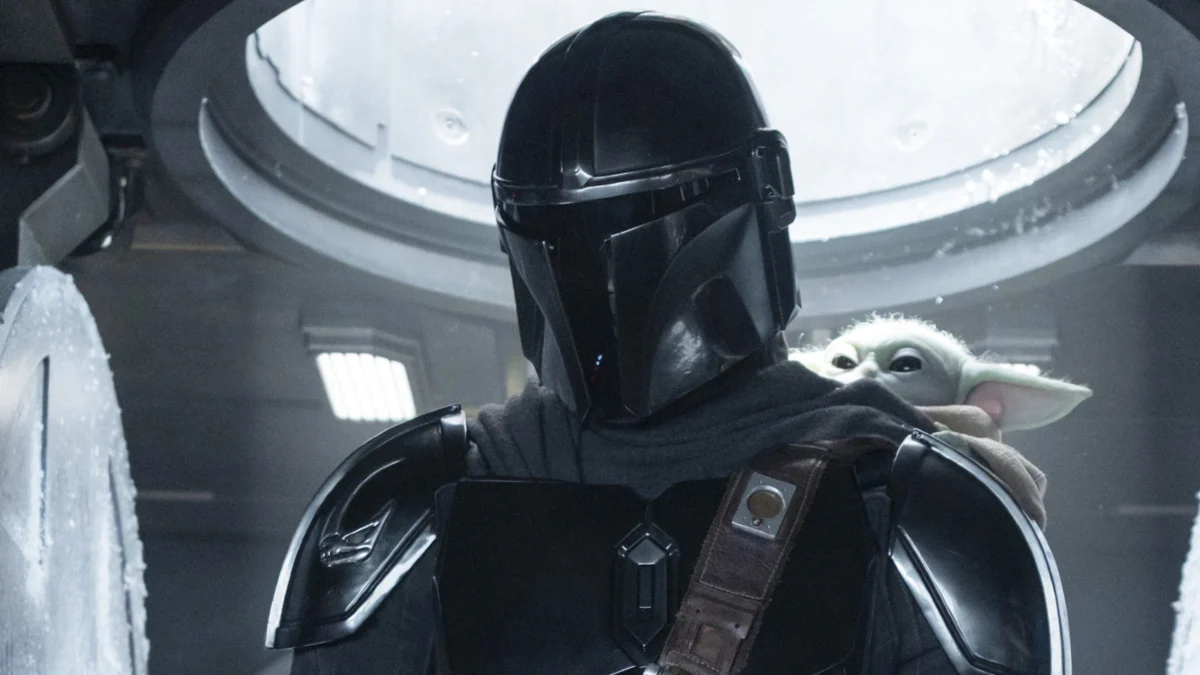
After a nearly seven-year hiatus from the silver screen, the Star Wars franchise has finally returned to theaters with The Mandalorian & Grogu. As the first feature-length project since the conclusion of the Skywalker Saga, the film carries the immense weight of Lucasfilm’s expectations to usher in a new era for the space opera. However, as the first wave of critical reactions emerges, it is clear that the transition from small-screen phenomenon to theatrical blockbuster is proving to be a polarizing journey.
The State of the Galaxy: Main Facts and Premise
The Mandalorian & Grogu arrives not as a direct, serialized continuation of The Mandalorian Season 4, but as a standalone cinematic event. Directed by Jon Favreau, the film shifts the focus away from the overarching political machinations of the series, instead opting for a narrative that introduces new threats, exotic locales, and a series of cameos that span the breadth of the Star Wars canon.
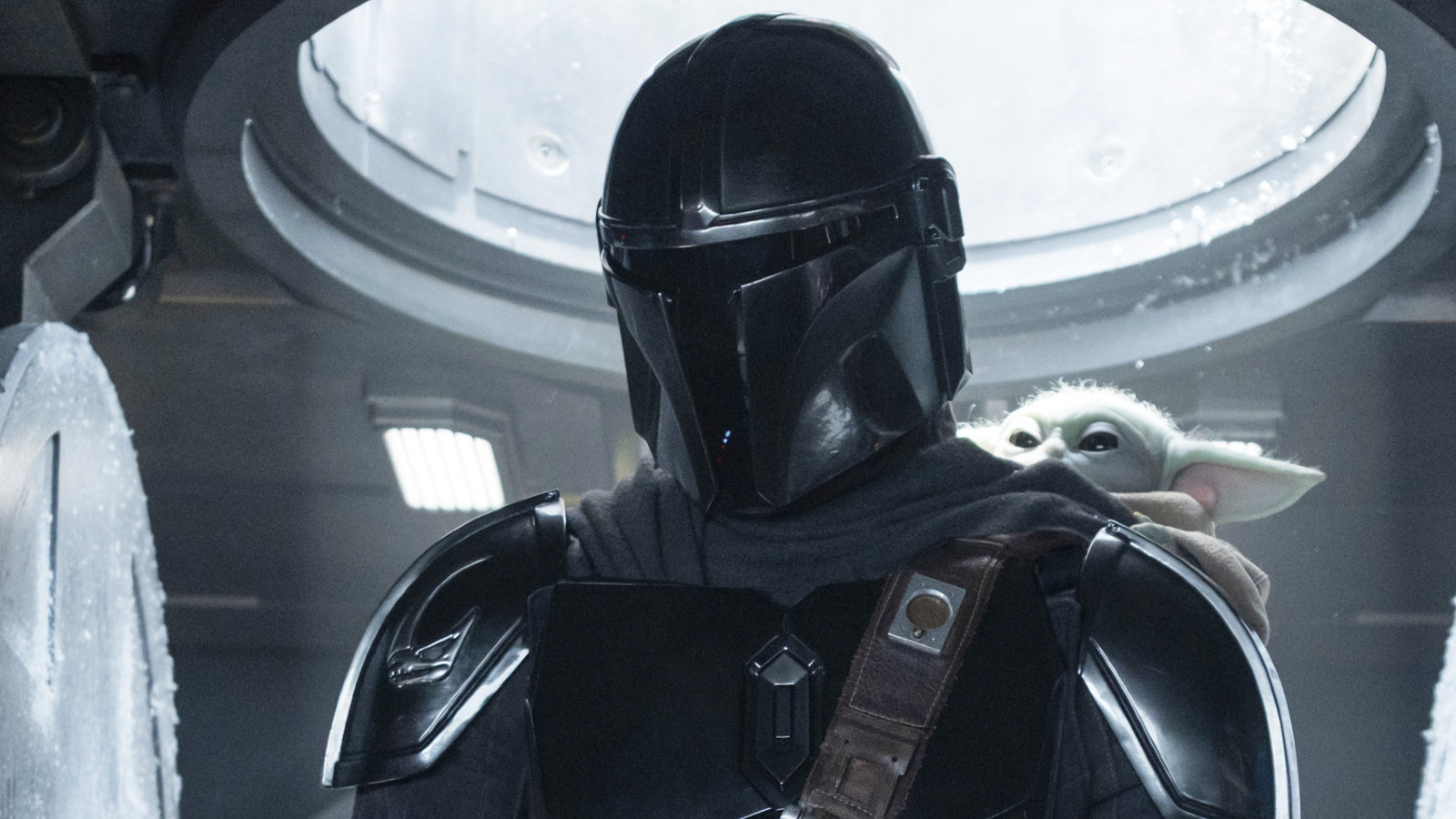
Audiences can expect to see an expanded scope, including gladiator-style battles featuring the Hutts and the inclusion of fan-favorite characters such as Garazeb "Zeb" Orrelios from Star Wars Rebels. The film centers on the familiar dynamic between the masked bounty hunter Din Djarin (Pedro Pascal) and his ward, Grogu, as they face off against the remnants of the Galactic Empire. Despite the cinematic polish, the core of the film remains deeply rooted in the aesthetic and pacing that defined the Disney+ series.
A Chronological Shift: From Streaming to Cinema
The journey to this theatrical release has been anything but conventional. Following the massive success of the Disney+ series, which effectively kept the Star Wars brand afloat during the hiatus of theatrical films, Lucasfilm made the bold decision to pivot their primary narrative engine to the multiplex.
- 2019: The Mandalorian premieres, becoming a cultural touchstone and revitalizing the franchise’s public image.
- 2023–2024: Rumors circulate regarding the future of the series, with speculation mounting about a potential fourth season.
- 2025: Lucasfilm confirms that the next chapter in the story will be a feature film, The Mandalorian & Grogu, dismissing rumors of a direct Season 4 television continuation.
- May 2026: The film begins its initial press screenings, triggering the current divide in critical reception ahead of its global release.
This shift represents a significant gamble for the studio. By bypassing a traditional television season, Lucasfilm has attempted to prove that the characters can command the box office. Whether this move was a strategic triumph or a dilution of the episodic format is currently the subject of intense debate among industry insiders.
Supporting Data: The Anatomy of a Critique
The critical response to The Mandalorian & Grogu has been starkly binary. For every glowing review that praises the film’s "heart," there is an equally biting critique regarding its lack of stakes and narrative necessity.
The "Extended Episode" Argument
A prevailing sentiment among detractors, including io9’s Germain Lussier, is that the film fails to justify its theatrical status. Lussier noted that the experience felt like "a longer, bigger episode" of the show, which ultimately left him frustrated. This sentiment is echoed by Jonathan Sim, who labeled the film an "emotionless, predictable experience."
The "Summer Blockbuster" Perspective
Conversely, proponents of the film, such as freelance critic Courtney Howard and Collider’s Perri Nemiroff, have praised its technical execution. Howard described the film as a "perfect summer movie," emphasizing its humor and action. Nemiroff similarly highlighted the project’s "creativity," suggesting that for those seeking a traditional, fun-filled Star Wars experience, the film delivers exactly what is promised.
The friction between these two camps suggests a fundamental disagreement over what a Star Wars film should be in the current media landscape. Is it an intimate, character-driven journey, or must it fundamentally alter the status quo of the galaxy to earn its place on the big screen?
Official Responses and Creative Vision
Lucasfilm has maintained a relatively guarded stance regarding the specific plot mechanics of the film, preferring to let the spectacle speak for itself. Jon Favreau, the architect of the Mando-verse, has consistently stated that his goal was to create a "cinematic event" that remains accessible to those who have not seen every episode of the various animated spin-offs.
However, the creative choice to focus on a standalone side-quest—a decision some critics have compared to the "worst shonen anime tropes"—has raised eyebrows. By telling a story that does not fundamentally affect the wider galaxy or the established narrative trajectory of the Disney+ series, the film risks being viewed as "inconsequential." As /Film’s Bill Bria aptly noted, the film feels "terminally dull & offensively inoffensive," arguing that it wastes the potential of the medium by playing it too safe.
Implications for the Future of the Franchise
The implications of this reception are significant for the future of the Star Wars brand. If The Mandalorian & Grogu fails to resonate with general audiences—or if it is perceived as nothing more than a "made-for-TV movie"—it could force Lucasfilm to re-evaluate its strategy regarding future big-screen projects.
1. The Death of the "Streaming-to-Film" Pipeline
If this film underperforms, it may signal that audiences are tired of the "extended episode" format. Studios often attempt to leverage the established fanbases of streaming series to bolster box office numbers, but if the content does not feel "theatrical" in scope and ambition, the audience may choose to stay home.
2. The Burden of Canon
The film’s reliance on deep-cut references, such as the inclusion of the Anzellans and Zeb, serves as a double-edged sword. While these elements delight long-term fans, they risk alienating casual viewers. The challenge for Star Wars moving forward will be balancing the need for deep-lore connectivity with the necessity of telling a story that can stand on its own merits for a general audience.
3. The "Baby Yoda" Factor
It is worth noting that even the harshest critics agree on one point: Grogu remains the franchise’s most effective asset. The character’s enduring appeal is the glue holding this project together. Regardless of the film’s narrative failings, the marketing power of the child ensures that The Mandalorian & Grogu will likely be a financial success, even if it fails to win the hearts of the critics.
Conclusion: A Test of Brand Loyalty
As we look toward the wide release on May 22, 2026, the question is not whether the film will be profitable—it almost certainly will be—but whether it will restore the luster to the Star Wars cinematic brand.
For many, The Mandalorian & Grogu represents a crossroads. If it succeeds in bridging the gap between niche fandom and mainstream appeal, it will set a blueprint for future Star Wars films. If it falters, it may serve as a stark reminder that some stories are better suited for the intimacy of a television screen than the vastness of an IMAX theater. The fans, as always, will have the final word.









No comments yet. Be the first to join the conversation!