

From the bustling, neon-lit streets of downtown Nagoya to the serene, salt-kissed pottery trails of Tokoname, the Aichi Prefecture offers a sensory experience that is as diverse as it is delicious. For the modern traveler, the proximity of these two distinct hubs—connected by a swift 30-to-40-minute train ride—presents a unique opportunity to bridge the gap between urban culinary innovation and the rustic, traditional flavors of coastal Japan.
Main Facts: The Gastronomic Identity of Aichi
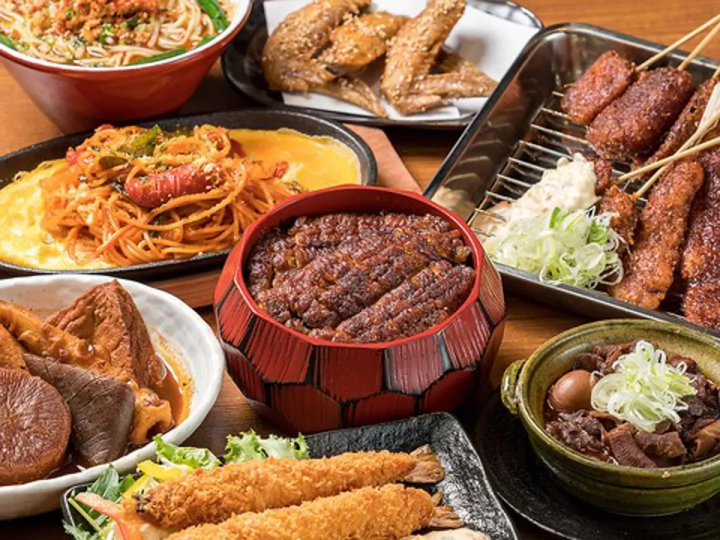
The culinary identity of Nagoya and its satellite city, Tokoname, is built on centuries of trade and local craftsmanship. Nagoya is the beating heart of "Nagoya Meshi," a robust, umami-rich cuisine defined by hatcho miso (a dark, fermented soybean paste), savory dashi, and the prestigious Nagoya Cochin chicken.
In contrast, Tokoname serves as the gateway to the Chita Peninsula. As a historic center for pottery—specifically the famous Tokoname-yaki—the town’s food culture is deeply intertwined with its artistic heritage. Here, the palate is treated to the freshest catches from Ise Bay, paired with the meditative practice of tea ceremonies using locally crafted teapots.
Chronology of the Local Food Scene
The evolution of these culinary landscapes can be viewed through the lens of history and geography:
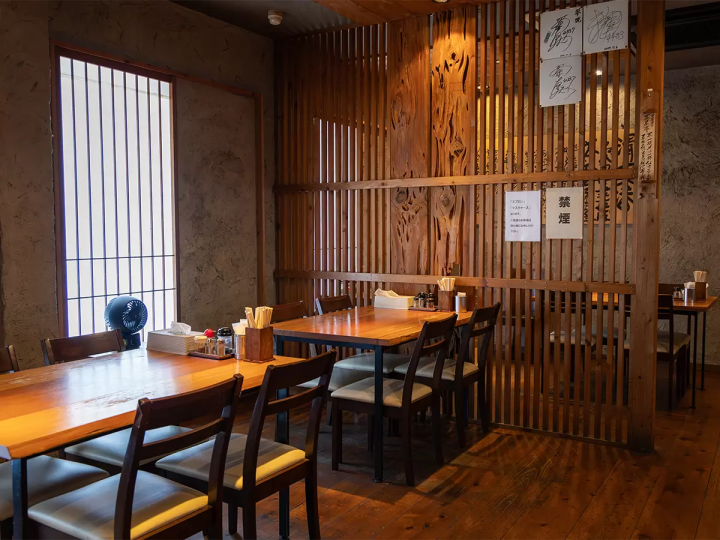
- The Edo Period (1603–1867): Nagoya flourished as a castle town, fostering a culture of hearty, calorie-dense foods designed for laborers and travelers, which evolved into modern favorites like Miso Katsu and Kishimen noodles. Simultaneously, Tokoname emerged as a pottery powerhouse, where the lifestyle of kiln-workers necessitated quick, nutritious meals based on local seafood.
- The Modern Era (Post-2005): The opening of the Chubu Centrair International Airport transformed Tokoname into an international gateway. This infrastructure surge brought global attention to local treasures, leading to the renovation of old factory spaces into sophisticated dining destinations like "Tokonameya."
- Contemporary Trends (2020–Present): A renewed emphasis on "slow travel" has seen a rise in boutique eateries that prioritize regional sourcing, such as Chayatei’s commitment to locally-produced soy sauce and mirin, blending historical flavor profiles with modern, refined techniques.
Supporting Data: Why Nagoya and Tokoname are Prime Destinations
For travelers transiting through Chubu Centrair International Airport, the logistics of a gourmet tour are incredibly favorable:
- Connectivity: Tokoname Station is a mere 5-minute train ride from the airport, while Nagoya Station is roughly 35 minutes away. This makes a multi-stop itinerary not just possible, but highly recommended.
- Diverse Price Points: From high-end Hitsumabushi (grilled eel over rice) in Nagoya to affordable, high-quality "Meichu Soba" in Tokoname, the region caters to both budget backpackers and luxury epicureans.
- The "Pottery Effect": Data from local tourism boards suggests that diners who consume food served in locally crafted, hand-thrown pottery report a higher satisfaction rate with their meal, citing the "tactile beauty" of the experience as a major driver for repeat tourism.
Culinary Spotlights: Where to Dine
1. The Ramen Philosophy at Chayatei (Tokoname)
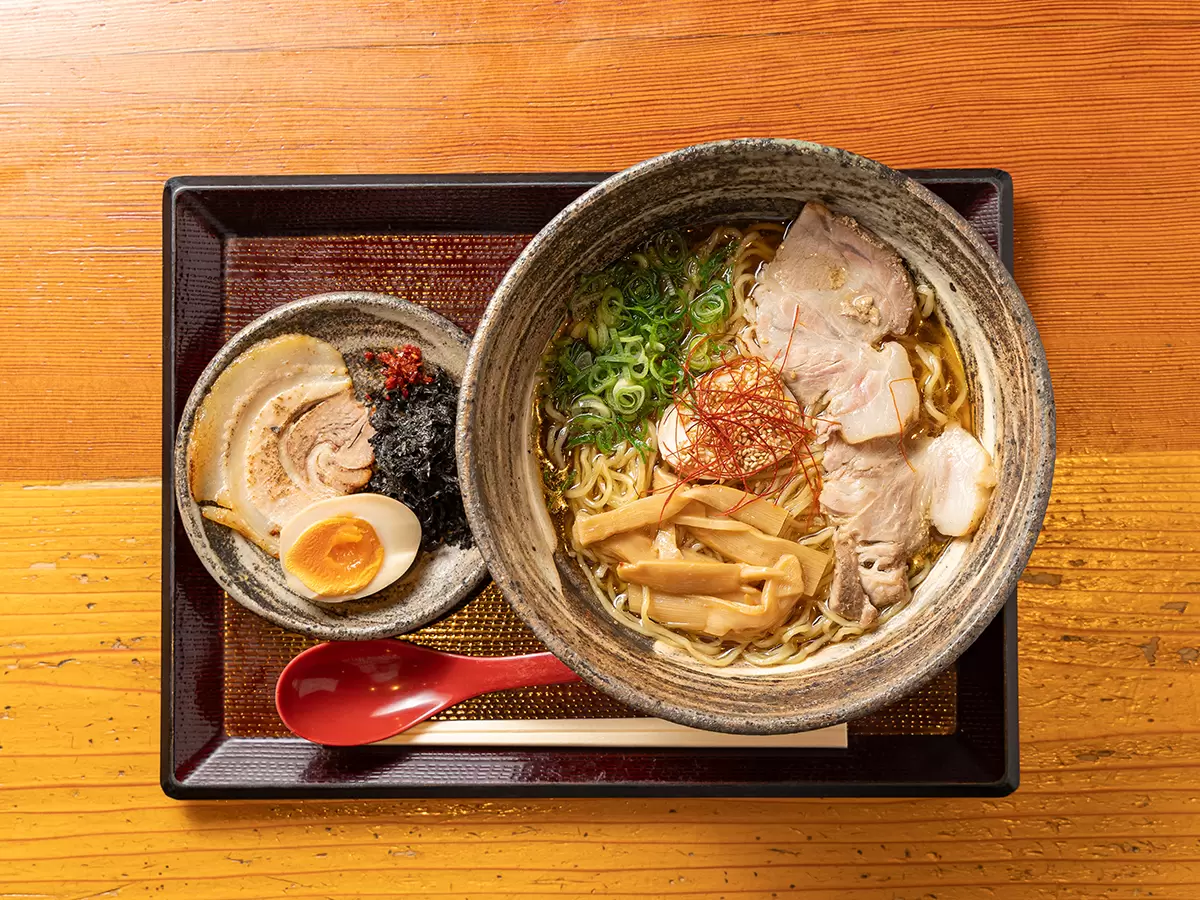
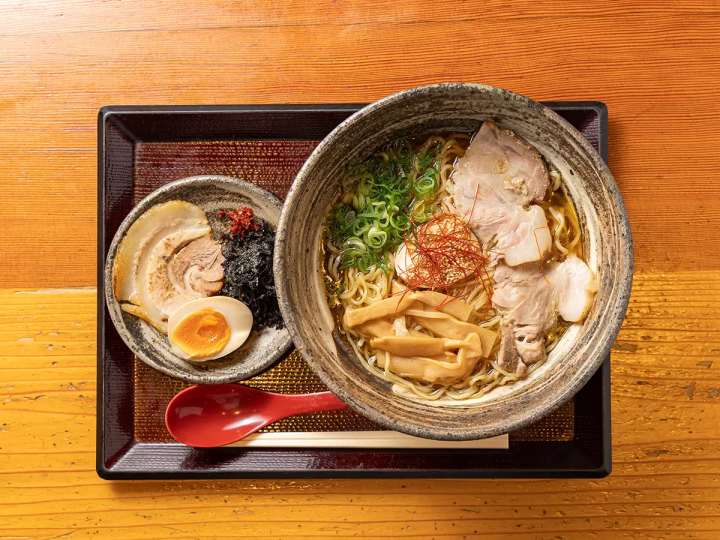
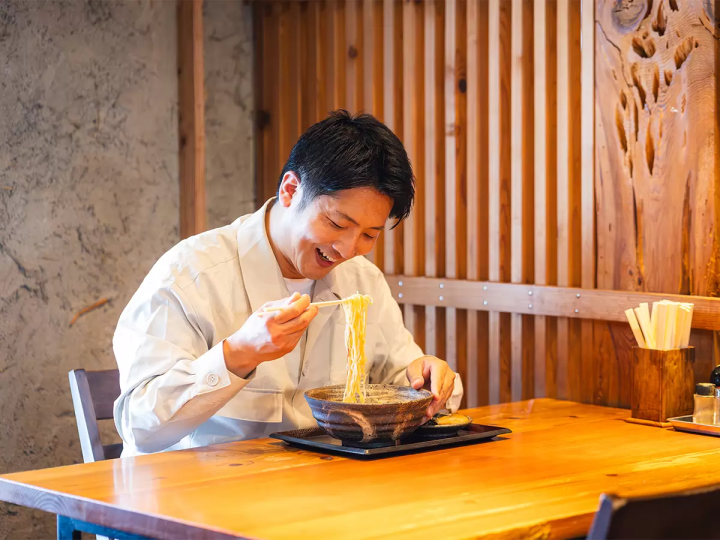
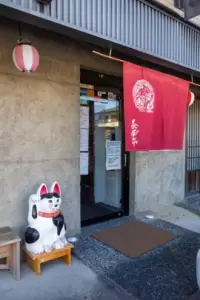
Located just a six-minute walk from Tokoname Station, Chayatei is an essential stop for those who value craftsmanship over trendiness. The shop serves its signature "Meichu Soba," a masterclass in regional synergy. The soup is a complex blend of chicken broth and seafood-based dashi, utilizing Onizaki seaweed—a local specialty. By eschewing flashy, artificial flavorings in favor of local soy sauce, mirin, and salt, Chayatei offers a profile that feels like the "accumulated history" of the region.
2. Coastal Bounty at Maruha Shokudo
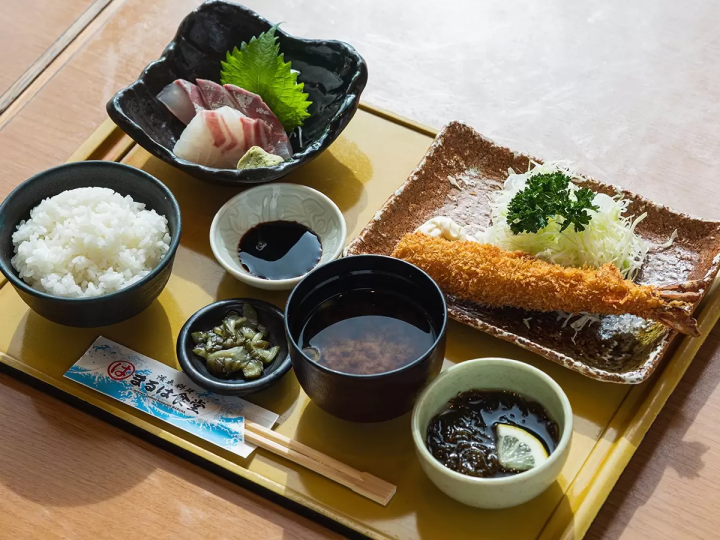
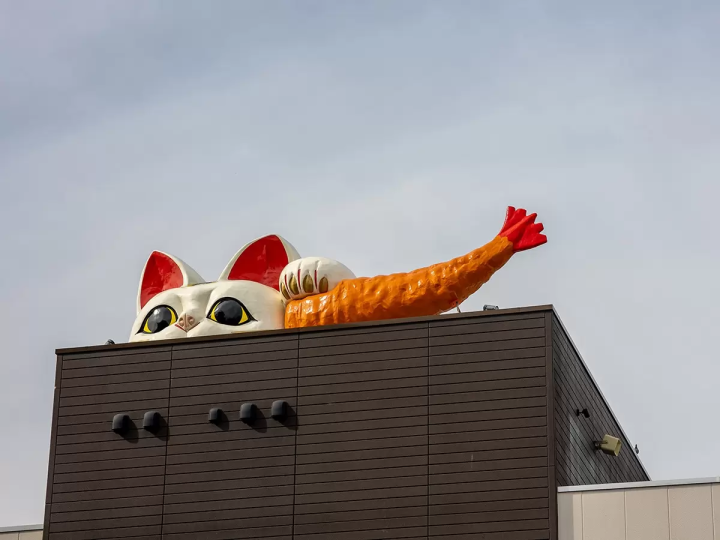
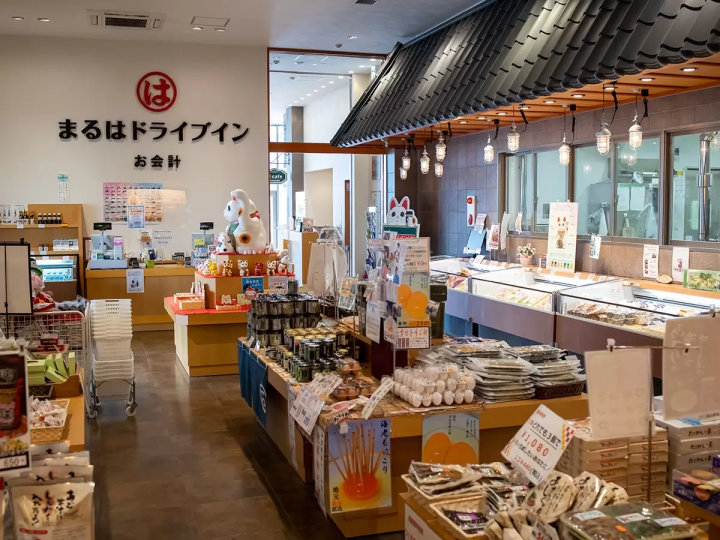
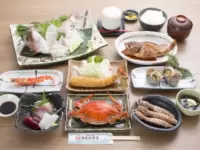
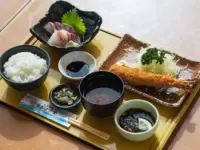
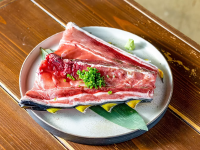
For a quintessential seaside dining experience, Maruha Shokudo (with branches at the Airport and in Rinku Tokoname) is the gold standard. Their jumbo fried shrimp—a local legend—is a must-try. Delivered directly from the Toyohama Fishing Port, the seafood here is unmatched in freshness. The Rinku Tokoname location is particularly striking, offering panoramic views of Ise Bay where diners can watch planes depart as they enjoy fresh sashimi and grilled fish.
3. Cultural Integration at Tokonameya
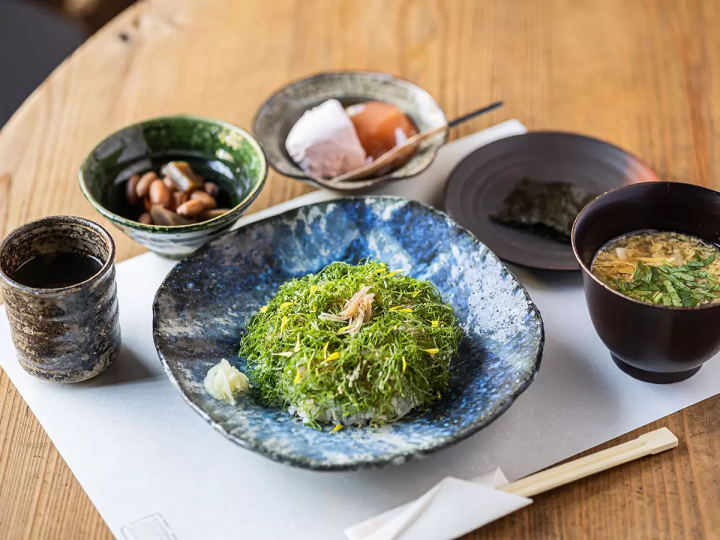
Perhaps the most immersive experience in the region is found at Tokonameya. Housed in a beautifully renovated wooden factory that once produced clay pipes, this establishment serves "Tokoname Chirashi-zushi" featuring fresh seasonal fish. Beyond the food, the experience is defined by the presentation; everything is served in Tokoname-yaki pottery. Visitors are encouraged to brew tea in authentic Tokoname teapots, transforming a simple beverage into a ritual that connects the diner to the town’s centuries-old pottery heritage.
Official Responses and Tourism Initiatives
The Tokoname Tourism Association has launched the "Happy Come On TOKONAME" initiative, reflecting the city’s desire to ensure that visitors do not merely pass through, but depart with a lasting sense of fulfillment. According to association spokespeople, the goal is to weave the narrative of "happiness" through the local food and pottery experiences.
In Nagoya, the focus remains on the "Nightlife Economy." Recent tourism drives, such as the promotion of late-night dining options near the Sakae and IG Arena areas, aim to keep the city’s energy high long after the sun sets. With establishments offering Nagoya’s famous chicken wings and miso-based dishes well past 9:00 PM, the city is positioning itself as a vibrant 24-hour destination for food lovers.
Implications for the Modern Traveler
The shift toward "integrated tourism"—where the destination, the vessel, and the ingredient are all locally sourced—has profound implications for how we view travel.
Sustainability: By supporting businesses like Chayatei and Tokonameya, travelers directly contribute to the preservation of local craft industries. When a tourist purchases a meal, they are simultaneously funding the maintenance of historic buildings and the continued operation of traditional kilns.
The "Memory-Taste" Connection: The psychological impact of eating in a space that reflects the local culture (such as a renovated pipe factory) is significantly higher than dining in generic, airport-style chain restaurants. For the traveler, this means that the meal becomes a tangible anchor for their memories of Aichi.
Planning Your Trip: A Brief Itinerary
- Morning/Afternoon: Arrive at Chubu Centrair International Airport and head immediately to Tokoname Station. Spend the day walking the Pottery Footpath, stopping at Tokonameya for a tea set and a pottery gallery tour.
- Late Afternoon: Enjoy a late lunch of fresh seafood at Maruha Shokudo, watching the sunset over Ise Bay.
- Evening: Take the train into Nagoya Station. Check into your hotel and head to the Sakae district. Cap off your night with local Nagoya delicacies like Miso Katsu or Tebasaki (chicken wings) at one of the many late-night izakayas that define the city’s electric atmosphere.
Conclusion
Whether you are seeking the robust, umami-laden depths of Nagoya’s miso-infused classics or the delicate, salt-air freshness of a Tokoname seafood platter, this region offers an unparalleled culinary journey. By blending the convenience of modern transport with the preservation of traditional craft, Nagoya and Tokoname provide a rare model of how to sustain local culture in a globalized world. For the discerning traveler, the message is clear: come for the convenience, but stay for the soul of the region, served on a hand-thrown plate.












No comments yet. Be the first to join the conversation!