

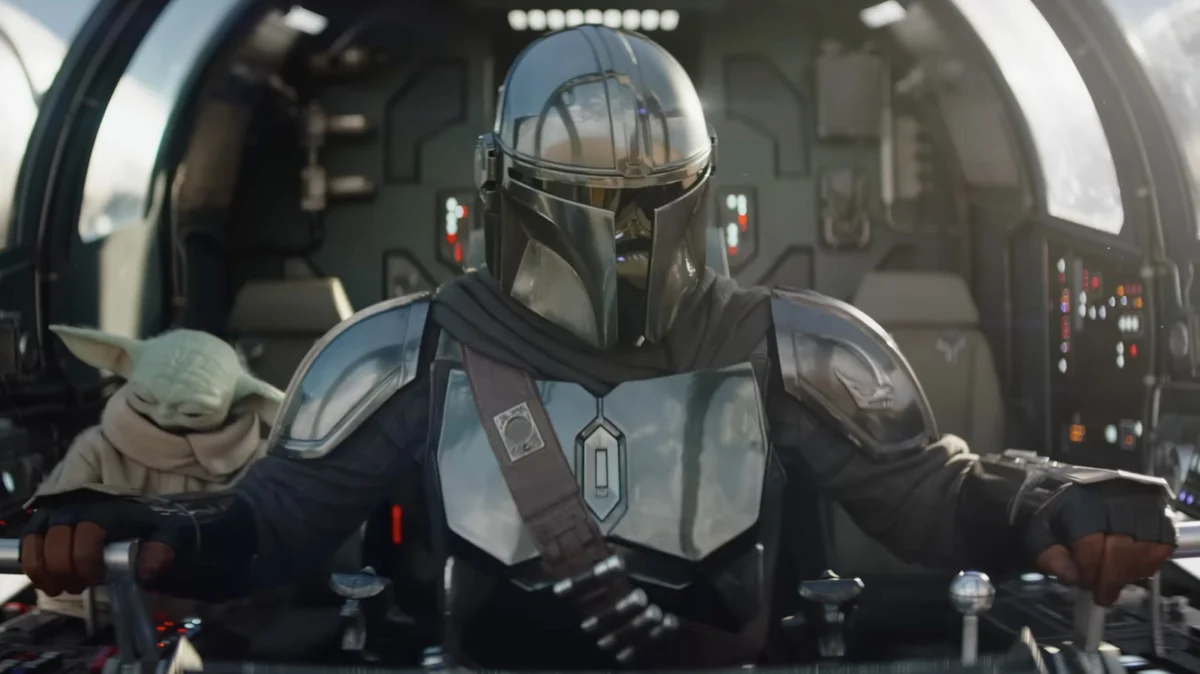
When The Mandalorian and Grogu made its highly anticipated arrival in theaters, fans expected the usual Star Wars pageantry: sweeping space battles, the stoic silence of Din Djarin, and the undeniable charm of Grogu. What few expected, however, was a profound, stylistic love letter to one of the most influential television programs in history: MASH*.
The seminal sitcom, which ran from 1972 to 1983, redefined the landscape of American television by expertly blending the absurdity of wartime comedy with the harrowing reality of human loss. Now, as The Mandalorian and Grogu becomes the first theatrical Star Wars film to feature an opening credit sequence, eagle-eyed cinephiles have noted that the film’s DNA is inextricably linked to the surgeons and infantry of the 4077th Mobile Army Field Hospital.
The Anatomy of an Opening Sequence
To understand the tribute, one must first appreciate the source material. MASH*—both the film and the subsequent series—set a gold standard for television intros. The imagery of helicopters descending over the rugged, hilly terrain of Korea to reach a temporary, makeshift medical outpost is iconic. It is a shot that captures isolation, the encroachment of military machinery upon nature, and the transient, fragile state of life in a combat zone.
In The Mandalorian and Grogu, the filmmakers mirror this aesthetic with striking precision. As the camera tracks various ships, most notably X-Wings, descending toward the Adelphi Base, the visual composition mimics the 1970s television aesthetic. The base itself, a sprawling, utilitarian cluster of structures tucked away in a remote landscape, feels like a spiritual successor to the field hospitals of Korea. It is not a place of glamour; it is a place of function, grit, and endurance. By adopting this visual language, the film immediately establishes a tone that is far more grounded—and perhaps more weary—than the typical operatic flair of the Skywalker Saga.
The Sonic Connection: Ludwig Göransson’s Subtle Nod
The homage extends beyond the visual. Composer Ludwig Göransson, known for his experimental and evocative work in the Star Wars universe, appears to have drawn inspiration from the somber, haunting melody of "Suicide is Painless," the theme song of MASH. While Göransson does not replicate the track, the guitar-driven riffs that underscore the film’s opening sequence echo the melancholic, yearning quality of the MASH theme.
This musical choice serves a narrative function. The score sets the stage for a story that sits comfortably between "maudlin melodrama" and wartime procedural. By weaving this sonic thread, the film prepares the audience for a narrative that, like MASH*, finds its humor in the darkest of places—a philosophy that has always been central to the character of the Mandalorian himself.
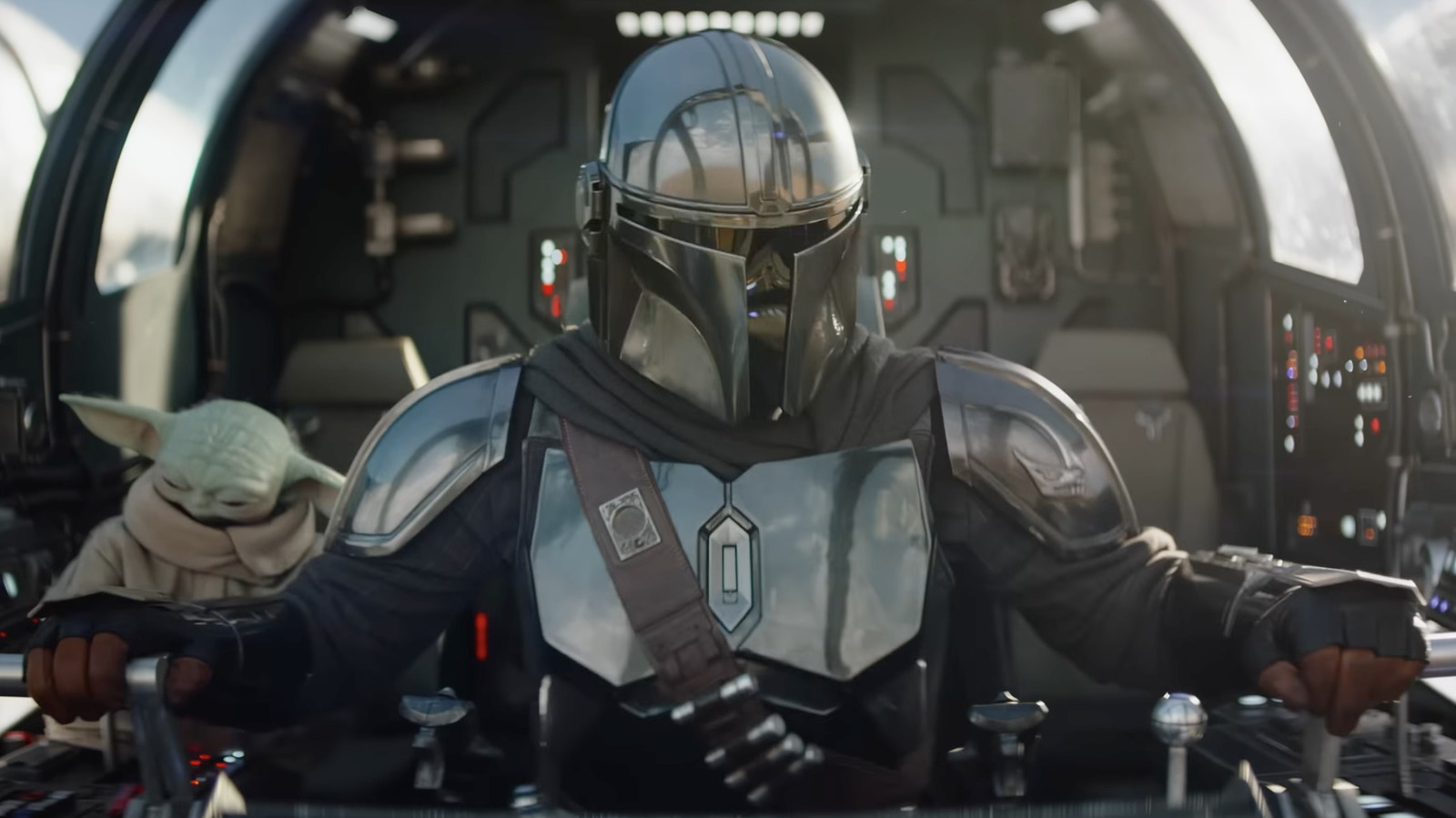
Chronology of Influence: From Korea to the Outer Rim
The connection between Star Wars and MASH is not entirely new, but it has certainly intensified with this theatrical release. Dave Filoni, the creative force behind much of the modern Star Wars* canon, has long been a student of television history.
- The Early Days: In the original Mandalorian series, the show established a "space western" vibe that borrowed from classic television tropes, including the "monster of the week" and the reluctant mentor-protege relationship.
- The Adelphi Arc: The introduction of Adelphi Base and the pilots who inhabit it provided the perfect setting to deepen the MASH* parallels.
- The Current Film: The Mandalorian and Grogu serves as the culmination of these thematic influences, explicitly referencing the character archetypes and environmental design of the 1970s sitcom.
Supporting Data: The "Trapper" Wolf Connection
Perhaps the most definitive piece of evidence regarding these tributes lies in the character of Trapper Wolf. Portrayed by Dave Filoni himself, the X-Wing pilot is a recurring figure in the series. The name is not a coincidence; it is a direct nod to "Trapper" John McIntyre, one of the most beloved surgeons from MASH*.
The presence of a character named "Trapper" within a high-stakes military flight squadron provides a bridge between the two franchises. Filoni, serving as both a producer and second-unit director on the film, is clearly operating with a deep sense of reverence for the source material. When viewers see Trapper Wolf briefing pilots in the Adelphi bar—a space that mirrors the boisterous, weary atmosphere of the 4077th’s officers’ club—the intention becomes unmistakable. It is an invitation to view the Adelphi pilots not just as soldiers, but as a tight-knit family unit bound together by the trauma and absurdity of the conflict they are forced to navigate.
Official Responses and Creative Intent
While Disney and Lucasfilm have remained relatively tight-lipped regarding the specific "easter eggs" of the film, the creative team has been vocal about their desire to expand the Star Wars universe into new genres.
In recent interviews, Sigourney Weaver, who plays Colonel Ward, discussed the camaraderie on set and the specific direction given regarding the tone of her character’s briefings. Weaver, a veteran of cinema, noted that the script called for a "certain type of pragmatism" that was common in the ensemble dramas of the late 20th century. By casting an actress of Weaver’s stature as the pragmatic, no-nonsense commander, the film leans into the authoritative, yet human, leadership style that characterized the commanding officers on MASH*.
The choice to include such specific nods suggests that for Filoni and his team, these aren’t just references—they are foundational building blocks. They allow the film to communicate a sense of "lived-in" history, suggesting that the galaxy, like the Korean War in the eyes of Hawkeye Pierce, is a place where humor is the only defense against a cruel reality.
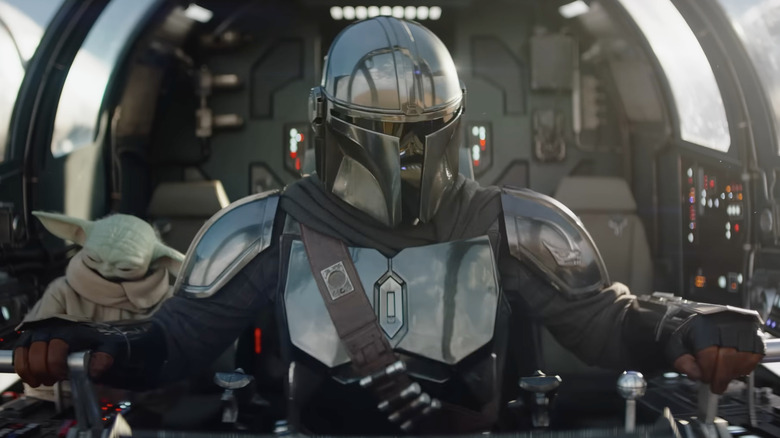
Implications for the Future of Star Wars
What does this mean for the future of the Star Wars franchise? The successful integration of MASH-style character dynamics into a space-faring epic proves that Star Wars* is at its best when it borrows from the past to inform the future.
1. Genre Blending
By moving away from pure "space fantasy" and incorporating elements of the "military dramedy," Lucasfilm has demonstrated that the Star Wars universe can sustain a wider variety of tones. This allows for more mature storytelling that can appeal to fans who grew up on the classic television of the 70s and 80s.
2. The Power of "Lived-In" Details
The Adelphi Base serves as a masterclass in world-building through environmental storytelling. The bar, the briefing room, and the approach to the base are all designed to make the audience feel the exhaustion of the characters. This level of detail elevates the film from a standard action romp to something more immersive.
3. Filoni’s Stewardship
Dave Filoni’s influence continues to shape the trajectory of the franchise. His willingness to insert personal, historical, and genre-specific tributes ensures that Star Wars remains a conversation between its creators and the history of visual storytelling. It transforms the franchise into a repository of cinema and television history, rather than a static, self-contained loop.
Conclusion: A Legacy Reimagined
The Mandalorian and Grogu is more than just a theatrical expansion of a streaming series; it is a deliberate, carefully crafted tribute to the power of television. By looking to MASH*, the filmmakers have managed to infuse the galaxy with a sense of humanity that is often lost in the spectacle of laser blasts and lightsabers.
The opening credits sequence, the character of Trapper Wolf, and the weary, communal atmosphere of Adelphi Base all serve to remind us that behind every hero—even a masked bounty hunter and his Force-sensitive companion—there is a person trying to make sense of a world that is often chaotic, frequently violent, and occasionally hilarious. In paying homage to the 4077th, The Mandalorian and Grogu has secured its place as a modern classic, proving that even in a galaxy far, far away, the most powerful weapon remains the spirit of the people standing in the mud, waiting for the next chopper to arrive.









No comments yet. Be the first to join the conversation!