

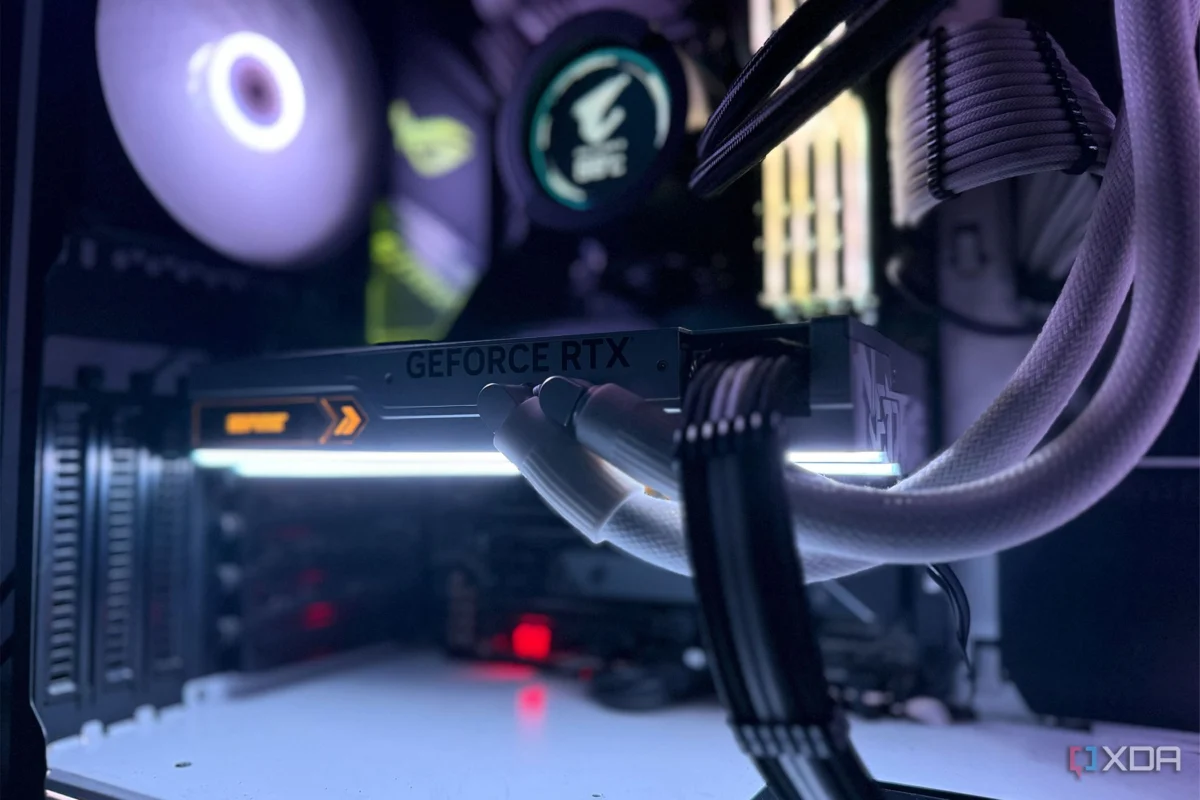
In the pantheon of PC gaming hardware, few names command the reverence of the Nvidia GeForce GTX 1080 Ti. Nearly a decade after its release, it remains the gold standard for "legendary" status—a benchmark against which all subsequent cards are measured. However, as the industry shifts from simple raw rasterization to an era dominated by AI-driven performance, a new challenger has emerged for the title of "best-aging GPU": the Nvidia GeForce RTX 4090. While the 1080 Ti defined its generation, the RTX 4090 is defining the future.
The Legacy of the 1080 Ti: A Benchmark for Value
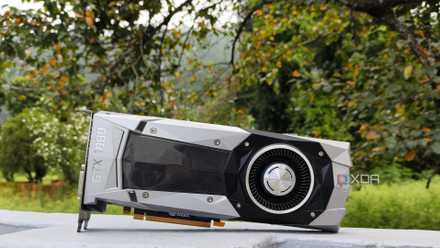
To understand why we still discuss the GTX 1080 Ti, one must look at the landscape of 2017. Nvidia’s Pascal architecture was a revelation. The 1080 Ti arrived with a massive 11GB of VRAM and a performance delta that left its predecessor, the 980 Ti, in the dust—roughly 30% faster than the standard GTX 1080 for a nominal price increase. It was the "everyman’s" flagship, a card that could handle 4K gaming with relative ease and provided enough VRAM overhead to remain relevant long after its peers had faltered.
The card’s longevity was fueled by its sheer brute force. It didn’t need fancy upscaling or AI wizardry to brute-force its way through titles for years. Even today, it can manage decent framerates in many modern titles, provided the user is willing to compromise on graphical fidelity and bypass modern ray-tracing demands. It set a precedent: a GPU that stays relevant is a GPU that offers a massive leap in performance-per-dollar at launch.
A Chronology of Flagship Dominance
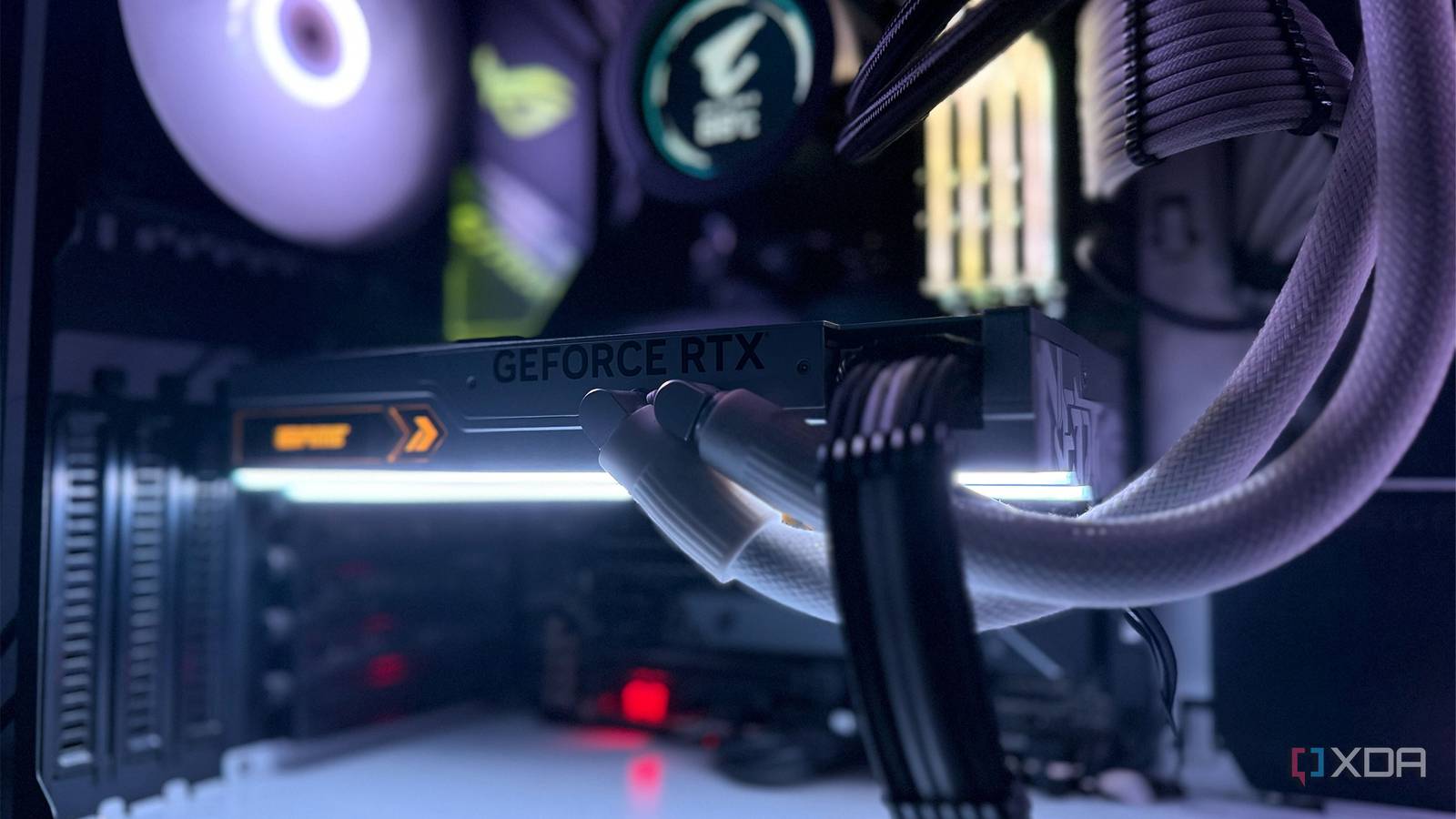
The timeline of high-end GPUs over the last decade illustrates a clear shift in how Nvidia approaches generational jumps.
- 2017 (The Pascal Peak): The GTX 1080 Ti launches, cementing the Pascal architecture as the greatest leap in recent history.
- 2020 (The Ampere Expansion): The RTX 3090 arrives, introducing ray tracing to the mainstream, though it suffers from high power consumption and a price point that felt prohibitive.
- 2022 (The Ada Lovelace Revolution): The RTX 4090 debuts. It wasn’t just an iteration; it was a total disruption, offering nearly 70% better performance at 4K resolution than the 3090, while maintaining a more justifiable price-to-performance ratio than its predecessor.
- 2026 (The Current Horizon): With the arrival of the RTX 5090, the 4090 is relegated to second place. Yet, even in its "senior" years, it remains a powerhouse that makes the 5090 feel like a luxury incremental upgrade rather than a necessary transition.
Supporting Data: Why the 4090 Holds the Crown
The comparison between the 1080 Ti and the 4090 is often framed as a battle of "Value vs. Technology." However, the data suggests that the 4090’s longevity is mathematically superior.
While the 1080 Ti was 70% faster than the 980 Ti, the 4090 achieved a similar 70% gain over the 3090. The crucial difference lies in the "software stack." The 1080 Ti lacked dedicated RT cores and Tensor cores, meaning that as modern gaming shifted toward ray-traced lighting and AI-driven upscaling, the 1080 Ti hit a physical wall. It cannot "learn" to be faster.

The RTX 4090, conversely, is built on an architecture designed for AI. With DLSS 3.5 and the emerging capabilities of DLSS 4.5, the 4090 can effectively "create" frames, doubling or even tripling its effective output in titles that would otherwise cripple older hardware. While the 1080 Ti is a relic of the "Native Resolution" era, the 4090 is the king of the "AI-Enhanced" era.
The Evolution of Nvidia’s Software Stack
Official discussions within the developer community and Nvidia’s own technical briefings emphasize that the company is no longer selling just silicon; they are selling an ecosystem. The RTX 4090’s advantage is its integration into Nvidia’s ongoing software development.
Because the 4090 features dedicated hardware for Frame Generation, it is shielded from the aging process. As games become more complex—requiring features like path tracing or complex global illumination—the 4090’s hardware-accelerated features allow it to maintain high frame rates where the 1080 Ti would simply crash or output a slideshow. Nvidia’s commitment to updating the DLSS suite ensures that the 4090 will likely see performance gains in new titles for years to come, a luxury the 1080 Ti owners were never afforded.
Implications: The Death of Native 4K?
The shift from the 1080 Ti to the 4090 highlights a fundamental change in the gaming industry: the move away from native rendering. We have reached a point where native 4K is becoming an inefficient vanity metric.
The implication of this shift is profound for GPU longevity. If a user owns a 4090, they are not relying on the raw output of the chip alone; they are relying on the chip’s ability to leverage AI to reconstruct images. This makes the 4090 an "evergreen" card. As long as developers continue to implement DLSS and similar technologies, the 4090 will remain capable of outputting a high-quality, high-frame-rate experience.
Why the 4090 Is the Next "Legendary" Card
Critics often point to the price tag of the 4090 as a disqualifier for "legendary" status. It is true that the 1080 Ti was a significantly better value at $699. However, longevity is not solely a function of initial investment. If value were the only metric, the mid-range cards would be the most legendary, yet we consistently look to the flagships for that title.
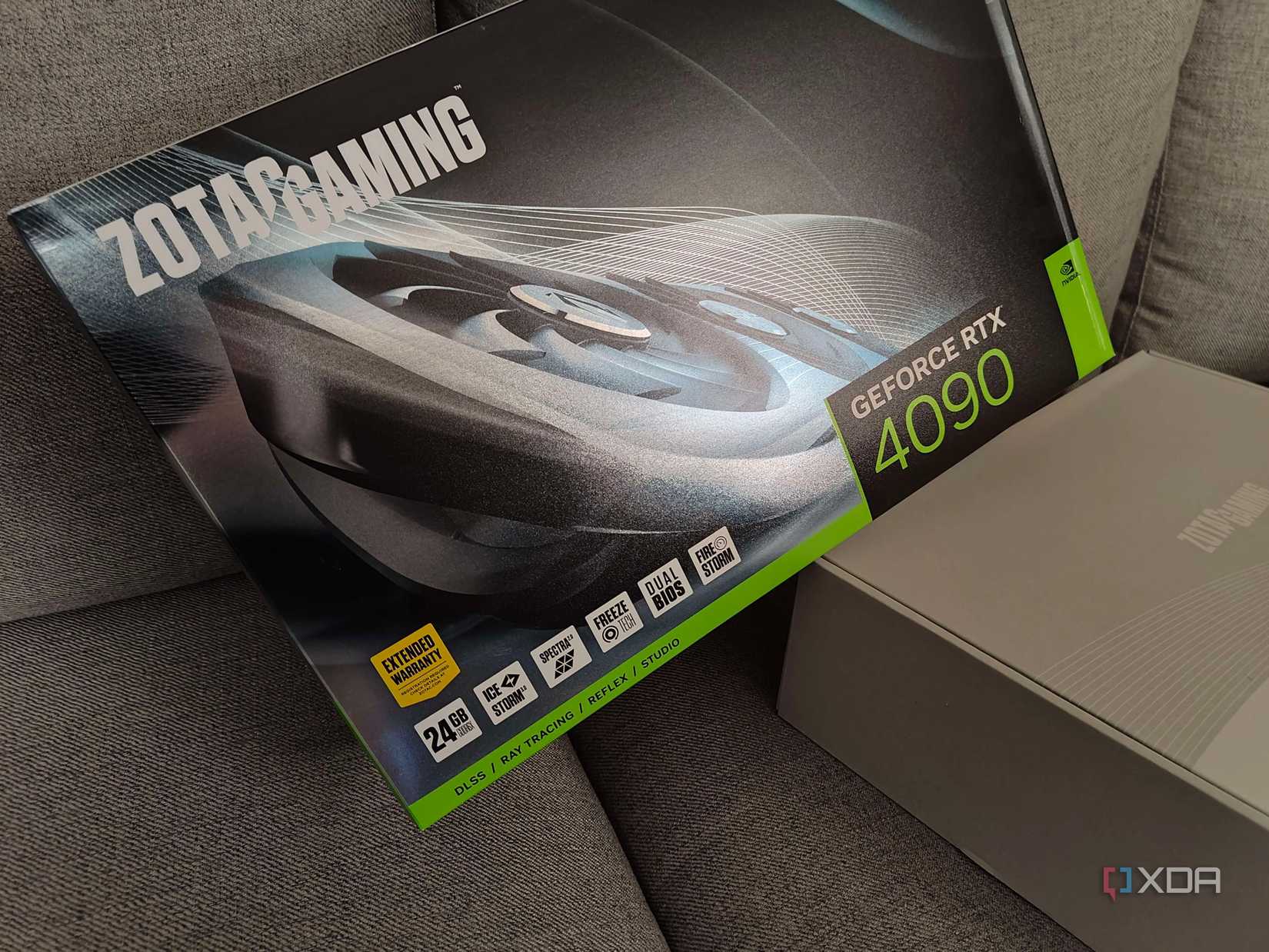
The RTX 4090 has everything required to surpass the 1080 Ti in cultural impact:
- Unrivaled Performance Delta: Its leap over the 3090 remains one of the largest in GPU history.
- Technological Future-Proofing: Through Frame Generation and Ray Reconstruction, it is designed for the games of 2030, not just 2022.
- Software Support: Nvidia’s roadmap ensures that the hardware features of the Ada Lovelace architecture will remain relevant as AI-driven gaming becomes the industry standard.
Conclusion: A New Standard for Aging
While the GTX 1080 Ti will always hold a sentimental place in the hearts of PC enthusiasts, it is time to recognize that the rules of the game have changed. The 1080 Ti is a hero of the past—a monument to what can be achieved with pure, unadulterated hardware power.
The RTX 4090, however, is a pioneer of the future. It doesn’t just offer the best performance today; it provides the infrastructure to stay relevant in a world where software is just as important as the silicon itself. For those who invested in the 4090, the recent release of the 5090 is not a call to upgrade, but a confirmation of their foresight. The 4090 hasn’t just survived; it has thrived, and it is undoubtedly poised to become the most legendary GPU Nvidia has ever produced.
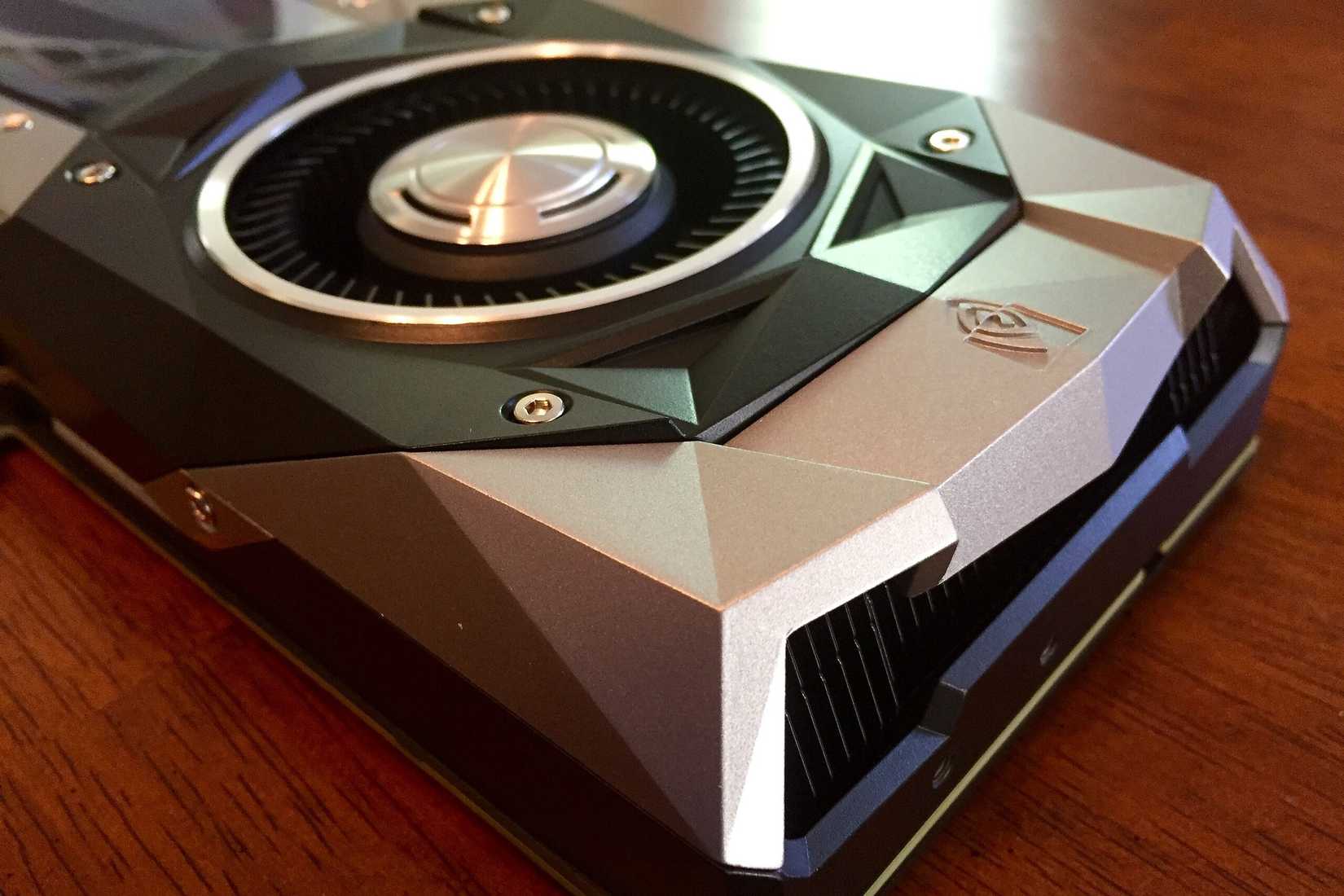
As we look back at the 1080 Ti, we see a card that defied time. As we look at the 4090, we see a card that is rewriting it.












No comments yet. Be the first to join the conversation!