

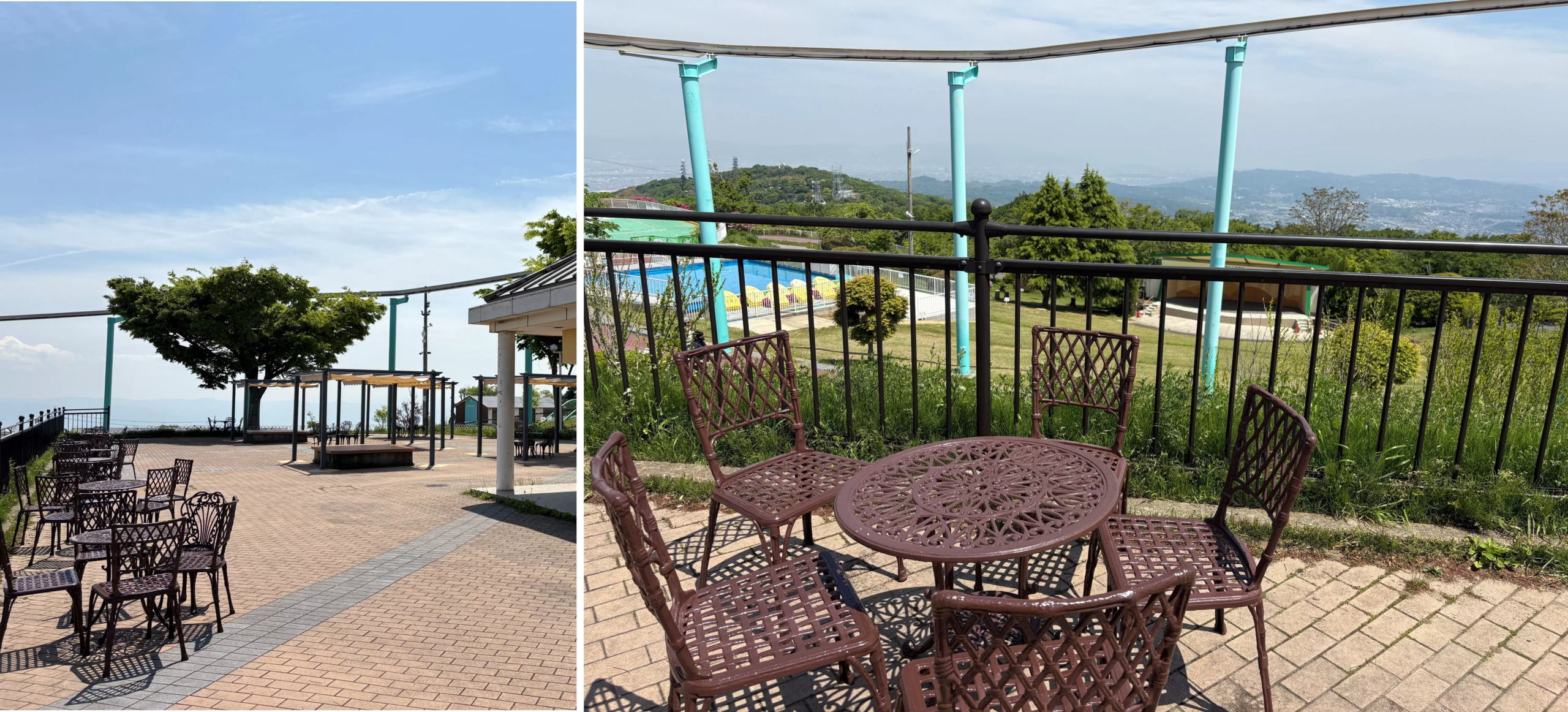
Perched at an altitude of 642 meters atop Mount Ikoma, the Ikoma Sanjo Amusement Park stands as a rare, mountaintop sanctuary of leisure. As the only amusement park in Nara Prefecture, it offers a unique blend of historical nostalgia, family-friendly entertainment, and breathtaking panoramic views that stretch from the sprawling Osaka cityscape to the historic Nara Basin. Accessible via a whimsical cable car ride, this destination has served as a beloved retreat for nearly a century, evolving into a must-visit spot for those seeking an escape from the urban grind.
Main Facts: A Sky-High Destination
Ikoma Sanjo Amusement Park is defined by its distinct location and open-access policy. Unlike modern, high-intensity theme parks that dominate the global market, Ikoma Sanjo emphasizes accessibility and charm. Admission to the park is free, allowing visitors to enter and soak in the atmosphere without an upfront cost—a rarity in the modern tourism landscape.

The park is strategically positioned on the border of Osaka and Nara, making it a convenient excursion for residents and tourists alike. Whether one is looking to enjoy the vintage aesthetic of mid-20th-century rides or simply seeking a vantage point to view the sunset over the Kansai region, the park provides an unparalleled experience. It is particularly noted for its "Flying Tower," which holds the distinction of being the oldest large-scale playground attraction still in operation in Japan.
Chronology: A Century of Mountain Magic
The history of Ikoma Sanjo Amusement Park is a testament to Japanese leisure culture’s resilience and evolution.
- 1929: The park first opened its gates to the public. During this era, mountain-top amusement parks were a novelty, designed to provide city dwellers with a breath of fresh air and a scenic escape from the industrializing lowlands.
- The Post-War Era: Throughout the mid-20th century, the park became a staple for family weekend trips, cementing its reputation as a place where generations could share the joy of retro attractions.
- Modernization: While many attractions have been maintained to preserve their "retro" feel, the park has continuously updated its safety protocols and visitor facilities to ensure it meets contemporary standards.
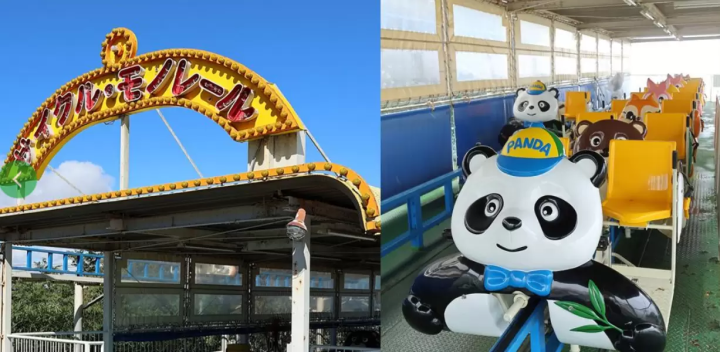
- 2026 (Ongoing): The park continues to refine its offerings, with current projects focused on restoring iconic rides such as the "Cycle Monorail," which is slated for a late May 2026 reopening, marking a new chapter for the attraction.
Supporting Data: The Logistics of the Ascent
For the traveler, the journey to Ikoma Sanjo is as memorable as the destination. The park is remarkably accessible from the urban hubs of Osaka and Nara.
Transportation Breakdown
- From Osaka: Rapid trains from Osaka Namba Station reach Kintetsu Ikoma Station in approximately 20 minutes.
- From Nara: Kintetsu Nara Station is only 15 minutes away from Ikoma Station, making the park a perfect midpoint for tourists exploring the Kansai region.
- The Cable Car Experience: Upon arriving at Ikoma Station, visitors walk three minutes to the Torii Station to catch the cable car. The journey includes a transfer at Takayama Station, ultimately taking about 16 minutes to reach the summit.
- The "Character" Trains: The cable car fleet itself is an attraction, featuring whimsical designs like "Bull," "Mike," "Doremi," and "Sweet." These thematic touches ensure that the experience begins the moment one leaves the standard train line.
Operational Details
- General Hours: 10:00 AM to 5:00 PM.
- Seasonal Adjustments: Hours are often extended during summer holidays to accommodate sunset viewers and night-view enthusiasts.
- Annual Closure: The park remains closed from December to mid-March to ensure safety during the colder, snow-prone months.
Official Responses and Park Management
Management at Ikoma Sanjo has emphasized a commitment to maintaining the park’s "nostalgic atmosphere" while prioritizing visitor safety. Regarding the anticipated return of the "Cycle Monorail," the official park administration has stated:
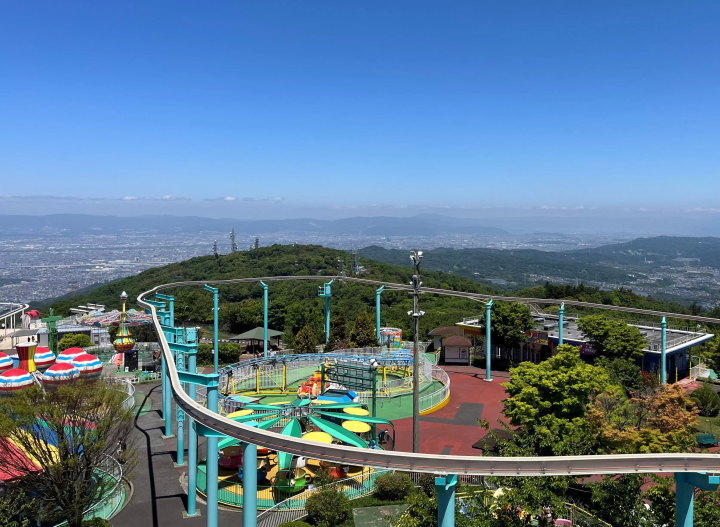
"The Cycle Monorail is a centerpiece of our park’s aerial experience. We recognize its importance to our visitors and are working diligently to finalize its reopening. We are committed to transparency and will announce the exact date of resumption through our official channels and social media platforms as soon as the final safety certifications are verified."
The park actively engages with its community through its Instagram presence, sharing snapshots of the park’s seasonal beauty—from spring blossoms to the vibrant sunsets that draw photographers and couples alike.

Implications: The Role of the Park in Kansai Tourism
The existence of Ikoma Sanjo Amusement Park holds significant implications for regional tourism. As the Kansai region continues to attract record numbers of international visitors, the park serves as a bridge between high-tech urban sightseeing and the traditional, laid-back charm of rural Japan.
A Sustainable Tourist Model
By offering free admission and allowing visitors to bring their own packed lunches and drinks, the park provides an affordable alternative to the high-cost theme parks in the region. This model encourages longer stays and repeat visits from local families, fostering a community-centric environment.

The "Slow Tourism" Appeal
In an age of fast-paced, high-adrenaline entertainment, Ikoma Sanjo offers "slow tourism." Visitors are encouraged to take their time: riding the "Pukapuka Panda" gondolas, dining at the terrace restaurants that offer views of the Akashi Kaikyo Bridge, or simply strolling the grounds to spot major landmarks like Abeno Harukas and Todaiji Temple from the summit.
The Kintetsu Rail Pass Connection
The park’s integration with the Kintetsu Rail Pass system further enhances its value. Tourists utilizing the 1-day or 2-day passes for travel between Osaka, Kyoto, and Nara are incentivized to stop at Mount Ikoma. This strategic partnership ensures that the park remains a viable and frequently visited component of the broader regional transit network.

Practical Tips for the Modern Visitor
To maximize the experience at Ikoma Sanjo, visitors should consider the following:
- Luggage Management: Utilize the coin lockers located at the Chuo ticket gate of Ikoma Station. Storing large bags before boarding the cable car is essential for a comfortable ascent.
- Dining: Don’t miss the "View Lunch" at the Ikomayama View Restaurant. The combination of classic Japanese-style Western dishes and a panoramic view of the Kansai Airport and distant seas is unparalleled.
- Timing the Sunset: If planning to view the night lights of the Osaka Plain, check the sunset times in advance. During the summer, the park transforms into a romantic vantage point, offering one of the most cost-effective "night view" experiences in Japan.
- Weather Preparedness: As the park is located at an altitude of 642 meters, temperatures can be cooler than in the city. Bringing a light jacket is advisable, even during the warmer months.
Conclusion
Ikoma Sanjo Amusement Park is more than just a collection of rides; it is a living monument to the mid-20th-century Japanese dream of leisure. By bridging the gap between the historic charm of the Nara Basin and the technological prowess of Osaka, the park provides a unique vantage point—both physically and culturally—on the Kansai region. Whether you are a family seeking a safe, engaging environment for children, or a couple looking for a romantic, sunset-filled retreat, Ikoma Sanjo remains an essential, enduring gem in the heart of Japan. As the park looks toward the future, with the return of its iconic Cycle Monorail and a renewed focus on its historic heritage, it continues to prove that sometimes, the best way to move forward is to keep the magic of the past alive.












No comments yet. Be the first to join the conversation!