

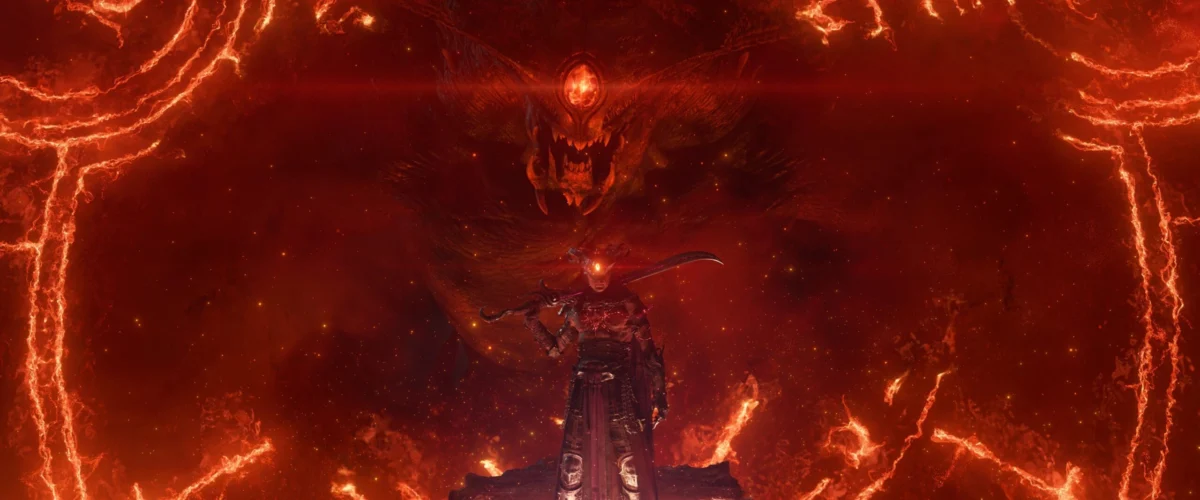
Sanctuary Trembles as a New Era of Dark Power Dawns
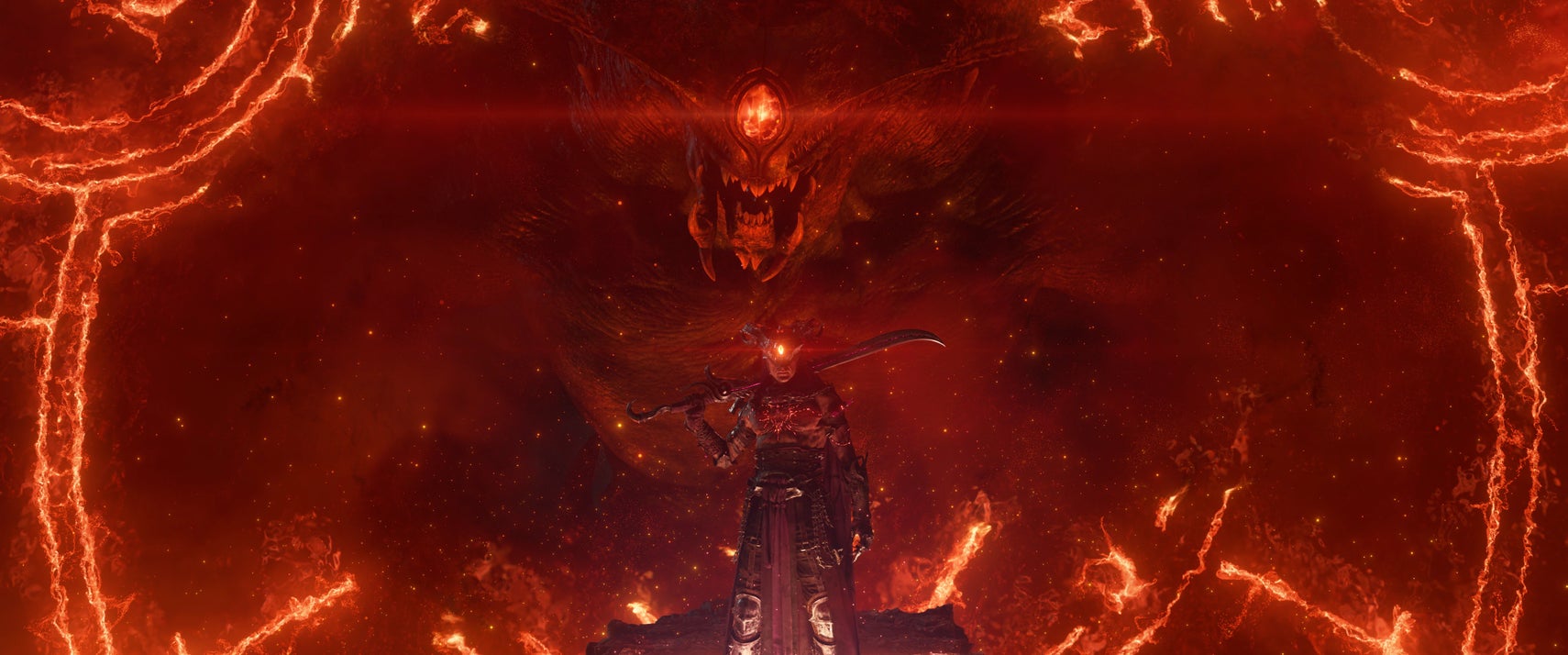
Blizzard Entertainment has officially pulled back the veil on the Warlock, the highly anticipated second new class set to join the ranks of heroes in Diablo 4’s upcoming "Lord of Hatred" expansion. The reveal, a cornerstone of the recent Diablo 30th Anniversary Spotlight, signals a profound shift in the game’s evolving narrative and gameplay landscape, promising players unprecedented choices and a deeper plunge into the dark heart of Sanctuary. Alongside the previously announced Paladin, the Warlock embodies a stark philosophical contrast, drawing power directly from the infernal realms it seeks to conquer.
This monumental announcement extends beyond Diablo 4, as the Warlock archetype simultaneously makes its debut in Diablo II: Resurrected and Diablo Immortal, marking a concerted effort by Blizzard to unify the franchise’s identity while offering fresh content across its diverse platforms. "Lord of Hatred" is poised to introduce an entirely new region, Skovos, replete with a sprawling new story arc and innovative endgame systems like "War Plans" and "Echoing Hatred," alongside significant reworks to core mechanics such as expanded skill trees, the Talisman system, and the iconic return of the Horadric Cube. This expansion is not merely an addition of content; it represents a comprehensive overhaul designed to deepen engagement and enrich the dark, gothic world players have come to love.
Main Facts: A Convergence of Darkness and Light
The Warlock’s unveiling for Diablo 4’s "Lord of Hatred" expansion represents a pivotal moment for the action RPG behemoth. Positioned as the second new playable class, it immediately establishes a fascinating dichotomy with the Paladin, the first class revealed for the expansion. While the Paladin embodies zealous devotion to the Light and righteous combat, the Warlock embraces forbidden knowledge and draws directly from the malevolent powers of Hell itself. This contrast is fundamental to the expansion’s thematic underpinnings, offering players two radically different paths to confront the encroaching darkness.
Expected to arrive in late April with the full launch of "Lord of Hatred," the Warlock will provide a fresh, edgy, and antiheroic playstyle, appealing to those who prefer to fight fire with even more potent, albeit morally ambiguous, flames. Players eager to dive into the new content immediately can already experience the Paladin, available to those who have pre-ordered the expansion, setting the stage for the Warlock’s grand entrance.
Beyond the new class, "Lord of Hatred" is poised to expand Diablo 4’s world with the introduction of the Skovos Isles, a Mediterranean-inspired region that will serve as both the backdrop for the new narrative and a crucial endgame destination. Accompanying this new zone are two innovative endgame modes: "War Plans," allowing for custom playlists of activities and targeted rewards, and "Echoing Hatred," a rare, challenging horde-mode event against Mephisto’s legions. Furthermore, the expansion promises significant systemic enhancements, including expanded class skill trees for all existing classes, a new Talisman system for set bonuses, and the highly anticipated return of the Horadric Cube, offering players unprecedented control over item affixes. This comprehensive suite of additions underscores Blizzard’s commitment to evolving Diablo 4 into an even more expansive and engaging live-service experience.
Chronology: From Anniversary Spotlight to Infernal Release
The journey to the Warlock’s reveal has been carefully orchestrated, culminating in a series of announcements that built significant anticipation within the Diablo community.
The Diablo 30th Anniversary Spotlight
The initial spark for these revelations ignited during the Diablo 30th Anniversary Spotlight event. While the overall livestream celebrated three decades of the iconic franchise, the Diablo 4 segment was undeniably a highlight. Though the specific announcement of the Warlock was somewhat "spoiled" earlier in the same broadcast, its official unveiling solidified the excitement, confirming long-standing rumors and player desires for new classes. This event served as the official platform for Blizzard to outline its ambitious plans for the franchise’s future, particularly concerning its flagship title, Diablo 4.
The Paladin’s Precursor
Prior to the Warlock’s grand entrance, Blizzard had already revealed the Paladin as the first new class for "Lord of Hatred." This initial announcement, often accompanied by cinematic trailers and gameplay teases, gave players a taste of the expansion’s scope and its commitment to introducing diverse playstyles. Crucially, the Paladin was made immediately accessible for those who pre-ordered "Lord of Hatred," providing an early incentive and allowing a segment of the player base to delve into new character builds and explore preliminary content linked to the expansion’s themes. This phased release strategy effectively built a bridge of engagement, maintaining player interest as the full expansion launch approached.
The Warlock’s Grand Entrance
The Warlock’s formal unveiling at the Anniversary Spotlight confirmed its status as the second new class. While the initial reveal focused primarily on its thematic identity—a practitioner of forbidden arts, harnessing the very energies of Hell—detailed gameplay demonstrations were deliberately held back. This strategic decision aimed to create a secondary wave of anticipation, leading into a dedicated Warlock livestream scheduled for March 5th. This upcoming event is expected to delve deep into the class’s unique abilities, skill trees, and intricate lore, offering players a comprehensive look at what to expect from this dark new archetype.
The "Lord of Hatred" Expansion Release Window
The full "Lord of Hatred" expansion, encompassing both the Warlock and the Paladin, along with the new region, story, and endgame systems, is slated for a late April release. This timeframe positions the expansion as a major content drop, strategically placed to refresh the game’s ecosystem following several seasons of live-service updates. The staggered release of class information and content accessibility is a calculated move to sustain community engagement and provide a continuous stream of exciting news for players.
A Multi-Game Warlock Invasion
In a significant move that underscores Blizzard’s unified vision for the Diablo universe, the Warlock class is not exclusive to Diablo 4. The same Anniversary Spotlight event also confirmed the Warlock’s arrival in both Diablo Immortal and, perhaps most notably, Diablo II: Resurrected. The "Reign of the Warlock" DLC for D2R was made immediately available, marking the first new class added to the classic title in 25 years—a monumental historical milestone for the venerable ARPG. This simultaneous rollout across the franchise highlights a strategic intent to leverage the Warlock’s appeal and introduce a fresh wave of content to a broader player base across different platforms and game eras.
Supporting Data: Unpacking the Infernal Deluge
The "Lord of Hatred" expansion is not merely adding new content; it’s redefining the very fabric of Diablo 4, with the Warlock at its thematic core and a suite of interconnected systems designed to enrich every aspect of gameplay.
The Warlock: Master of Forbidden Power
The Warlock stands as a deliberate counterpoint to the Paladin, embodying the "edgy, antihero counterpart to the Paladin’s purity and devotion to the Light." This class taps into forbidden knowledge and directly channels the powers of Hell. While specific abilities are yet to be fully detailed, the Warlock archetype in fantasy often features a diverse array of dark magic:
- Demonic Summoning: Calling forth lesser demons or infernal entities to fight alongside them, acting as temporary allies or powerful guardians.
- Cursing and Debilitation: Inflicting potent curses, weakening enemies, draining their life force, or twisting their minds against their allies.
- Shadow and Fire Magic: Unleashing blasts of shadow energy, infernal flames, or corrupting spells that deal damage over time.
- Pacts and Sacrifices: Potentially involving mechanics where the Warlock makes a temporary pact for increased power at a cost, or sacrifices a portion of their health/minions for devastating effects.
- Life Drain: Siphoning the vitality from foes to replenish their own, embodying a parasitic combat style.
This focus on infernal power suggests a high-risk, high-reward playstyle, appealing to players who relish complex rotations, strategic positioning, and a touch of moral ambiguity in their heroic endeavors. The upcoming March 5th livestream is poised to reveal the full scope of these dark abilities, offering a deep dive into the Warlock’s unique mechanics and skill tree.
The Paladin: Bulwark of the Light
In stark contrast, the Paladin, already accessible to pre-order holders, represents the quintessential holy warrior. Drawing upon divine grace, Paladins are known for their:

- Holy Magic: Healing allies, smiting foes with sacred energy, and unleashing blinding light.
- Auras: Projecting beneficial effects onto allies or debilitating effects onto enemies in an area.
- Shield Combat: Utilizing shields not just for defense but as offensive weapons, often in conjunction with maces or swords.
- Protective Wards: Creating barriers or blessings that absorb damage or grant temporary invulnerability.
The Paladin’s role is typically one of resilience, support, and righteous damage, offering a more direct and steadfast approach to battling the demonic hordes, providing a balanced and distinct choice against the Warlock’s shadowy path.
Lord of Hatred Expansion: A New Chapter in Sanctuary
The expansion’s title, "Lord of Hatred," points directly to Mephisto, one of the Prime Evils, suggesting a narrative focus on his influence and a direct confrontation with his machinations.
-
Skovos Isles: A Mediterranean Frontier: This new region promises a visually distinct environment, departing from the grim, gothic landscapes of the base game. Its "Mediterranean-inspired" aesthetic suggests sun-drenched coastlines, ancient ruins, lush olive groves, and potentially formidable naval defenses or pirate enclaves. Lore-wise, the Skovos Isles are home to the Amazons, a warrior culture known for their prowess with javelins and bows, potentially introducing new enemy types or allied factions. The region’s significance as an "endgame destination" implies dedicated high-level activities, unique boss encounters, and perhaps even a new city hub for players to gather and trade. Its distinct cultural and environmental identity will provide a fresh backdrop for the unfolding story arc.
-
War Plans: Tailored Endgame Progression: This innovative system aims to address a common feedback point in ARPGs: the desire for more control over endgame activities. By allowing players to "create a custom playlist of up to five endgame activities," War Plans offers an unprecedented level of personalization. Players can select specific dungeons, world bosses, or other challenges, potentially streamlining the grind for particular rewards (e.g., unique item drops, crafting materials, or specific legendary aspects). The "new activity tree that works with all endgame activities" suggests a meta-progression system tied to these custom plans, allowing players to unlock powerful bonuses, passive benefits, or cosmetic rewards as they engage with their chosen content, fostering a more engaging and less repetitive endgame loop.
-
Echoing Hatred: The Ultimate Gauntlet: Described as a "rare event that pits you against legions of Mephisto’s minions," Echoing Hatred is essentially a high-stakes horde mode. Triggered by a "rare lootable item," its exclusivity emphasizes its challenge and the potential for immense rewards. The promise of "unending waves of enemies" with "a couple of twists" hints at dynamic elements that differentiate it from standard wave-based combat. These twists could include:
- Environmental Hazards: Shifting terrain, destructive spells cast by the environment, or traps.
- Unique Boss Mechanics: Special boss waves that require specific strategies or introduce new abilities.
- Mutating Enemies: Foes that adapt or gain new powers as the event progresses.
- Time-Sensitive Objectives: Goals beyond simply killing all enemies, adding layers of complexity.
This mode is designed to test players’ builds, coordination, and endurance, offering a visceral and rewarding challenge for the most dedicated adventurers.
Systemic Overhauls: Deepening Character Customization
"Lord of Hatred" extends its influence to the very core of character progression, promising enhancements that will benefit all players, regardless of whether they own the expansion.
-
Expanded Class Skill Trees: A significant upgrade for all existing classes (Barbarian, Sorceress, Rogue, Druid, Necromancer) and the new ones. This expansion will likely introduce new active skills, passive abilities, and a greater number of choice nodes, allowing for far more diverse and specialized character builds. This addresses a common desire for increased build depth and flexibility, empowering players to experiment and discover new synergies, potentially revitalizing existing archetypes.
-
The Talisman System: Unlocking Synergies: This new system "unlocks set bonuses," a familiar concept in ARPGs where collecting specific pieces of gear grants powerful additional effects. Talismans could be unique items themselves, or a new gear slot that interacts with other equipped items to complete sets. This system incentivizes targeted farming, strategic gear choices, and provides powerful progression milestones, allowing players to significantly boost their character’s power and specialize their playstyle through carefully curated item combinations.

-
The Horadric Cube Returns: Itemization Reimagined: One of the most iconic and beloved artifacts from the Diablo franchise, the Horadric Cube, makes its triumphant return. In Diablo 2, it was a multi-purpose crafting device, allowing players to transmute items, create new ones, and upgrade existing gear. Its return in Diablo 4, granting "control over Affixes," suggests a powerful new dimension to itemization. This could involve:
- Rerolling Affixes: Modifying specific stats on an item to optimize it for a build.
- Extracting Affixes: Taking a legendary affix from one item and imprinting it onto another.
- Adding Sockets: Creating additional gem slots on items.
- Upgrading Rarity: Transforming rare items into legendary ones, or legendary into unique.
The Horadric Cube’s presence promises to inject a vast amount of depth into item customization, empowering players to fine-tune their gear to an unprecedented degree and significantly impacting the endgame pursuit of perfect items.
A Multi-Game Warlock Invasion: Reign of the Warlock
Blizzard’s decision to introduce the Warlock across multiple Diablo titles simultaneously speaks volumes about their strategy to invigorate the entire franchise.
-
Diablo II: Resurrected – A 25-Year First: The "Reign of the Warlock" DLC for D2R is a truly historic moment, marking the first new class added to the game since its original release 25 years ago. This is a monumental event for the dedicated D2R community, offering a fresh way to experience the classic title. The Warlock in D2R will likely integrate dark magic, curses, and potentially summons, providing a new dimension to the game’s established meta. The DLC also includes "new quality of life features," "the Colossal Ancients endgame encounter," and "updated Terror Zones."
- Colossal Ancients: This sounds like a new, extremely challenging boss encounter, possibly a super-boss designed for high-level characters, akin to the Uber Diablo event.
- Updated Terror Zones: Terror Zones were a popular addition to D2R, dynamically increasing the level of certain areas. "Updated" implies further refinements, new mechanics, or expanded areas to keep the endgame fresh.
The D2R expansion also offers "some cosmetics in Diablo 4" if purchased, a smart cross-promotion strategy.
-
Diablo Immortal – Expanding the Mobile Battlefield: The Warlock’s arrival in Diablo Immortal will undoubtedly shake up the mobile ARPG’s meta. Immortal’s class system is known for its fluid combat and mobile-optimized abilities. The Warlock will likely introduce a new range of spells and combat styles, providing a fresh incentive for players to engage with the game, experiment with new builds, and potentially shift the balance of power in its PvP and PvE content.
Official Responses: Blizzard’s Vision for a Unified, Evolving Sanctuary
While direct quotes are not always provided, Blizzard’s intentions and underlying philosophy can be inferred from the nature and scope of these announcements. The "Lord of Hatred" expansion, along with the multi-game Warlock rollout, clearly articulates several key strategic objectives for the company and the Diablo franchise.
Firstly, Blizzard is demonstrating a strong commitment to the long-term vitality of Diablo 4 as a live-service game. The sheer volume of content—a new region, two new classes, two innovative endgame modes, and extensive systemic overhauls—suggests that "Lord of Hatred" is intended to be a significant expansion, not just a seasonal update. This positions Diablo 4 as a continually evolving experience, designed to retain and re-engage players for years to come. The focus on "deepening endgame" and "expanding narrative" directly addresses common feedback from the community regarding content longevity and story progression.
Secondly, the introduction of both the Paladin and the Warlock highlights Blizzard’s dedication to offering diverse and compelling playstyles. By creating two classes that are thematic opposites—one embodying righteous zeal, the other embracing forbidden power—they cater to a broader spectrum of player fantasies. This dual approach enriches the game’s role-playing elements and encourages players to explore different moral alignments and combat philosophies within the dark world of Sanctuary. The promise of an "edgy, antihero" Warlock signals an understanding of the appeal of darker, more complex character archepectives in modern gaming.
Thirdly, the extensive systemic changes—expanded skill trees, the Talisman system, and especially the return of the Horadric Cube—underscore a responsiveness to player feedback concerning character customization and itemization depth. The original Diablo 4 launch received criticism in some quarters for its endgame progression and item flexibility. These new systems appear designed to provide players with significantly more agency over their builds and gear, allowing for greater experimentation, min-maxing, and a more satisfying loot hunt. The Horadric Cube, in particular, is a nod to the franchise’s legacy while simultaneously offering a modern solution to item management and optimization.

Finally, the simultaneous release of the Warlock across Diablo 4, Diablo II: Resurrected, and Diablo Immortal signifies a unified franchise strategy. This cross-game content demonstrates a desire to celebrate the Diablo universe as a whole, bridging generations of players and platforms. By offering a major new class to D2R for the first time in 25 years, Blizzard is acknowledging and rewarding its most veteran players, while ensuring that the broader Diablo community, whether on PC, console, or mobile, feels connected to the ongoing evolution of the world of Sanctuary. This approach not only provides fresh content but also fosters a sense of shared experience and brand cohesion across the diverse Diablo ecosystem.
Implications: Reshaping Sanctuary’s Future
The "Lord of Hatred" expansion and the Warlock’s multi-game debut carry profound implications for the future of Diablo 4 and the entire franchise, impacting player engagement, game balance, and Blizzard’s strategic direction.
Diablo 4’s Longevity and Evolution
The expansion represents a critical juncture for Diablo 4. As a live-service game, its success hinges on consistent, high-quality content updates that keep players invested. "Lord of Hatred," with its two new classes, expansive region, and comprehensive systemic reworks, signals a robust commitment to the game’s long-term health. This level of investment suggests that Blizzard views Diablo 4 as a cornerstone of its portfolio for years to come, with "Lord of Hatred" laying the groundwork for future expansions and seasonal content. It also establishes a clear monetization model, balancing free seasonal updates with substantial paid expansions.
Renewed Player Engagement
The introduction of the Warlock and Paladin offers compelling reasons for both lapsed and current players to dive back into Sanctuary. New classes are often the most powerful draws in ARPGs, as they offer completely fresh ways to experience the game. The promise of an "edgy antihero" Warlock, combined with the classic "holy warrior" Paladin, ensures a broad appeal. Furthermore, the significant endgame additions like War Plans and Echoing Hatred, alongside the deeper itemization and skill tree options, directly address player desires for more meaningful and varied post-campaign content, potentially revitalizing player counts and community activity.
Impact on the Meta and Game Balance
The arrival of two new classes, particularly one as thematically distinct as the Warlock, will inevitably lead to a dramatic shift in Diablo 4’s meta. Players will spend countless hours theorycrafting, experimenting, and optimizing builds for these new archetypes, and also for existing classes that benefit from expanded skill trees and the new Talisman system. The Horadric Cube’s ability to control affixes could completely redefine how players approach gear progression, leading to more powerful and highly optimized builds across the board. Balancing these new elements against existing classes and content will be a significant ongoing challenge for Blizzard, requiring careful monitoring and swift adjustments to maintain a healthy competitive and cooperative environment.
Blizzard’s Franchise Strategy and Cohesion
The simultaneous introduction of the Warlock across Diablo 4, Diablo II: Resurrected, and Diablo Immortal is a powerful statement about Blizzard’s unified franchise vision. This cross-game strategy not only leverages the Warlock’s appeal across different platforms but also fosters a stronger sense of brand cohesion. It signals a move towards a more interconnected Diablo universe, where major narrative and character developments can resonate across multiple titles. This approach could also facilitate cross-promotion, encouraging players of one Diablo title to explore others, thereby expanding the overall player base for the franchise. The inclusion of D4 cosmetics for D2R purchases is a direct example of this cross-pollination.
The ARPG Landscape
The "Lord of Hatred" expansion positions Diablo 4 strongly within the competitive ARPG genre. With competitors like Path of Exile 2 on the horizon and other established titles constantly evolving, a major, feature-rich expansion is crucial for Diablo 4 to maintain its prominence. By introducing innovative endgame systems and deep character customization options, Blizzard aims to offer a compelling experience that stands out in a crowded market, demonstrating its commitment to pushing the boundaries of the genre while honoring its own legacy.
In conclusion, the unveiling of the Warlock and the comprehensive details surrounding the "Lord of Hatred" expansion signify a new era for Diablo 4. It’s an era defined by expanded choices, deeper customization, and a renewed commitment to delivering a truly epic and evolving demonic odyssey. Sanctuary’s fate, and the very fabric of the Diablo universe, stand on the precipice of a monumental transformation, beckoning players old and new to embrace the darkness—or the light—and confront the Lord of Hatred head-on.











No comments yet. Be the first to join the conversation!