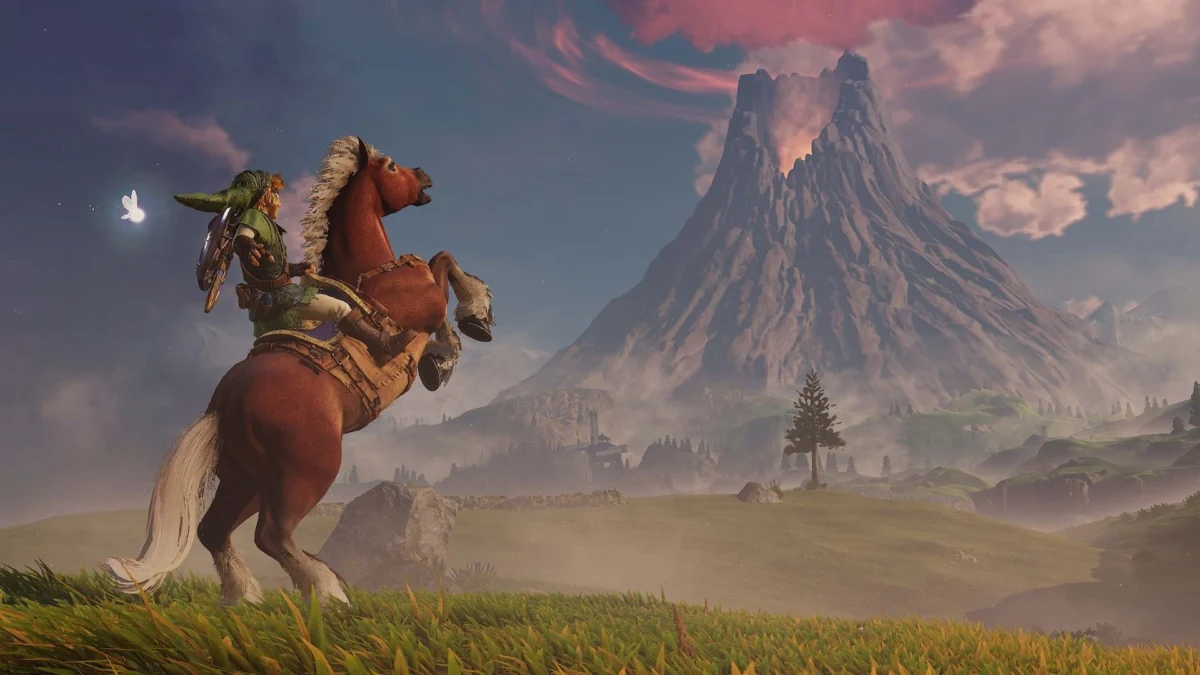
The gaming world is currently witnessing a rare phenomenon: a legendary title from 1998, widely considered one of the greatest games ever crafted, has been reimagined for the Nintendo Switch 2. The Legend of Zelda: Ocarina of Time, which launched on November 5, is not merely a high-definition port. It is a comprehensive reconstruction of the Hyrulean epic, breathing new life into the foundation of 3D action-adventure gaming. With an impressive Metacritic score of 96, the title has largely silenced skeptics, proving that even a masterpiece can be improved with the right touch.
The Core Transformation: More Than Just a Facelift
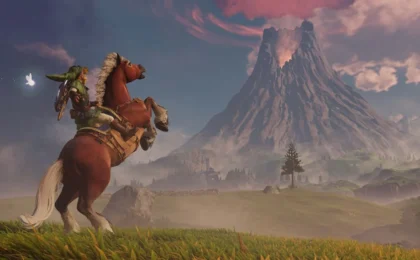
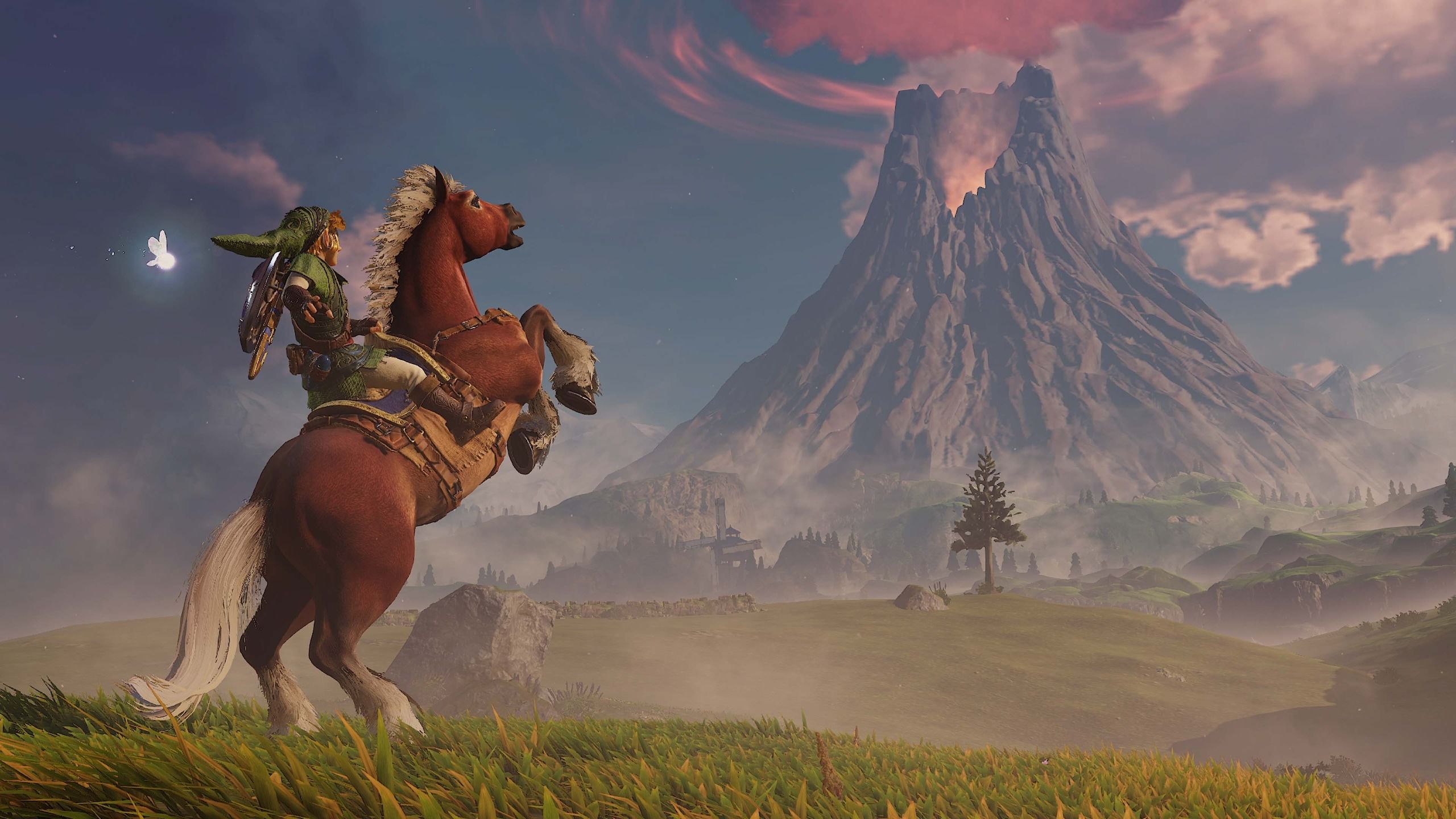
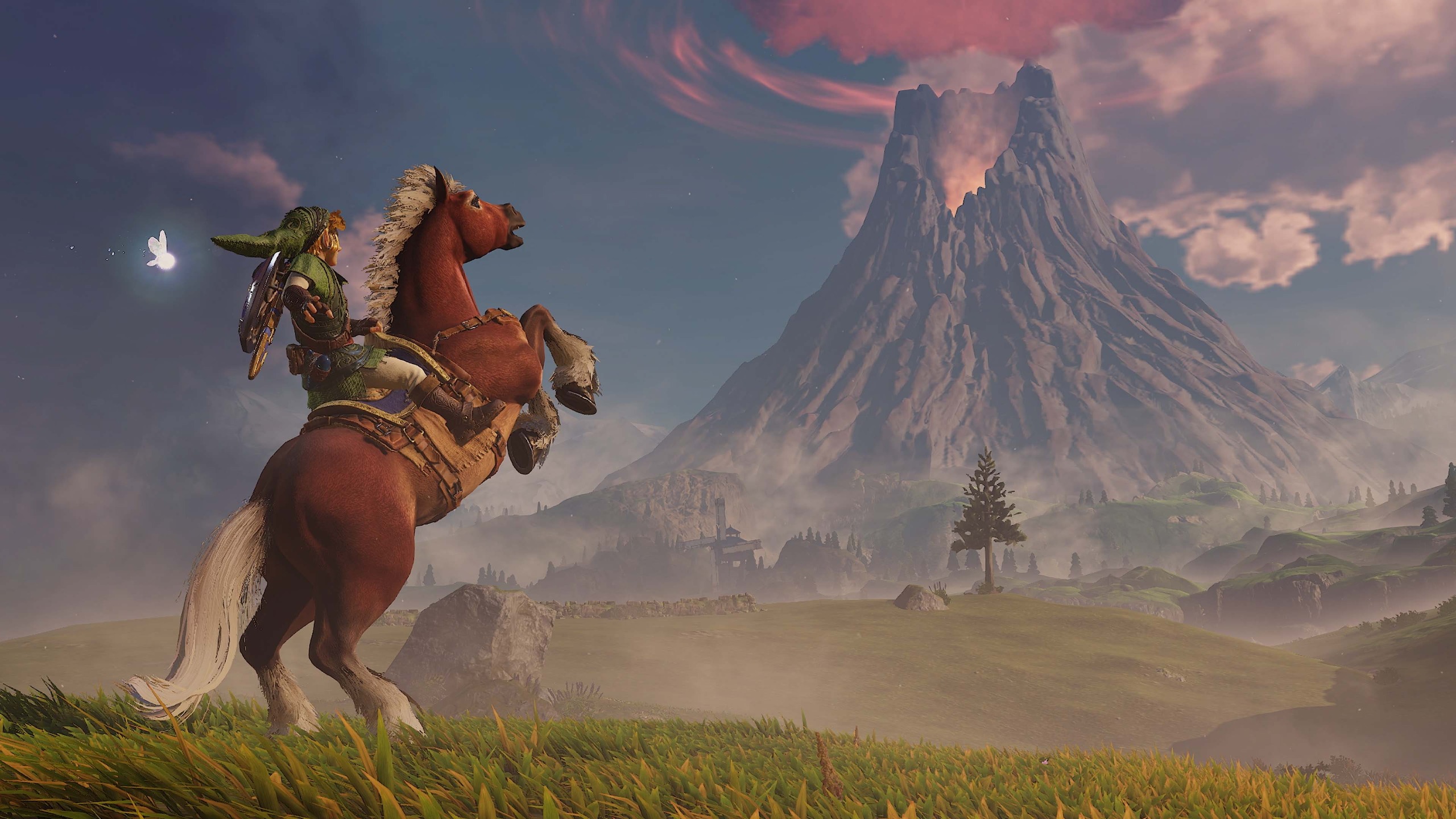
For those who spent their childhoods navigating the Great Deku Tree or fishing in Lake Hylia, the immediate impact of the Ocarina of Time remake is visual. Nintendo has opted for a stylized art direction that avoids the "uncanny valley" of hyper-realism. Instead, the game adopts a rich, fairytale aesthetic that feels like a living, breathing storybook.
However, the changes go far deeper than the surface. The development team has overhauled the game’s architecture, introducing free-roam camera control, fluid movement mechanics, and, most notably, full voice acting for the cast. The soundtrack, an iconic score by Koji Kondo, has been meticulously re-orchestrated, swelling in intensity during boss battles and softening into atmospheric melodies in the quiet corners of Hyrule.
Crucially, the dungeons have been redesigned to accommodate modern pacing. While the logic puzzles remain true to their original spirit, the "clunkiness" that occasionally plagued the Nintendo 64 original has been sanded down, replaced by responsive controls and an intuitive UI that brings the experience in line with contemporary standards.
A Chronology of a Classic: From N64 to Switch 2
To understand the weight of this release, one must look at the timeline of Ocarina of Time’s legacy.
- 1998: The original The Legend of Zelda: Ocarina of Time launches on the Nintendo 64. It sets the standard for Z-targeting, 3D exploration, and environmental storytelling.
- 2011: Nintendo releases a remastered version for the 3DS, which introduced improved textures and gyroscope aiming, cementing the game’s viability for a new generation.
- 2024/2025: Rumors of a "definitive" remake circulate following the announcement of the Nintendo Switch 2, with fans speculating on whether Nintendo would modernize the classic or keep it strictly "retro."
- November 5, 2026: The official launch of the Ocarina of Time remake on Switch 2. It marks the first time the game has been built from the ground up for modern hardware, utilizing the power of the Switch 2 to achieve 60fps and high-fidelity assets.
Critical Reception: The Verdict from the Press
The consensus among critics is overwhelmingly positive, though not without nuance.
GamesRadar+ awarded the title a perfect five-star rating, characterizing it as "a remake for the ages." Reviewer Anna Koselke highlighted the balance Nintendo struck between preserving the game’s identity and introducing modern sensibilities. TechRadar shared this enthusiasm, also awarding five stars, though they noted that some of the original’s punishing difficulty had been mitigated by modern quality-of-life additions, a point of contention for purists.
Shacknews went as far as to call the title a "tour de force," specifically praising the expanded role of Navi. In the original, the fairy was often criticized for her repetitive interjections; in the remake, she serves as a more narrative-driven companion, deepening the player’s connection to the world.
Conversely, Game Informer offered a more measured critique, giving it a 9.25/10. Their reviewer, Kyle Hilliard, praised the technical achievement but argued that Nintendo played it safe. "It is a straightforward recreation," Hilliard noted. "But an admittedly very good one." The sentiment here is that while the game is perfect, it doesn’t necessarily take the creative risks found in titles like Breath of the Wild.
The Implications of the "Safe" Approach
The criticism regarding the lack of a "Master Quest" mode—a feature present in previous iterations that offered significantly higher difficulty—suggests that Nintendo is aiming for accessibility. By streamlining the experience, the developers have ensured that the game is playable by a wider audience, including those who have never touched a controller before.
However, this decision carries implications for the hardcore fanbase. For players who know the locations of every Gold Skulltula and the timing of every boss pattern, the lack of a "hard mode" is a notable omission. The industry at large is currently grappling with how to handle remakes: do you change the game to suit modern tastes, or do you keep the "jank" to preserve the history? Nintendo has firmly chosen the path of refinement over total subversion.
A New Language for 3D Adventure
The significance of Ocarina of Time cannot be overstated. It was the game that taught the industry how to handle a 3D camera. It taught developers how to create sprawling, interconnected worlds where a single change in the past affects the future.
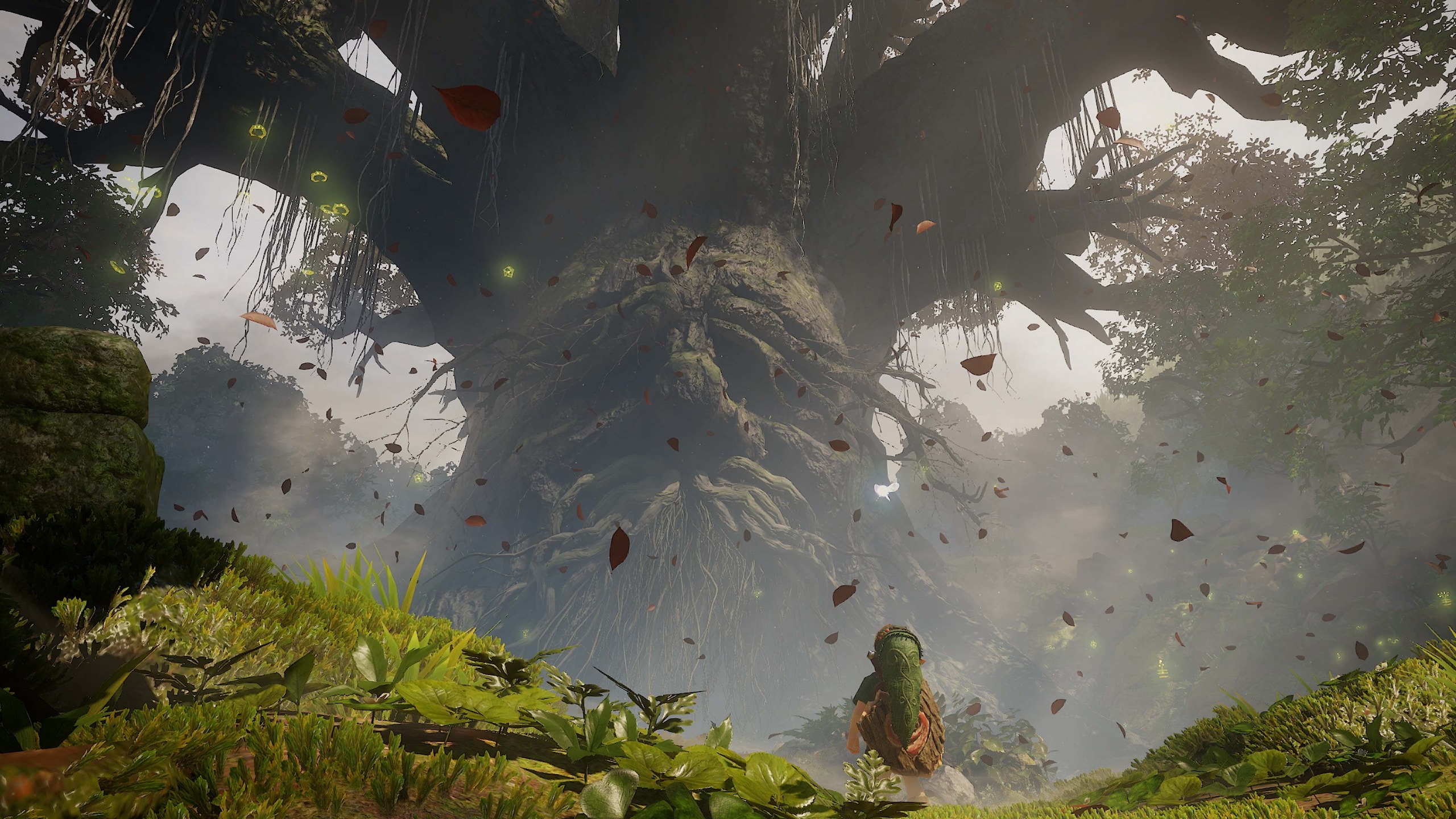
The remake serves as a bridge between two eras. It reminds players why the "lock-on" combat system is still the industry standard, and why the "dungeon-crawling" formula, even if refined, remains deeply satisfying. The Guardian’s Keza MacDonald offered perhaps the most poetic take: "Hyrule feels like detailed theatre scenery, and Link like a handmade doll." This artistic choice emphasizes the fairytale quality of the narrative, distancing the game from the gritty, photorealistic trends that dominate the current market.
The Broader Strategy: Why the Switch 2 Matters
The success of this remake is not an isolated event; it is part of a broader, highly successful strategy by Nintendo to curate their back catalog for the Switch 2. Recent successes, such as the Star Fox remake and various Metroid and Mario updates, have made the console an essential hub for Nintendo’s history.
By leveraging the power of the Switch 2, Nintendo is demonstrating that their older IP does not need to be left behind. Instead, it can be re-contextualized for modern hardware, proving that "a beautiful game isn’t about power, it’s about purpose." The performance metrics on the Switch 2—stable frame rates, crisp textures, and zero-load-time transitions—allow the player to lose themselves in the world of Hyrule more effectively than ever before.
Looking Ahead: Is This the Gold Standard?
As we look at the landscape of 2026 gaming, the Ocarina of Time remake stands as a benchmark for how to treat legacy content. While some may pine for a more radical reimagining, the sheer polish and respect shown to the source material make this an essential purchase.
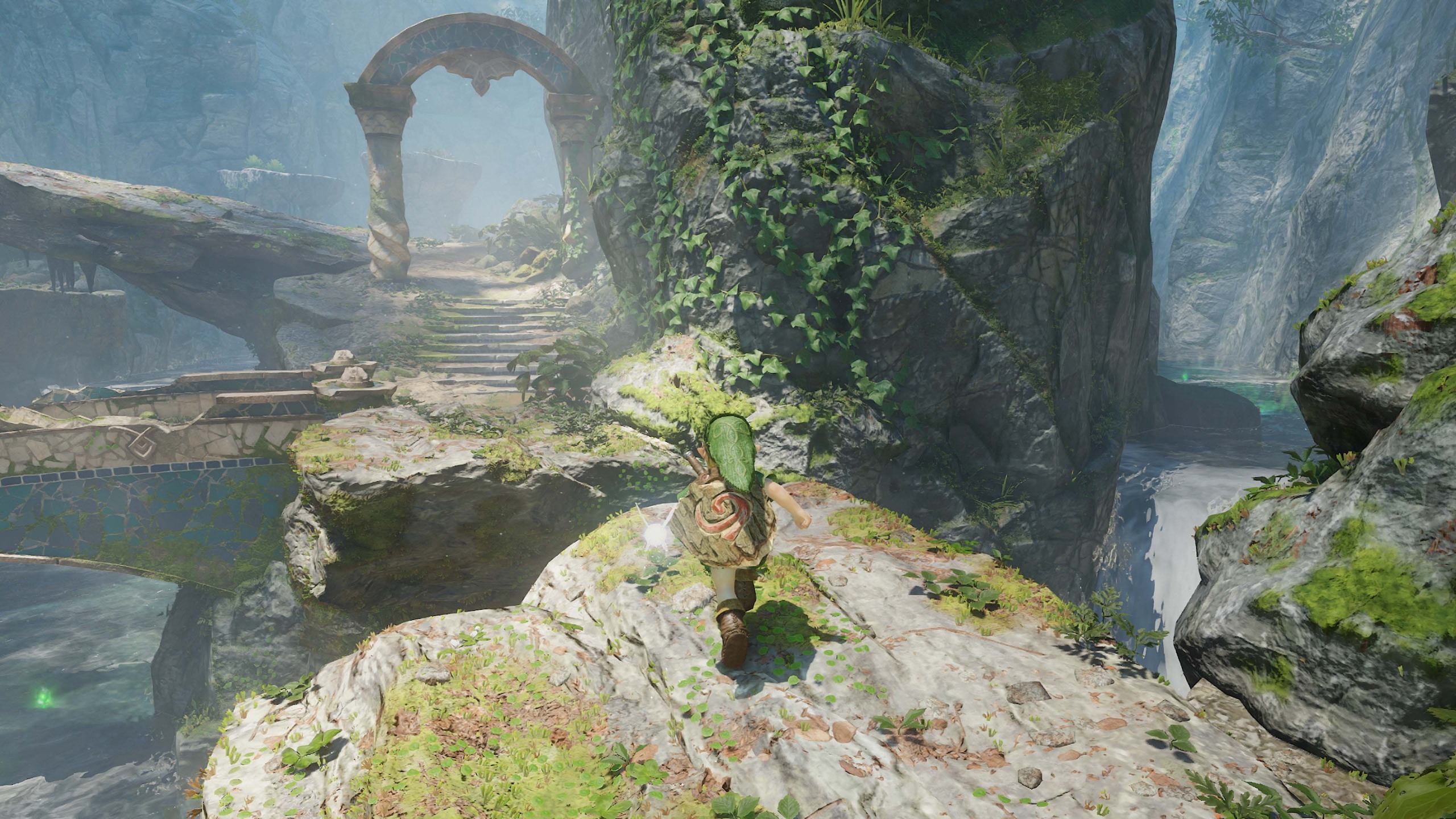
The game does not try to be the next Breath of the Wild or Tears of the Kingdom. It tries to be the best version of Ocarina of Time possible. In that regard, it succeeds. It captures the sense of discovery and the wonder of the original, while ensuring that the friction of 1998 technology doesn’t interfere with the 2026 experience.
Whether you are a veteran of the N64 era or a newcomer curious about the roots of the series, this remake offers a compelling reason to visit Hyrule once more. It is a testament to the fact that when you have a story this strong and a world this well-designed, time is merely a suggestion, not a limitation.
The Legend of Zelda: Ocarina of Time is available now on the Nintendo Switch 2. Players are encouraged to explore the title, test their knowledge of the series, and experience one of gaming’s greatest adventures in its most definitive form.