In the landscape of modern interior design, trends are usually dictated by global color institutes or high-end Milanese furniture fairs. Rarely, however, does a specific design aesthetic find its origins in a surrealist "cottagecore-Frankenstein" fantasy film. Yet, that is exactly what has happened with the meteoric rise of "Wicker-core"—a trend sparked by the viral reception of the film Wicker, which features a uniquely ligneous Alexander Skarsgård.
What began as a niche cinematic talking point has rapidly metastasized into a legitimate movement in home decor. From rattan chairs to intricate cane weaving, the material is having its biggest moment since the Victorian era, transforming the way designers think about texture, organic materials, and, quite frankly, the boundaries of human-furniture interaction.
The Origins: A Cultural Phenomenon
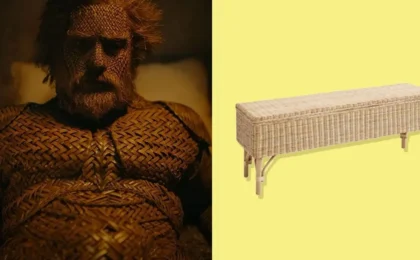
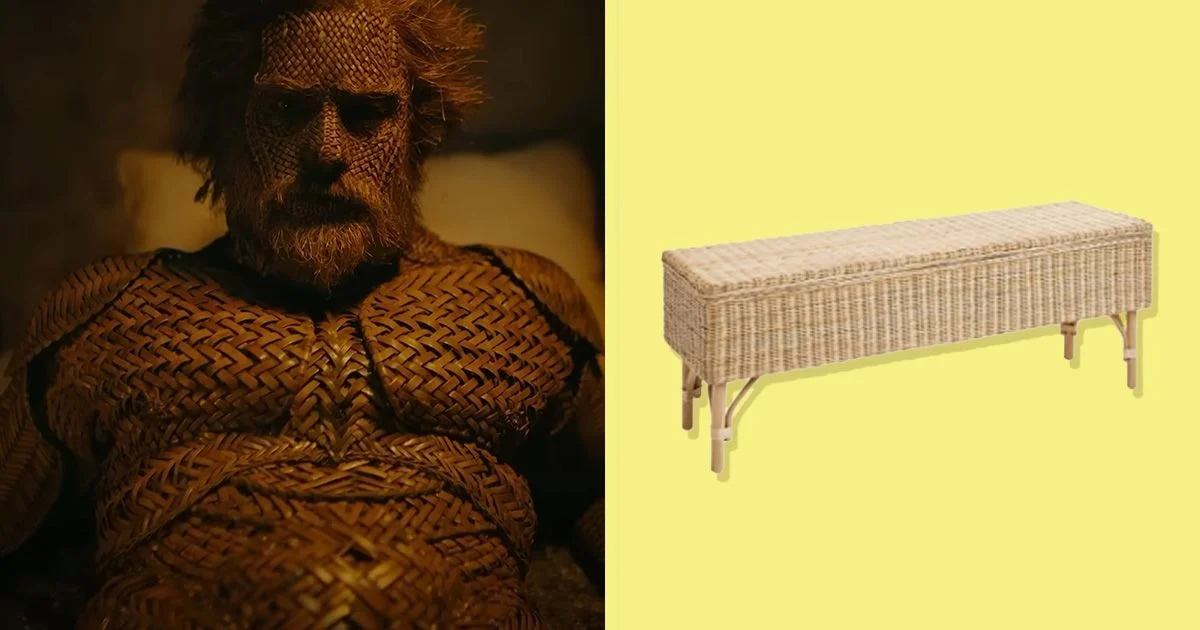
The fascination began with the film Wicker, a production that blurred the lines between psychological thriller and experimental art. At the center of the discourse is Alexander Skarsgård’s character—or rather, his costume. The suit, constructed entirely from intricate basket-weaving techniques, created a silhouette that was both haunting and undeniably tactile.
For audiences, the visual impact was twofold: it invoked a deep sense of pastoral nostalgia while simultaneously pushing the boundaries of what could be considered "wearable furniture." The "ligneous Skarsgård"—a term coined by social media commentators to describe the actor’s transformation into a literal wicker man—became an overnight meme. However, the meme quickly evolved into a design directive. Interior enthusiasts began to pivot away from the sleek, cold minimalism of the early 2020s toward the warmer, more erratic textures of woven osier, rattan, and cane.
Chronology of the Trend
- Early 2026: Wicker premieres at major film festivals, garnering immediate attention for its unconventional costume design and "organic-horror" aesthetic.
- March 2026: TikTok and Instagram "HomeTok" influencers begin dissecting the "Wicker-core" look. The hashtag #WickerHusband begins trending, initially as a joke but soon transitioning into home styling advice.
- April 2026: Retailers note a 400% increase in searches for "rattan accent furniture" and "cane weave statement pieces."
- May 2026: Ikea officially leans into the frenzy, repositioning its classic Tolkning bench as a "racy, must-have accessory" for the modern living room.
- June 2026: High-end boutique furniture designers in Paris and New York begin releasing "Biophilic-Woven" collections, citing the film’s "structural integrity and natural warmth" as a primary inspiration.
The Technology Behind the Texture
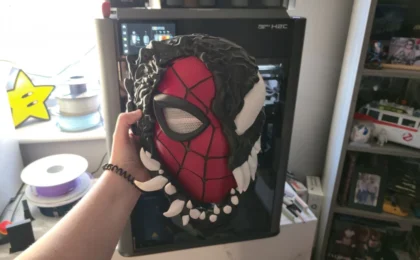
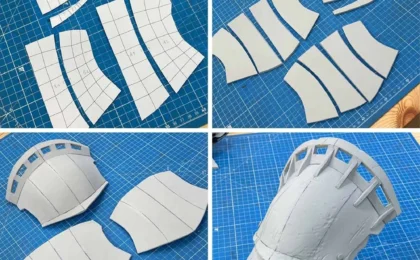
Behind the trend lies a fascinating intersection of traditional craftsmanship and cutting-edge technology. The suit worn by Skarsgård was not merely woven by hand; it utilized 3D-printing technology to create modular wicker-like structures that could be articulated for movement.
This has opened a door for the DIY enthusiast. The rise of home-based 3D printing has led to a bizarre, albeit innovative, subculture of people printing their own "wicker" components. While a 3D-printed wicker chair might sound like a recipe for discomfort—or, as some have jokingly warned, "chafing"—it represents a new frontier in sustainable manufacturing. By using biodegradable filaments that mimic the tensile strength of natural rattan, designers are now able to create complex, interlocking patterns that were previously impossible to achieve with traditional hand-weaving methods.
Market Response and Retail Implications
The commercial sector has been surprisingly nimble in responding to this trend. Ikea’s strategy, in particular, is a masterclass in trend-jacking. By taking the Tolkning bench—a functional, sustainable piece—and re-marketing it as a piece of "Wicker-core" decor, the retailer has managed to bridge the gap between high-fashion cinema and accessible home goods.
But it isn’t just mass-market retailers. Artisan workshops that specialize in cane work are seeing a revival of interest in apprenticeship programs. The demand for "authentic" wicker, harvested and woven by hand, is skyrocketing, driving a resurgence in traditional skills that many feared were on the brink of obsolescence.
Key Market Statistics (Q2 2026)
- Retail Search Volume: +580% for "wicker furniture" compared to Q2 2025.
- Material Demand: Rattan supply chains have tightened by 22% due to increased luxury demand.
- DIY Engagement: Over 1.2 million downloads of "Wicker-style" 3D-printing schematics reported across major maker platforms.
The "Wicker-core" Aesthetic: Design Implications
So, what does this mean for your living space? The "Wicker-core" look is not just about placing a wicker basket in the corner of a room. It is a philosophy of texture-first design.
Professional interior designers suggest that the trend is a reaction to the "digital fatigue" of the mid-2020s. After years of staring at glass, steel, and high-resolution screens, the human eye is craving the imperfect, organic geometry of woven natural fibers. The goal is to create spaces that feel "lived-in" and slightly primal.
Design Tips for the Wicker-core Home:
- Layering: Don’t be afraid to mix different weaves. Combine tight-weave cane with loose, chunky rattan to create depth.
- Structural Statements: Look for pieces that defy conventional furniture shapes—chairs that lean into the "Frankenstein" aspect of the trend, featuring irregular, architectural silhouettes.
- Softening the Edge: Wicker can be abrasive. Counterbalance the rigidity of the material with soft textiles, such as heavy linen throws or velvet cushions, to ensure comfort.
- Lighting: Use wicker lampshades to create complex, dappled shadow patterns on the walls, mimicking the organic light play of a forest canopy.
The Ethical and Sustainability Question
As with any rapid surge in demand, there are concerns regarding the sustainability of the rattan and osier harvest. Much of the world’s rattan comes from Southeast Asia, where deforestation and over-harvesting are significant risks.
Industry leaders are now calling for a "Transparent Wicker" initiative, ensuring that the surge in popularity leads to ethical sourcing rather than environmental degradation. "If we are going to lean into the ‘Wicker-core’ trend," says lead design analyst Sarah Jenkins, "we must do so with a commitment to regenerative farming practices. The beauty of the material lies in its connection to the earth; it would be ironic to destroy the source in the name of aesthetic obsession."
Conclusion: A Trend or a Transformation?
The rise of Wicker-core serves as a poignant reminder of how culture, film, and design are inextricably linked. Whether the trend is merely a fleeting fascination with a cinematic moment or a long-term shift toward tactile, organic design, one thing is certain: our relationship with our furniture has changed.
We are moving away from the era of the "perfect, invisible" home toward spaces that feel alive, structured, and, yes, perhaps even a little bit weird. As for the "wicker husband" phenomenon—while it may be relegated to the realms of internet humor for most, the underlying desire for furniture that challenges our perceptions of comfort and art is very real.
Whether you are looking to invest in a bespoke rattan statement piece or simply trying to find a way to incorporate the look without the threat of a splinter, the "Wicker-core" movement offers a unique opportunity to rethink your environment. Just remember: when engaging with the more avant-garde side of this trend, proceed with caution. Style is important, but comfort—and the avoidance of chafing—should always remain the priority.